Bliss Budget
Updated
Synopsis
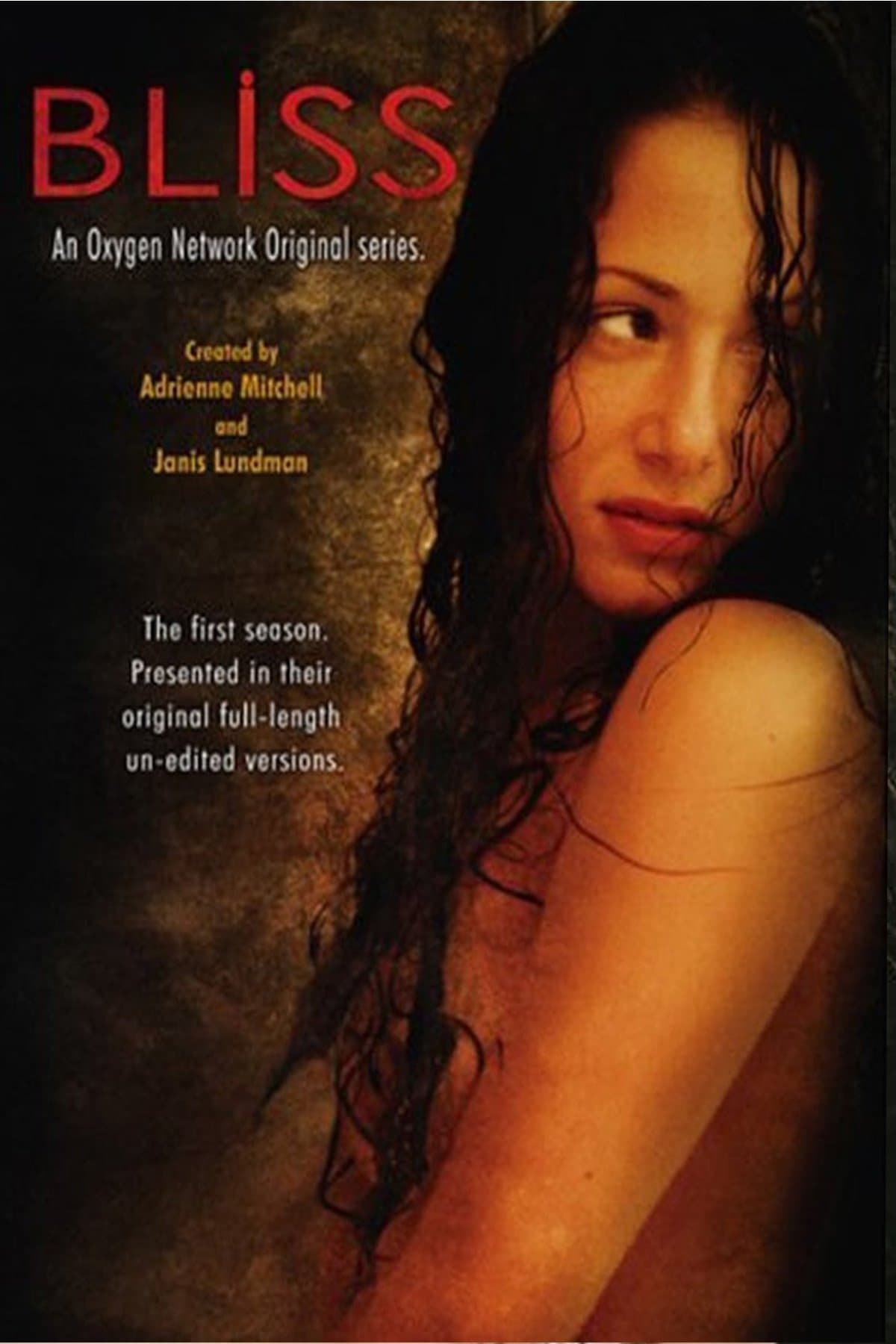
Bliss is a Canadian-produced half-hour dramatic anthology series featuring short sensual vignettes adapted for television, each focused on women's desire and intimate experience. The series was produced by Montreal-based Galafilm and Toronto-based Back Alley Films and aired between 2002 and 2004 in three seasons, with US distribution through Oxygen Media and Canadian distribution on Showcase, TMN, and Movie Central.
What Is the Budget of Bliss (2002)?
Bliss (2002) is not a theatrical film. It is a Canadian-produced half-hour dramatic anthology television series, with three seasons broadcast between 2002 and 2004 on Oxygen Media in the United States and on Showcase, TMN, and Movie Central in Canada. Galafilm in Montreal and Back Alley Film Productions in Toronto co-produced the series. Neither company nor either of the broadcasters publicly disclosed the production budget. Industry estimates for early-2000s Canadian half-hour anthology drama at this scale place the per-episode cost in the range of CAD 200,000 to CAD 350,000 (approximately $130,000 to $230,000 USD at 2002 exchange rates).
The production model combined Canadian Film or Video Production Tax Credit financing, Quebec and Ontario provincial tax credits, and license fees from Oxygen, Showcase, TMN, and Movie Central. International distribution through Toronto-based Oasis International extended the revenue model into European and Asian erotic-programming licensing.
Key Budget Allocation Categories
A Canadian half-hour anthology drama at this scale typically distributes spend across:
- Rotating Guest Cast: Each Bliss vignette featured a new lead and supporting ensemble. Across three seasons and dozens of standalone episodes, the cumulative guest-cast cost was meaningful, with most actors working at standard ACTRA day rates and recurring Canadian-television scale.
- Rotating Directors: The anthology format invited a range of guest directors, many of whom were emerging Canadian female filmmakers including Patricia Rozema, Carolyn Combs, Mary Harron, Anne Wheeler, and Lynne Stopkewich. Director fees rotated across each episode rather than being amortised across a season-long block.
- Adaptation Rights: Each episode was adapted from a literary or contemporary erotic short story. The series secured rights from a range of women writers, including some prominent figures in the contemporary erotic and literary-fiction publishing world, with rights fees adding meaningful below-the-line cost.
- Quebec and Ontario Production: Galafilm shot primarily in Quebec and Back Alley Films shot primarily in Ontario, with the production model taking maximum advantage of the Canadian Film or Video Production Tax Credit and stacked provincial credits.
- Standing Sets and Locations: Each anthology episode required new production design, wardrobe, and set construction or location-dressing. Across three seasons, the cumulative production-design cost was meaningful but kept manageable through Canadian-industry standard scale.
- Composer and Sound Design: Original music and atmospheric sound design were integral to the anthology format. Composer Marc Ouellette contributed across multiple episodes, with additional musical contributions from a rotating bench of Canadian composers.
How Does Bliss's Budget Compare to Other Adult-Targeted TV Anthologies?
Bliss sat within the standard early-2000s Canadian half-hour anthology budget tier. Comparable series included:
- The Red Shoe Diaries (Showtime, 1992-1999): Estimated $400,000 to $600,000 per episode | seven-season run. Zalman King's US erotic anthology on Showtime occupied a higher budget tier and offered the closest English-language genre comparison.
- Tales from the Crypt (HBO, 1989-1996): Estimated $1,500,000 to $2,000,000 per episode | seven-season run. The HBO horror anthology illustrated the upper budget tier of premium-cable anthology economics, well above where Bliss operated.
- A Touch of Frost (ITV, 1992-2010): Estimated £600,000 per episode (approximately $900,000) | fifteen-series run. Standard UK premium-broadcast hour drama for comparison purposes.
- Are You Afraid of the Dark? (Nickelodeon, 1992-2000): Estimated CAD 500,000 per episode | seven-season Canadian co-production. The Cinar/Nickelodeon Montreal-shot youth anthology offered the closest Canadian production-model comparison.
Bliss Performance and Final Season
Bliss premiered on Oxygen in the United States and on Showcase in Canada in fall 2002 and ran for three seasons through 2004. The anthology format did not generate sustained week-over-week audience growth in the way a serialised drama would, but it delivered consistent late-night viewership for Oxygen and helped establish Showcase's reputation for adult-targeted Canadian programming during the period.
Streaming and license-fee economics for a Canadian anthology drama do not produce a film-style box-office return:
- Production Budget (estimated): CAD 200,000 to CAD 350,000 per episode (approximately $130,000 to $230,000 USD)
- Season Order: 3 seasons, approximately 30 episodes total
- Total Estimated Investment: approximately $4,000,000 to $7,000,000 USD across the three-season run
- Worldwide Gross: Not applicable (license-fee model)
- Net Return: Recouped through Oxygen, Showcase, TMN, Movie Central license fees, Canadian tax credits, and Oasis International distribution sales
- ROI: Internal to broadcaster and producer economics; not publicly disclosed
The series ended after its third season in 2004 without an explicit cancellation announcement, with the anthology format and the broadcaster commissioning environment shifting toward serialised drama in the mid-2000s. The series has retained a modest cult following among aficionados of early-2000s adult-targeted Canadian television.
Bliss Production History
Galafilm Productions and Back Alley Film Productions developed Bliss in 2001-2002 as a women-centred adult-anthology project, with Oxygen Media as the US broadcasting partner. Oxygen, then a Geraldine Laybourne-led cable network targeting female viewers, had launched in 2000 and was actively commissioning adult-skewing female-led original programming. Showcase Canada served as the primary domestic broadcasting partner.
The anthology brief was unusually open by Canadian-television standards: each episode adapted a literary or contemporary erotic short story by a different woman writer, with a different director, cast, and visual approach. The rotating-director model brought in established Canadian filmmakers including Patricia Rozema (Mansfield Park), Anne Wheeler (Better Than Chocolate), Lynne Stopkewich (Kissed), and Mary Harron (American Psycho), along with emerging directors from the Canadian short-film community.
Production rotated between Montreal (Galafilm) and Toronto (Back Alley Films) across the three-season run. Oasis International, the Toronto-based distribution company, handled international sales to European, Latin American, and Asian erotic-programming buyers, with the series finding particular audiences in markets where late-night female-targeted dramatic programming was underserved.
Awards and Recognition
Bliss received multiple Canadian-industry award nominations. The series was nominated at the Gemini Awards (Canada's pre-Canadian Screen Awards primetime television awards) in directing, writing, and performance categories across multiple years of its run. Patricia Rozema's contribution received specific recognition in the directing category.
Within the Directors Guild of Canada Awards, Mary Harron received recognition for her contribution to the series. The Writers Guild of Canada nominated individual episode writers across the three seasons. The series did not break through to broader US awards-circuit recognition, reflecting the limited US visibility of Canadian-produced cable anthology programming in the early 2000s.
Critical Reception
Bliss received mixed reviews from Canadian and US critics. The series does not carry a Rotten Tomatoes tomatometer score due to insufficient professional reviews. IMDb users have given it a 6.4 average rating across approximately 700 reviews.
The Globe and Mail's John Doyle praised the project as "a rare attempt by Canadian television to take women's desire seriously as a dramatic subject," while noting that the anthology format's uneven episode-to-episode quality limited its critical impact. Variety's Brian Lowry, reviewing the Oxygen US launch, described the series as "smartly produced and refreshingly serious in its approach to its subject, even when individual episodes do not land."
The Toronto Star's Antonia Zerbisias situated Bliss within Showcase's emerging reputation for adult-targeted Canadian-produced drama and called it "more interesting in its directorial roster than in any individual episode." Specialist erotic-programming press in markets where Oasis International sold the show was generally more positive, with the series receiving favourable coverage in European late-night-television trade publications.
Frequently Asked Questions
Is Bliss (2002) a movie or a TV series?
Bliss (2002) is a Canadian half-hour anthology television series, not a theatrical film. It ran for three seasons between 2002 and 2004 on Oxygen Media in the United States and on Showcase, TMN, and Movie Central in Canada.
How much did Bliss cost to make?
Galafilm Productions and Back Alley Film Productions did not publicly disclose the budget. Industry estimates for early-2000s Canadian half-hour anthology drama at this scale place the per-episode cost in the range of CAD 200,000 to CAD 350,000 (approximately $130,000 to $230,000 USD at 2002 exchange rates).
Who produced Bliss?
Montreal-based Galafilm Productions and Toronto-based Back Alley Film Productions co-produced the series. Janis Lundman, Adrienne Mitchell, and Arnie Gelbart are credited as the senior producing team across the three-season run.
Where was Bliss broadcast?
In the United States, Bliss aired on Oxygen Media. In Canada, it aired on Showcase, TMN, and Movie Central. International distribution was handled by Toronto-based Oasis International, with sales to European, Latin American, and Asian buyers.
What is the format of Bliss?
Each half-hour episode is a standalone vignette adapted from a literary or contemporary erotic short story by a different woman writer, directed by a different filmmaker, with a different cast. The series focused on women's sensual experience and intimate stories rather than on a continuing serialised narrative.
Who directed episodes of Bliss?
The series rotated through a deep bench of Canadian female and emerging directors, including Patricia Rozema (Mansfield Park), Mary Harron (American Psycho), Anne Wheeler (Better Than Chocolate), Lynne Stopkewich (Kissed), Carolyn Combs, Jeanne Crepeau, Helen Lee, and others across the three-season run.
How many episodes of Bliss are there?
Approximately 30 episodes were produced across three seasons between 2002 and 2004. Episode counts varied slightly by season and broadcaster, with some Canadian broadcasts including additional content not aired on Oxygen in the US.
Where was Bliss filmed?
Production rotated between Montreal (where Galafilm shot Quebec-anchored episodes with Quebec provincial tax credits) and Toronto (where Back Alley Films shot Ontario-anchored episodes with Ontario provincial tax credits). The Canadian Film or Video Production Tax Credit applied to all episodes across both provinces.
Did Bliss win any awards?
The series received multiple Gemini Award nominations (Canada's pre-Canadian Screen Awards primetime awards) across directing, writing, and performance categories. Mary Harron received recognition at the Directors Guild of Canada Awards. The series did not break through to broader US awards-circuit recognition.
Where can I watch Bliss today?
The series is not currently available on mainstream subscription streaming platforms in the US or Canada. Episode availability varies, with some installments having historically aired on Hollywood Suite, Showcase reruns, and assorted late-night cable repeats. Oasis International retains international distribution rights.
Filmmakers
Bliss

Official Trailer
Build budgets like this one in Saturation
Start from an industry-standard feature film template, import the schedule and rates you already have, and let the cost report keep itself current as you spend. Real-time collaboration, no spreadsheets.