Belka i Strelka. Zvezdnye sobaki Budget
Updated
Synopsis
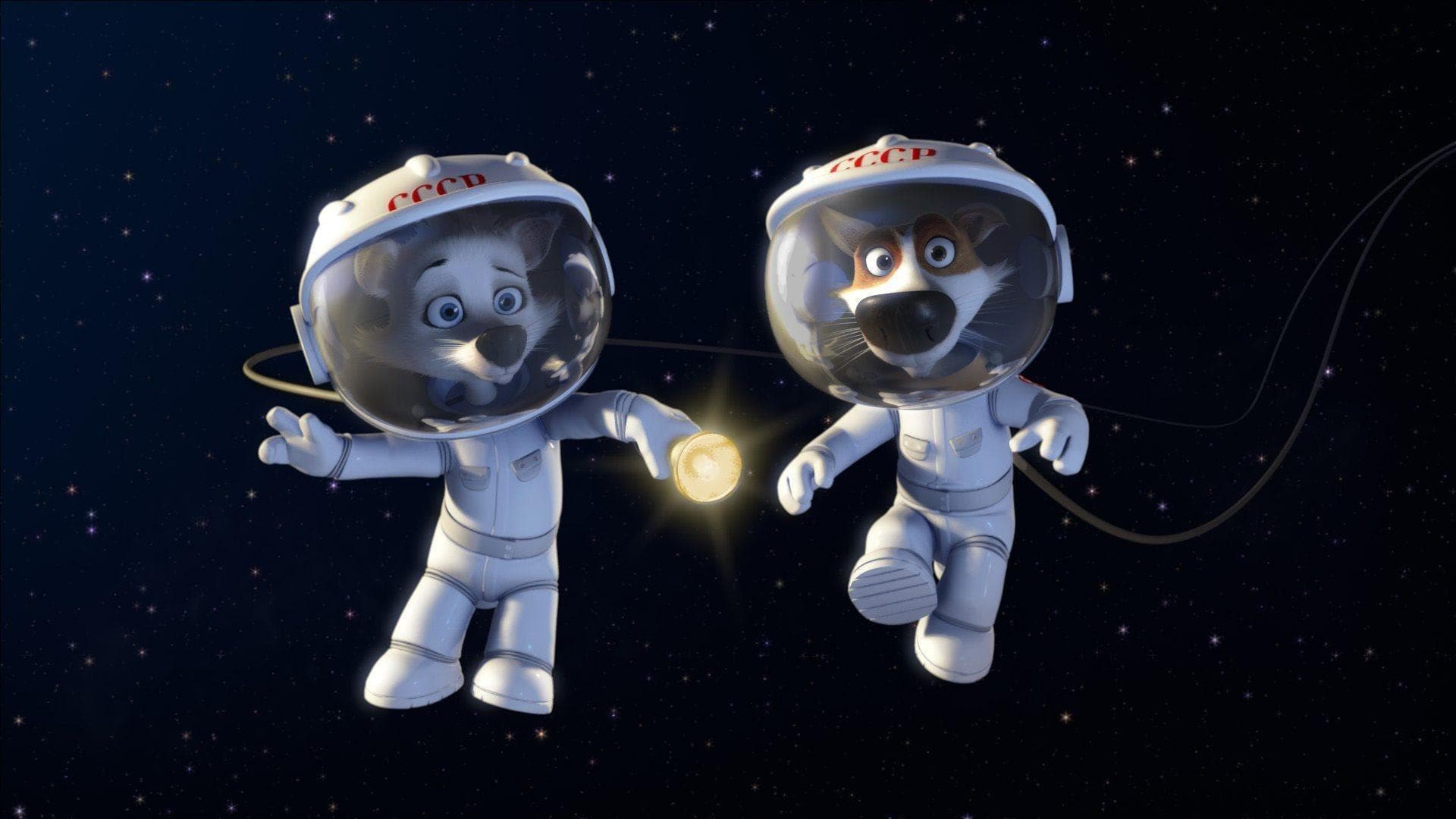
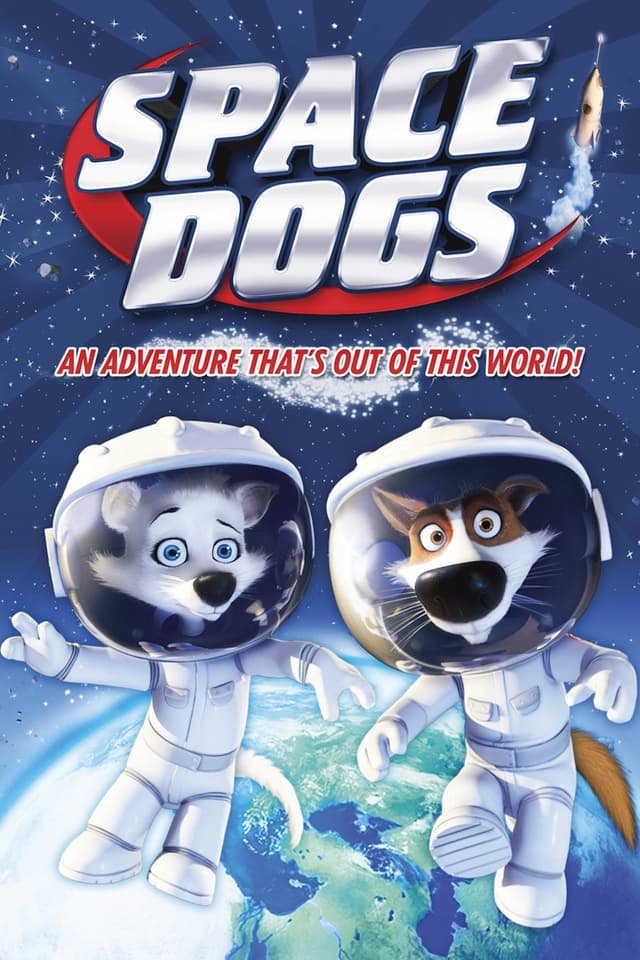
In late-1950s Moscow, Belka, a high-strung Soviet circus performer, is launched in a malfunctioning rocket and crash-lands in the streets of the capital, where she meets the resourceful stray Strelka and her wisecracking rat companion Venya. Recruited together into the Soviet space program at a secret training center under the gruff trainer Kazbek, the trio endures the rigors of cosmonaut preparation and is selected for the historic orbital flight that will return them to Earth as the first dogs to survive space travel. The film draws on the real August 1960 Korabl-Sputnik 2 mission to tell a family-adventure story about friendship, courage, and the strange honor of becoming a Soviet space hero.
What Is the Budget of Belka and Strelka: Star Dogs (2010)?
Belka and Strelka: Star Dogs (Russian: Белка и Стрелка. Звёздные собаки) carried a reported production budget of approximately $8,000,000, a figure that marked it as one of the most ambitious Russian animated features of its era. Produced by Moscow studio KinoAtis in association with the Centre of National Film, the project was conceived as the first Russian computer-animated feature shot natively in stereoscopic 3D, and the budget reflected the cost of building a full CG pipeline from scratch inside a country whose animation industry had been dominated by 2D and stop-motion traditions for decades.
Where Hollywood family animation of the same year operated in the $130 million to $260 million range, Belka and Strelka delivered a feature-length 3D CG film for roughly five percent of a major-studio budget. The spend was concentrated on character modeling for the anthropomorphic dogs, fur and cloth simulation, the recreation of late-1950s Moscow streetscapes and the Soviet space training center, and the rocket and zero-gravity sequences that anchor the second half. The producers leaned heavily on Indian outsourcing partners and Russian voice talent at domestic rates to stretch the budget into something visually competitive with international family animation.
Key Budget Allocation Categories
The reported $8 million spend on a debut stereoscopic 3D feature was distributed across the following areas, with character animation and Soviet-era period design carrying the largest share:
- 3D Character Modeling and Fur Simulation: Belka, Strelka, the rat Venya, Kazbek, and the supporting canine cast required custom rigs, fur grooms, and expressive facial controls capable of carrying lead performances. This was the single most costly line item, since the studio had to build a stereoscopic CG pipeline from the ground up rather than license an existing one.
- Period Recreation of Late-1950s Moscow: The story opens with Belka performing in a Soviet state circus and Strelka surviving on Moscow streets, requiring detailed period environments, vehicle models, costumes, and propaganda signage. Reference research drew on archival photography of the Sputnik-era capital, and digital matte work supplied the depth that a small live-action unit could never have achieved at the budget.
- Rocket and Space Training Center Sequences: The Korabl-Sputnik 2 launch and the zero-gravity orbital sequences are the visual centerpiece of the film. Building accurate models of the R-7 rocket family, the spherical Vostok-precursor capsule, and the Star City training facilities required engineering reference and additional simulation work for weightlessness, water tanks, and centrifuge tests.
- Voice Cast and Russian Star Talent: KinoAtis hired major Russian theatre and film actors, including Anna Bolshova as Belka, Elena Yakovleva as Strelka, Sergey Garmash as Kazbek, and Evgeny Mironov as Venya the rat. Domestic star fees are a fraction of Hollywood voice-cast budgets, allowing the production to attach recognizable names without absorbing US-scale talent costs.
- Outsourced Animation and VFX Support: Indian studios including Cornershop Animation and Blowfish FX contributed shot animation, lighting, and effects work alongside the in-house KinoAtis team. Outsourcing carried the bulk of the man-hours required for an 85-minute CG feature and was the single largest budget lever for keeping the project within $8 million.
- Stereoscopic 3D Production Pipeline: The film was authored in native stereo rather than post-converted, demanding parallel left- and right-eye renders, interaxial planning per shot, and longer render times than a flat CG project. Building this pipeline as a Russian first added an R&D premium absorbed by the production rather than by clients.
- Score, Sound Design, and Russian Pop Soundtrack: Composer Ivan Uryupin delivered an orchestral score in a Disney-adjacent family-adventure register, supported by Russian pop songs licensed for key musical sequences. Sound design built the rocket launch, circus atmospheres, and Moscow ambiences that anchor the period setting.
- Marketing and Domestic Theatrical Launch: Karoprokat handled the Russian theatrical rollout on March 18, 2010, with a wide release timed to school holidays and supported by television promotion, branded merchandise, and tie-ins with children's media. Marketing was funded separately from the production but was essential to the film's domestic box office success.
How Does Belka and Strelka: Star Dogs's Budget Compare to Similar Films?
Placing the $8 million spend alongside contemporary family animation and the small set of comparable Russian and space-themed CG features illustrates how aggressively the production stretched its resources:
- WALL-E (2008): Budget $180,000,000 | Worldwide $521,300,000. Pixar's space-set robot romance operated at roughly twenty-three times the budget of Belka and Strelka and produced its own meditation on canine and animal life in orbit. The comparison shows how a Russian studio addressed similar science-fiction-with-heart territory at a fraction of the spend.
- Mars Needs Moms (2011): Budget $150,000,000 | Worldwide $39,549,758. ImageMovers Digital's motion-capture space adventure cost nearly nineteen times what KinoAtis spent and grossed less than five times the Russian film's worldwide total. The contrast underscores how Hollywood scale does not guarantee a financial return when the target audience does not turn up.
- Planet 51 (2009): Budget $70,000,000 | Worldwide $105,600,000. Ilion Animation Studios in Madrid delivered a similarly space-themed family CG feature for roughly nine times the Belka and Strelka budget, with international co-financing supporting a global release.
- Megamind (2010): Budget $130,000,000 | Worldwide $321,800,000. DreamWorks' superhero comedy released the same year as Belka and Strelka illustrates the standard mid-tier Hollywood CG family budget, useful as a benchmark for how far an $8 million Russian production had to stretch every dollar.
- Three Heroes and the Shamakhan Queen (2010): Russian studio Melnitsa's 2D animated fairy-tale comedy, released in December 2010, became one of the highest-grossing domestic animated features of the year. Both films benefited from the same buoyant Russian family-cinema market and similar Karoprokat-handled releasing structures, with Belka and Strelka representing the 3D CG vanguard while the Three Heroes franchise carried the 2D tradition.
- Smeshariki: Begin (2011): Russian animated theatrical spin-off of the long-running television series Smeshariki, released a year after Belka and Strelka. The Smeshariki feature drew on an established brand to push a Russian animated film toward $5 million domestic, where Belka and Strelka had to build its audience from scratch and still cleared a higher domestic gross.
Belka and Strelka: Star Dogs Box Office Performance
Karoprokat opened Belka and Strelka: Star Dogs across Russia on March 18, 2010, timed to coincide with school spring holidays. The film became one of the strongest domestic animated openings of the year, leading the Russian box office during its first frame and holding a top position for several weeks. International rollouts followed in Poland, where the film also opened number one, and across continental Europe, with a delayed US limited release in 2012 by Shout! Factory that grossed only $14,408 against minimal theatrical exposure.
The reported financial breakdown:
Box Office Breakdown
Belka i Strelka. Zvezdnye sobaki

At a worldwide theatrical gross of $8,553,835, with roughly $6,200,000 coming from Russia alone, Belka and Strelka recouped about $0.78 for every $1 of total estimated theatrical investment before accounting for downstream revenue. The headline number masks the real commercial story: the film triggered a multi-film franchise, generated extensive home video, broadcast, and streaming revenue across Russia and the CIS, and established KinoAtis as the country's leading CG animation house.
The film's international footprint outside Russia and Poland was modest, with the United States limited to a $14,408 release and other territories handled through small-scale family distributors. The disparity between the Russian gross and the international total reflects both the cultural specificity of the source material and the limited slate of distributors willing to bet on a Russian-language animated feature in the post-recession family market.
Belka and Strelka: Star Dogs Production History
Belka and Strelka: Star Dogs originated at Moscow studio KinoAtis, with directors Inna Evlannikova and Svyatoslav Ushakov leading the creative team and producer Sergey Zernov of the Centre of National Film overseeing the project. The screenplay by Alexandr Talal, John Chua, Maksim Sveshnikov, and Vadim Sveshnikov reframed the real-life August 1960 Korabl-Sputnik 2 mission, which sent the dogs Belka and Strelka into orbit and returned them safely, as a buddy adventure for a contemporary family audience.
Principal animation work ran from 2009 through early 2010, with the in-house KinoAtis team building character rigs, environments, and key sequences in Maya and lighting through Pixar RenderMan. The studio brought on Indian outsourcing partners Cornershop Animation and Blowfish FX to handle shot animation and effects work, an arrangement that allowed the production to maintain the pace required for a stereoscopic 3D feature without the staffing of a Disney or DreamWorks-scale facility. The fur and cloth simulation, regarded as the highest technical hurdle for a Russian first-time CG team, was developed in collaboration with the international partners.
Voice recording in Moscow assembled an ensemble of established Russian theatre and film actors: Anna Bolshova voiced Belka, Elena Yakovleva voiced Strelka, Sergey Garmash voiced the lead military trainer Kazbek, and Evgeny Mironov took the comic role of the rat Venya. Veteran character actors Aleksandr Bashirov and Boris Plotnikov filled out the supporting cast, while Russian pop performer Vlad Topalov contributed to the soundtrack. The voice work was recorded in advance of animation rather than to picture, in the European model.
The production was completed in time for a March 18, 2010 Russian theatrical release. Karoprokat handled domestic distribution; international sales were managed separately, with Polish, German, and other European releases following through the spring and summer of 2010. The film's commercial performance triggered an immediate sequel, Space Dogs: Moon Adventures (released in 2014), and a long-running franchise that has continued through Space Dogs: Tropical Adventure (2020) and a series of direct-to-video and television spin-offs, cementing the Belka and Strelka characters as a foundational brand in modern Russian children's media.
Awards and Recognition
Belka and Strelka: Star Dogs received industry recognition at the Russian Open Animation Film Festival in Suzdal, where it competed in the feature-length category against the year's strongest domestic animated productions. The film was also acknowledged by Russian critics and trade publications as the first commercially successful native stereoscopic 3D animated feature produced in the country, a designation that carried significant prestige within the domestic industry regardless of festival prize counts.
At the Nika Awards, Russia's national film awards administered by the Russian Academy of Cinematographic Arts, the film attracted attention as a milestone in the country's computer-animation development, though the Nika categories historically have favored live-action and traditional animation over CG features. Internationally, the film played at family-cinema festivals across Eastern Europe, including theatrical showcases in Poland and Germany. The longer-term recognition has come through the franchise itself: the original 2010 feature has now spawned three theatrical sequels, multiple television series, and a sustained merchandising program, making Belka and Strelka one of the few Russian animated brands of the 2010s to achieve durable cultural visibility.
Critical Reception
Critical response to Belka and Strelka: Star Dogs split along regional lines. In Russia, the trade and family-press reception was largely positive, treating the film as a milestone for the domestic animation industry and crediting KinoAtis for producing a competent stereoscopic 3D feature without major-studio infrastructure. Reviewers highlighted the period detail in the late-1950s Moscow sequences, the voice performances of Anna Bolshova and Elena Yakovleva, and the family-friendly handling of a real Soviet-era story.
Western critical exposure was minimal because of the limited 2012 US release. Rotten Tomatoes lists the film at 38 percent based on a single critic review, and Common Sense Media gave it three out of five stars, calling it a "Russian animated movie that teaches kids about two Sputnik dogs" and noting the friendship and family themes alongside an introduction to Cold War space history. The IMDb audience score sits in the low fives, reflecting a divided global audience that praised the historical framing while finding the animation a step behind contemporary Pixar and DreamWorks output.
Russian audience response was the decisive factor in the film's commercial life. Domestic viewers turned out in numbers that supported a top-of-the-box-office opening and sustained the franchise through three further theatrical sequels, an outcome that confirmed the source material and the studio approach regardless of Western critical engagement. The lasting verdict in the Russian industry is that Belka and Strelka: Star Dogs proved a domestic CG animated feature could compete commercially against Hollywood imports in the family segment, a benchmark that continues to be cited by KinoAtis and its peers.
Frequently Asked Questions
How much did it cost to make Belka and Strelka: Star Dogs (2010)?
Belka and Strelka: Star Dogs carried a reported production budget of approximately $8,000,000. The Russian 3D animated feature was produced by Moscow studio KinoAtis in association with the Centre of National Film, with the budget concentrated on building a stereoscopic CG pipeline from scratch and recreating late-1950s Soviet Moscow.
How much did Belka and Strelka earn at the box office?
The film grossed $8,553,835 worldwide, with approximately $6,200,000 coming from Russia alone. It opened number one at the Russian box office on March 18, 2010, and also led the Polish box office on its opening weekend. The US limited release in 2012 produced only $14,408 in domestic theatrical revenue.
Who directed Belka and Strelka: Star Dogs?
Belka and Strelka: Star Dogs was co-directed by Inna Evlannikova and Svyatoslav Ushakov for KinoAtis. The screenplay was credited to Alexandr Talal, John Chua, Maksim Sveshnikov, and Vadim Sveshnikov, with Sergey Zernov of the Centre of National Film producing.
Is Belka and Strelka based on a true story?
Yes. The film is loosely based on the real August 1960 Korabl-Sputnik 2 mission, in which the dogs Belka and Strelka became the first animals to survive an orbital spaceflight and return safely to Earth. The film fictionalizes the dogs as anthropomorphic characters and adds a Moscow circus and stray-dog backstory.
Was Belka and Strelka the first Russian 3D animated feature?
Yes. Belka and Strelka: Star Dogs was the first full-length 3D computer-animated feature produced in Russia, authored in native stereoscopic 3D rather than post-converted. KinoAtis built the CG and stereo pipeline largely from scratch, with outsourced animation support from Indian studios Cornershop Animation and Blowfish FX.
Who voiced Belka and Strelka in the original Russian version?
In the original Russian version, Anna Bolshova voiced Belka and Elena Yakovleva voiced Strelka. The supporting cast included Sergey Garmash as the trainer Kazbek and Evgeny Mironov as the rat Venya, with Aleksandr Bashirov, Boris Plotnikov, and other established Russian theatre and film actors filling out the ensemble.
Did Belka and Strelka get a US release?
Yes, but it was minimal. Shout! Factory released the film under the title Space Dogs in a limited US theatrical run in 2012, which grossed only $14,408. The film subsequently played on home video and family-cable platforms, but the US never represented a meaningful share of its worldwide revenue.
How many Belka and Strelka sequels are there?
Three theatrical sequels followed the 2010 original: Space Dogs: Moon Adventures (2014), Space Dogs: Adventure to the Moon (the international cut of the 2014 sequel), and Space Dogs: Tropical Adventure (2020). A separate television series and direct-to-video spin-offs have extended the franchise across Russian children's media.
What was the music in Belka and Strelka: Star Dogs?
The orchestral score was composed by Ivan Uryupin, working in a Disney-adjacent family-adventure idiom. Russian pop songs were licensed for key sequences, and pop performer Vlad Topalov contributed to the soundtrack, helping anchor the film in contemporary Russian family entertainment alongside its period setting.
How does Belka and Strelka compare to Hollywood animation budgets?
At a reported $8,000,000 budget, Belka and Strelka cost roughly five percent of a major Hollywood family animated feature of the same era. WALL-E (2008) cost about $180,000,000 and Megamind (2010) about $130,000,000, illustrating the scale gap that KinoAtis had to close through outsourcing, lower Russian voice-cast fees, and tight production planning.
Filmmakers
Belka i Strelka. Zvezdnye sobaki

Official Trailer
Build budgets like this one in Saturation
Start from an industry-standard feature film template, import the schedule and rates you already have, and let the cost report keep itself current as you spend. Real-time collaboration, no spreadsheets.