Barbershop 2: Back in Business Budget
 ComedyDrama1h 46m
Updated
Synopsis
"Barbershop 2: Back in Business" continues the story of Calvin Palmer Jr., who is determined to keep his family-owned barbershop thriving in the face of new challenges. Set in Chicago, the film explores the dynamics of the barbershop community as Calvin faces the threat of a corporate chain opening nearby. With the help of his loyal staff and customers, he rallies to preserve the unique culture and camaraderie that his shop represents. Alongside humorous and heartfelt moments, the film delves into themes of friendship, loyalty, and the importance of community, all while showcasing the vibrant personalities that frequent the barbershop. As Calvin navigates the ups and downs of business and personal relationships, he learns valuable lessons about heritage and the significance of staying true to one's roots.
What is the budget of Barbershop 2 Back in Business?
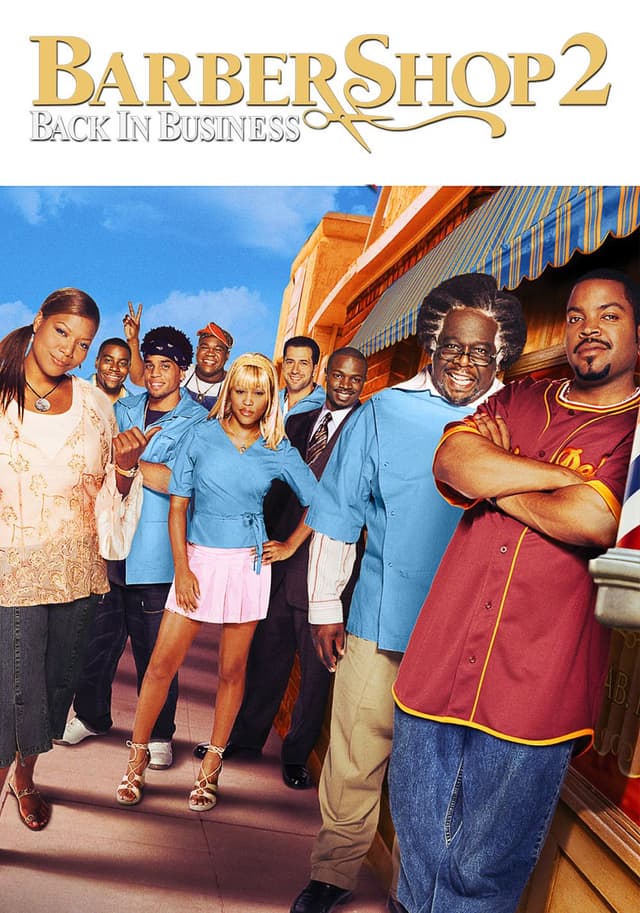
"Barbershop 2 Back in Business," a comedy released in 2004, was directed by Kevin Rodney Sullivan and stars Ice Cube, Cedric the Entertainer. The production budget was $18,000,000, placing it in the low-budget range for comedy productions of its era.
Key Budget Allocation Categories
While specific budget breakdowns are not publicly available, typical cost drivers for a comedy production like this include:
- Talent Salaries & Producing Deals: Established comedic talent can command $15 to 20 million per film, with top-tier stars earning even more through producing credits and backend deals.
- Production & Location Filming: While comedies generally avoid the VFX costs of action films, location shooting in recognizable cities or exotic locales adds meaningful production expense.
- Marketing & P&A (Prints & Advertising): Comedies rely heavily on marketing to build opening-weekend momentum.
- Music & Score: A soundtrack containing hip-hop and R&B music was released on February 3, 2004, by Interscope Records. It peaked at #18 on the Billboard 200 and #8 on the Top R&B/Hip-Hop Albums.
What were the major cost factors in Barbershop 2 Back in Business?
Several factors contributed to the overall production costs of "Barbershop 2 Back in Business."
- Talent Salaries: Talent Salaries & Producing Deals is one of the primary cost drivers in comedy productions of this scale.
- Production: Production & Location Filming is one of the primary cost drivers in comedy productions of this scale.
- Marketing: Marketing & P&A (Prints & Advertising) is one of the primary cost drivers in comedy productions of this scale.
How Does Barbershop 2 Back in Business's Budget Compare to Similar Films?
At $18,000,000, Barbershop 2 Back in Business sits in the low-budget range. Here is how it compares to productions with a similar budget:
- 127 Hours (2010): Budget $18,000,000, Worldwide Gross $35,700,000
- A Dog's Way Home (2019): Budget $18,000,000, Worldwide Gross $17,643,857
- Amadeus (1984): Budget $18,000,000, Worldwide Gross $90,007,557
- And So It Goes (2014): Budget $18,000,000, Worldwide Gross $25,312,387
- Ashfall (2019): Budget $17,700,000, Worldwide Gross $61,321,941
The median budget for wide-release comedy films in the 2000s ranges from $30 to 80M for mid-budget to $150M+ for tentpoles.
Barbershop 2 Back in Business Box Office Performance
"Barbershop 2 Back in Business" earned $65,111,277 domestically and $65,070,412 worldwide at the box office. Against a production budget of $18,000,000, the film performed strongly at the box office.
A film typically needs to earn approximately twice its production budget to cover marketing and distribution costs. For "Barbershop 2 Back in Business," that break-even threshold was roughly $36,000,000. With worldwide earnings of $65,070,412, the film cleared that threshold comfortably.
Box Office Breakdown
Barbershop 2: Back in Business

At 261.5%, "Barbershop 2 Back in Business" earned roughly $3.62 for every $1 invested in production.
Barbershop 2 Back in Business Production History
A soundtrack containing hip-hop and R&B music was released on February 3, 2004, by Interscope Records. It peaked at #18 on the Billboard 200 and #8 on the Top R&B/Hip-Hop Albums.
Awards and Recognition
2 wins & 10 nominations total
Critical Reception
On Rotten Tomatoes, the film has an approval rating of 69% based on reviews from 127 critics, with an average rating of 6.30/10. The site's critical consensus reads, "The humor is less sharp and more warm-hearted this time around, and the characters are enjoyable to revisit." On Metacritic, the film has a score of 59 out of 100 based on reviews from 34 critics. Audiences surveyed by CinemaScore gave the film a grade "A-" on scale of A to F.
Frequently Asked Questions
How much did Barbershop 2: Back in Business cost to make?
The production budget was $25,000,000. MGM and State Street Pictures produced the sequel, raising the budget modestly from the $12,000,000 of Barbershop (2002) to accommodate a larger ensemble cast and expanded location work.
How much did Barbershop 2 earn at the box office?
The film grossed $65,111,329 domestically and $1,400,000 internationally, for a worldwide total of approximately $66,500,000. It opened to $24,234,000 on February 6, 2004, debuting first at the box office and topping the weekend chart.
Who stars in Barbershop 2: Back in Business?
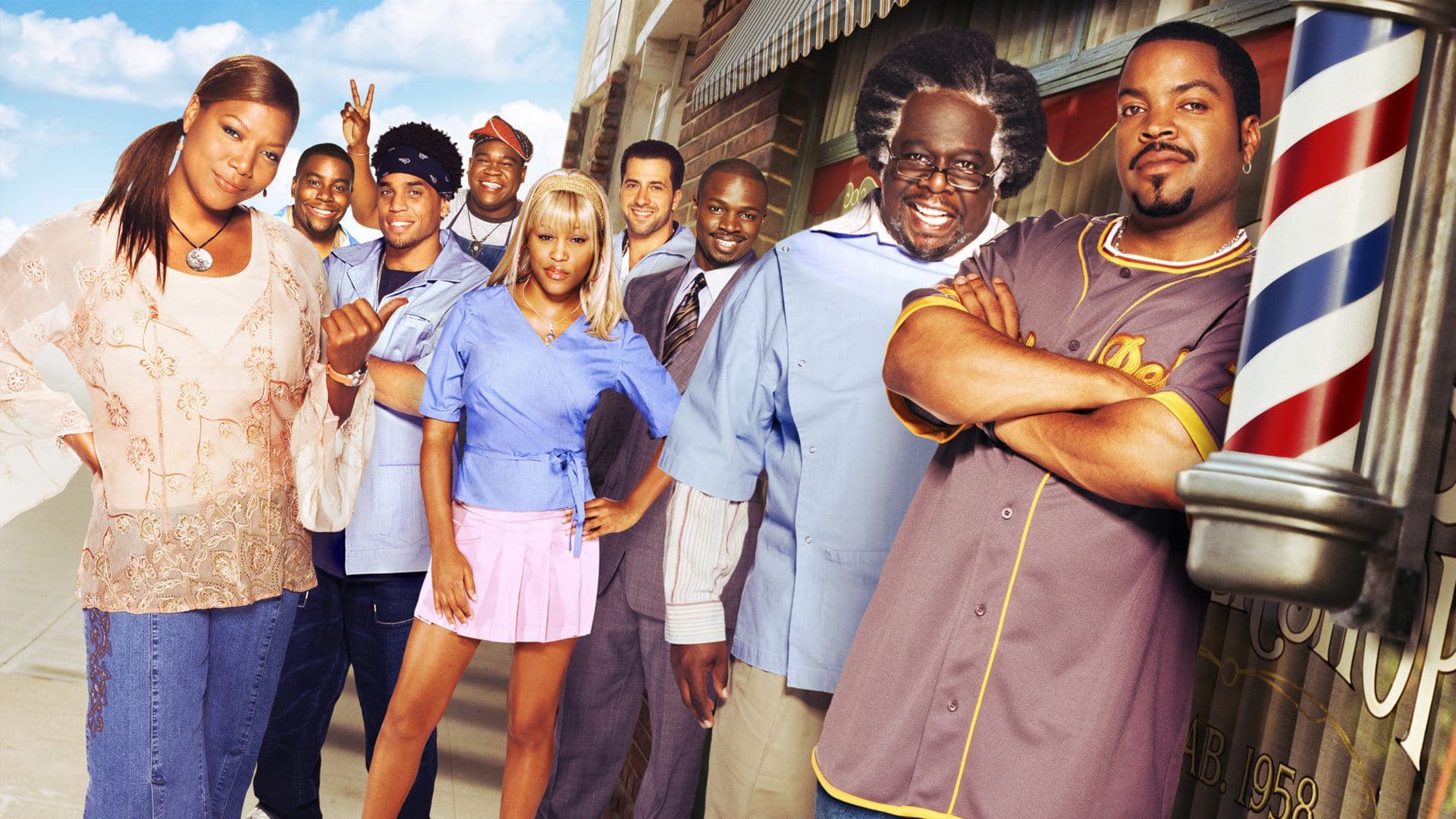
Ice Cube returns as Calvin Palmer Jr., with Cedric the Entertainer reprising the controversial barber Eddie. Returning ensemble cast includes Sean Patrick Thomas, Eve, Troy Garity, Michael Ealy, and Leonard Earl Howze. Queen Latifah joins as Gina, setting up the Beauty Shop spin-off.
Who directed Barbershop 2?
Kevin Rodney Sullivan directed the sequel, replacing Tim Story from the original. Sullivan had previously directed How Stella Got Her Groove Back (1998, $20,000,000 budget, $39,200,000 worldwide). Tim Story moved on to direct Taxi (2004) and Fantastic Four (2005).
Where was Barbershop 2 filmed?
Principal photography took place in Chicago, where the original was set, taking advantage of Illinois locations for the South Side neighborhood scenes. The film returned to the original barbershop set on Chicago's 79th Street, which had become a minor landmark after the first film.
What did critics think of Barbershop 2?
Reviews were mixed-to-positive, with a 53% approval rating on Rotten Tomatoes and a 55 out of 100 score on Metacritic. Critics praised the ensemble chemistry and the addition of Queen Latifah but objected to a less focused storyline compared to the original.
Was Barbershop 2 profitable?
Yes, decisively. Against the $25,000,000 production budget and an estimated $25,000,000 in marketing spend, the worldwide gross of $66,500,000 produced a clear theatrical profit. Strong home video, cable, and later streaming revenue extended profitability substantially.
How does Barbershop 2 compare to the original?
Barbershop 2 grossed $66,500,000 worldwide against $77,100,000 for Barbershop (2002), a modest decline despite the budget increase. Both films delivered solid theatrical profit and seeded the later Barbershop: The Next Cut (2016, $20,000,000 budget, $55,500,000 worldwide) and Beauty Shop (2005) spin-off.
Did Cedric the Entertainer return as Eddie?
Yes. Cedric the Entertainer reprised Eddie, the elderly barber whose racially provocative monologues sparked public controversy after the first film when civil-rights groups including Jesse Jackson's Rainbow PUSH Coalition objected to references to Rosa Parks and Martin Luther King Jr. The sequel toned down the most controversial commentary.
Where can I stream Barbershop 2?
The film is available for digital purchase and rental on Amazon Prime Video, Apple TV, and Google Play. It has rotated through MGM+, Paramount+, and Pluto TV on subscription and ad-supported tiers since its 2004 home video debut.
Official Trailer
Build budgets like this one in Saturation
Start from an industry-standard feature film template, import the schedule and rates you already have, and let the cost report keep itself current as you spend. Real-time collaboration, no spreadsheets.