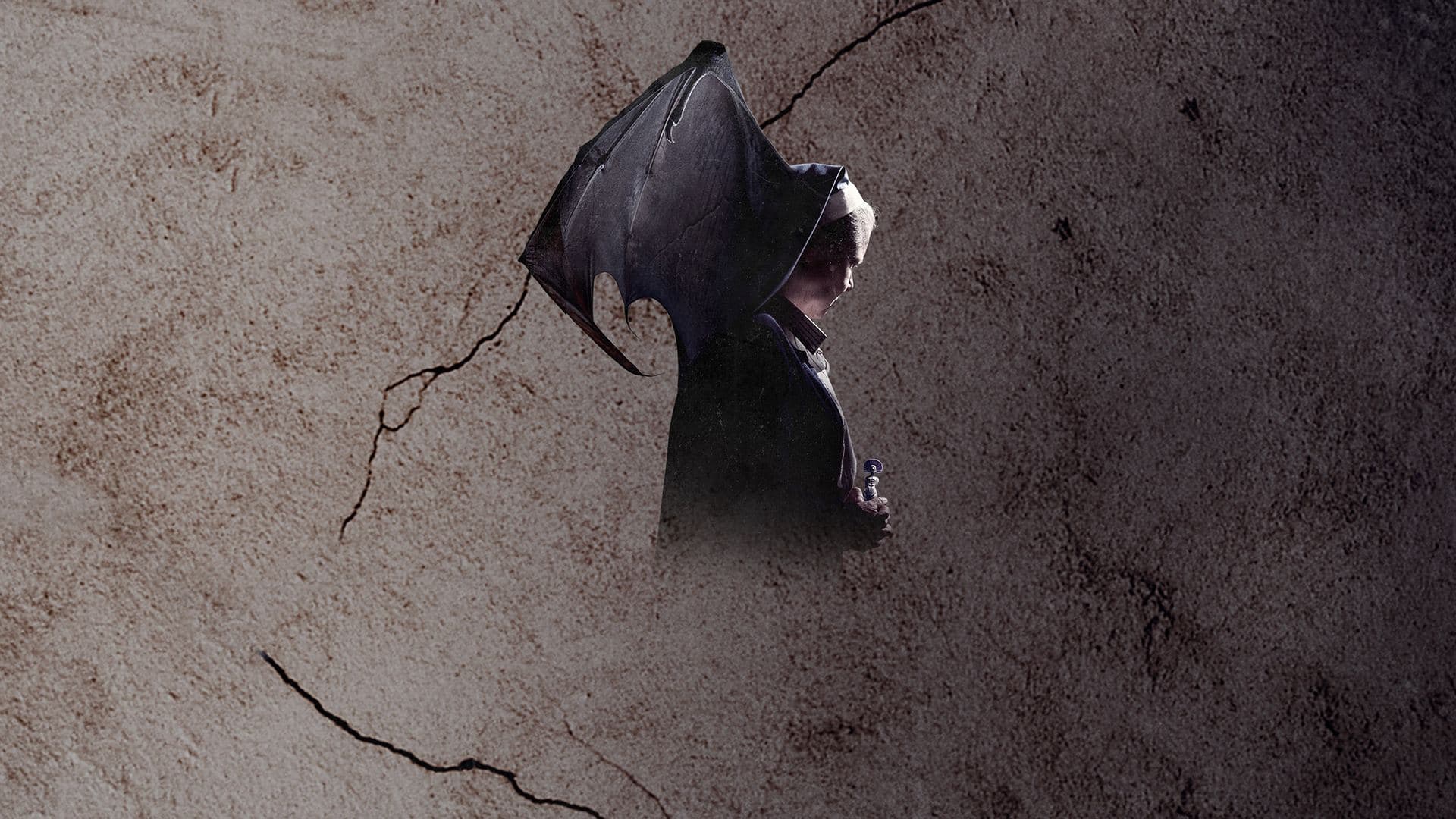
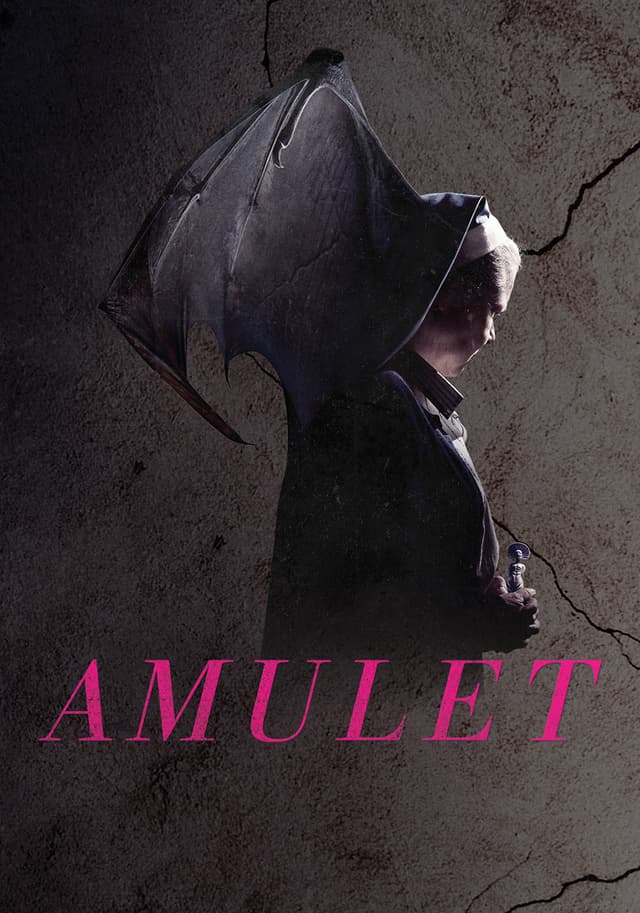
Amulet Budget
 Horror1h 39m
Updated
Synopsis
A homeless former soldier haunted by his time in a vague Eastern European border conflict is offered shelter by a nun in exchange for helping a young woman care for her dying mother in a crumbling London townhouse. As the house reveals its secrets, the lines between trauma, complicity, and supernatural punishment dissolve.
What Is the Budget of Amulet (2020)?
Amulet (2020), the directorial debut of actress Romola Garai and distributed in the United States by Magnolia Pictures, was produced as a low-budget British folk-horror feature. Production cost has not been formally disclosed, but it is widely reported in the $2,000,000 to $4,000,000 range based on the contained London-house setting, the modest cast, and the BFI co-financing model typical for first-feature BFI Film Fund support.
Financing came primarily from the BFI Film Fund, BBC Films (now BBC Film), and equity from production company Wellington Films, with Magnolia Pictures acquiring US distribution rights out of the 2020 Sundance Film Festival Midnight section. The deal was the standard Sundance-Magnolia midnight-genre acquisition profile of the period, with Magnolia handling US theatrical and streaming distribution at a fee level that closed the financing gap for the producers.
Key Budget Allocation Categories
Amulet's budget was distributed across several core production areas:
- Cast Compensation: Carla Juri (Tomaz), Imelda Staunton (Sister Claire), and Alec Secareanu (the mother) led the principal cast, with Staunton bringing the most established UK industry profile to the financing. All three worked at rates appropriate to the BFI-Film-Fund first-feature budget tier.
- London Location and Set Build: The central crumbling London townhouse was a hybrid of practical location work and stage-built interiors. The production used a real London exterior with stage sets for the more elaborate interior horror set pieces involving water damage, mold, and creature work.
- Practical Effects and Creature Work: Amulet relies heavily on practical creature effects, including the bat-like infant prosthetic that becomes central to the third-act reveal. Prosthetics designer Cliff Wallace and a small effects unit handled the creature builds and the body-horror gags.
- Production Design: Designer Francesca Massariol built the layered ruin of the townhouse interior, dressed with extensive water damage, decaying organic matter, and a constructed kitchen that hosted the film most memorable practical set piece. The design budget represented a meaningful share of the total cost.
- Cinematography Package: Cinematographer Laura Bellingham shot the film with a deliberately constrained palette and natural-light staging, with most lighting concentrated in the candle-lit interiors. The minimal lighting package supported the low-budget aesthetic without compromising the gothic tone.
- Score and Sound Design: Composer Sarah Angliss scored the film with a sparse string-and-electronics package that supported the atmospheric horror tone and kept music spotting selective rather than wall-to-wall.
How Does Amulet's Budget Compare to Similar Films?
Amulet sits within the BFI-Film-Fund first-feature horror tier and the Sundance Midnight folk-horror category of the late 2010s and early 2020s:
- Saint Maud (2019): Budget approximately $1,500,000 | Worldwide $1,400,000. Rose Glass BFI-backed first feature is the closest direct comparable: another Sundance-acquired British religious-horror debut from the same window, with comparable budget and similar Magnolia and A24 specialty-distribution profile.
- The Witch (2015): Budget approximately $3,500,000 | Worldwide $40,423,945. Robert Eggers Sundance-acquired folk-horror debut shows the upper-tier outcome the Amulet financiers were chasing, having earned more than 10x its production cost worldwide via A24 theatrical and ancillary distribution.
- Censor (2021): Budget approximately $1,000,000 | Worldwide $362,000. Prano Bailey-Bond BFI-backed first feature from the following year occupied the same budget tier and confirmed the structural reality that BFI-track first features rarely recoup theatrically.
- Apostle (2018): Budget approximately $15,000,000 | Netflix release. Gareth Evans pagan-island folk-horror cost roughly 5x to 7x Amulet and went to Netflix rather than the theatrical-specialty path, illustrating the budget-tier divergence within UK folk-horror.
Amulet Box Office Performance
Amulet premiered at the 2020 Sundance Film Festival in January. Magnolia Pictures opened the film in limited US theatrical and on-demand release on July 24, 2020, in the depths of the COVID-19 theatrical shutdown, with the film going wide on digital platforms. The film grossed approximately $5,000 in its limited US theatrical run and earned an undisclosed but modest figure through digital and ancillary platforms.
Box Office Breakdown
Amulet

On a pure theatrical-revenue basis, Amulet did not recoup. The film commercial profile was shaped by the pandemic-era specialty-distribution collapse and the limited home-video market for first-feature British folk-horror.
For the producers, the BFI, BBC, and Magnolia fee structure delivered recoupment on the negative cost. The film primary long-term value has been as a calling-card debut for Romola Garai as a director (she went on to direct further features and television in the 2021-2025 window) and for Carla Juri in her first English-language lead.
Amulet Production History
Romola Garai wrote and developed Amulet over several years through Wellington Films and the BFI Film Fund development pipeline, with BBC Films joining the financing during pre-production. Garai, an established actress with credits including Atonement, The Hour, and The Crimson Petal and the White, used the project to transition into directing, with experienced UK indie producers Maggie Monteith and Matthew James Wilkinson handling production.
Principal photography ran in London in 2019 over a tightly scheduled six-week shoot, with the production using a real Hackney townhouse exterior and a stage-built interior set for the more elaborate horror sequences. The compact shoot was structured around the cast availability and the BFI Film Fund schedule.
Post-production wrapped in late 2019 ahead of the Sundance 2020 Midnight section premiere. Magnolia Pictures acquired US rights at the festival, but the COVID-19 pandemic theatrical closures upended the planned wide theatrical rollout, and the July 2020 release moved primarily to on-demand digital channels.
Awards and Recognition
Amulet received no major awards recognition. The film was not nominated at the BIFAs in any of the main categories, though Romola Garai received a special citation at the Sundance and a number of women-in-genre awards at smaller festivals. It also did not factor at the BAFTAs, the Saturn Awards, or the Fangoria Chainsaw Awards.
The film won the Sitges Film Festival Best Editing Award in 2020 and received nominations at the Brooklyn Horror Film Festival and the Fantasporto festival. The festival circuit awards profile was modest but consistent with the BFI-Film-Fund first-feature horror category typical recognition pattern.
Critical Reception
Amulet received mixed-to-positive reviews. The film holds a 64% approval rating on Rotten Tomatoes based on 88 critic reviews, with a Metacritic score of 64 out of 100 indicating generally favorable reviews. The Rotten Tomatoes audience score was 25%, a sharp divergence from the critic figure that reflected the deliberately slow pace and ambiguous metaphysics of the film, which proved divisive for mainstream horror audiences.
Praise centered on the practical creature effects, the Carla Juri lead performance, and the bold third-act reveal that genre critics widely interpreted as a feminist reframe of folk-horror moral universe. The Romola Garai direction drew strong notices as a debut, with critics consistently highlighting the deliberate compositional control.
The Guardian Mark Kermode called it a sustained exercise in atmospheric dread, and IndieWire David Ehrlich wrote that the film final movement reframes the entire experience in a way that few horror debuts achieve. The lower audience score reflected a structural mismatch between the slow-build folk-horror sensibility and the broader horror-streaming-audience expectations rather than a quality issue.
Frequently Asked Questions
How much did Amulet (2020) cost to make?
Production cost has not been formally disclosed but is widely reported in the $2,000,000 to $4,000,000 range based on the contained London-house setting, the modest cast, and the BFI co-financing model typical for first-feature BFI Film Fund support.
Who directed Amulet?
Romola Garai directed the film, her feature directorial debut. Garai is an established British actress with credits including Atonement, The Hour, and The Crimson Petal and the White, and used the Amulet project to transition into directing.
Did Amulet get a theatrical release?
Magnolia Pictures opened the film in limited US theatrical and on-demand release on July 24, 2020, in the depths of the COVID-19 theatrical shutdown. The film grossed approximately $5,000 in its limited US theatrical run and earned a modest figure through digital and ancillary platforms.
Where was Amulet filmed?
Principal photography ran in London in 2019 over a six-week shoot. The production used a real Hackney townhouse exterior and a stage-built interior set for the more elaborate horror sequences. The setting is implied to be present-day London with an unspecified Eastern European backstory for the lead character.
Who stars in Amulet?
Carla Juri plays Tomaz, a former soldier offered shelter in the haunted house. Imelda Staunton plays Sister Claire, the nun who brings him to the house. Alec Secareanu, Anah Ruddin, and Angeliki Papoulia round out the principal cast.
Is Amulet based on a true story?
No. The film is original fiction written by Romola Garai. The unspecified Eastern European border conflict referenced in the lead character backstory is also fictional, allowing the film to operate in a folk-horror register without anchoring to a specific historical event.
What did critics say about Amulet?
Reviews were mixed-to-positive. The film holds a 64% Rotten Tomatoes approval rating from 88 critics and a 64 Metacritic score. Praise centered on the practical creature effects, Carla Juri lead performance, and the bold third-act reveal. The lower 25% audience score reflected the deliberately slow pace.
Did Amulet win any awards?
The film won the Sitges Film Festival Best Editing Award in 2020 and received nominations at the Brooklyn Horror Film Festival and Fantasporto. It was not nominated at the BIFAs, BAFTAs, Saturn Awards, or Fangoria Chainsaw Awards.
What is the meaning of the ending of Amulet?
The third-act reveal recontextualizes the relationship between the lead and the women in the house, with the film widely interpreted by genre critics as a feminist reframe of folk-horror moral universe. The specific resolution is best experienced unspoiled, but the ending pivots the entire interpretation of the earlier scenes.
How long is Amulet?
The Magnolia Pictures theatrical cut of Amulet runs 99 minutes, with the same cut used for streaming and home-video releases. There is no extended or director cut in circulation.
Filmmakers
Amulet

Official Trailer
Build budgets like this one in Saturation
Start from an industry-standard feature film template, import the schedule and rates you already have, and let the cost report keep itself current as you spend. Real-time collaboration, no spreadsheets.