Alice Through the Looking Glass Budget
 AdventureFamilyFantasy1h 53m
Updated
Synopsis
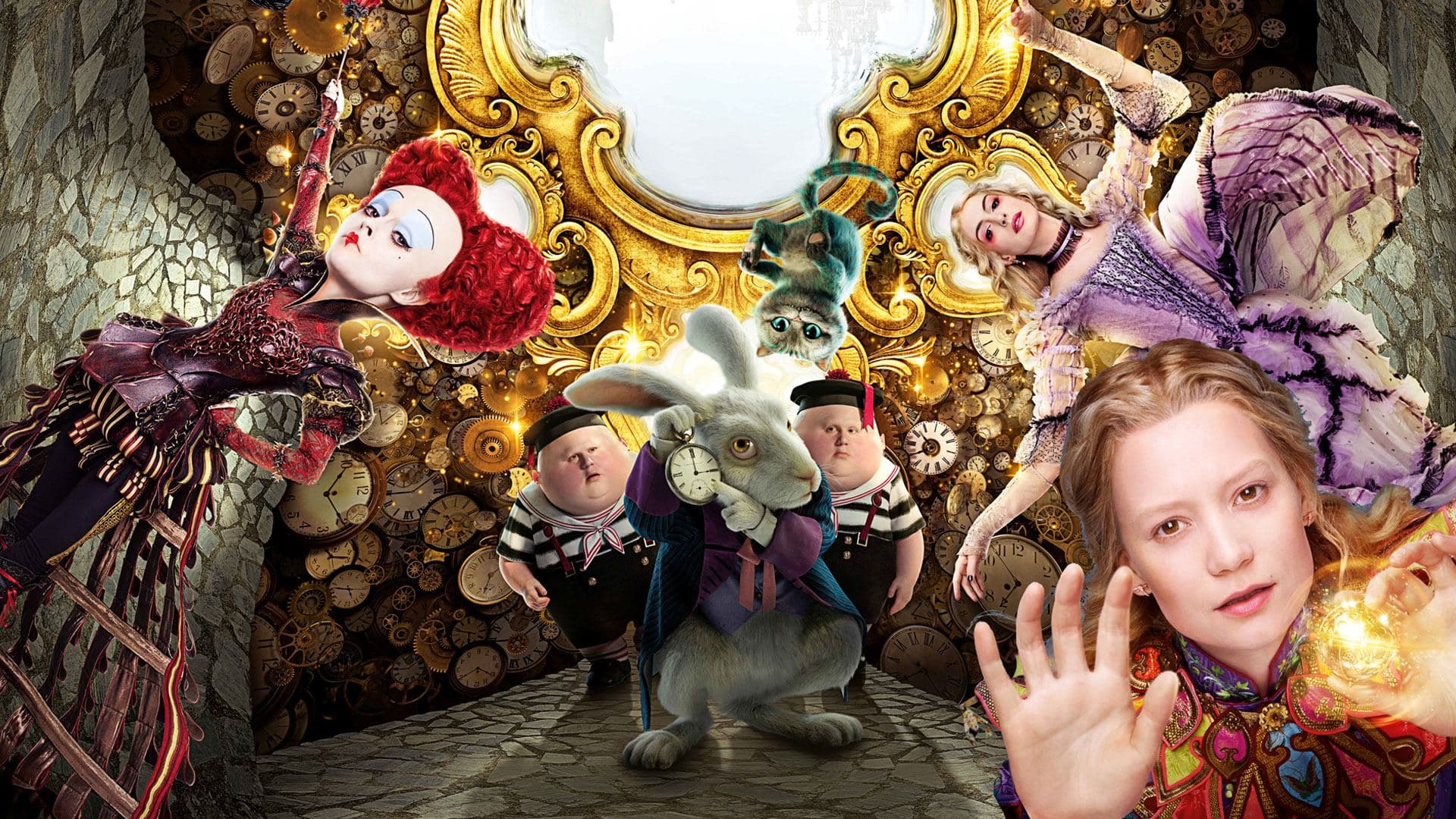
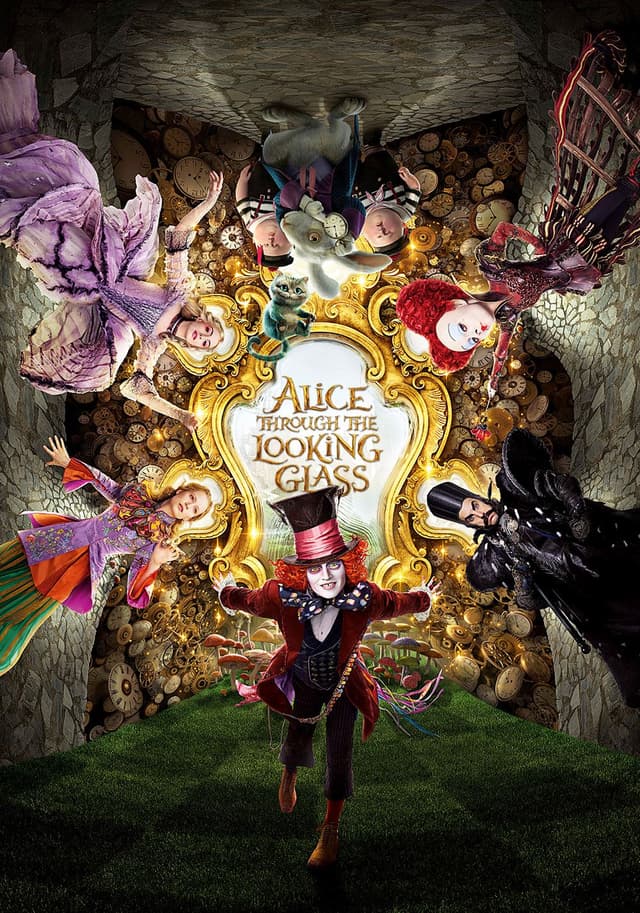
Alice returns to the whimsical world of Underland and travels back in time to save the Mad Hatter.
What is the budget of Alice Through the Looking Glass?
"Alice Through the Looking Glass," an adventure released in 2016, was directed by James Bobin and stars Mia Wasikowska, Johnny Depp. The production budget was $170,000,000, placing it in the blockbuster range for adventure productions of its era.
Key Budget Allocation Categories
While specific budget breakdowns are not publicly available, typical cost drivers for an adventure production like this include:
- Stunts, Action Sequences & Visual Effects: Action films allocate a substantial portion of their budget to choreographing and executing practical stunts, pyrotechnics, and CGI-heavy sequences.
- Above-the-Line Talent (Cast & Director): A-list talent commands significant upfront fees plus backend participation.
- Production Design, Sets & Locations: Action films frequently require multiple international shooting locations, large-scale set construction, vehicle acquisitions and modifications, and specialized equipment , all of which drive production costs well above those of dialogue-driven genres.
- Development: The film was announced via Variety in December 2012.
What were the major cost factors in Alice Through the Looking Glass?
Several factors contributed to the overall production costs of "Alice Through the Looking Glass."
- Stunts: Stunts, Action Sequences & Visual Effects is one of the primary cost drivers in adventure productions of this scale.
- Above-the-Line Talent (Cast: Above-the-Line Talent (Cast & Director) is one of the primary cost drivers in adventure productions of this scale.
- Production Design: Production Design, Sets & Locations is one of the primary cost drivers in adventure productions of this scale.
How Does Alice Through the Looking Glass's Budget Compare to Similar Films?
At $170,000,000, Alice Through the Looking Glass sits in the blockbuster range. Here is how it compares to productions with a similar budget:
- 47 Ronin (2013): Budget $175,000,000, Worldwide Gross $151,783,839
- The Dark Knight (2008): Budget $185,000,000, Worldwide Gross $1,004,558,444
- Alexander (2004): Budget $155,000,000, Worldwide Gross $167,298,192
- 6 Underground (2019): Budget $150,000,000
- 2012 (2009): Budget $200,000,000, Worldwide Gross $791,217,826
The median budget for wide-release adventure films in the 2010s ranges from $30 to 80M for mid-budget to $150M+ for tentpoles.
Alice Through the Looking Glass Box Office Performance
"Alice Through the Looking Glass" earned $77,041,381 domestically and $299,457,024 worldwide at the box office. Against a production budget of $170,000,000, the film showed modest profitability in theatrical release.
A film typically needs to earn approximately twice its production budget to cover marketing and distribution costs. For "Alice Through the Looking Glass," that break-even threshold was roughly $340,000,000. With worldwide earnings of $299,457,024, the film fell short of that threshold but recouped its production costs in theatrical release.
Box Office Breakdown
Alice Through the Looking Glass

At 76.2%, "Alice Through the Looking Glass" returned its production investment but margin was tight after marketing and distribution costs.
Alice Through the Looking Glass Production History
The film was announced via Variety in December 2012. Bobin was first approached about the project while doing post-production work on Disney's Muppets Most Wanted. On January 21, 2014, the film was again retitled to Alice in Wonderland: Through the Looking Glass.
In July 2013, it was announced that Johnny Depp would return as the Hatter, with Mia Wasikowska's return confirmed the following November. In January 2014, Sacha Baron Cohen joined the cast to play Time. In May 2014, Rhys Ifans joined the cast to play Zanik Hightopp, the Mad Hatter's father.
Principal photography began on August 4, 2014, at Shepperton Studios. In August 2014, filming took place in Gloucester Docks, which included the use of at least four historic ships: Kathleen and May, Irene, Excelsior, and the Earl of Pembroke, the last of which was renamed The Wonder for filming. Principal photography ended on October 31, 2014.
Awards and Recognition
4 wins & 20 nominations total
Critical Reception
Rotten Tomatoes reports that of reviews are positive, and the average rating is . The website's critical consensus reads, "Alice Through the Looking Glass is just as visually impressive as its predecessor, but that isn't enough to cover for an underwhelming story that fails to live up to its classic characters." However, audiences polled by CinemaScore gave the film an average grade of "A-" on an A+ to F scale, the same grade earned by its predecessor, while those at PostTrak gave it an overall positive score of 79% and a "definite recommend" of 51%.
Frequently Asked Questions
How much did it cost to make Alice Through the Looking Glass (2016)?
The production budget was $170,000,000, covering principal photography, cast and crew salaries, locations, sets, post-production, and music. Marketing and distribution (P&A) costs are estimated at an additional $85,000,000 - $136,000,000, bringing the total studio investment to approximately $255,000,000 - $306,000,000.
How much did Alice Through the Looking Glass (2016) earn at the box office?
Alice Through the Looking Glass grossed $77,041,381 domestic, $222,415,643 international, totaling $299,457,024 worldwide.
Was Alice Through the Looking Glass (2016) profitable?
The film did not break even theatrically, earning $299,457,024 against an estimated $425,000,000 needed. Ancillary revenue may have improved the picture.
What were the biggest costs in producing Alice Through the Looking Glass?
The primary cost drivers were above-the-line talent (Mia Wasikowska, Johnny Depp, Anne Hathaway); visual effects, practical stunts, and A-list talent compensation; international production across United Kingdom, United States of America.
How does Alice Through the Looking Glass's budget compare to similar adventure films?
At $170,000,000, Alice Through the Looking Glass is classified as a big-budget production. The median budget for wide-release adventure films in the 2010s ranges from $30 - 80M for mid-budget to $150M+ for tentpoles. Comparable budgets: 47 Ronin (2013, $175,000,000); The Dark Knight (2008, $185,000,000); Alexander (2004, $155,000,000).
Did Alice Through the Looking Glass (2016) go over budget?
There are no widely reported accounts of significant budget overruns for this production. However, studios rarely disclose precise budget overrun figures publicly. The reported production budget reflects the final estimated cost.
What was the return on investment (ROI) for Alice Through the Looking Glass?
The theatrical ROI was 76.2%, calculated as ($299,457,024 − $170,000,000) ÷ $170,000,000 × 100. This measures gross revenue against production budget only - it does not account for P&A or exhibitor shares.
What awards did Alice Through the Looking Glass (2016) win?
4 wins & 20 nominations total.
Who directed Alice Through the Looking Glass and who were the key crew members?
Directed by James Bobin, written by Linda Woolverton, shot by Stuart Dryburgh, with music by Danny Elfman, edited by Andrew Weisblum.
Where was Alice Through the Looking Glass filmed?
Alice Through the Looking Glass was filmed in United Kingdom, United States of America. Principal photography began on August 4, 2014, at Shepperton Studios. In August 2014, filming took place in Gloucester Docks, which included the use of at least four historic ships: Kathleen and May, Irene, Excelsior, and the Earl of Pembroke, the last of which was renamed The Wonder for filming.
Filmmakers
Alice Through the Looking Glass

Official Trailer
Build budgets like this one in Saturation
Start from an industry-standard feature film template, import the schedule and rates you already have, and let the cost report keep itself current as you spend. Real-time collaboration, no spreadsheets.