A Dog's Will Budget
Updated
Synopsis
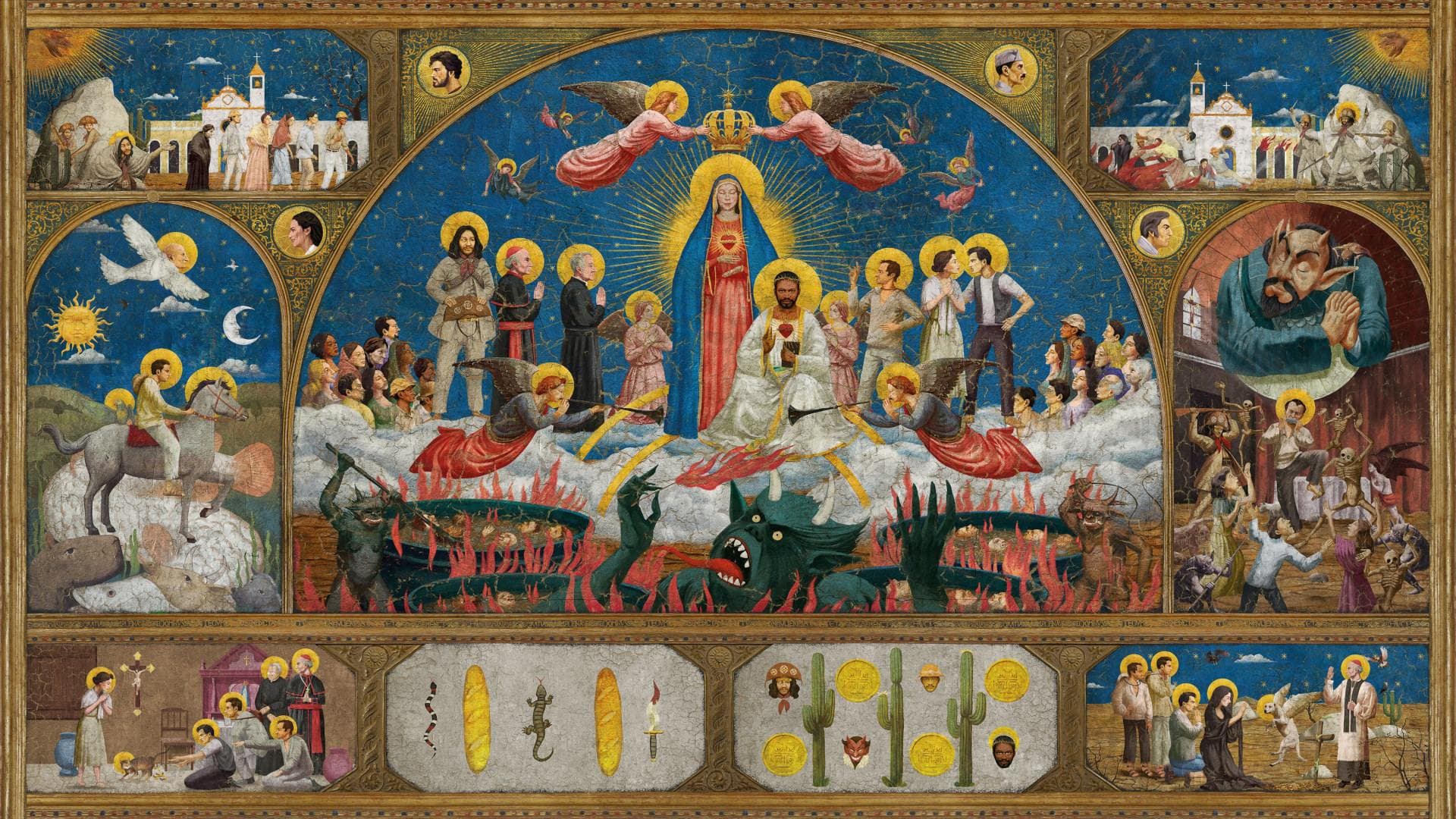
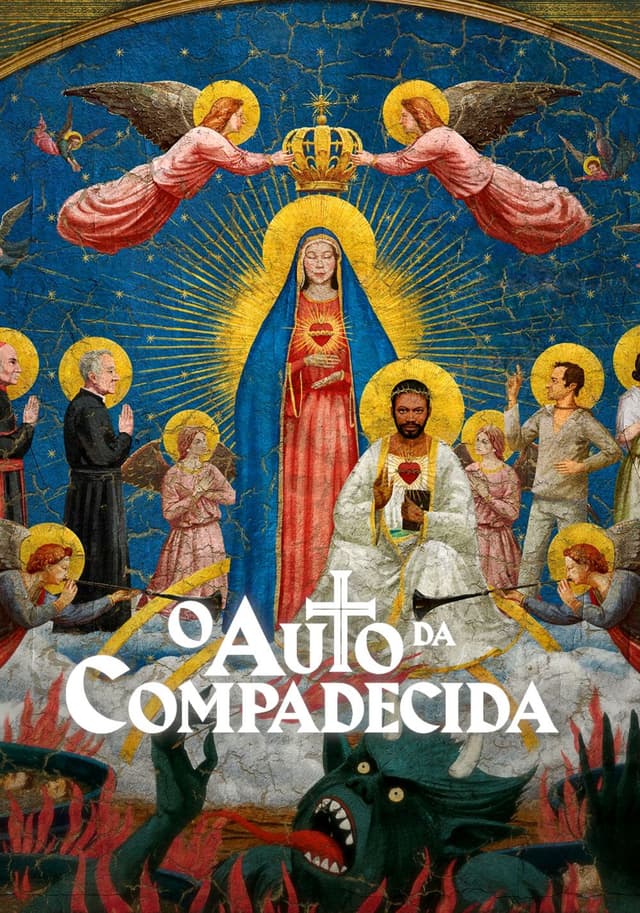
In the dusty backlands of 1930s Northeast Brazil, the trickster Joao Grilo and his friend Chico devise increasingly elaborate scams to survive among the corrupt clergy, the colonel ruling the town, and the visiting Cangaceiro outlaws. When death catches up with them, they find themselves on trial in the celestial court, where the Virgin Mary defends them as their advocate.
What Is the Budget of A Dog's Will (2000)?
A Dog's Will (2000, original title O Auto da Compadecida), directed by Guel Arraes and distributed by Sony Pictures Classics and Globo Filmes, was produced for a reported budget of approximately R$2,000,000 (around US$1,000,000 at 2000 exchange rates). The feature was developed as a theatrical reworking of a 1999 four-part Globo Television miniseries directed by Arraes, with most of the principal cast and crew rolling forward from the television production into the feature edit and additional theatrical photography.
Financing came through Globo Filmes (the film arm of TV Globo) and the Brazilian federal-government Audiovisual Law tax-incentive system, which encouraged private investment in Brazilian theatrical features during the post-1995 retomada (renaissance) of Brazilian cinema. Sony Pictures Classics handled international theatrical rights, and Globo Filmes anchored the Brazilian theatrical and television release strategy.
Key Budget Allocation Categories
A Dog's Will's budget was distributed across several core production areas:
- Cast Compensation: Matheus Nachtergaele (Joao Grilo) and Selton Mello (Chico) led the cast, supported by Marco Nanini (the Cangaceiro Severino), Denise Fraga (the Virgin Mary), Rogerio Cardoso, Diogo Vilela, and Lima Duarte. The principal cast all rolled forward from the 1999 Globo miniseries and worked at theatrical-budget-tier rates appropriate to the production scale.
- Pernambuco Location Shoot: Principal photography took place in the dry Sertao region of Pernambuco state in Northeast Brazil. The desert exteriors, period church interiors, and small-town backlands settings were captured at actual rural Pernambuco locations with minimal built-set work.
- Period Production Design: Designer Lia Renha (also rolling forward from the television production) handled the 1930s Sertao period dressing, including the church interior, the colonel mansion, the Cangaceiro encampment, and the central village square. The design was built primarily through dressing existing rural locations rather than constructing sets.
- Cinematography Package: Cinematographer Felix Monti (an Argentine collaborator) shot the film with a deliberately saturated palette emphasizing the Pernambuco-desert color register. The film also reused select footage from the 1999 Globo miniseries, which Arraes shot in the same locations with the same cast.
- Score and Music: Composer Antonio Madureira scored the film with a Brazilian-folkloric package emphasizing forro and Northeast Brazilian regional instrumentation. The score and the soundtrack contributed materially to the film cultural identity.
- Post-Production and Conform: A meaningful portion of the budget supported post-production, including the conforming of footage from the Globo miniseries with the new theatrical photography, the picture negative grade, and the theatrical sound mix that the original television cut had not required.
How Does A Dog's Will's Budget Compare to Similar Films?
A Dog's Will sits within the post-1995 Brazilian theatrical renaissance and the broader Globo Filmes commercial-Brazilian-feature category:
- Central Station (1998): Budget approximately $2,900,000 | Worldwide $5,964,468. Walter Salles Best Foreign Language Film Oscar nominee cost roughly 3x A Dog's Will budget and reached significantly wider international audiences. It became the post-renaissance benchmark for Brazilian theatrical-feature ambition.
- City of God (2002): Budget approximately $3,300,000 | Worldwide $30,640,000. Fernando Meirelles and Katia Lund Rio-favela epic cost roughly 3x A Dog's Will and grossed roughly 12x A Dog's Will worldwide, demonstrating the upper ceiling of post-renaissance Brazilian theatrical economics.
- Carandiru (2003): Budget approximately $5,000,000 | Worldwide $13,000,000. Hector Babenco prison drama cost about 5x A Dog's Will budget and was the highest-grossing Brazilian theatrical of 2003, illustrating the larger-scale Globo Filmes co-production ambition that A Dog's Will success helped enable.
- Lisbela and the Prisoner (2003): Budget approximately $1,500,000 | Worldwide $11,300,000. Guel Arraes follow-up Northeast Brazilian comedy cost about 50% more than A Dog's Will and grossed nearly 5x as much, building on the audience Arraes and Globo Filmes had cultivated with A Dog's Will.
A Dog's Will Box Office Performance
A Dog's Will opened in Brazil on September 22, 2000 and went on to become the second-highest-grossing Brazilian theatrical release of the year. The film grossed approximately R$5,000,000 (around US$2,500,000 at 2000 exchange rates) in Brazil with additional limited international theatrical earnings through the Sony Pictures Classics international distribution.
Box Office Breakdown
A Dog's Will

A Dog's Will returned approximately $1.45 to $1.65 in theatrical revenue for every $1 invested when measured against total estimated production and marketing spend. The figure reflects the Brazilian-market scale of the film commercial footprint, with international theatrical earnings remaining modest.
The longer-term commercial value of the film extended substantially beyond the theatrical run through television replays on Globo (the Brazilian network has run the film as a Holy Week and Christmas-week staple for more than two decades), home-video sales, and the ongoing cultural status of the Ariano Suassuna source material as a Brazilian literary touchstone.
A Dog's Will Production History
A Dog's Will originated as a 1999 four-part Globo Television miniseries directed by Guel Arraes, adapting Ariano Suassuna 1955 play Auto da Compadecida. The miniseries was a major Brazilian television success, and Globo Filmes greenlit the theatrical feature reworking immediately to capitalize on the audience the miniseries had built.
Principal photography for the theatrical-additional content took place in the Sertao region of Pernambuco state in Northeast Brazil in early 2000, with most of the original miniseries cast and crew returning. The theatrical edit combined newly shot material with selected footage from the 1999 miniseries, conformed and graded for theatrical exhibition.
The film opened in Brazil on September 22, 2000 to widespread critical acclaim and strong box-office performance. It became one of the defining films of the post-1995 retomada (renaissance) of Brazilian cinema and has remained a Brazilian cultural staple through Globo Television annual broadcasts for more than two decades.
Awards and Recognition
A Dog's Will won the Best Film award at the Grande Premio Cinema Brasil (the Brazilian-cinema industry top honor) in 2001, along with Best Director for Guel Arraes, Best Actor for Matheus Nachtergaele, Best Supporting Actor for Marco Nanini, Best Adapted Screenplay, Best Cinematography, and Best Production Design. The clean sweep of the major Grande Premio categories anchored the film year-end awards profile.
The film also won the Best Latin American Film award at the Mar del Plata International Film Festival and received numerous regional Brazilian film-critic prizes throughout 2000 and 2001. The Suassuna source material and the strong cast performances combined to deliver one of the most comprehensive awards profiles of the post-renaissance Brazilian cinema era.
Critical Reception
A Dog's Will received overwhelmingly positive reviews in Brazil and strong notices in the limited international theatrical markets where Sony Pictures Classics released the film. Brazilian critics consistently praised the Ariano Suassuna source material adaptation, the Matheus Nachtergaele and Selton Mello lead performances, and the Guel Arraes confident handling of the comedy-and-faith register. The film has consistently appeared on Brazilian critic year-end and decade-end best-of lists for the post-renaissance era.
International critics responded warmly. The New York Times A.O. Scott called it a vibrant comic adaptation of a classic Brazilian play, and Variety Robert Koehler praised the principal cast and the regional Northeast Brazilian setting. The international theatrical footprint was limited, but the critical reception established the film as a key example of post-renaissance Brazilian commercial-art-house success.
The film cultural footprint within Brazil has been substantial and sustained. Annual Globo Television broadcasts during Holy Week and the Christmas season have kept the film in heavy circulation for more than two decades, and the Joao Grilo and Chico characters have become widely referenced Brazilian-cultural figures. The Ariano Suassuna source material has also experienced renewed academic and theatrical interest in part because of the film sustained popularity.
Frequently Asked Questions
How much did A Dog's Will (2000) cost to make?
The reported production budget was approximately R$2,000,000 (around US$1,000,000 at 2000 exchange rates). The film was developed as a theatrical reworking of a 1999 four-part Globo Television miniseries, with most of the principal cast and crew rolling forward from the television production.
How much did A Dog's Will earn at the box office?
The film grossed approximately R$5,000,000 (around US$2,500,000 at 2000 exchange rates) in Brazil, with additional limited international theatrical earnings. It became the second-highest-grossing Brazilian theatrical release of 2000.
Is A Dog's Will based on a play?
Yes. The film adapts Ariano Suassuna 1955 play Auto da Compadecida (sometimes translated as A Dog's Will or The Rogue's Trial), a foundational work of mid-20th-century Brazilian literature. The play combines elements of medieval Iberian morality plays with Northeast Brazilian folklore.
Who directed A Dog's Will?
Guel Arraes directed the film. Arraes had previously directed the 1999 four-part Globo Television miniseries adaptation of the same source material, and the theatrical feature was developed as a reworking of that miniseries.
Where was A Dog's Will filmed?
Principal photography for the theatrical-additional content took place in the Sertao region of Pernambuco state in Northeast Brazil in early 2000. The desert exteriors, period church interiors, and small-town backlands settings were captured at actual rural Pernambuco locations with minimal built-set work.
Who stars in A Dog's Will?
Matheus Nachtergaele plays the trickster Joao Grilo, with Selton Mello as his friend Chico, Marco Nanini as the Cangaceiro Severino, Denise Fraga as the Virgin Mary, Rogerio Cardoso as the corrupt priest, and Lima Duarte as Christ. The full principal cast rolled forward from the 1999 Globo miniseries.
Did A Dog's Will win any awards?
Yes. The film won the Best Film award at the Grande Premio Cinema Brasil in 2001, along with Best Director, Best Actor, Best Supporting Actor, Best Adapted Screenplay, Best Cinematography, and Best Production Design. It also won the Best Latin American Film award at the Mar del Plata International Film Festival.
What is the cultural significance of A Dog's Will in Brazil?
The film is a Brazilian cultural staple. Annual Globo Television broadcasts during Holy Week and the Christmas season have kept the film in heavy circulation for more than two decades, and the Joao Grilo and Chico characters have become widely referenced Brazilian-cultural figures. The Ariano Suassuna source material has also experienced renewed interest because of the film sustained popularity.
What did critics think of A Dog's Will?
Reviews were overwhelmingly positive in Brazil and warmly received in international theatrical markets. The film has consistently appeared on Brazilian critic year-end and decade-end best-of lists for the post-renaissance era. The New York Times A.O. Scott and Variety Robert Koehler both filed positive notices.
Did A Dog's Will get a sequel?
A direct sequel, O Auto da Compadecida 2, was released in Brazil in late 2024, more than two decades after the original. Guel Arraes again directed, with Matheus Nachtergaele and Selton Mello returning in their original roles. The sequel premiered as a Christmas-season theatrical release in Brazil.
Filmmakers
A Dog's Will

Build budgets like this one in Saturation
Start from an industry-standard feature film template, import the schedule and rates you already have, and let the cost report keep itself current as you spend. Real-time collaboration, no spreadsheets.