300 Budget
 ActionAdventureWar1h 57m
Updated
Synopsis
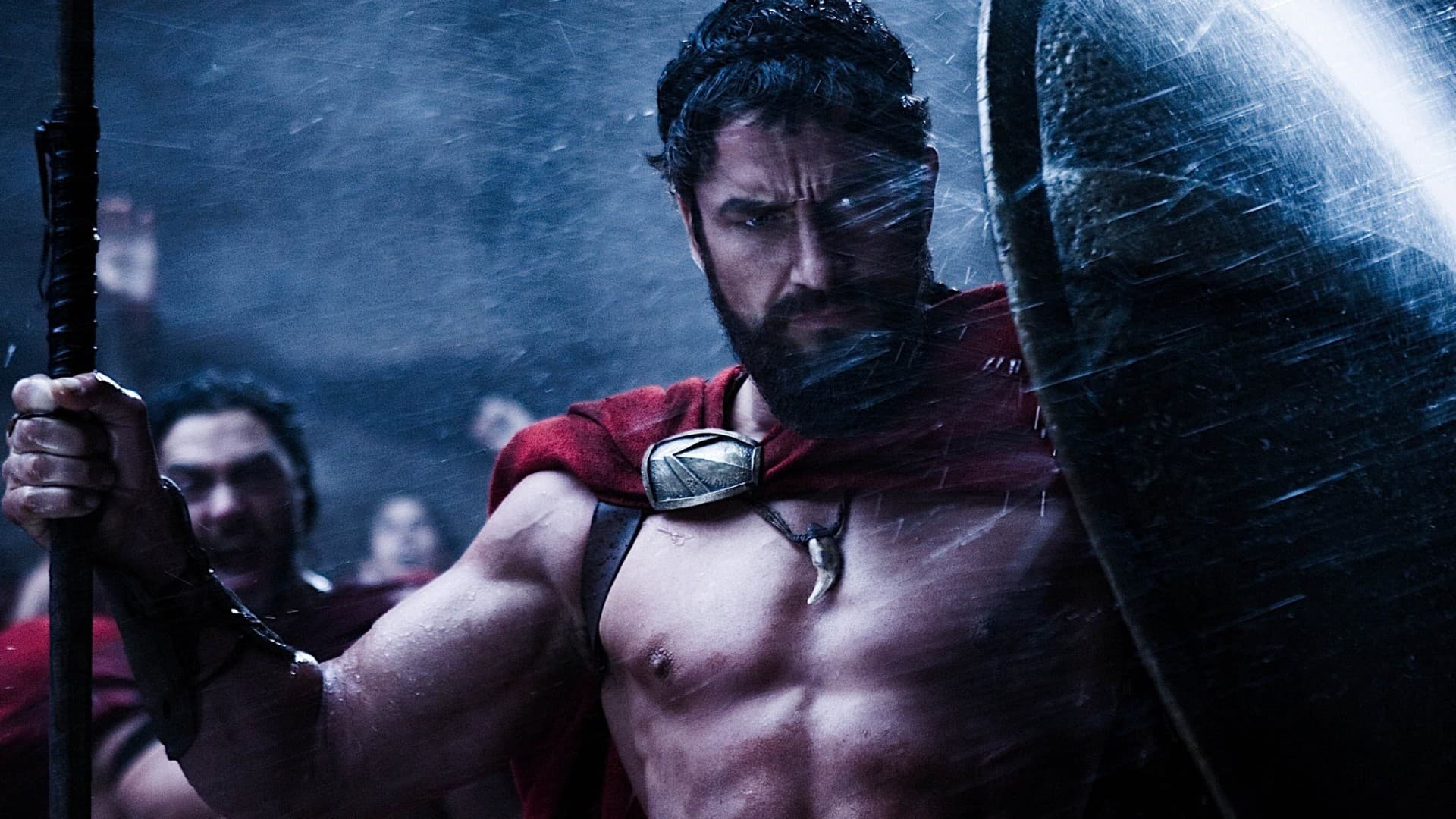
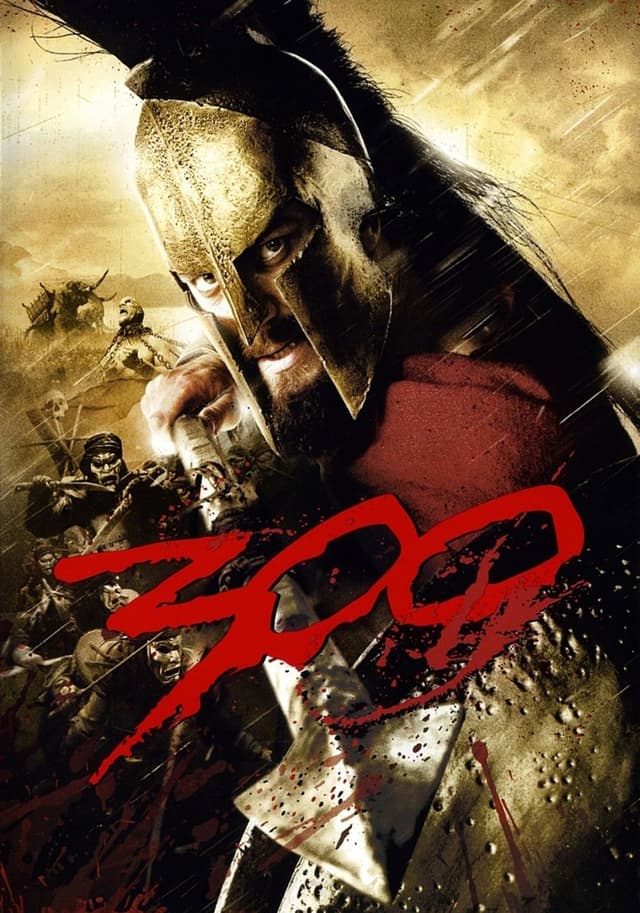
In 480 B.C. a state of war exists between Persia, led by King Xerxes, and Greece. At the Battle of Thermopylae, Leonidas, king of the Greek city state of Sparta, leads his badly outnumbered warriors against the massive Persian army. Though certain death awaits the Spartans, their sacrifice inspires all of Greece to unite against their common enemy.
What is the budget of 300?
"300," an action released in 2006, was directed by Zack Snyder and stars Gerard Butler, Lena Headey. The production budget was $65,000,000, placing it in the high-budget range for action productions of its era.
Key Budget Allocation Categories
While specific budget breakdowns are not publicly available, typical cost drivers for an action production like this include:
- Stunts, Action Sequences & Visual Effects: Action films allocate a substantial portion of their budget to choreographing and executing practical stunts, pyrotechnics, and CGI-heavy sequences.
- Above-the-Line Talent (Cast & Director): A-list talent commands significant upfront fees plus backend participation.
- Production Design, Sets & Locations: Action films frequently require multiple international shooting locations, large-scale set construction, vehicle acquisitions and modifications, and specialized equipment , all of which drive production costs well above those of dialogue-driven genres.
- Filming & Locations: 300 entered active production on October 17, 2005, in Montreal, and was shot over the course of sixty days Employing the digital backlot technique, Snyder shot at the now-defunct Icestorm Studios in Montreal using bluescreens.
What were the major cost factors in 300?
Several factors contributed to the overall production costs of "300."
- Stunts: Stunts, Action Sequences & Visual Effects is one of the primary cost drivers in action productions of this scale.
- Above-the-Line Talent (Cast: Above-the-Line Talent (Cast & Director) is one of the primary cost drivers in action productions of this scale.
- Production Design: Production Design, Sets & Locations is one of the primary cost drivers in action productions of this scale.
How Does 300's Budget Compare to Similar Films?
At $65,000,000, 300 sits in the high-budget range. Here is how it compares to productions with a similar budget:
- 2 Guns (2013): Budget $61,000,000, Worldwide Gross $131,940,411
- 15 Minutes (2001): Budget $60,000,000, Worldwide Gross $56,359,980
- 16 Blocks (2006): Budget $55,000,000, Worldwide Gross $65,664,721
- 28 Days (2000): Budget $43,000,000, Worldwide Gross $62,198,945
The median budget for wide-release action films in the 2000s ranges from $30 to 80M for mid-budget to $150M+ for tentpoles.
300 Box Office Performance
"300" earned $210,629,101 domestically and $456,082,343 worldwide at the box office. Against a production budget of $65,000,000, the film performed strongly at the box office.
A film typically needs to earn approximately twice its production budget to cover marketing and distribution costs. For "300," that break-even threshold was roughly $130,000,000. With worldwide earnings of $456,082,343, the film cleared that threshold comfortably.
Box Office Breakdown
300

At 601.7%, "300" earned roughly $7.02 for every $1 invested in production.
300 Production History
300 entered active production on October 17, 2005, in Montreal, and was shot over the course of sixty days Employing the digital backlot technique, Snyder shot at the now-defunct Icestorm Studios in Montreal using bluescreens. Gerard Butler said that while he did not feel constrained by Snyder's direction, fidelity to the comic imposed certain limitations on his performance. David Wenham said there were times when Snyder wanted to precisely capture iconic moments from the comic book, and other times when he gave actors freedom "to explore within the world and the confines that had been set".
In July 2005, composer Tyler Bates began work on the film, describing the score as having "beautiful themes on the top and large choir", but "tempered with some extreme heaviness". The composer had scored for a test scene that the director wanted to show to Warner Bros. to illustrate the path of the project.
Awards and Recognition
19 wins & 57 nominations total
- Saturn Award for Best Action or Adventure Film
- Satellite Award for Best Visual Effects: Chris Watts
- Satellite Award for Best Visual Effects
- Saturn Award for Best Director: Zack Snyder
Critical Reception
The film received a standing ovation at its world premiere in front of 1,700 audience members at the Berlin International Film Festival on February 14, 2007. It had been panned at a press screening hours earlier, where many attendees left during the showing and those who remained booed at the end.
Frequently Asked Questions
How much did it cost to make 300 (2007)?
The production budget was $65,000,000, covering principal photography, visual effects, cast and crew salaries, locations, sets, post-production, and music. Marketing and distribution (P&A) costs are estimated at an additional $32,500,000 - $52,000,000, bringing the total studio investment to approximately $97,500,000 - $117,000,000.
How much did 300 (2007) earn at the box office?
300 grossed $210,629,101 domestic, $245,453,242 international, totaling $456,082,343 worldwide.
Was 300 (2007) profitable?
Yes. Against a production budget of $65,000,000 and estimated total costs of ~$162,500,000, the film earned $456,082,343 theatrically - a 602% ROI on production costs alone.
What were the biggest costs in producing 300?
The primary cost drivers were above-the-line talent (Gerard Butler, Lena Headey, Dominic West); visual effects, practical stunts, and A-list talent compensation.
How does 300's budget compare to similar action films?
At $65,000,000, 300 is classified as a mid-budget production. The median budget for wide-release action films in the 2000s ranges from $30 - 80M for mid-budget to $150M+ for tentpoles. Comparable budgets: 2 Guns (2013, $61,000,000); 15 Minutes (2001, $60,000,000); 16 Blocks (2006, $55,000,000).
Did 300 (2007) go over budget?
There are no widely reported accounts of significant budget overruns for this production. However, studios rarely disclose precise budget overrun figures publicly. The reported production budget reflects the final estimated cost.
What was the return on investment (ROI) for 300?
The theatrical ROI was 601.7%, calculated as ($456,082,343 − $65,000,000) ÷ $65,000,000 × 100. This measures gross revenue against production budget only - it does not account for P&A or exhibitor shares.
What awards did 300 (2007) win?
19 wins & 57 nominations total.
Who directed 300 and who were the key crew members?
Directed by Zack Snyder, written by Zack Snyder, Kurt Johnstad, Michael B. Gordon, shot by Larry Fong, with music by Tyler Bates, edited by William Hoy.
Where was 300 filmed?
300 was filmed in United States of America. 300 entered active production on October 17, 2005, in Montreal, and was shot over the course of sixty days Employing the digital backlot technique, Snyder shot at the now-defunct Icestorm Studios in Montreal using bluescreens. Gerard Butler said that while he did not feel constrained by Snyder's direction, fidelity to the comic imposed certain limitations on his performance.
Filmmakers
300

Official Trailer
Build budgets like this one in Saturation
Start from an industry-standard feature film template, import the schedule and rates you already have, and let the cost report keep itself current as you spend. Real-time collaboration, no spreadsheets.