3 Women Budget
Updated
Synopsis
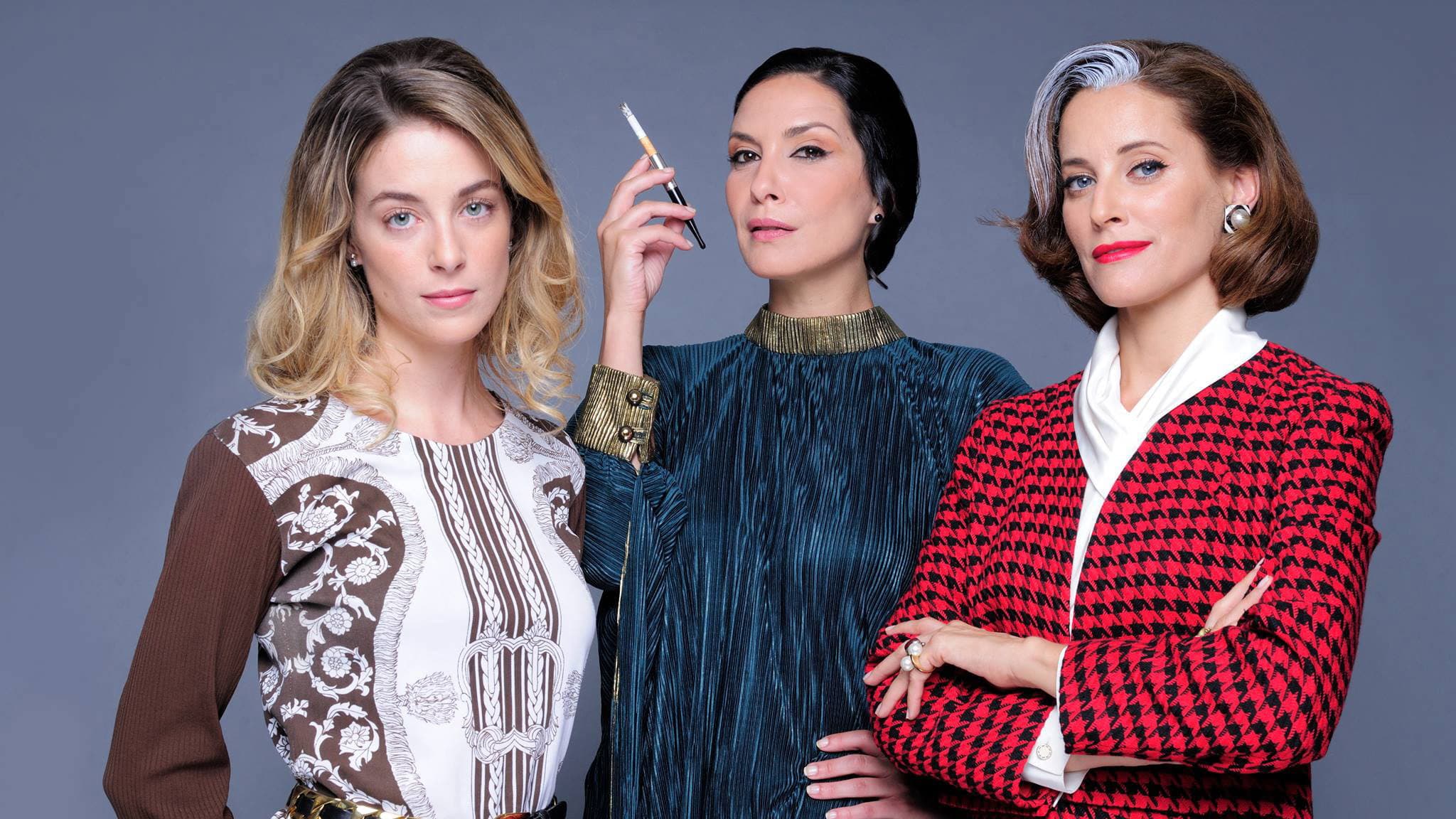
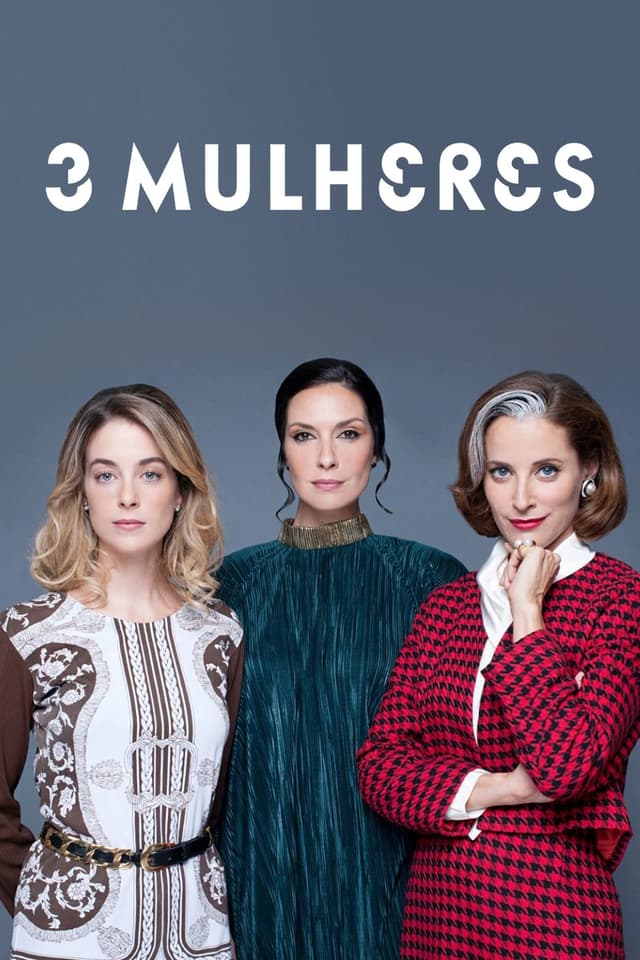
Three Women (2018) is an independent crime drama miniseries that follows the interconnected lives of three female protagonists, a detective, a businesswoman, and an assassin, as each struggles to deal with loss, regret, and coming to terms with the lives they have been forced to lead. Written and directed by Marcus O'Leary and starring Bree Rosen, Nathalie Amélie, and Elodie Rose, the show is a self-financed independent miniseries released through limited digital distribution channels in 2018.
What Is the Budget of Three Women (2018)?
Three Women (2018), the indie crime drama miniseries written and directed by Marcus O'Leary and produced through O'Leary's independent production label, was made on an estimated production budget of approximately $250,000 to $500,000 in 2017 to 2018 US dollar terms. Specific production budgets are not publicly disclosed, but the figures align with comparable self-financed independent crime drama miniseries of the period and the show's production scale (a small contained cast, primarily interior practical locations, and limited principal photography duration).
The production was financed primarily through private equity and O'Leary's independent slate, with no major broadcaster or streaming-platform pre-sale. The show was conceived as an indie crime drama miniseries that examined the interconnected lives of three protagonists, a detective, a businesswoman, and an assassin, as each struggled to deal with loss, regret, and coming to terms with the lives they had been forced to lead. The independent production model and the absence of a major-platform commission kept the budget tight relative to network or streaming crime drama benchmarks of the period.
Key Budget Allocation Categories
Three Women's tight independent budget broke down across the cost centres typical of a self-financed crime drama miniseries:
- Above-the-Line Talent: Writer-director Marcus O'Leary commanded a deferred-payment structure typical of independent self-financed production. The three leads, Bree Rosen, Nathalie Amélie, and Elodie Rose, were cast at indie-tier daily rates. Supporting performer Jonathan Drew Taylor and additional ensemble cast filled out the speaking-role count at standard indie scale.
- Practical Interior Location Production: The production used practical interior locations (residential apartments, hotel rooms, restaurant interiors, and office spaces) for the majority of the running time, avoiding constructed-set costs entirely. Location fees and basic on-set production support absorbed a modest weekly cost.
- Camera and Lighting Package: The production used a contained camera and lighting package proportional to its indie scale, with a small grip and electric crew and a compact handheld and tripod camera support setup.
- Wardrobe and Production Design: The contemporary urban setting allowed the production to use contemporary wardrobe sourced from off-the-shelf retail rather than custom design, and the practical-location production design required minimal art-department spend.
- Sound and Music: Original music and sound design were handled at indie scale, with a modest score budget and limited needle-drop licensing. The soundtrack budget was kept tight to anchor the show's overall production economics.
- Post-Production: Picture editing, sound, colour grading, and final delivery ran through a small indie post pipeline. The post workload was proportional to the show's production scale and the miniseries delivery requirements.
How Does Three Women's Budget Compare to Similar Productions?
At an estimated $250,000 to $500,000, Three Women operated at a fraction of the cost of network or streaming crime drama. The comparison set illustrates how its independent production economics scaled relative to comparable independent and platform-commissioned crime drama:
- Top of the Lake (2013): Estimated per-episode budget approximately $2,500,000 across seven episodes (total approximately $17,500,000). BBC Two and Sundance Channel's Jane Campion-directed New Zealand-set crime miniseries cost roughly 35 to 70 times more than Three Women, illustrating the budget gap between a major-broadcaster commission and a self-financed indie miniseries.
- Killing Eve Season 1 (2018): Estimated per-episode budget approximately $2,500,000 across eight episodes (total approximately $20,000,000). BBC America's Phoebe Waller-Bridge-developed espionage drama, anchored by a similar female-led three-protagonist structure, cost roughly 40 to 80 times more than Three Women, illustrating the standard cost gap between premium-network crime drama and self-financed indie production.
- Behind Her Eyes (2021): Estimated total budget approximately $20,000,000 across six episodes. Netflix's Left Bank Pictures-produced female-led psychological thriller anchored a comparable narrative scale at a streaming-prestige cost band, with roughly 40 to 80 times Three Women's production budget.
- Indie crime miniseries benchmark: Estimated total budget approximately $200,000 to $1,000,000. Self-financed independent crime miniseries of comparable scale and platform reach typically operated in this band across the 2015 to 2020 period, with Three Women hitting the lower-to-middle of the range.
Three Women Performance and Distribution
Three Women (2018) had limited theatrical and broadcast distribution, with the show primarily reaching audiences through independent digital distribution platforms and festival circuits. Specific viewership and revenue figures are not publicly disclosed. The economic framework breaks down as follows:
- Production Budget: approximately $250,000 to $500,000
- Estimated Marketing and Distribution: approximately $50,000 to $150,000 for festival submission, independent platform release, and digital marketing
- Total Estimated Investment: approximately $300,000 to $650,000
- Distribution Platforms: independent digital platforms, festival circuit screenings, and limited VOD release
- Revenue: specific figures not publicly disclosed
- Library/Catalogue Value: continues to be available through select independent VOD platforms
The show's independent production and distribution model made it a self-contained creative-business unit rather than a network-commissioned property, with creator-director Marcus O'Leary retaining ownership and long-tail rights. Without major-broadcaster carriage, the show's audience reach was substantially smaller than comparable network or streaming productions, but the lean cost structure allowed for a self-sustaining indie business model.
Three Women Production History
Writer-director Marcus O'Leary developed Three Women in 2016 to 2017 as an independent self-financed crime drama miniseries. The screenplay centred on the parallel lives of three women, a detective, a businesswoman, and an assassin, whose lives intersected through a single ongoing investigation. The deliberate three-protagonist structure with one female lead per narrative strand was conceived as a way to deliver thematic resonance across the miniseries format within an independent production budget.
Pre-production began in 2017, with O'Leary casting Bree Rosen, Nathalie Amélie, and Elodie Rose as the three protagonists. Supporting performer Jonathan Drew Taylor and additional ensemble cast filled out the speaking-role count. Principal photography ran in 2017 to 2018 across practical interior locations, with O'Leary serving as writer, director, and producer to maintain creative and budgetary control across the production.
Post-production wrapped in 2018, and the show was released through independent digital distribution channels later in 2018. Without a major-broadcaster or streaming-platform commission, the production followed the standard indie miniseries route of festival submissions, limited VOD release, and direct-to-audience digital marketing. O'Leary has continued to develop subsequent independent projects since the Three Women release.
Awards and Recognition
Three Women received limited mainstream industry recognition during its 2018 release window. The show appeared at independent film festivals during the 2018 to 2019 festival cycle and received indie-press coverage in select trade and genre outlets. Specific award wins or major nominations have not been publicly catalogued.
The show's primary recognition has been through its IMDb and independent-platform user audience, which has provided steady catalogue audience interest. As an independent self-financed miniseries, the show operated outside the main awards-circuit ecosystem that anchors recognition for network and streaming crime drama.
Critical Reception
Three Women (2018) received limited mainstream critical coverage on its 2018 release, with most reviews appearing in independent and genre-press outlets rather than major-trade publications. The independent self-financed production model and the absence of a major-platform launch limited the show's critical visibility relative to comparable network or streaming crime drama.
Audience reception, anchored by IMDb user ratings and independent-platform user reviews, has been mixed-to-positive across the show's audience. The narrative structure of three interconnected female-led storylines has been highlighted in some indie-press coverage as a deliberate inversion of standard procedural drama conventions, with each of the three protagonists operating from a distinct moral framework.
The show's independent business model and the absence of a major-platform commission have positioned it as a small but persistent catalogue title rather than a culturally prominent crime drama. Without the broader visibility a network or streaming commission provides, Three Women operates primarily within its independent distribution and audience ecosystem.
Frequently Asked Questions
How much did Three Women (2018) cost to produce?
Estimated production budget approximately $250,000 to $500,000 in 2017 to 2018 US dollar terms. Specific budgets are not publicly disclosed, but the figures align with comparable self-financed independent crime drama miniseries of the period and the show's production scale (small contained cast, primarily interior practical locations, and limited principal photography duration).
Who created Three Women (2018)?
Marcus O'Leary wrote, directed, and produced the miniseries as an independent self-financed project. O'Leary developed the screenplay in 2016 to 2017, with the deliberate three-protagonist structure (one female lead per narrative strand) conceived as a way to deliver thematic resonance across the miniseries format within an independent production budget.
Who stars in Three Women (2018)?
Bree Rosen, Nathalie Amélie, and Elodie Rose star as the three protagonists, a detective, a businesswoman, and an assassin. Supporting performer Jonathan Drew Taylor and additional ensemble cast filled out the speaking-role count. The cast was assembled at indie-tier daily rates appropriate to the show's self-financed independent production model.
Is Three Women (2018) the same as the Lisa Taddeo Three Women series?
No. The 2018 Marcus O'Leary miniseries is unrelated to the 2023 Showtime adaptation of Lisa Taddeo's 2019 book Three Women, which stars Shailene Woodley and is produced by Mighty Engine and Showtime. The O'Leary production is a self-financed independent crime drama, while the Taddeo adaptation is a major-platform commissioned literary drama.
Where was Three Women (2018) filmed?
Principal photography took place across practical interior locations, including residential apartments, hotel rooms, restaurant interiors, and office spaces. The production avoided constructed-set costs entirely and used standard indie-tier location fees and on-set production support to keep the budget within the self-financed production model.
How does Three Women compare to major crime dramas?
At an estimated $250,000 to $500,000, Three Women operated at a fraction of the cost of network or streaming crime drama. Killing Eve Season 1 (2018), which anchored a similar female-led three-protagonist structure, cost approximately $20,000,000 across eight episodes (roughly 40 to 80 times more than Three Women). Behind Her Eyes (2021) anchored a comparable narrative scale at approximately $20,000,000 across six episodes.
Where can I watch Three Women (2018)?
The show was released through independent digital distribution channels in 2018 and continues to be available through select independent VOD platforms. Specific platform availability has shifted over the years since release. The independent self-financed production and distribution model has kept the show in catalogue rotation rather than on major broadcast or streaming networks.
What is Three Women (2018) about?
The miniseries follows the interconnected lives of three female protagonists, a detective, a businesswoman, and an assassin, as each struggles to deal with loss, regret, and coming to terms with the lives they have been forced to lead. The three-protagonist structure anchors thematic resonance across the miniseries format.
Did Three Women (2018) win any awards?
The show received limited mainstream industry recognition during its 2018 release window, with appearances at independent film festivals during the 2018 to 2019 cycle. Specific award wins or major nominations have not been publicly catalogued. As an independent self-financed miniseries, the show operated outside the main awards-circuit ecosystem that anchors recognition for network and streaming crime drama.
Is there a sequel or second season to Three Women (2018)?
No second season has been produced. Marcus O'Leary conceived Three Women as a self-contained miniseries rather than an ongoing series, and the independent production model has not led to a follow-up commission. O'Leary has continued to develop subsequent independent projects since the Three Women release.
Filmmakers
3 Women

Official Trailer
Build budgets like this one in Saturation
Start from an industry-standard feature film template, import the schedule and rates you already have, and let the cost report keep itself current as you spend. Real-time collaboration, no spreadsheets.