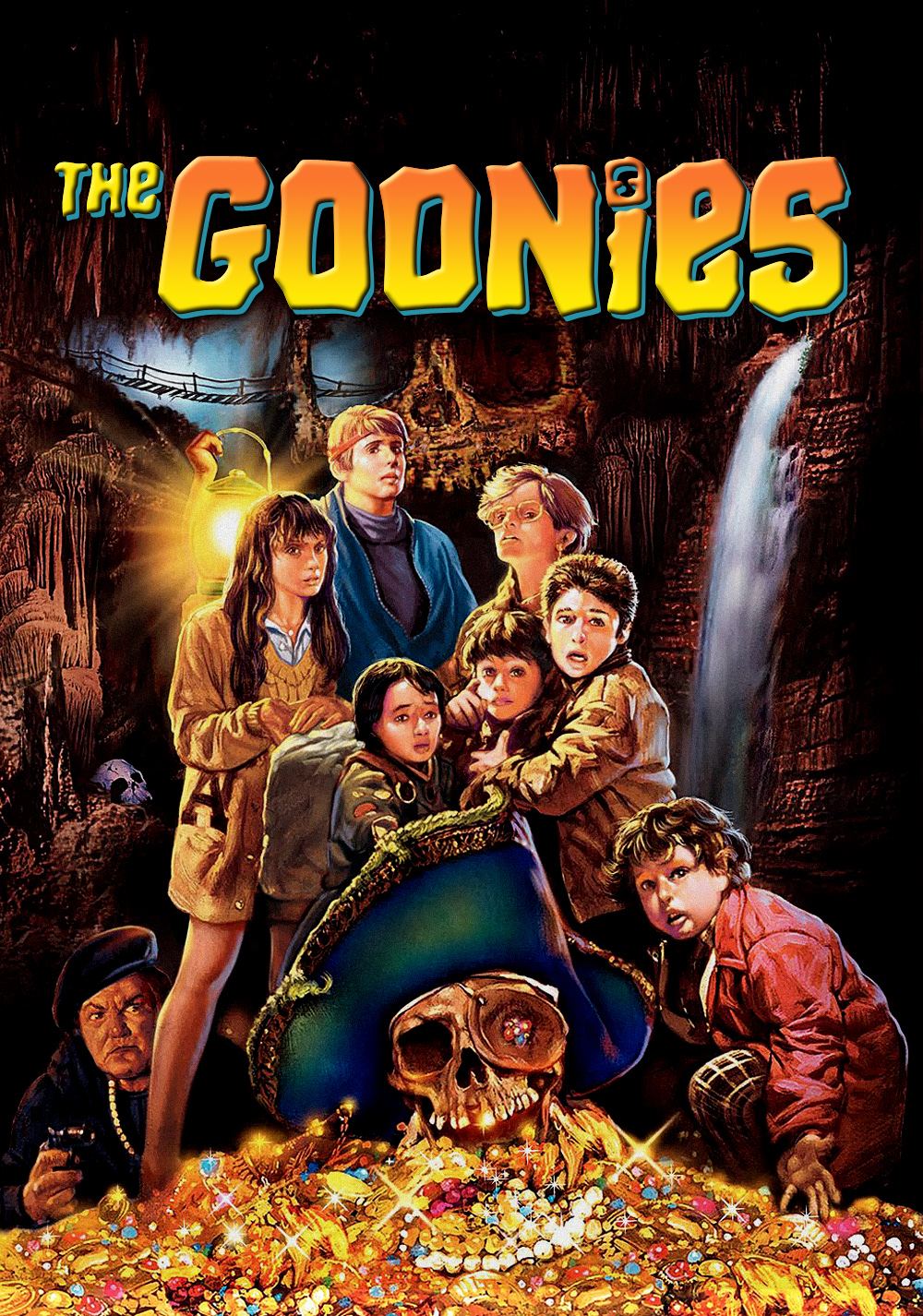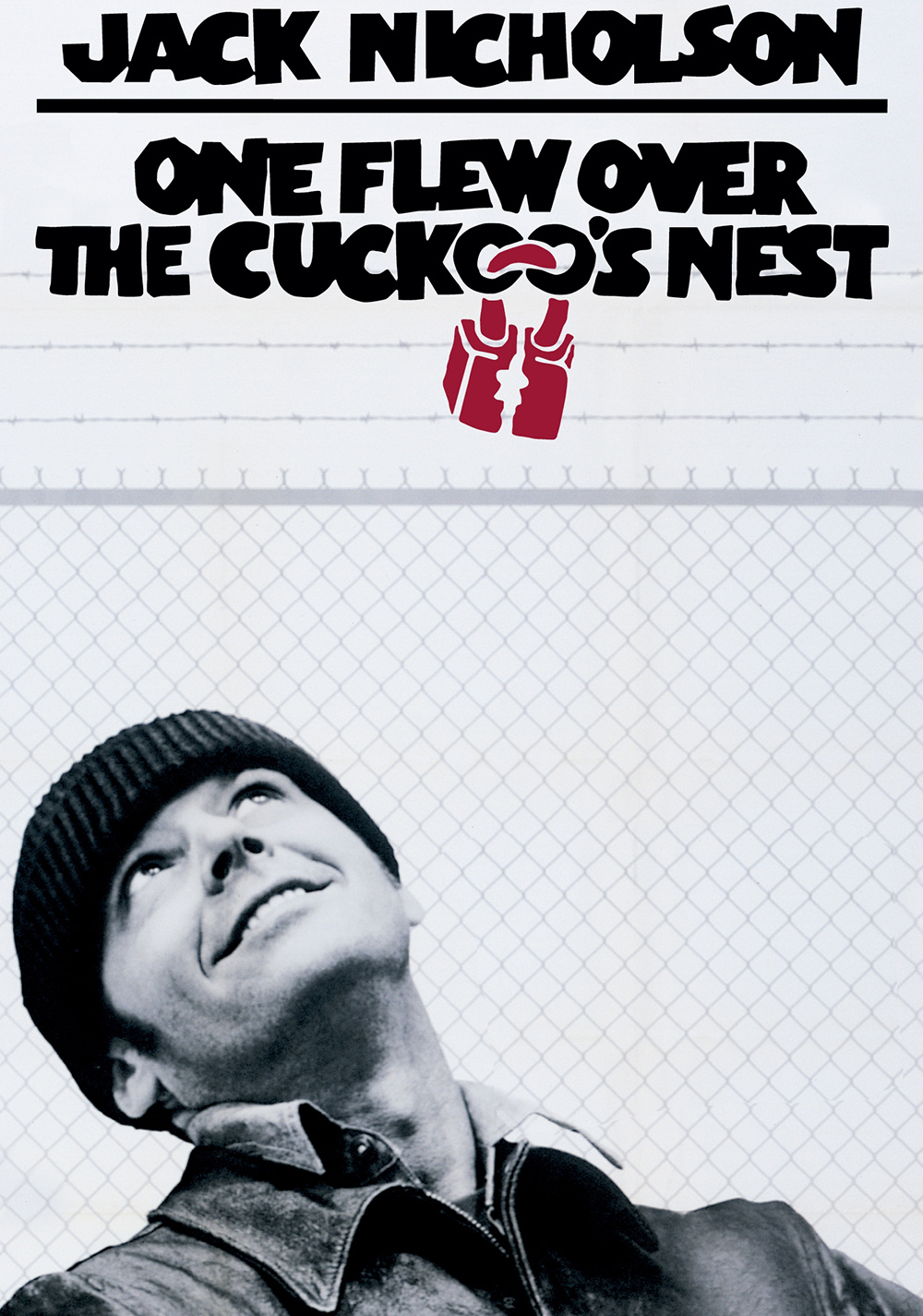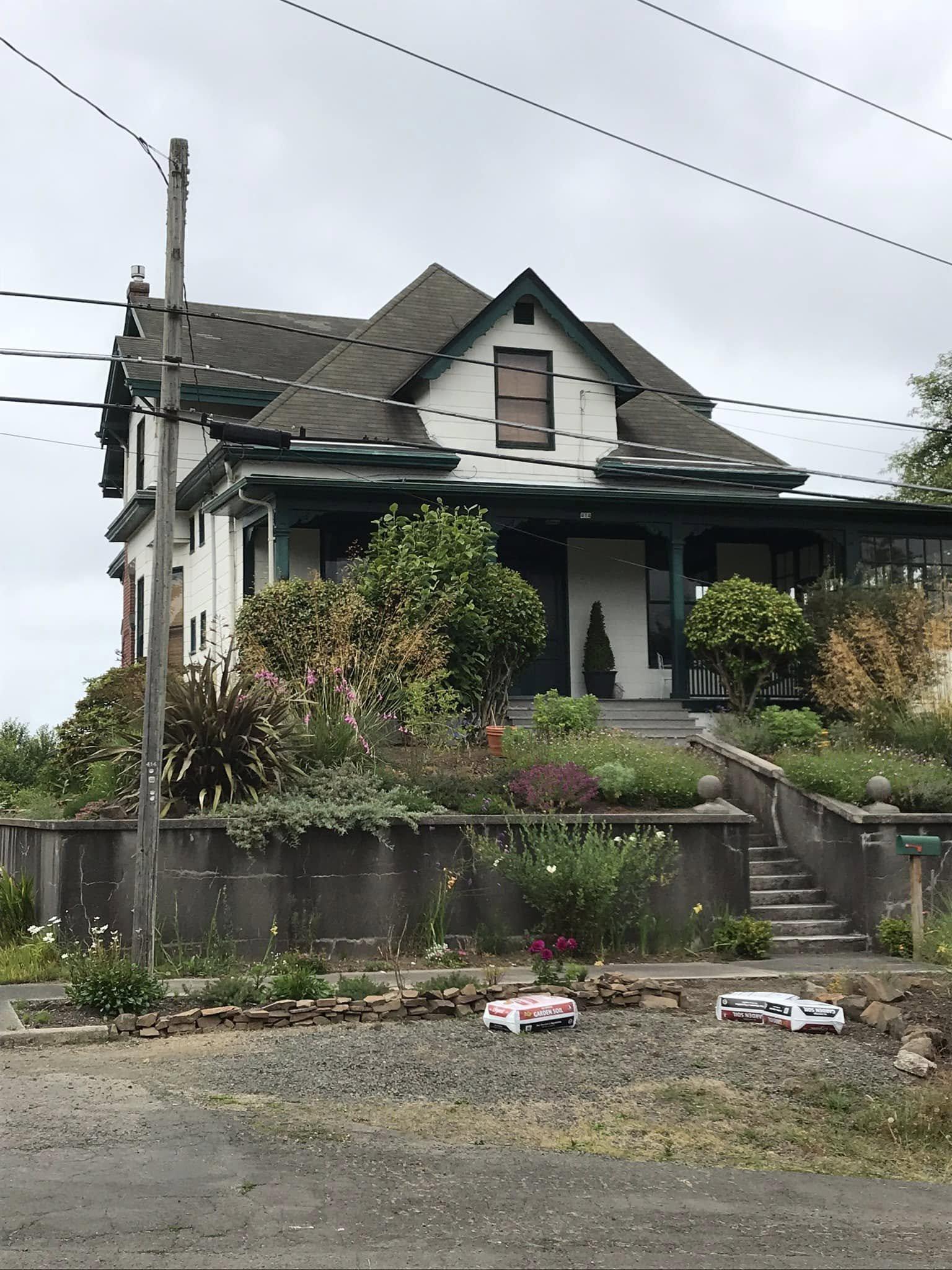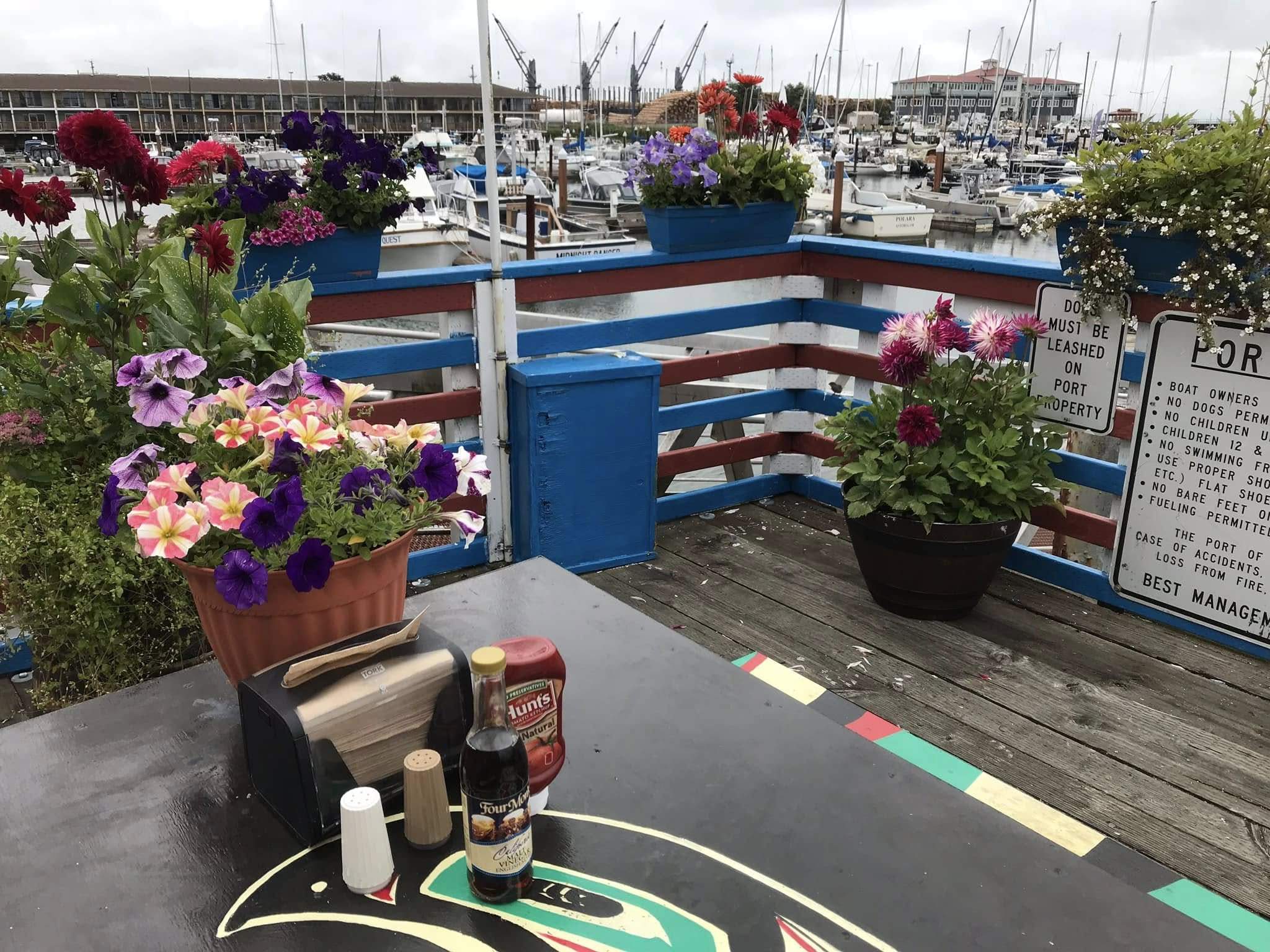
Incentive:
25% (vendors) + 20% (payroll) + 6.2% GOLR
Annual Cap: $21.2M/year (OPIF)
Project Cap: None
More Info:
Oregon Film Incentive: Complete Guide for 2026
Oregon operates a cash rebate system rather than a traditional tax credit, making its incentive structure one of the most straightforward and immediately accessible in the western United States. Productions receive actual cash payments from the state rather than tax certificates, which simplifies the monetization process significantly. Oregon's incentive system is built around two complementary programs: the Oregon Production Investment Fund (OPIF) and the Greenlight Oregon Labor Rebate (GOLR).
Both programs are scheduled to sunset on December 31, 2029, and both are active and accepting applications in 2026. The OPIF program's annual funding increased to $21.2 million per year for the 2026 and 2027 fiscal years, up from $20 million, reflecting the legislature's continued commitment to supporting the Oregon production industry.
Program 1: Oregon Production Investment Fund (OPIF)
What OPIF Is
The Oregon Production Investment Fund is a cash rebate program administered by Oregon Film (the state's official film office). OPIF provides cash rebates on two categories of Oregon production spending:
25% cash rebate on qualifying goods and services purchased from Oregon-registered vendors
20% cash rebate on qualifying wages paid to both Oregon resident and non-resident production workers for work performed in Oregon
These are true cash payments from the state to the production company, not tax credits. This means productions receive actual dollars back, without needing to find buyers for tax certificates or worry about the discount rate in a secondary credit market. The cash nature of the rebate makes OPIF particularly attractive for productions that need to include incentive revenue in their financing structure.
OPIF Minimum Spend
To qualify for OPIF, productions must meet a minimum spend threshold of $1,000,000 in qualifying Oregon production expenditures. This is a meaningful minimum that effectively restricts the program to medium and larger productions. Projects with total Oregon budgets below $1 million will not qualify for OPIF.
OPIF Annual Cap
OPIF is funded at $21.2 million per fiscal year (July 1 through June 30) in 2026 and 2027. In prior years, the fund was capped at $20 million. This annual cap is critically important: once OPIF funds are fully committed for a fiscal year, no additional applications can be approved for that year. Oregon Film processes applications on a first-come, first-served basis, and the cap can be reached before the end of the fiscal year in years with high demand.
Productions with planned Oregon shoots should apply to OPIF as early as possible in the applicable fiscal year. Productions that begin their Oregon shoot early in the fiscal year will be competing for allocations with other productions throughout the year. Applying late in the fiscal year risks finding the fund already exhausted.
What Qualifies as an Oregon Expenditure for OPIF
Oregon's OPIF draws a clear distinction between goods and services (25% rebate) and payroll (20% rebate). Understanding this distinction is important for accurately modeling the total Oregon rebate.
Qualifying goods and services expenditures (25% rebate) include:
Equipment rental from Oregon vendors
Location fees paid to Oregon property owners
Set construction materials purchased from Oregon vendors
Catering and craft services from Oregon businesses
Fuel and transportation from Oregon companies
Lodging at Oregon hotels and accommodations
Other goods and services purchased from Oregon-registered businesses
Qualifying payroll expenditures (20% rebate) include:
Wages paid to Oregon residents for production services performed in Oregon
Wages paid to non-Oregon residents for production services physically performed in Oregon
Both above-the-line and below-the-line compensation is included
The payroll rebate applies to both Oregon resident and non-resident wages for work performed in the state, making OPIF accessible to productions that bring their full creative team to Oregon from outside the state. The 20% payroll rate is competitive with many other state programs.
Program 2: Greenlight Oregon Labor Rebate (GOLR)
What GOLR Is
The Greenlight Oregon Labor Rebate is a separate, complementary rebate that can be stacked with OPIF to enhance the total incentive value on production payroll. GOLR provides a rebate of up to 6.2% on qualifying production payroll, representing a pass-back of the Oregon state income withholding tax applied to production wages.
How GOLR Works
GOLR is calculated as a pass-back of Oregon state income tax withholding applied to qualifying production payroll. The effective rate is up to 6.2%, capped at the actual withholding rate applied to each worker's wages. Because GOLR is a withholding pass-back rather than a percentage of total wages, the actual rebate per dollar of payroll varies based on the individual tax bracket of each worker.
GOLR Has No Annual Cap
Unlike OPIF, GOLR has no annual funding cap. There is no competition for GOLR allocation, and productions that qualify will always receive the rebate, regardless of when in the fiscal year they apply. This makes GOLR a reliable component of Oregon incentive planning even in years when OPIF may be allocation-constrained.
Combining OPIF and GOLR
The most important aspect of Oregon's system for financial planning is that OPIF and GOLR can be combined. On production payroll that qualifies for both programs:
OPIF provides 20% on qualifying payroll
GOLR provides an additional 6.2% (up to actual withholding rate) on the same payroll
Combined effective rate on production payroll: approximately 26.2%
On goods and services spending that qualifies for OPIF:
OPIF provides 25% on qualifying vendor spending
GOLR does not apply to non-payroll expenditures
For a production that spends $5 million on Oregon vendors and $5 million on Oregon payroll, the combined OPIF and GOLR rebate would be approximately: $1.25 million (25% on vendor spend) + $1.31 million (26.2% combined on payroll) = approximately $2.56 million, representing a blended effective rate of approximately 25.6% on total Oregon spending. This is competitive with many state tax credit programs that nominally offer similar rates but require credit monetization at a discount.
Eligible Production Types
Both OPIF and GOLR cover the following production types:
Feature films for theatrical or streaming release
Television series, pilots, and mini-series
Commercials produced for broadcast or digital distribution
Music videos
Documentaries for commercial distribution
Animation productions
Short films with commercial distribution intent
Post-production work on qualifying productions (Oregon-based post)
News programs, political advertisements, and productions not intended for commercial distribution do not qualify. Oregon Film also evaluates whether the economic benefit to Oregon is meaningful, and projects with very minimal Oregon connection may not be approved even if they technically meet other criteria.
How to Apply for Oregon's Film Incentives
Step 1: Contact Oregon Film
The application process begins with an inquiry to Oregon Film. Productions should contact Oregon Film early in pre-production, before finalizing their Oregon shoot plans. Oregon Film will assess eligibility, discuss the scope of qualifying Oregon spending, and guide the production through the application process.
Step 2: OPIF Application and Fund Reservation
The formal OPIF application is submitted to Oregon Film and includes the production budget with Oregon expenditures identified, production schedule, script or project description, and financing documentation. Upon approval, Oregon Film reserves a portion of the annual OPIF fund for the production. This reservation is the critical step that secures the production's place in the OPIF allocation queue.
Step 3: Production and Recordkeeping
During production, the company maintains detailed records of all Oregon expenditures, clearly distinguishing between payroll and vendor spending. Payroll records must document each worker's state withholding to support the GOLR calculation. All vendor invoices should show Oregon vendor registration information.
Step 4: Post-Production Report and Rebate Payment
After production, the company submits a comprehensive final report of all Oregon expenditures to Oregon Film. The report is reviewed and, if approved, Oregon Film processes the OPIF cash rebate payment. The GOLR rebate is processed separately through the Oregon Department of Revenue. Both rebates are cash payments to the production company.
Portland vs. Statewide Filming
Oregon Film has historically encouraged productions to consider locations throughout the state, not just the Portland metro area. While Portland offers the strongest production infrastructure in Oregon, including experienced crew, equipment houses, and production support services, shooting outside Portland can provide access to exceptional locations with lower logistical complexity and sometimes lower permitting costs.
Both OPIF and GOLR apply to qualifying spending anywhere in Oregon, so there is no geographic bonus structure favoring rural shooting (unlike Nevada or Tennessee). The incentive economics are the same whether the production films in Portland or on the coast. Location decisions in Oregon are therefore driven primarily by creative requirements and logistical considerations rather than by different incentive rates.
Oregon Locations and Production Environment
Portland
Portland is Oregon's primary production hub and one of the more visually distinctive cities in the Pacific Northwest. The city's mix of Victorian architecture, industrial waterfront, and Pacific Northwest aesthetic gives it a clear visual identity that works for a range of narrative settings. Portland's creative culture, its extensive park system, and its position between mountains and ocean give it exceptional location range within the metro area. The city's established production community includes experienced crews, equipment rental houses, and post-production facilities.
The Oregon Coast
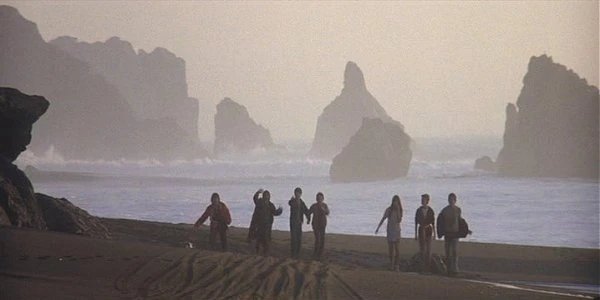
Oregon's 362-mile Pacific coastline is one of the most cinematically distinctive coastal environments in North America. Unlike the sandy beaches of California and Florida, Oregon's coast is defined by dramatic sea stacks, rocky headlands, tidal pools, and temperate rainforest coming to the ocean's edge. The towns of Astoria, Cannon Beach, Florence, and Bandon have appeared in numerous major productions. The coast's unpredictable weather adds authentic drama to outdoor shoots, though productions must plan for weather contingency carefully.
The Columbia River Gorge
The Columbia River Gorge, which forms the border between Oregon and Washington, is one of the most dramatic river canyon environments in the United States. The gorge's combination of basalt walls, waterfalls, and the mighty Columbia River has served as a location for action films, fantasies, and dramatic features. Multnomah Falls, the most-visited natural site in Oregon, provides an iconic waterfall setting within easy driving distance of Portland.
High Desert and Eastern Oregon
Eastern Oregon's high desert, including the Alvord Desert, the Steens Mountain, and the Painted Hills near John Day, provides arid, Mars-like environments that are increasingly sought for science fiction and post-apocalyptic productions. This region is remote, which requires thorough logistical planning, but the visual uniqueness of the landscape can justify the additional effort for the right production.
Oregon's Production Cost Advantage
Oregon's cost structure is meaningfully lower than the Los Angeles market for most below-the-line production expenses. Portland's cost of living is significantly lower than Los Angeles, meaning crew per diems stretch further and union scale rates in some categories are more favorable. Equipment rental, location fees, and studio costs are also generally lower in Portland than in comparable Los Angeles-adjacent markets. When combined with the OPIF and GOLR rebates, Oregon's all-in production economics are competitive with most other western state incentive programs.
Oregon vs. Other Pacific Northwest States
Productions evaluating the Pacific Northwest typically compare Oregon to Washington State and California. Washington State does not have a significant statewide film cash rebate program (its Motion Picture Competitiveness Program is small and competitive). California offers limited credits through the California Film Commission, which is oversubscribed and lottery-based for most productions.
Oregon's combination of a well-funded cash rebate (not a tax credit requiring monetization), a broad range of qualifying expenditures, and the additional GOLR rebate on payroll makes it the clear leader among Pacific Northwest states for productions seeking financial incentives. Oregon's location diversity, from Portland's urban core to the coast to the high desert, also provides more range than Washington's incentive-equivalent options.
Contact and Resources
Oregon Film (Oregon Governor's Office of Film and Television): 900 Court St. NE, Suite 200, Salem, OR 97301. Phone: (503) 229-5832. Website: oregonfilm.org.
Oregon Film's incentive FAQs and current program documentation are available at oregonfilm.org/article/incentives-article-1.
Frequently Asked Questions
Is Oregon's incentive a tax credit or a cash rebate?
Oregon offers cash rebates, not tax credits. OPIF provides 25% on vendor spending and 20% on payroll as direct cash payments. GOLR provides an additional rebate of up to 6.2% on payroll. No credit certificate is issued and no credit monetization is required.
What is the minimum spend to qualify for OPIF?
$1,000,000 in qualifying Oregon production expenditures.
What is the annual cap for OPIF?
$21.2 million per fiscal year (July 1 through June 30) in fiscal years 2026 and 2027.
Does GOLR have an annual cap?
No. GOLR has no annual funding cap. All qualifying productions that meet program requirements will receive the GOLR rebate regardless of how much OPIF has been allocated in the same year.
Can OPIF and GOLR be combined?
Yes. Productions can receive both OPIF and GOLR on the same payroll expenditures, resulting in a combined effective rebate of approximately 26.2% on qualifying production wages.
When do Oregon's film incentive programs expire?
Both OPIF and GOLR are authorized through December 31, 2029. No action is required to secure the sunset extension; the programs are operational and accepting applications through that date.
Oregon Film Office:
Governor's Office of Film & Television
850 SE 3rd Ave, Suite 405, Portland, OR 97214
Applying for the credit?
Get Free Template
Use our budget template to add qualified expenses to the proper chart of accounts as required by the state.