Saturation - Shot in Alabama: Selma

North Dakota Film Tax Credit

North Dakota Film Tax Credit

No Active Program

No Active Program

Incentive:

No Program

Minimum Spend:
N/A

Minimum Spend: N/A

Annual Cap: N/A

Project Cap: N/A

Apply for Incentive

More Info:

North Dakota Film Tax Credit: Current Status (2026)

North Dakota does not have a statewide film tax credit, rebate, or transferable credit program as of 2026. The state has not enacted film production incentive legislation, placing it among a small group of states without a formal program designed to attract outside productions through financial offsets.

This is the starting point for any producer evaluating North Dakota as a filming location: there is no tax incentive to model into your budget. Any dollars spent in the state will not generate a credit or rebate from a state program.

What North Dakota Does Have: The Motion Picture Production and Recruitment Grant

North Dakota offers an alternative to a tax credit: a direct grant program administered by the North Dakota Department of Commerce. The Motion Picture Production and Recruitment Grant provides funds to North Dakota-based film producers working on projects that showcase the state's land, history, and people.

Key details of the grant program:

  • Total appropriation: $600,000 in funds available through the grant program

  • Applicant eligibility: Must be North Dakota-based film producers with a demonstrated history of distribution

  • Project criteria: Must propose filming and production in North Dakota that tells stories about the state's land, history, and citizens

  • Thematic focus: Film products should showcase the state in ways that instill curiosity about North Dakota and motivate travel to the state

This grant is designed for North Dakota filmmakers telling North Dakota stories, not for outside productions seeking a financial incentive to shoot in the state. An outside production company from Los Angeles or New York would not typically qualify. If your production is North Dakota-based and your subject matter fits the grant criteria, contact the North Dakota Department of Commerce, Tourism Division, for current application cycles and deadlines.

General Tax Environment

North Dakota does have a relatively low corporate income tax rate compared to many states, with rates ranging from 1.41% to 4.31% depending on taxable income. Individual income tax rates are also among the lower tiers nationally. However, these general tax characteristics are not film-specific incentives and do not function as a rebate or credit on production expenditures. Productions should not plan their financing around North Dakota's general tax environment as a substitute for a genuine film incentive program.

How North Dakota Compares to Neighboring States

North Dakota sits in a region where nearby states have taken different approaches to film incentives. Understanding this landscape helps producers make decisions about where to anchor their spending when a story requires Northern Plains locations.

Montana

Montana offers a transferable tax credit of 20% on qualifying Montana expenditures, with a 35% credit available for productions spending $1 million or more in state. Montana has an established film office and has attracted major feature productions including those requiring dramatic mountain and prairie landscapes. For stories requiring Northern Plains and mountain visual aesthetics, Montana is frequently the more financially attractive option for outside productions. The minimum spend is $50,000 for the 20% base credit.

Minnesota

Minnesota operates a film production rebate program offering up to 25% back on eligible Minnesota production expenditures. The program accepts applications on a rolling basis through the Minnesota Film and TV Board. For productions anchored in the upper Midwest with story requirements that do not specifically demand North Dakota geography, Minnesota offers both a cash rebate and a substantially larger crew base concentrated in the Minneapolis-Saint Paul market.

South Dakota

South Dakota also lacks a film tax credit as of 2026, though the state has expressed interest in developing an incentive program. The absence of programs in both Dakotas creates a gap in the Northern Plains region that productions with stories set there must navigate through careful budget structure rather than incentives.

Iowa

Iowa's film incentive program was shuttered following a scandal in 2009 and has not been reinstated. This leaves the entire four-state area of the Dakotas and Iowa without a competitive film incentive, making Minnesota the clear financial anchor for any production that needs upper Midwest locations.

Why Producers Still Film in North Dakota

Despite the absence of incentives, North Dakota attracts production for specific reasons that financial credits cannot replicate:

Unique and Irreplaceable Landscape

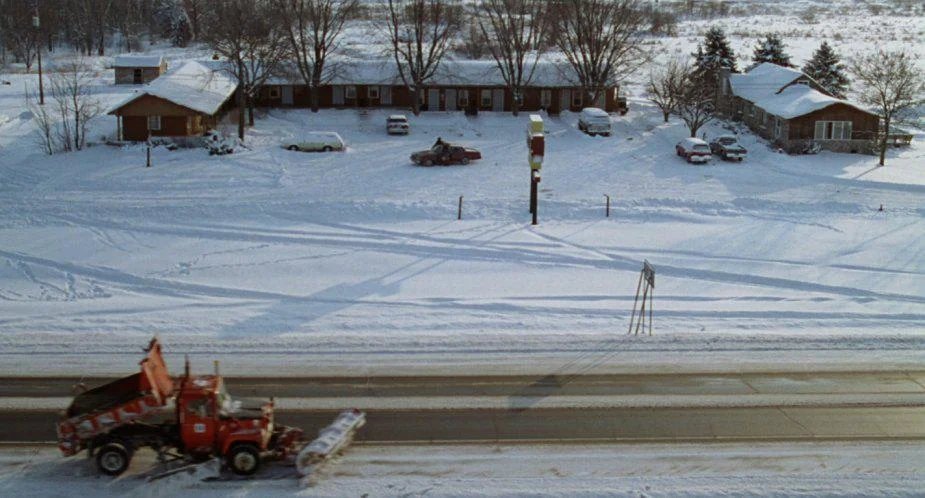
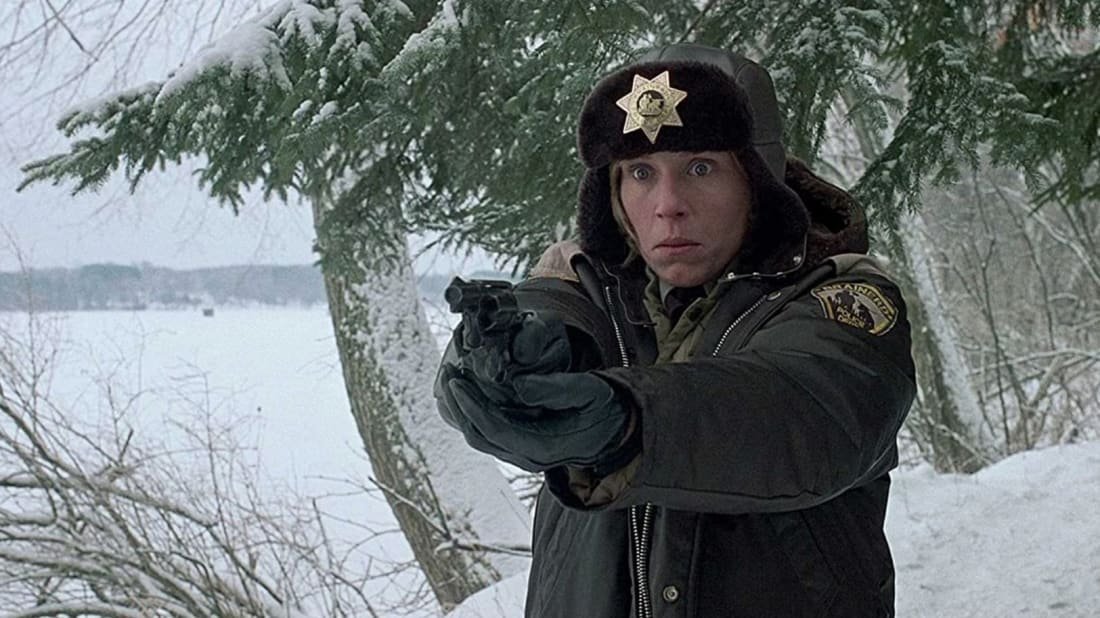
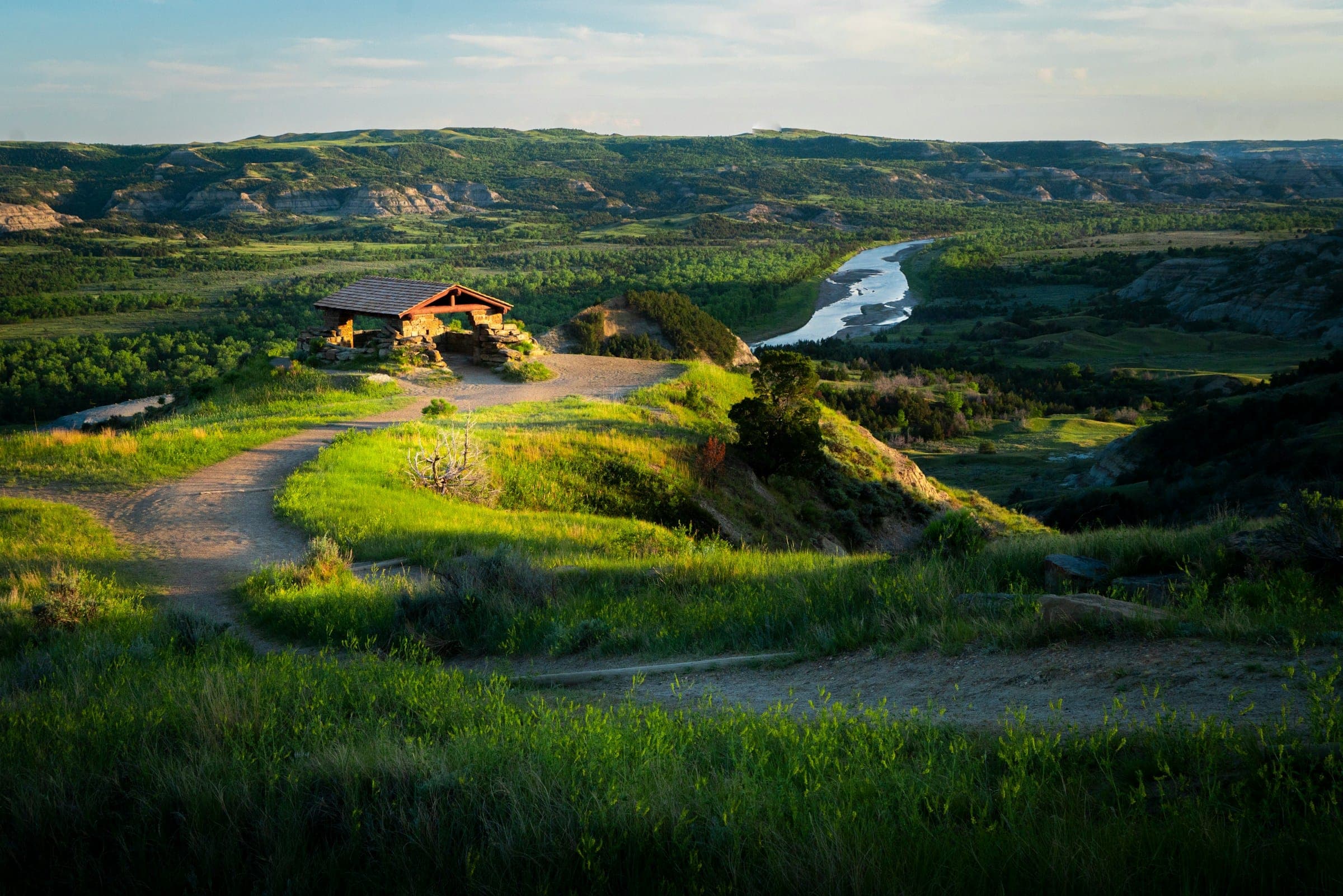
The North Dakota Badlands, particularly in the Little Missouri National Grassland and Theodore Roosevelt National Park, offer terrain that is visually distinct from any other location in the country. The buttes, coulees, and open grasslands of the western part of the state have a specific character that draws filmmakers working on Westerns, outdoor adventure films, nature documentaries, and productions requiring authentic Great Plains settings. Wall-to-wall horizon lines, massive skies, and the complete absence of human infrastructure in certain areas make for footage that cannot be easily replicated in a studio or a competing location.

Low Cost of Operations

Below-average accommodation rates, food costs, and general living expenses reduce the per-day production cost compared to coastal incentive states significantly. A crew of 30 people staying in Medora or Dickinson will spend considerably less on lodging and meals than the equivalent crew in Atlanta or Los Angeles, partially offsetting the absence of a state credit.

Minimal Permitting Friction

Smaller local governments mean fewer bureaucratic obstacles for location permits on state and private lands. Productions frequently report faster permit turnaround in rural North Dakota than in major metro markets. The Theodore Roosevelt National Park requires National Park Service permits for commercial filming, but park staff are generally accommodating and responsive for projects that treat the landscape responsibly.

Documentary and Indigenous History Subjects

Filmmakers working on agricultural history, Indigenous history of the Northern Plains, or Great Plains environmental subjects choose North Dakota out of authentic storytelling necessity. The Standing Rock Sioux Tribe reservation, the Mandan and Hidatsa homeland sites along the Missouri River, and the remnants of homestead-era farming culture provide unique subject matter that cannot be accessed elsewhere. These productions tend to have smaller budgets where the absence of a tax incentive is less financially decisive.

Energy Industry and Contemporary Stories

The Bakken oil formation and the broader energy economy of western North Dakota has generated a distinctive contemporary landscape of pump jacks, flares, and industrial infrastructure alongside traditional ranch country. Documentaries and narrative films exploring the energy economy, the impacts of boom-and-bust cycles on rural communities, and the intersection of industrial development with Native American land rights have drawn filmmakers to this area consistently since the mid-2000s.

Planning a Budget Without a North Dakota Incentive

If your story requires North Dakota locations, approach the budget with clear eyes about what the state does and does not offer financially.

Do Not Budget a Tax Credit Offset

There is no program. Any financial model that assumes a North Dakota film incentive is incorrect and will create cash flow problems during production. Budget 100% of North Dakota expenditures at full market cost with no state offset.

Explore a Split-Shoot Structure

If your story allows flexibility on some locations, consider anchoring the majority of your production spend in an incentive state like Minnesota or Montana, then sending a targeted second unit to North Dakota for the specific locations that genuinely require it. This structure lets you collect an incentive rebate on the bulk of your budget while still capturing the North Dakota visuals you need. The key is separating your production budget into "incentive-eligible spend" (majority of crew, equipment, days) and "North Dakota-specific unit" (smaller, focused on irreplaceable locations).

Negotiate Location Fees Directly

Without incentive funds partially subsidizing your spend, location fees carry full weight in your budget. Negotiate directly with private landowners, the state parks system, and municipalities. Many North Dakota landowners have limited experience with film productions and may be open to creative arrangements including revenue sharing from the completed film, local business promotion, or modest location fees that reflect the minimal disruption a small crew creates on a working ranch.

Consider Federal Incentives for National Park Shooting

Productions filming in Theodore Roosevelt National Park operate under federal permitting, not state. Federal commercial filming permits from the National Park Service carry their own fee structure but may provide access to protected landscapes that cannot be filmed on private land. Budget these permit fees separately from any state incentive calculations.

Film Production Resources in North Dakota

North Dakota does not have a state film commission in the traditional sense, but several resources support productions working in the state:

  • North Dakota Department of Commerce, Tourism Division: Provides information on filming in state parks and public lands. Contact the Tourism Division at 1-800-435-5663 or travel.nd.gov for location assistance.

  • North Dakota Film and TV Resource (ndstrong.org): A regional resource that aggregates information on filming in North Dakota, including location databases and crew contacts for locally-based production professionals.

  • Theodore Roosevelt National Park: Contact the park's chief of interpretation or the permit office at 701-623-4466 for commercial filming permits. The park has specific permit requirements for professional productions including equipment restrictions in wilderness areas.

  • Individual county and municipal offices: Location permits on private and county land are handled at the local level with no statewide permit system. Bismarck, Fargo, and Minot have their own permit processes for filming in public spaces.

  • North Dakota Department of Trust Lands: Oversees state-owned lands outside of parks. Contact them for access to state school lands and other state-held properties that may be available for location use.

Managing Production Budgets in Incentive-Free States

When you are filming in a state without a tax incentive, your production budget carries more weight. Every line item matters more because there is no credit offsetting a percentage of your spend at the end of production. Accurate, real-time budget tracking becomes the primary financial control mechanism when you cannot count on an incentive to paper over overages.

Saturation gives production teams the tools to track real-time spending against budget, manage vendor payments across locations, and maintain an accurate budget-versus-actual view throughout a shoot, whether you are in an incentive state or not. For productions that split their work between North Dakota and an incentive state like Minnesota, Saturation's collaborative budgeting platform keeps all spending visible in one place so your line producer and production accountant are always working from the same numbers, regardless of which state the crew is in on any given day.

North Dakota Film Office:

Applying for the credit?

Get Free Template

Use our budget template to add qualified expenses to the proper chart of accounts as required by the state.

Check out other states incentives: