Maryland

Rate
28-30%
Credit Type
Transferable Tax Credit
Min. Spend
$250,000 ($25,000 small film)
Cap
$12,000,000
Project Cap
$10,000,000
Budget Template
Browse All
What Films Were Shot in Maryland?
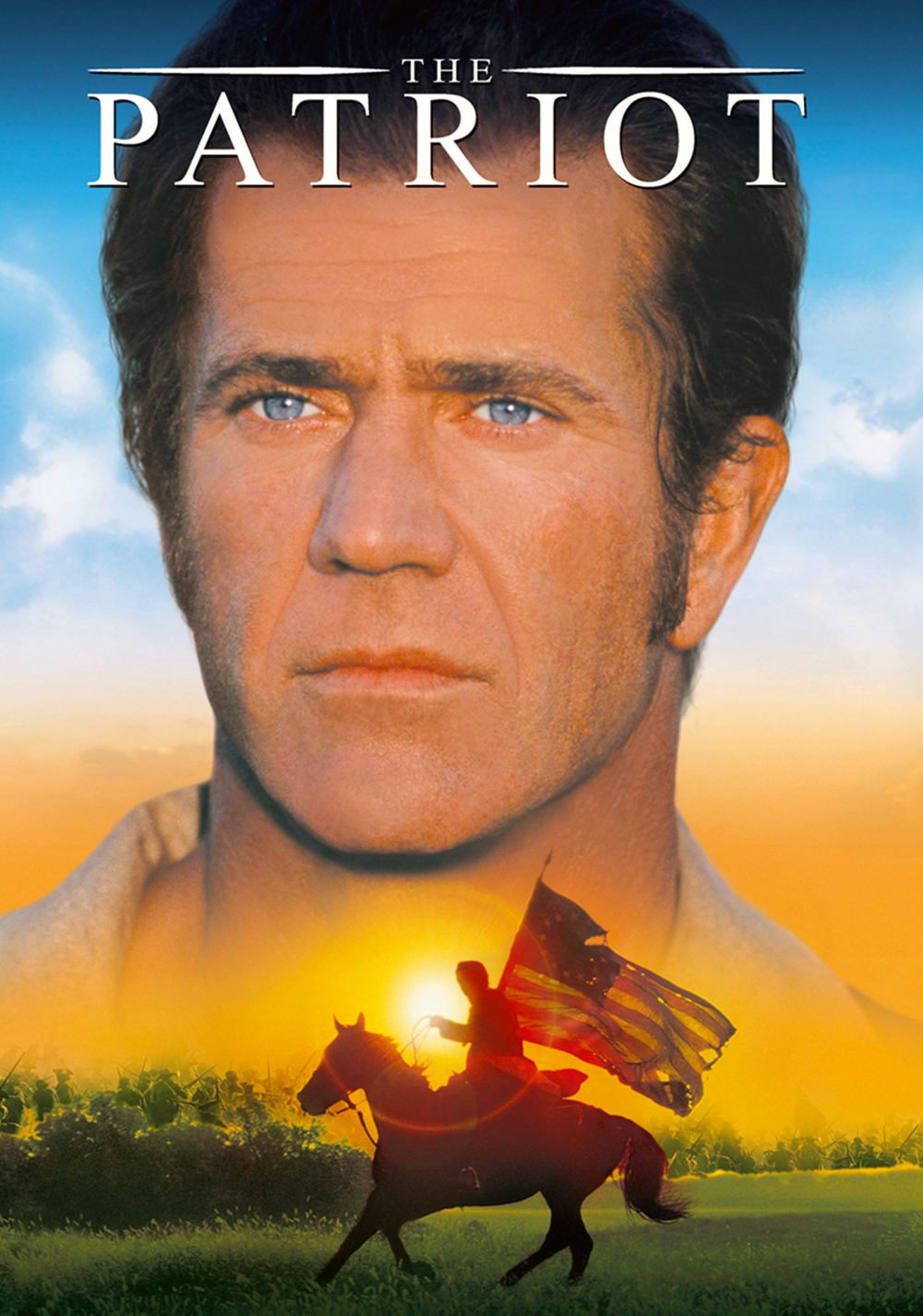
Maryland has attracted major film and television productions with its 28-30% transferable tax credit. Notable productions filmed in Maryland include The Patriot, Transformers, Man of Steel, The Silence of the Lambs, Nocturnal Animals.




Filming in Maryland
Behind the scenes of productions shot on location in Maryland.
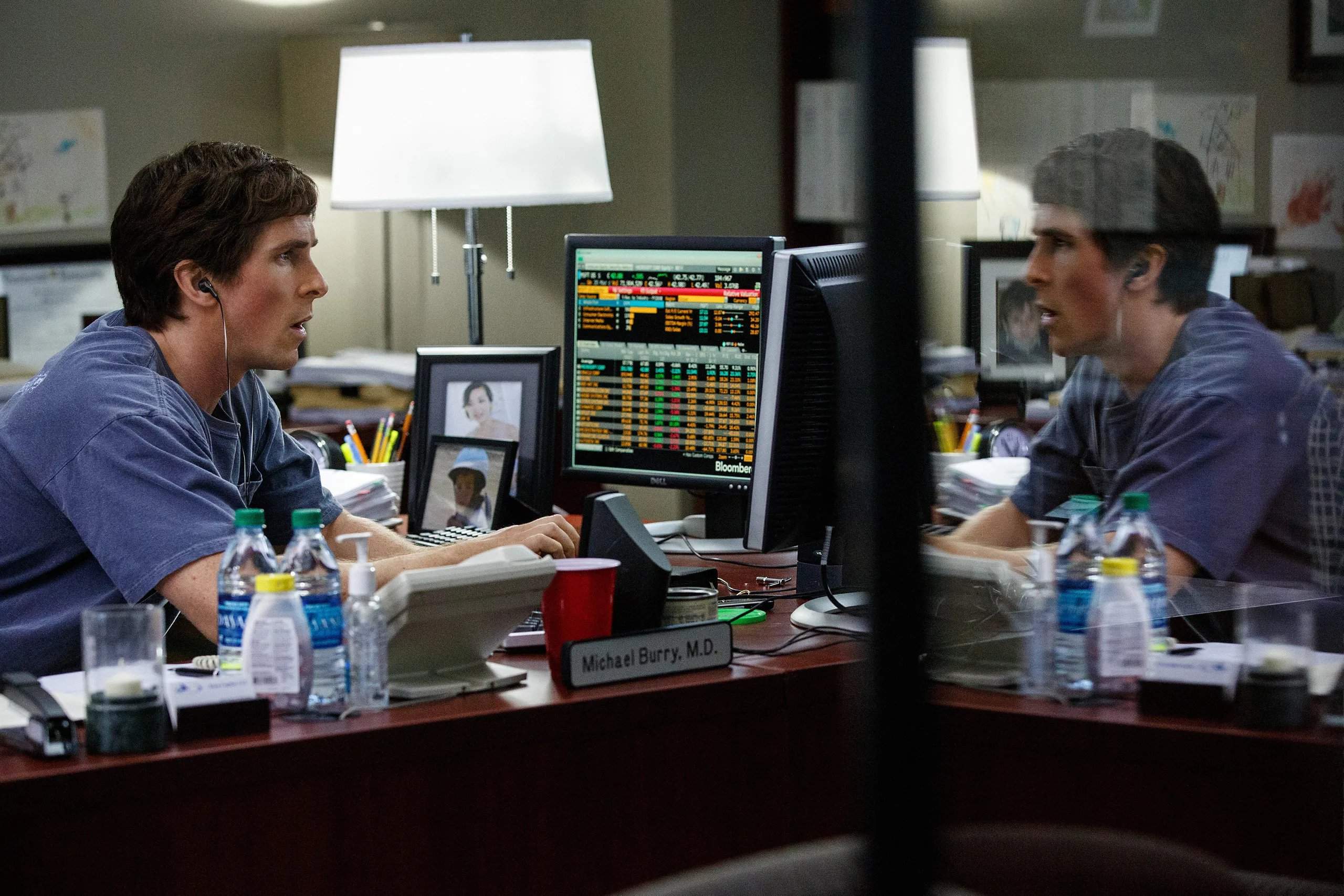
The Big Short
Photo: ©Paramount Pictures

Cry-Baby
Photo: ©Universal Pictures

The Silence of the Lambs
Photo: ©Orion Pictures

The Silence of the Lambs
Photo: ©Orion Pictures
Maryland Film Production Activity Tax Credit
Maryland's screen incentive is the Film Production Activity Tax Credit, administered through the Maryland Film Office and the state's commerce apparatus. The program operates as an allocated credit system rather than as an unlimited automatic benefit.
Program Structure
- Minimum spend: $250,000 for most film projects
- Maximum credit per project: $10 million
- 10% of the annual authorized amount is set aside for Maryland small films
- Producers, directors, and writers are treated differently for certain direct-cost calculations
- Annual allocation cap: applications work through the Maryland Film Office
Program Design
Maryland is not just a simple broad percentage incentive. It is a capped and rules-driven credit program with explicit policy design around project scale and local industry support. The state's published tax credit reports make clear that the program has distinct rules around how different production roles are treated within the qualifying cost calculation.
Notes for Producers
Maryland is best understood as a selective, allocated U.S. state tax credit jurisdiction with moderate scale and a clear emphasis on local production activity rather than pure volume attraction. Its appeal is strongest for projects that already have a creative or logistical reason to be in Maryland and can fit within the program's annual availability, cap structure, and state-administered certification process.
Frequently Asked Questions
What is the Maryland film tax credit?
Maryland offers a 28-30% tax credit, structured as a Transferable Tax Credit, with an annual program cap of $12,000,000. The program is designed to attract film and television productions by offsetting a portion of qualifying local expenditures.
How much is the Maryland film tax credit?
The Maryland tax credit is 28-30%, structured as a Transferable Tax Credit. The exact rate your production qualifies for may depend on factors such as local hiring, filming location, and production type.
What is the minimum spend to qualify for the Maryland film tax credit?
Productions must meet a minimum spend threshold of $250,000 ($25,000 small film) in Maryland to be eligible. Spend typically includes below-the-line costs incurred within the region, though qualifying criteria vary by program — consult the local film office for the full eligibility rules.
Is there a cap on the Maryland film tax credit?
Yes. The Maryland program has a program-wide cap of $12,000,000 and a per-project cap of $10,000,000. Productions should apply early, as allocations can be limited.
How do I apply for the Maryland film tax credit?
Productions typically apply through the Maryland film office or the relevant government agency. Applications are generally submitted before principal photography begins, with final certification issued after production is complete and qualified spend is audited. Check the official film office website for current application guidelines, deadlines, and required documentation.
Last updated September 7, 2026
Film Office
The Maryland Film Office401 East Pratt Street, 14th Floor, Baltimore, MD 21202
- Address
- 401 E. Pratt Street, 14th Floor Baltimore, MD 21202
- Phone
- 410-767-6340
- facebook.com/MDFilmOffice
- YouTube
- youtube.com/user/MarylandBiz
Maximize the credit in your budget with Saturation
Apply incentive packs to the right accounts, tag qualified spend, and export the reports your application needs.