Incentive:
22% (Oahu) / 27% (neighbor islands)
Annual Cap: $50M/year
Project Cap: $17M per project
More Info:
Hawaii Film Tax Credit: Complete Guide for 2026
Hawaii offers one of the most distinctive film tax incentives in the United States: a fully refundable income tax credit that applies to all qualified production costs incurred in the state, with no caps on individual projects and an annual aggregate cap of $50 million. The program provides 22% on qualified costs incurred on Oahu and 27% on qualifying production costs incurred on the neighbor islands (Maui, the Big Island, Kauai, Lanai, and Molokai). Hawaii's incentive is administered through the Department of Business, Economic Development and Tourism (DBEDT).
Hawaii's combination of extraordinary natural locations, strong state government support for production, and a meaningful refundable credit has made it a consistently competitive destination for feature films, television series, commercials, and increasingly, digital media productions.
How Hawaii's Film Tax Credit Works
Hawaii's Motion Picture, Digital Media, and Film Production Income Tax Credit (commonly called the Hawaii film tax credit) is a refundable income tax credit. Refundable means the state pays cash to the production company equal to the certified credit amount, regardless of whether the company has Hawaii income tax liability. This makes the credit fully accessible to out-of-state production companies and ensures that the stated credit percentage translates directly to cash value without needing to find a buyer for a tax certificate.
The credit is calculated on all qualified production costs incurred in Hawaii during a qualifying production. The credit rates as of 2026 are:
22% of qualified production costs incurred on Oahu (the island containing Honolulu)
27% of qualified production costs incurred on the neighbor islands: Maui, the Big Island (Hawaii Island), Kauai, Lanai, and Molokai
The higher 27% rate for neighbor island production is designed to attract productions to Hawaii's outer islands, which have extraordinary natural environments but less production infrastructure than Oahu. Productions that split shooting between Oahu and a neighbor island will calculate credits separately at the applicable rate for each island's expenditures.
Annual Cap and Per-Project Cap
Hawaii's film credit program has two key financial limits:
Annual aggregate cap: $50 million across all productions per calendar year
Per-project cap: $17 million per individual qualified production
The $50 million annual cap means the program is well-funded relative to many other state programs, though the cap can be reached in years with multiple large productions. Credits are allocated through the DBEDT certification process on a first-come, first-served basis within each calendar year.
The $17 million per-project cap is important for very large productions. A production with $100 million in Hawaii expenditures would receive a credit on 22% or 27% of costs, but the credit is capped at $17 million regardless of the calculated amount. Most productions will not approach this cap, but major studio films with very large Hawaii footprints should account for it in their financing models.
Minimum Spend Requirement
Hawaii requires a minimum of $100,000 in qualifying Hawaii production expenditures to be eligible for the film tax credit. This is one of the lowest minimum spend thresholds among states with active film incentive programs, making Hawaii's credit accessible to smaller productions that can meet the financial threshold.
The Local Workforce Incentive: Additional 5%
Hawaii's film credit legislation includes an additional 5% uplift for productions that demonstrate a local workforce commitment. Productions with a qualified workforce of at least 80% local hires (Hawaii residents) can receive a 5% bonus on their credit rate:
Oahu: 22% base + 5% local hire bonus = 27% effective rate
Neighbor islands: 27% base + 5% local hire bonus = 32% effective rate
This bonus is significant for productions that can commit to a high percentage of local crew hiring. Productions that extensively use Hawaii-based below-the-line crew and that plan their shoot to maximize local hiring can approach a 32% refundable credit on neighbor island productions, one of the highest effective rates of any state program.
Third-Party CPA Certification Requirement
Hawaii requires that all claims for qualified production costs exceeding $1 million be certified by an independent third-party Certified Public Accountant. The CPA must be licensed in Hawaii or licensed in another state with active registration to practice in Hawaii. The certification requirement is designed to prevent overclaiming and ensure that Hawaii's credit program funds are being applied to genuine production activity in the state.
Productions should identify a Hawaii-licensed CPA early in the production process and engage them to design appropriate bookkeeping systems that will support the eventual certification. Attempting to reconstruct records after the fact for CPA certification is significantly more difficult than maintaining proper documentation from the start of production.
Eligible Production Types
Hawaii's film tax credit is available to the following production types:
Feature films for theatrical or streaming release
Television series, mini-series, and pilots
Commercials produced for television or digital distribution
Music videos
Documentaries for broadcast or distribution
Animation productions
Digital media productions, including interactive content and games
Short films with commercial distribution
News programs, political advertisements, productions for internal corporate use, and projects not intended for commercial distribution do not qualify. Hawaii has been expanding its eligible production categories to include more digital media types, reflecting the growth of streaming and interactive entertainment.
What Counts as a Qualified Hawaii Production Cost
Qualified production costs include expenditures directly related to production activity conducted in Hawaii:
Compensation paid to all cast and crew for work physically performed in Hawaii (both Hawaii residents and non-residents)
However, from 2023 onward, motion picture project employer payments are exempt for employee wages, salaries, payroll taxes, insurance premiums, and employment benefits from the employer's perspective
Payments to Hawaii-registered vendors for goods and services used in production
Equipment rental from Hawaii companies
Location fees paid to Hawaii property owners
Lodging at Hawaii hotels and vacation rentals during production
Meals and catering from Hawaii businesses
Set construction costs using Hawaii labor and materials
Transportation within Hawaii
Post-production costs at Hawaii-based facilities
Hawaii's program is broad in what it includes as qualified costs: unlike programs that restrict credits to resident wages or in-state vendor payments only, Hawaii's credit applies to all production expenditures in the state, including compensation for non-resident cast and crew working physically in Hawaii. This makes the credit particularly valuable for productions that bring a complete creative team to the islands.
The GET (General Excise Tax) Consideration
Hawaii has a General Excise Tax (GET) that functions similarly to a sales tax but applies to business transactions rather than consumer purchases. Productions must understand their GET obligations in Hawaii, as some production expenditures will be subject to GET at the applicable rate (typically 4% on Oahu, 4.5% on neighbor islands with the county surcharge). GET compliance is separate from the film tax credit application process, but productions that fail to account for GET liability may face unexpected costs. A Hawaii tax attorney or accountant can advise on GET applicability to specific production expenditures.
How to Apply for Hawaii's Film Tax Credit
Step 1: Register with DBEDT
Productions must register with the Hawaii Department of Business, Economic Development and Tourism before or during production. Registration is completed through DBEDT's Production Tax Credit Hub portal (dbedtfilmtaxcredit.ehawaii.gov). The registration process requires basic project and production company information.
Step 2: Maintain Production Records
During production, maintain detailed records of all Hawaii expenditures by category and by island. Because different islands have different credit rates, clear island-specific bookkeeping is essential. All receipts, vendor invoices, payroll records, and contracts should be retained and organized by island location.
Step 3: Engage CPA for Certification
For productions with over $1 million in claimed Hawaii costs, engage a Hawaii-licensed CPA to certify the qualified production costs. The CPA will review all documentation and issue a certification report that accompanies the credit claim.
Step 4: File the Credit Claim
The film tax credit is claimed on the production company's Hawaii income tax return using Hawaii Form N-340. The CPA certification (for claims over $1 million) must accompany the filing. DBEDT processes the claim and, for refundable amounts exceeding tax liability, issues a refund check.
2026 Updates and Legislative Activity
Hawaii's film credit program has been the subject of active legislative attention in the 2025-2026 period. House Bill 1939, introduced in the 2026 Hawaii legislative session, proposes additional modifications to the program including a local workforce incentive enhancement, a Qualified Production Infrastructure Incentive, an Indigenous Content Incentive for productions featuring Native Hawaiian content, and a Local Post-Production Incentive for productions that conduct post-production in Hawaii. The bill also proposes a per-production cap waiver mechanism for productions that meet specific economic impact thresholds.
The status of HB1939 will determine whether some or all of these enhancements become available in 2026 or subsequent years. Productions planning Hawaii shoots should monitor this legislation for updates through the Hawaii Film Office and DBEDT.
Hawaii as a Production Destination
Location Diversity Within a Compact Area
Hawaii's most compelling production advantage is the extraordinary range of locations available within a small geographic area. Each island offers distinct environments:
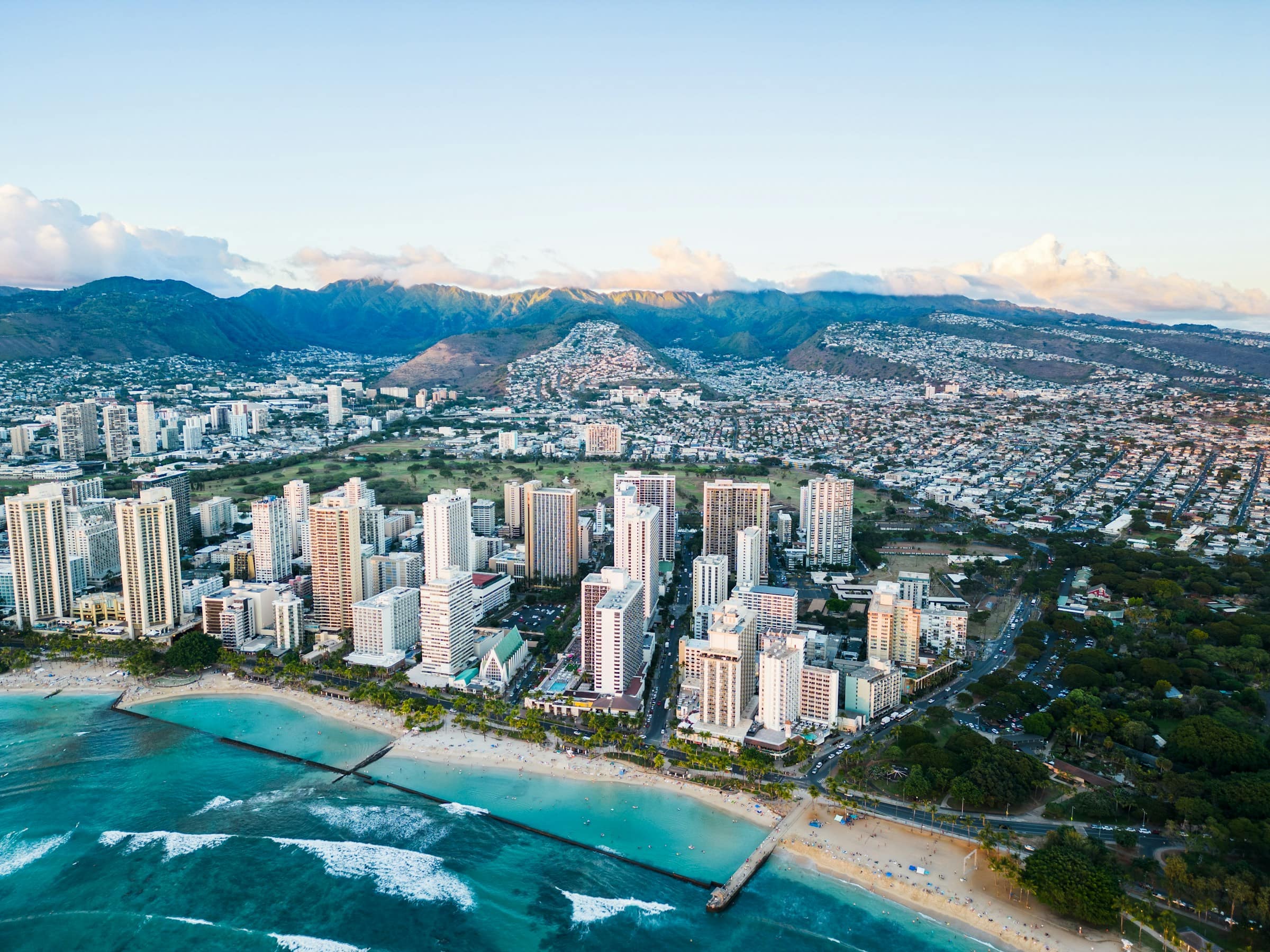
Oahu: Urban Honolulu, Waikiki Beach, North Shore surfing environments, Pearl Harbor, jungle ridgelines above the city, and the diverse architecture of Chinatown and historic downtown
Maui: The Hana coast road and jungle, the summit and lunar landscape of Haleakala, the historic whaling town of Lahaina (being rebuilt after the 2023 fires), and pristine beaches
Kauai: The Napali Coast's dramatic sea cliffs, the Waimea Canyon, lush jungle valleys, and isolated beaches that have appeared in dozens of major films
Big Island: Active volcanic landscapes at Hawaii Volcanoes National Park, black sand beaches, coffee plantation country, and dramatic ocean views
Production Support Infrastructure
Oahu has the strongest production infrastructure in the state, with experienced local crew, production support companies, equipment houses, and stage space. The island's proximity to the film industry and its long history of major productions has built a genuine professional crew community. The Hawaii Film Office maintains a crew directory and provides active production support.
Neighbor islands have smaller crew pools, which means productions planning extensive neighbor island shoots should plan to bring more crew from the mainland or Oahu. However, the enhanced 27% credit rate on neighbor island costs (plus potential local hire bonus) provides meaningful financial compensation for the logistical complexity of island-to-island production.
Notable Productions
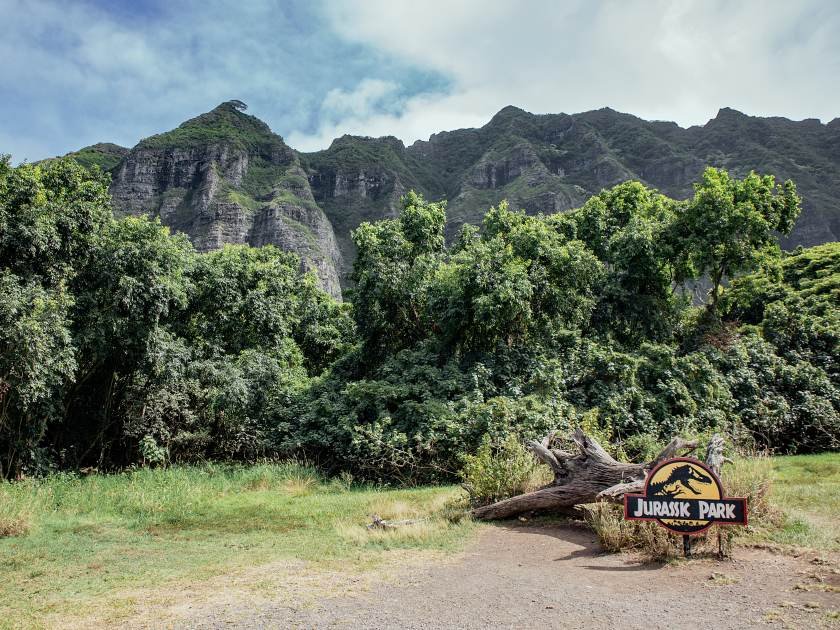
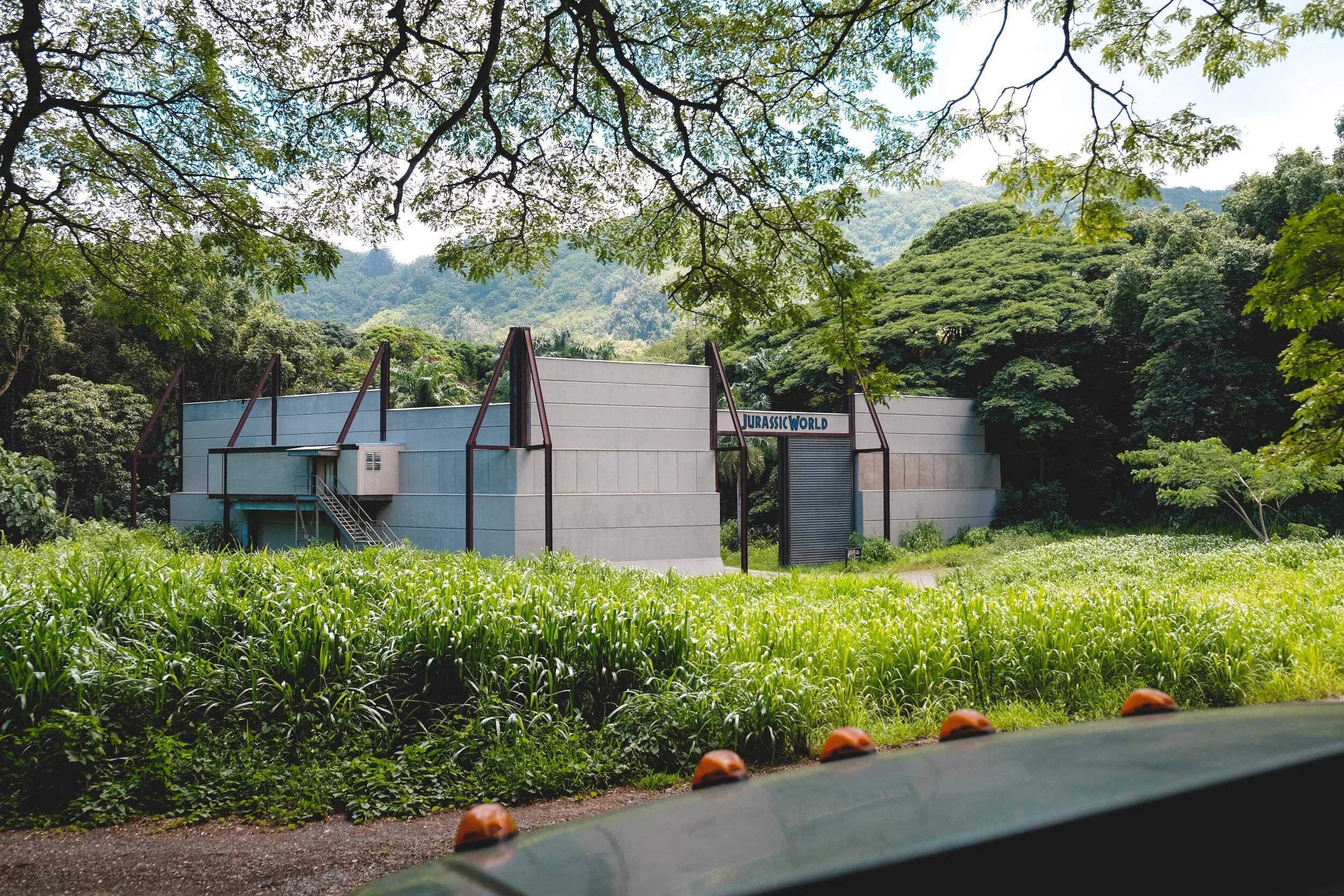
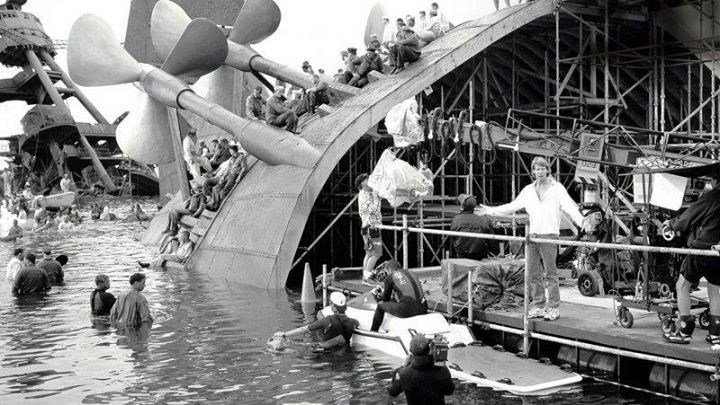
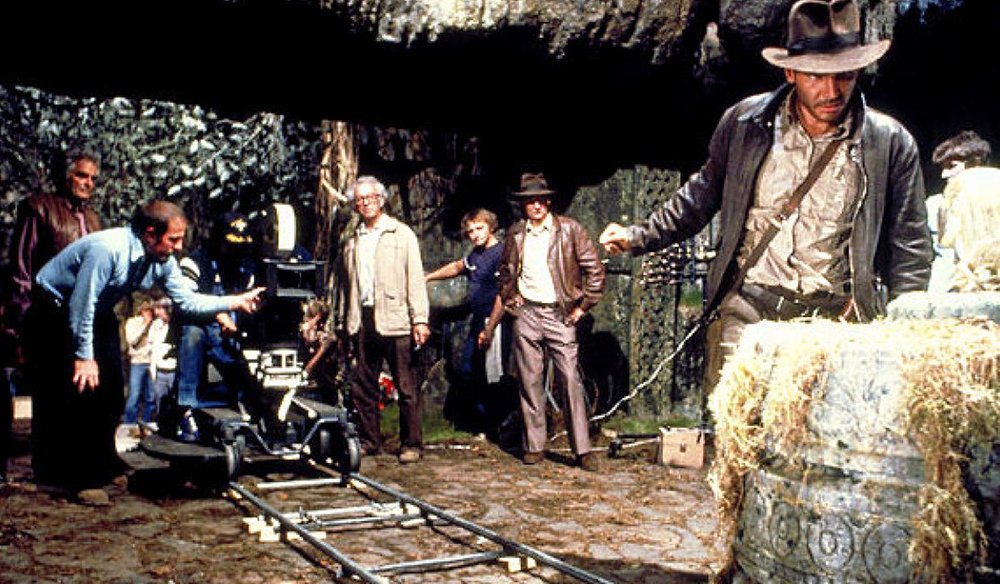
Hawaii has hosted a remarkable roster of major productions over the decades, from Jurassic Park to Raiders of the Lost Ark to various seasons of major television series. The state's locations appear so frequently in major productions that Hawaii's environment is one of the most recognizable in global cinema and television. This production history has built a sophisticated local industry that understands the specific challenges and opportunities of filming in the islands.
Practical Considerations for Hawaii Productions
Shipping and Equipment Logistics
All equipment not available locally must be shipped to Hawaii, which adds cost and lead time to production planning. Productions should identify what equipment can be sourced locally (through Hawaii-based rental companies) and what must be shipped, and build shipping costs and timelines into their production budget and schedule. Shipping costs count as Hawaii expenditures if paid to Hawaii carriers for domestic island-to-island transport.
Weather and Natural Hazard Planning
Hawaii's weather can be unpredictable, particularly in mountain and coastal environments. Productions planning outdoor shooting should build weather contingency days into their schedule. The state's volcanic activity, particularly on the Big Island, is another consideration for productions planning Hawaii Island shoots. A weather consultant familiar with specific Hawaii microclimates is a valuable investment for productions with complex outdoor schedules.
Contact and Resources
Hawaii Film Office: 250 S. Hotel St., Suite 510, Honolulu, HI 96813. Phone: (808) 586-2570. Website: filmoffice.hawaii.gov.
DBEDT Production Tax Credit Hub: dbedtfilmtaxcredit.ehawaii.gov. Online portal for credit registration and filing.
Frequently Asked Questions
What is Hawaii's film tax credit rate?
22% on qualified production costs incurred on Oahu; 27% on costs incurred on the neighbor islands (Maui, Big Island, Kauai, Lanai, Molokai). An additional 5% is available for productions with at least 80% local (Hawaii resident) workforce, potentially reaching 32% on neighbor island productions.
Is Hawaii's film tax credit refundable?
Yes. Hawaii's film tax credit is fully refundable, meaning the state pays the credit amount directly to the production company regardless of Hawaii tax liability.
What is the annual cap for Hawaii film credits?
$50 million per calendar year across all productions, with a per-project cap of $17 million.
What is the minimum spend to qualify in Hawaii?
$100,000 in qualified Hawaii production expenditures. This is one of the lowest minimums of any active state program.
Do I have to hire Hawaii residents to get the credit?
No. The base credit applies to all qualified Hawaii production costs regardless of where crew are from. However, hiring at least 80% Hawaii residents unlocks an additional 5% credit on top of the base rate.
What is the GET and do productions have to pay it?
Hawaii's General Excise Tax (GET) applies to business transactions in Hawaii. Productions must understand their GET obligations separately from the film tax credit. Consult a Hawaii tax professional for GET guidance specific to your production's activities.
Hawaii Film Office:
Applying for the credit?
Get Free Template
Use our budget template to add qualified expenses to the proper chart of accounts as required by the state.