Jerusalem Film Festival
About
Israel's premier international film festival. An Oscar qualifier.
Submit
Submission Page
Type
Film Festival
Time of Year
July
Qualifies For
—
Template
Browse All
About the Jerusalem Film Festival
The Jerusalem Film Festival was founded in 1984 by Lia van Leer, director of the Jerusalem Cinematheque and founder of the Israel Film Archive, and has grown into Israel's largest and most prestigious international film festival. Held each July at the Cinematheque Jerusalem on Hebron Road, overlooking the ancient walls of the Old City and the valley below, the festival brings more than 200 films from over 60 countries to one of the most historically and culturally charged cities on earth. The opening ceremony traditionally takes place at Sultan's Pool, a vast outdoor amphitheater beneath the walls of Jerusalem, which sets the tone for a festival that understands that where a film is seen shapes how it is felt.
Van Leer created the festival after serving on the jury at the 1983 Cannes Film Festival, returning to Jerusalem with a conviction that Israeli audiences deserved direct access to the best of world cinema. The inaugural 1984 edition drew remarkable international attention, with figures including Warren Beatty, Lillian Gish, and Jeanne Moreau traveling to Jerusalem for the occasion. From the beginning, the festival positioned itself not as a regional showcase but as a fully international event with a specific and irreplaceable location. That position has held for four decades.
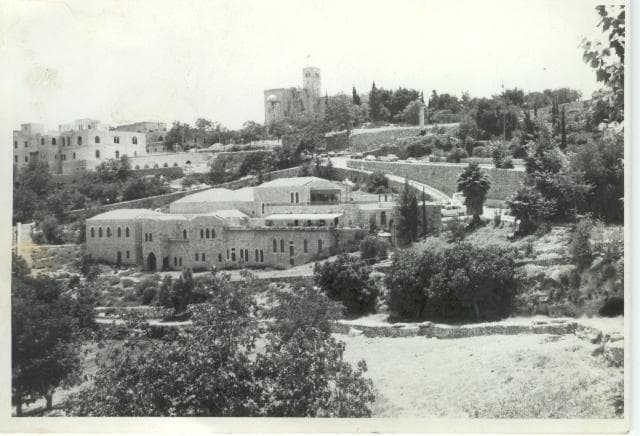
The festival's institutional home, the Jerusalem Cinematheque, is itself one of the foundations of Israeli film culture. Van Leer opened it in 1981 within the Jerusalem Film Center complex in the Hinnom Valley, housing the Israel Film Archive she had originally built from her personal collection beginning in 1960. The Cinematheque is not simply a venue for the annual festival: it is a year-round film institution with repertory programming, educational initiatives, and the archive that preserves Israeli cinema's history. The festival and the Cinematheque are inseparable, and the depth of the institution behind the festival is part of what distinguishes Jerusalem from other international events.
The festival's top prizes are the Wolgin Awards, named for the philanthropic family whose support has been central to the event for decades. The Wolgin Awards cover Israeli feature films and documentaries and carry both financial value and the kind of industry recognition that shapes careers in the Israeli film world. Since its founding, the festival has distributed nearly ten million dollars in prizes across its various competitions, making it one of the most financially significant festivals for Israeli filmmakers anywhere in the world.
Festival Submission Fees
Submission Fees
Jerusalem Film Festival

Fees are estimated based on festival type and region. Please verify current submission fees on the festival's official website or FilmFreeway listing. Location: Jerusalem, Israel
Competition Sections
The Jerusalem Film Festival runs a multi-track competitive program covering Israeli cinema, international features, documentary film, and short films. Each track has its own jury and its own prize structure, and together they reflect the festival's dual commitment to serving the Israeli film industry and to presenting world cinema of genuine quality to Jerusalem audiences.
The Israeli Cinema Competition is the most significant platform for Israeli narrative features anywhere in the world. Films eligible for this section must be Israeli productions or co-productions and must hold their Israeli premiere at the festival. The Wolgin Award for Israeli Feature Films is the top prize in this section, and winning or even competing here carries substantial weight with Israeli distributors, broadcasters, and the broader industry that shapes which Israeli films reach international markets. The section functions as an annual survey of Israeli narrative filmmaking and a barometer of where the industry is artistically and commercially.
The International Feature Competition screens narrative features from across the world that have not previously been shown in Israel. This section brings the Jerusalem audience into direct contact with the year's most significant international cinema and positions the festival as a genuine point of access to global film culture rather than simply a showcase for domestic production. Jury prizes recognize direction, performance, and overall achievement across the international field.
Documentary competition at Jerusalem is divided between Israeli documentaries and international documentaries, with dedicated prizes in each category. Israel has one of the most active documentary traditions in the world, and the Israeli documentary competition is a central platform for work that engages with Israeli society, politics, history, and culture from inside the community that lives those subjects. The Haggiag Award is given within the documentary program to films that address human rights themes with particular clarity and force, recognizing the festival's long commitment to cinema that bears witness.
Short film competition at Jerusalem covers both Israeli and international short work, with jury prizes in each category. The shorts program is one of the festival's important incubators: Israeli short filmmakers competing here are often at the beginning of careers that will pass through the feature competitions in later years. The Wim van Leer Award, established by Lia van Leer in memory of her husband, supports high school filmmakers and represents the festival's investment in the generation of filmmakers still being formed.
Beyond competition, the festival runs thematic sidebars, retrospectives, and the Pitch Point initiative, a development platform launched in 2005 that allows Israeli filmmakers to present projects in development to international industry professionals. Pitch Point reflects the festival's understanding that its most durable contribution to Israeli cinema is not simply screening finished films but supporting the work that becomes the next generation of finished films.
Jerusalem and Israeli Cinema
Israeli cinema has a history that is inseparable from the history of the state itself, and the Jerusalem Film Festival has been one of the primary institutions through which that cinema has found its international footing. Israeli films have won major prizes at Cannes, Berlin, and Venice, and the directors, cinematographers, and actors who created those films often had their first significant platform at Jerusalem. The festival functions not only as a showcase but as a proving ground, and its four decades of accumulated credibility mean that a Wolgin Award carries real weight with international programmers and buyers.
The Israeli film industry works in Hebrew and, to a lesser but significant degree, in Arabic. Films made by Israeli Arab filmmakers, films that explore the perspectives and experiences of Palestinian citizens of Israel, and films that engage directly with the Israeli-Palestinian conflict have all been part of the Jerusalem program. The festival's willingness to screen work from across the full complexity of Israeli society, including voices that challenge and complicate official narratives, is part of what has given it credibility as an artistic institution rather than simply a promotional vehicle for a national cinema.
Israel's documentary tradition is particularly strong, driven in part by a culture of vigorous public debate and in part by the abundance of historical and political material that Israeli documentary filmmakers have close access to. The country produces documentaries that screen at major international festivals and win international prizes at rates far out of proportion to the size of its industry, and the Jerusalem festival's dedicated Israeli documentary competition is one of the primary platforms through which that work reaches audiences and industry attention. Films that have premiered at Jerusalem have gone on to Oscar nominations, streaming acquisitions, and theatrical runs in markets far beyond Israel.
Jerusalem itself is not a neutral backdrop for a film festival. The city is simultaneously the spiritual center of three world religions, the capital of Israel and the claimed capital of a Palestinian state, a place of immense archaeological depth and ongoing contemporary conflict, and a functioning city of over a million people. Films that screen in Jerusalem, whether or not they concern any of this directly, screen in a context that Israeli and many international audiences feel with particular acuity. The Cinematheque's physical position, overlooking the Old City and the valley that divides it from the neighborhoods of West Jerusalem, is itself a kind of statement about what it means to make and watch cinema here.
What Programmers Look For
The Jerusalem Film Festival programs for an audience that is both internationally cosmopolitan and deeply locally specific. Jerusalem audiences bring a sophisticated engagement with world cinema alongside intense personal investment in films that address Israeli society, regional politics, and the particular textures of life in this part of the world. The festival looks for work that can hold its own in front of that audience, which means both formally accomplished international cinema and Israeli work with genuine artistic ambition rather than merely competent execution.
For the Israeli feature and documentary competitions, premiere status within Israel is the central eligibility requirement. Films with prior Israeli exhibition, including festival screenings, are generally ineligible for competitive consideration. The festival functions as the launch platform for Israeli work, not a second or third window, and filmmakers and producers who want to compete should plan their festival strategy accordingly. The decision to premiere an Israeli film at Jerusalem rather than at a European festival first is a significant strategic choice that affects both the domestic career of the film and how it reaches international markets.
The human rights documentary strand, anchored by the Haggiag Award, looks specifically for documentary work that addresses human rights themes with rigor and craft. This strand has a track record of recognizing work from conflict zones and situations of political repression from across the world, not only from Israel and the Middle East. Filmmakers whose documentary work addresses these themes should understand that Jerusalem has a particular frame of reference for such material and an audience that engages with human rights cinema from a position of direct familiarity with what is at stake.
International films in competition must hold their Israeli premiere at the festival. Given that Israeli theatrical distribution for international arthouse and documentary cinema is limited, this requirement is generally not difficult to meet for films that have not been specifically targeted for Israeli release prior to the festival. The festival is genuinely the point of first contact between most international competition films and Israeli audiences, which gives those screenings a particular energy.
Pitch Point submissions for projects in development are evaluated on the strength of the project concept, the filmmaker's track record, and the commercial and artistic potential of the work. The initiative is designed to connect Israeli filmmakers with international co-production partners and financing, and the festival looks for projects that can credibly travel into international markets while remaining grounded in specifically Israeli material.
Submission Guide
Submissions to the Jerusalem Film Festival are accepted through the festival's official website at jer-cin.org.il and through FilmFreeway. The festival runs each July, typically over ten days, with the 2025 edition scheduled for July 17 through July 26. The submission cycle for each edition opens in the spring, with deadlines falling in the months before the July festival. Filmmakers should check the official festival site for the specific deadline schedule for each edition, as windows and fees shift from year to year.
Israeli films in the feature and documentary competitions must hold their Israeli premiere at the festival. This is a firm requirement, not simply a preference: films that have previously screened in Israel through any public exhibition are ineligible for competitive consideration. Israeli filmmakers whose work is approaching completion should plan their submission and premiere timing with this requirement in mind from early in post-production.
International films in the International Feature Competition and the International Documentary Competition must similarly hold their Israeli premiere at Jerusalem. The requirement does not extend to world premiere status: films that have premiered at Cannes, Berlin, Sundance, or other international festivals are eligible to compete at Jerusalem provided they have not previously screened in Israel. This means the Jerusalem competition regularly includes significant international titles alongside less-traveled work, giving Israeli audiences access to films they may have seen reviewed from international festivals over the preceding months.
Short film submissions are accepted from both Israeli and international filmmakers across all genres and production approaches. The festival has historically been open to experimental, animated, and hybrid work alongside conventional narrative and documentary shorts. Runtime limits vary by competition category and are specified in the submission guidelines on the festival website.
The Pitch Point initiative for projects in development accepts applications from Israeli filmmakers who have a project at script or early development stage. Applications are evaluated by the festival's industry team, and selected projects are given structured presentation opportunities with international industry guests. Filmmakers interested in Pitch Point should consult the festival website for specific application requirements and deadlines, which run on a separate cycle from the film submission process.
For submission questions, premiere eligibility clarifications, and general festival inquiries, filmmakers can reach the festival through the contact details at jer-cin.org.il. The festival team responds to inquiries during business hours in Israel, and filmmakers outside the region should account for the time difference when planning outreach.
Frequently Asked Questions
What is the Wolgin Award?
The Wolgin Award is the Jerusalem Film Festival's top prize for Israeli cinema, awarded to the best Israeli feature film and the best Israeli documentary in competition each year. Named for the Wolgin family, whose philanthropy has been central to the festival's operations across its history, the Wolgin Awards carry both prize money and significant industry recognition within the Israeli film world. Winning a Wolgin Award is one of the most visible signals of achievement available to an Israeli filmmaker working in features or documentary, and the prize has been awarded to films that have gone on to major international careers.
How does the Jerusalem Film Festival compare to the Haifa International Film Festival?
The Haifa International Film Festival was founded in 1983, one year before Jerusalem, and bills itself as Israel's pioneering international film festival. Haifa runs during the Sukkot holiday in late September or October, while Jerusalem takes place in July. Both festivals feature Israeli and international competition, but their characters differ. Haifa screens approximately 170 films across seven theaters in a Mediterranean port city with its own distinct atmosphere; Jerusalem screens over 200 films from more than 60 countries in a city whose weight and significance are of a different order. Jerusalem is generally regarded as Israel's most prestigious film festival in terms of international profile and the scale of its prize program, while Haifa occupies a different but complementary position in the Israeli festival calendar. Israeli filmmakers often regard the two festivals as serving different strategic purposes rather than being direct competitors.
What is the Haggiag Award?
The Haggiag Award is the Jerusalem Film Festival's prize for human rights documentary filmmaking. It is awarded to documentary films in competition that address human rights themes with particular seriousness, rigor, and cinematic craft. The award reflects the festival's long-standing commitment to documentary cinema that bears witness to injustice and repression, and it has been given to films from across the world dealing with a wide range of human rights situations. The Haggiag Award is one of the more distinctive prizes in the Israeli film festival landscape, recognizing a strand of documentary work that the Jerusalem setting and the festival's institutional identity make particularly meaningful.
What makes the Jerusalem setting unique for a film festival?
Jerusalem is one of the most historically and spiritually charged cities on earth, a place that three world religions regard as sacred and that has been a site of political contest, cultural creation, and human suffering for millennia. Watching films in Jerusalem, particularly films that engage with questions of identity, conflict, belonging, and justice, carries a weight that the setting itself provides without any programming choice needing to amplify it. The Cinematheque's physical position, overlooking the Old City and the valley that separates ancient and modern Jerusalem, means that audiences move between the interior world of the films being screened and a view that compresses centuries of human history into a single frame. No other film festival has this particular combination of physical setting and cultural context, and filmmakers who have screened work at Jerusalem often describe the experience of doing so as unlike any other festival they have attended.
Is the festival accessible to international filmmakers?
Yes. The Jerusalem Film Festival welcomes international submissions in all categories and regularly programs work from across Europe, North America, Asia, Africa, and Latin America in its international competition sections. International filmmakers attending the festival find a city that, while complex and sometimes tense, is highly functional for visitors, with a full infrastructure of hotels, restaurants, and cultural institutions. The festival provides support to filmmakers whose work is selected for competition, including accommodation assistance and the logistical support that most international festivals of this scale offer to their guests. English is widely spoken in Jerusalem, and the festival operates in English as well as Hebrew.
When are submissions open?
The Jerusalem Film Festival's submission cycle opens each year in the spring, with the festival itself running in July. Submission deadlines typically fall in the months between March and June, with early, regular, and late deadline tiers carrying different fee levels. Israeli filmmakers with competition-eligible projects should begin the submission process as early as possible to take advantage of lower early fees and to allow adequate time for the festival's eligibility review, particularly for the Israeli premiere requirements that apply to both domestic and international competition sections. Filmmakers should check jer-cin.org.il and the festival's FilmFreeway listing for the current deadline schedule for each edition.
Submit Your Film
The Jerusalem Film Festival accepts submissions through jer-cin.org.il and FilmFreeway for its July festival at the Cinematheque Jerusalem. Israeli features and documentaries must hold their Israeli premiere at the festival to be eligible for competition. International features and documentaries must hold their Israeli premiere at Jerusalem but may have premiered previously at other international festivals. Short film competition is open to Israeli and international filmmakers in all genres. If your film is ready for its Israeli audience, submit through the official festival website and plan your premiere timing to meet the eligibility requirements that have made Jerusalem one of the most significant platforms for Israeli cinema and a genuine international destination for world cinema.
Awards & Recognition
Jerusalem Film Festival presents awards across its competition sections, recognizing excellence in filmmaking across multiple categories. Competition awards represent meaningful recognition from a distinguished jury of film professionals.
Award categories typically include recognition for Best Film, directorial achievement, performance, and short film excellence. Winning or being shortlisted at Jerusalem Film Festival provides a meaningful credential for press materials, distribution discussions, and future festival submissions.
Festival Leadership & Programmers
Jerusalem Film Festival is guided by a dedicated team of programmers and arts administrators who collectively bring deep knowledge of world cinema to the selection process. The festival's programming team works year-round reviewing submissions, attending international festivals, and cultivating relationships with filmmakers from around the world.
Plan every dollar of your festival run in Saturation
Map deadlines on the calendar, schedule submission payments, and report on campaign spend from one production budget.