DMZ International Documentary Film Festival
About
Founded in 2009, the DMZ International Documentary Film Festival runs annually each September, October across Goyang and Paju in South Korea's Gyeonggi Province, less than 20km from the Korean Demilitarized Zone. It programs documentaries addressing peace, coexistence, and reconciliation, with a ₩15 million Grand Prize.
Submit
Submission Page
Type
Film Festival
Time of Year
September
Qualifies For
—
Template
Browse All
About DMZ International Documentary Film Festival
The DMZ International Documentary Film Festival was founded in 2009 and runs annually across two host cities in South Korea: Goyang and Paju in Gyeonggi Province. It is jointly presented by Gyeonggi Province, Paju, and Goyang, the kind of multi-party governmental sponsorship that gives the festival institutional stability beyond what most festivals at this scale can claim.
The festival's location is editorially significant. Held less than 20 kilometers from the Korean Demilitarized Zone, the festival's curatorial focus on peace, coexistence, and reconciliation is grounded in geography. The DMZ, one of the most heavily militarised borders in the world, sits at the centre of the festival's identity rather than as background context. Programming emerges from that frame: documentaries that engage with division, conflict, memory, and reconciliation have a natural home here.
Festival Submission Fees
Submission Fees
DMZ International Documentary Film Festival

Major South Korean documentary festival near the DMZ. Typically free submissions. Verify current policies on official website.
When and Where the Festival Runs
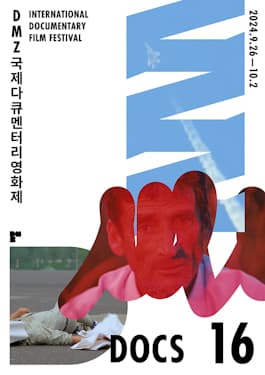
The festival runs as a seven-day event typically scheduled in September or October. The 2024 edition (the 16th) presented 140 documentaries from 43 countries, opening with Nishtha Jain's Farming the Revolution and closing with Arnaud Desplechin's Filmlovers!.
Programming Sections
DMZ's programme is organised around four primary sections:
- International Competition, the festival's flagship competitive section
- Korean Competition, for Korean documentaries
- Youth Competition, emerging and student work
- Audience Selections, programmed for general audiences alongside the competitive sections
Awards
DMZ's awards are unusually substantial in cash terms for a documentary festival of this size:
- White Goose Award, Grand Prize, ₩15 million
- Best Korean Documentary, ₩10 million
- Audience Award, ₩3 million
- Youth Documentary Award, ₩1 million
The 2024 White Goose Award (Grand Prize) went to In Limbo by Alina Maksimenko. Past notable winners include filmmakers Yang Yong-hi, Abbas Fahdel, and Jin Mo-young.
Submitting to DMZ
Filmmakers should review the official festival guidelines for current deadlines, eligibility, and category-specific criteria. The festival's focus on peace, coexistence, and reconciliation is genuinely a curatorial filter, work that engages substantively with those themes has a meaningfully different reception here than work submitted on general documentary-festival merits.
Strong submissions tend to share standard characteristics: a polished screener, an accurate synopsis, a director's statement that articulates the work's perspective and connection to the festival's focus, and complete production credits. The Korean Competition is scoped to Korean documentaries; the International Competition is open to documentary work from any country.
Awards Overview
DMZ's awards programme is unusually well-resourced for a documentary festival of this size, with substantial cash prizes attached to the principal recognitions. The White Goose Award (Grand Prize) carries ₩15 million; Best Korean Documentary carries ₩10 million; the Audience Award carries ₩3 million; and the Youth Documentary Award carries ₩1 million. For early-career documentary filmmakers in particular, those cash prizes can translate directly into the production budget for the next project — an unusually direct material support compared to the in-kind awards or smaller cash prizes typical at festivals of this scale.
Festival Leadership & Programmers
DMZ International Documentary Film Festival is guided by a dedicated team of programmers and arts administrators who collectively bring deep knowledge of world cinema to the selection process. The festival's programming team works year-round reviewing submissions, attending international festivals, and cultivating relationships with filmmakers from around the world.
Plan every dollar of your festival run in Saturation
Map deadlines on the calendar, schedule submission payments, and report on campaign spend from one production budget.