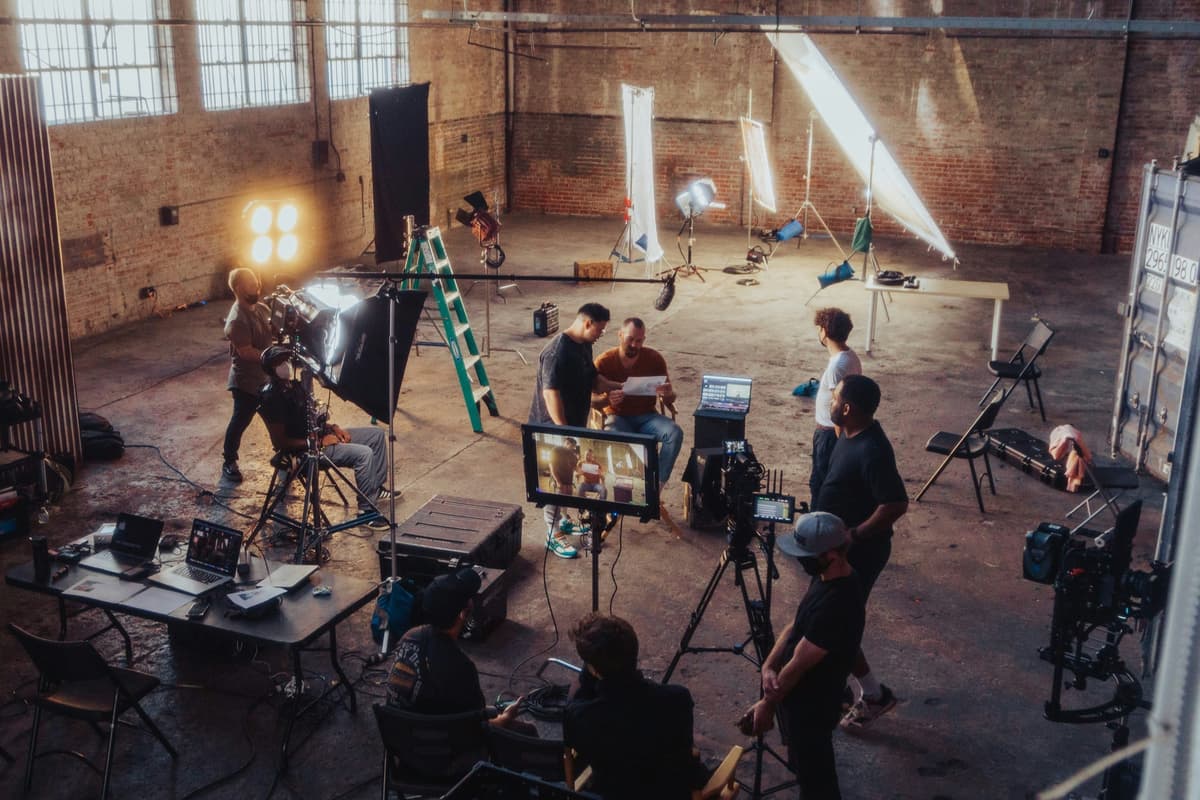
What is a Shadow Puppeteer?
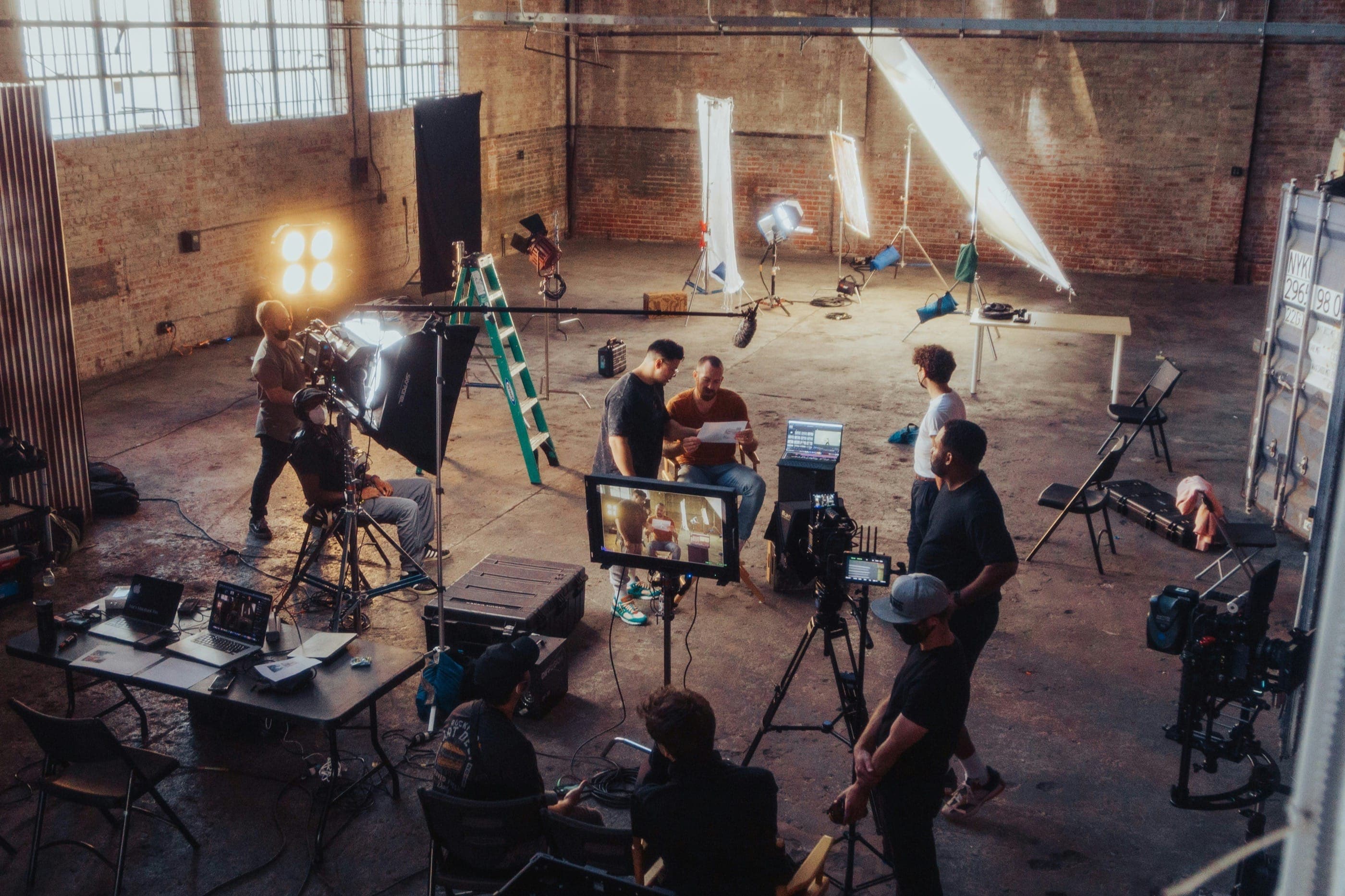
Overview
A Shadow Puppeteer is a unique and specialized role in the world of performing arts and, by extension, filmmaking. This professional is skilled in the ancient art of shadow play, where they manipulate puppets between a source of light and a translucent screen to create the illusion of moving images. In the context of film, a shadow puppeteer might be employed to create certain visual effects, tell a story, or provide an interlude that is stylistically different from the rest of the production.
Role & Responsibilities
The primary role of a Shadow Puppeteer involves the creation and manipulation of silhouettes or figures to cast shadow images on a screen. In filmmaking, this could be part of the narrative device, a way to convey a particular mood or theme, or serve as a unique form of visual storytelling within the film. The shadow puppeteer works closely with directors and cinematographers to design the desired scenes and bring them to life in a way that is cohesive with the film's overall aesthetic.
Skills Required
A skilled Shadow Puppeteer must have a blend of artistic and practical talents. They should possess manual dexterity and the ability to manipulate puppets with precision. A good sense of timing, rhythm, and an understanding of storytelling are critical to effectively conveying a narrative. Creativity, imagination, and the ability to visualize two-dimensional figures in motion are also essential. Additionally, it's important for a shadow puppeteer to collaborate well with other crew members and to adapt their creations to the director's vision.
Frequently Asked Questions
What does a Shadow Puppeteer do?
A Shadow Puppeteer is a unique and specialized role in the world of performing arts and, by extension, filmmaking. This professional is skilled in the ancient art of shadow play, where they manipulate puppets between a source of light and a translucent screen to create the illusion of moving images. In the context of film, a shadow puppeteer might .
What are the main responsibilities of a Shadow Puppeteer?
The primary role of a Shadow Puppeteer involves the creation and manipulation of silhouettes or figures to cast shadow images on a screen. In filmmaking, this could be part of the narrative device, a way to convey a particular mood or theme, or serve as a unique form of visual storytelling within the film. The shadow puppeteer works closely with.
What skills does a Shadow Puppeteer need?
A skilled Shadow Puppeteer must have a blend of artistic and practical talents. They should possess manual dexterity and the ability to manipulate puppets with precision. A good sense of timing, rhythm, and an understanding of storytelling are critical to effectively conveying a narrative. Creativity, imagination, and the ability to visualize.
What education or training do I need to become a Shadow Puppeteer?
Becoming a Shadow Puppeteer does not necessarily require a college degree. While there are educational programs in puppetry and theatre arts that can provide valuable skills and knowledge, many shadow puppeteers have gained their expertise through apprenticeships, workshops, or self-guided practice. A strong background in theatrical performance,.
Education
Becoming a Shadow Puppeteer does not necessarily require a college degree. While there are educational programs in puppetry and theatre arts that can provide valuable skills and knowledge, many shadow puppeteers have gained their expertise through apprenticeships, workshops, or self-guided practice. A strong background in theatrical performance, visual arts, or animation can be beneficial, but hands-on experience and a portfolio of work are often more important than formal education in this field.
Last updated October 24, 2026
Budget this role in seconds with Saturation
Rate packs, fringes, and phases turn a crew list into an accurate production budget without the spreadsheet math.
Rate packs
Verified union rates, versioned.


Fringes and markupsRebuilt
Stack them, cap them, and see the split on every line.
PhasesRebuilt
Every column knows its type.
Auto-fill
Rates fill in as you type, from the source you turned on.