What is a Foley Artist?
Overview
What Is a Foley Artist?
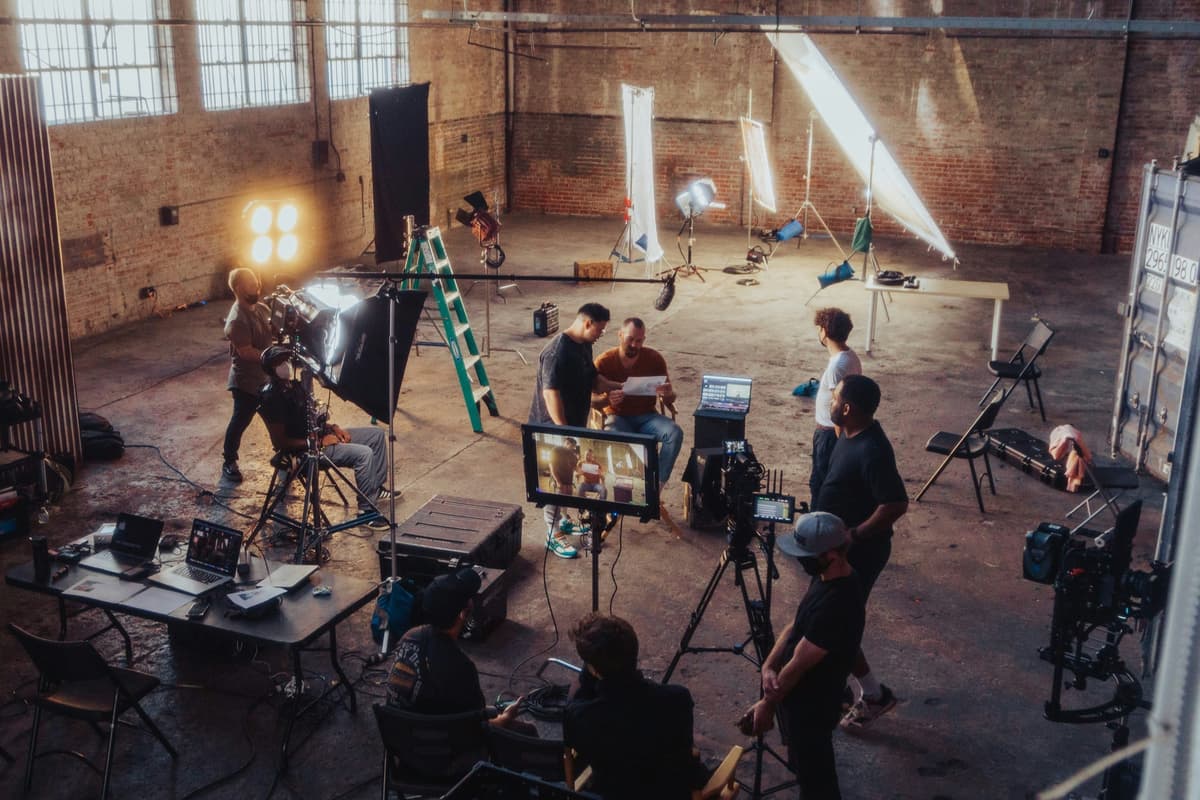
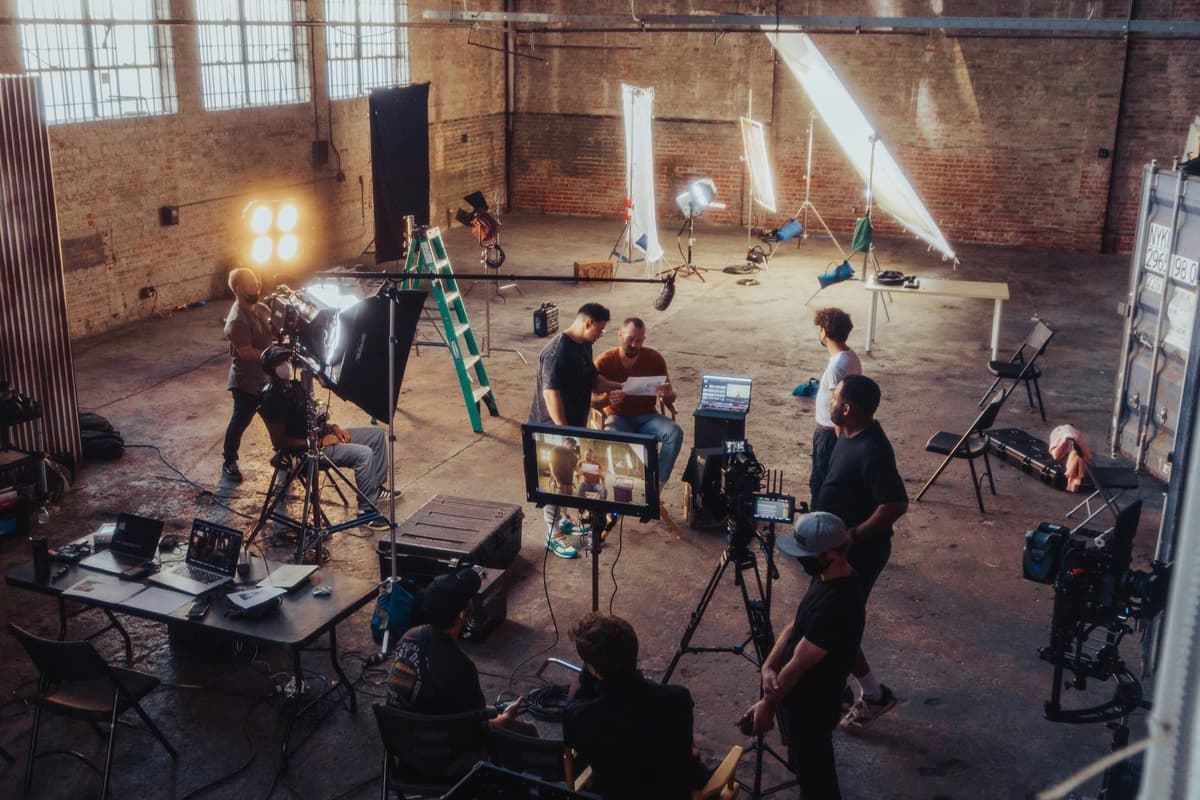
A foley artist is a post-production sound specialist who performs and records custom everyday sound effects synchronized to picture. While a film's production mixer captures dialogue on set, on-location ambient noise, wind, and equipment hum make those same recordings unusable for anything except the actors' words. Every footstep you hear on screen, every rustle of a leather jacket, every clink of a coffee cup—those sounds are performed live in a recording studio by a foley artist watching the cut on a projection screen.
The discipline takes its name from Jack Donovan Foley, a sound effects artist at Universal Studios who pioneered the technique during the transition from silent films to talkies in the late 1920s. When Show Boat (1929) needed crowd and marching sounds added in post-production, Foley assembled a small team to perform those effects live to picture—becoming the first dedicated practitioner of what is now a fundamental part of every professional film, television, streaming, and video game audio workflow.
Foley vs. Sound Effects vs. ADR
The post-production sound department is made up of several overlapping but distinct specialties that are frequently confused:
- Foley artist: Performs and records custom sound effects synchronized to picture on a foley stage. The work is live, analog, and performance-driven. The artist watches the screen and moves in real time.
- Sound effects editor: Searches and edits pre-existing sound effects library recordings (gunshots, explosions, vehicles, animals) to fit the edit. Works in a DAW, not on a stage.
- ADR (Automated Dialogue Replacement) artist / voice actor: Re-records dialogue (not sound effects) to replace unusable production audio. Actors return to a studio and lip-sync to their own performance.
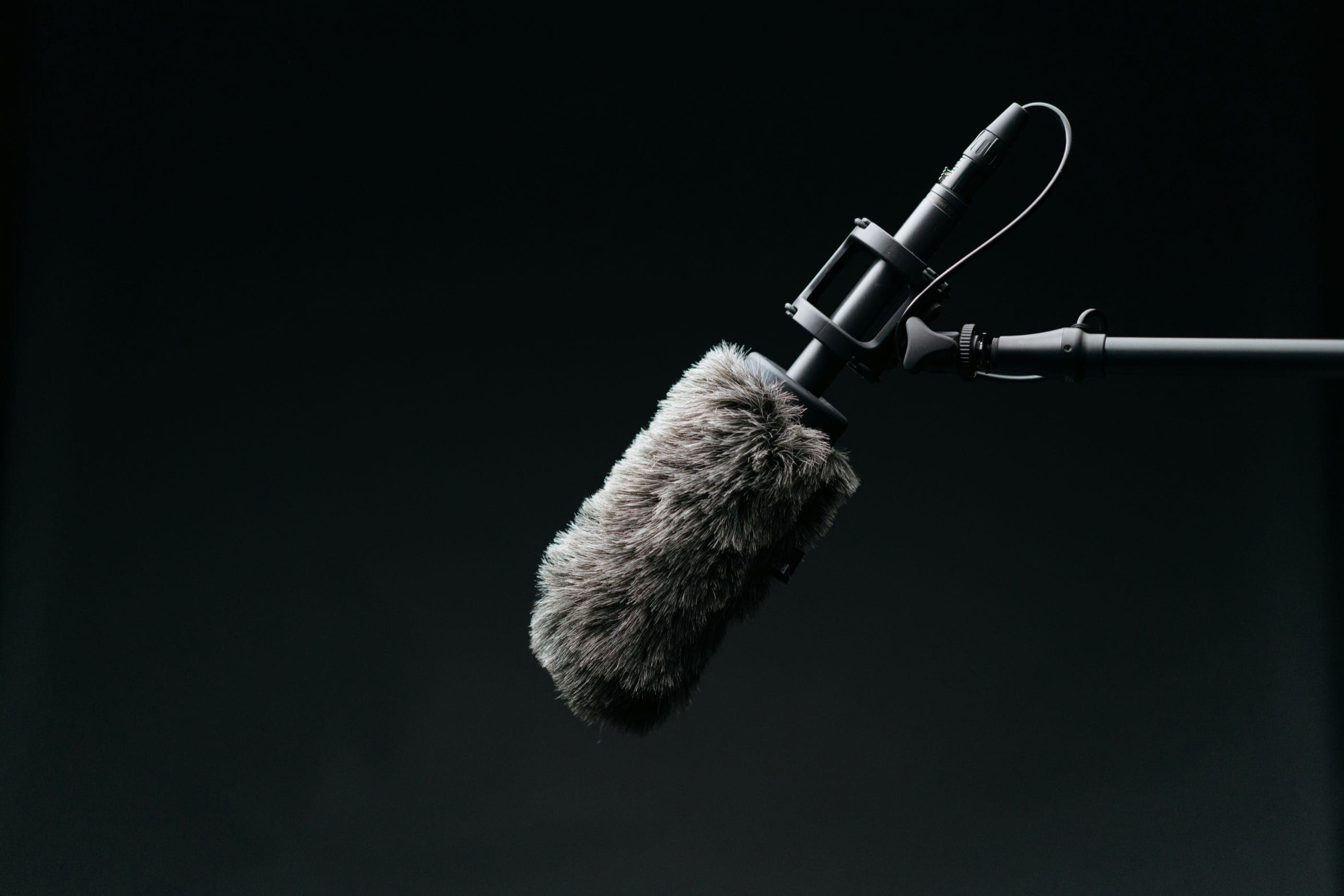
- Foley mixer: The recording engineer on the foley stage who operates the console, sets microphone placement, sets levels, and technically captures everything the foley artist performs. The artist and mixer are always a team.
- Supervising sound editor: Oversees the entire sound editorial department—foley, sound effects, dialogue, ADR—and delivers the final mix to the re-recording mixer.
Foley is uniquely human and performance-based. No library effect sounds quite right because no two actors walk, open a door, or set down a glass exactly the same way. Foley artists match the specific weight, tempo, and texture of on-screen action.
The Three Categories of Foley
Practitioners divide foley work into three primary categories that correspond to the types of sounds being created:
- Feet (Footsteps): The largest and most time-consuming category. Artists perform steps on pit surfaces—gravel, concrete, wood, carpet, grass, sand—matching the exact pace and character of each character's gait.
- Moves (Cloth / Body Movement): The rustle of clothing as characters move, sit, turn, and gesture. Artists hold and manipulate garments in front of a microphone while mirroring the character's body language.
- Specifics (Props): Any object interaction—picking up a phone, pouring a drink, loading a weapon, shuffling papers, closing a briefcase. Each prop sound is performed and recorded individually.
For productions using Saturation.io to manage their post-production budgets, foley is typically tracked as a line item under sound post, with foley artist day rates, foley stage rental, and foley mixer fees budgeted separately from ADR, sound editorial, and the final mix.
The Foley Stage
A foley stage is a purpose-built recording environment: acoustically treated, quiet, and stocked with dozens of surface types (wood plank floors, gravel pits, tile, carpet squares, grass patches, sand boxes) and hundreds of props organized for quick retrieval. A large projection screen displays the cut in real time while the artist performs, monitored by the foley mixer from an adjacent control room. Major facilities with dedicated foley stages include Todd-AO, Skywalker Sound, Warner Bros., and Sony Pictures in the US, as well as facilities in London, Rome (where foley remains a deeply refined craft), and Mumbai.
Role & Responsibilities
Day-to-Day Responsibilities
A foley artist's work begins well before walking onto the stage. The first task is a spotting session—watching the film in full with the supervising sound editor and foley mixer to identify every sound that needs to be performed. Scenes with complex footwork (running, dancing, a character limping), elaborate prop interaction (a kitchen scene, a gun fight, period-accurate tools), or extensive cloth movement (period costumes, superhero suits) are noted in a cue sheet that becomes the recording road map.
The Recording Process
On the foley stage, the artist and mixer work through the cue sheet systematically. The film rolls on the projection screen and the artist performs each sound category in passes:
- Feet pass: The artist walks, runs, shuffles, or stomps across different surface pits while watching the screen, matching the exact tempo, weight, and shoe type of each character. A single scene with four characters crossing a room may require four separate feet passes—each character has a different gait and footwear.
- Cloth pass: With garments matching or approximating the costumes on screen, the artist holds fabric near a microphone and moves in sync with the actor's body. The rustle of a silk dress differs completely from the creak of a leather jacket.
- Props pass: Every specific object interaction is recorded individually. The artist works from a prop table stocked with items appropriate to the scene—actual objects when possible, creative substitutes when not.
Each pass may be recorded multiple times before the foley mixer and artist are satisfied. The foley editor (a separate post-production role) then combs through the recordings, selects the best takes, and syncs them precisely in the DAW before handing off to the re-recording mixer for the final dub.
Creative Problem-Solving with Unconventional Props
One of the most celebrated aspects of the craft is its ingenuity. Because natural sounds rarely record the way they appear in real life, foley artists develop an extensive repertoire of substitutions:
- Celery or carrots snapped or crushed → bone-breaking impacts
- Cornstarch packed in a leather bag → footsteps in fresh snow
- Two halves of a coconut shell → horse hooves on cobblestones
- A leather wallet opened and closed → holster and gun leather
- Punching a phone book or a damp towel → boxing impacts
- A rubber glove pulled off fingers → alien skin or creature texture
- Dry pasta broken into a plastic bag → crackling fire
- A bowl of dog food slowly stirred → footsteps in mud
This creative lateral thinking is learned through years of practice. The best foley artists maintain mental libraries of substitutions developed across hundreds of projects.
Collaboration with the Sound Department
Foley artists do not work in isolation. Their primary collaborators are:
- Supervising Sound Editor: Sets the creative direction for the entire sound design, determines what foley coverage is needed, and signs off on all deliverables.
- Foley Mixer: The artist's constant partner on the stage. Handles microphone selection and placement, gain staging, and technical quality control. A skilled mixer can suggest prop adjustments or mic positions that transform an ordinary recording.
- Foley Editor: A separate post position that may or may not be the same person as the foley artist. Syncs all foley recordings to picture in Pro Tools, organizes tracks, and prepares the foley premix.
- Re-Recording Mixer: Combines all sound elements (dialogue, music, foley, sound effects) in the final mix. The quality of the foley handed off directly affects how smoothly this final stage goes.
- Picture Editor: Lock cuts with the foley artist in mind. Late picture changes after foley has been recorded require portions of the work to be re-done.
Types of Productions and Their Foley Demands
The scope and complexity of foley work varies significantly by production type:
- Feature films: Typically 5–15 foley recording days depending on complexity. Period films, action films, and films with elaborate sound design require the most coverage. A contemporary drama with minimal action may need fewer days.
- Television / Streaming episodic: Faster turnarounds—often 1–3 days per episode—demand a more efficient approach. Recurring sets and character footwear are tracked from episode to episode so the artist can replicate them precisely.
- Commercials: Very short recordings, but often highly demanding for sonic perfection in product sounds. A car commercial may spend an entire day perfecting the sound of a door handle.
- Video games: Among the most foley-intensive formats. Every possible player action—walking on dozens of surfaces, picking up every object type, every weapon reload—must be covered. Sessions can run for weeks.
- Animation: Since there is no production audio at all, everything must come from somewhere. Foley covers all character movement and prop interaction not handled by the sound effects library.
Union Affiliation
In the United States, foley artists working in film and television are covered by the Motion Picture Sound Editors (MPSE) guild and, for IATSE productions, may fall under various IATSE locals depending on the facility and contract. IATSE Local 700 (Motion Picture Editors Guild) covers a range of post-production sound roles. Streaming platforms operating under AMPTP agreements apply union rates and benefits to foley sessions on covered productions. Non-union foley work is common on independent films, short films, and lower-budget productions, with rates negotiated directly with the studio or post house.
Skills Required
Acute Hearing and Sonic Discrimination
The foundational ability for a foley artist is exceptional ears. You must be able to identify precisely what type of leather is being worn, whether the floor surface is hardwood or engineered wood, whether steps are flat-footed or heel-toe, and whether the weight of the movement matches the size and build of the character on screen. This level of listening discrimination is partly innate and partly developed through years of deliberate practice. Foley artists frequently describe the experience of watching a completed film after spending weeks on the foley stage: they can hear every single sound they performed, isolated from all other audio.
Physical Coordination and Body Awareness
Foley is a performance discipline. The artist watches a screen and moves their body—walking, reaching, turning, lifting—in precise synchronization with the actor. This requires:
- Strong proprioceptive awareness (knowing where your body is in space without looking)
- The ability to replicate a specific tempo and rhythm consistently across multiple takes
- Fine motor control for small prop manipulations performed near a sensitive microphone
- Stamina—footstep passes on a full-length feature can require hours of continuous walking on hard surfaces
- Adaptability to perform the same action at half-speed or double-speed when the editor needs it for a slow-motion or accelerated sequence
Many foley artists have backgrounds in dance, gymnastics, martial arts, or music performance. The body awareness developed in those disciplines transfers directly to foley work.
Creativity and Lateral Thinking
The gap between what a sound actually is and what sounds best on screen is enormous. Foley artists must constantly ask: what is the closest-sounding object I have access to that creates the emotional and textural impression of this sound? The creative substitution library built by experienced foley artists is the result of years of experimentation:
- Recognizing which surfaces, materials, and objects produce acoustically useful recordings
- Knowing when a literal prop will not record well and requires a substitute
- Understanding how microphone position and distance will color the sound
- Thinking systematically through a prop table to find unexpected solutions quickly during a session
This skill is the reason experienced foley artists are so valuable—their accumulated prop knowledge and sonic vocabulary cannot be replicated by someone without years of session work.
Synchronization to Picture
The defining technical skill of foley is sync. A footstep landed five frames late or early is immediately detectable to any viewer, even those with no audio training. The ability to watch a screen, anticipate the frame where a sound should land, and perform the physical action to hit that frame consistently—across hundreds of cues per session—is the core competency of the job. This synchronization skill is partly developed and partly intuitive, and is why experienced foley artists are far more productive than beginners even when they have comparable prop knowledge.
Prop Knowledge and Management
A professional foley artist maintains or has access to an extensive prop collection that may include:
- Multiple shoe types: heels, dress shoes, sneakers, boots, character shoes, period footwear
- Hardware and mechanical items: door handles, latches, locks, zippers, clips, buckles
- Paper, envelopes, books, newspapers in multiple weights and conditions
- Weapons: holsters, knives, gun handles, sword hilts
- Food items: produce that produces specific sonic textures when manipulated
- Fabrics: leather, silk, denim, wool, synthetics, period materials
- Miscellaneous: keys, coins, glasses, utensils, sports equipment
Knowing which prop produces which sound, which combinations work, and how to modify props quickly to change their acoustic character is a large part of what separates working foley artists from beginners.
Understanding of Film Sound Design
Foley does not exist in isolation. A foley artist who understands the full post-production sound workflow can deliver recordings that integrate seamlessly with the sound effects library, dialogue tracks, and music:
- Knowing when the supervising sound editor wants "full" foley coverage versus sparse coverage in a sequence with prominent sound effects
- Understanding how the re-recording mixer will balance foley relative to dialogue and score
- Recognizing when a period or genre demands specific foley aesthetics (a western needs different footstep textures than a contemporary drama)
Pro Tools Familiarity
While the foley mixer and foley editor handle the technical Pro Tools work during and after the session, a foley artist benefits from understanding:
- Session structure and how tracks are organized in a professional foley session
- How timecode works and why sync is communicated in frames, not seconds
- Basic playback navigation so they can call out specific timecodes when reviewing takes with the mixer
- The deliverable format expected by the supervising sound editor
Artists who also record and edit their own foley (more common in independent film and lower-budget work) need full Pro Tools proficiency including editing, clip gain, region management, and export.
Professionalism and Speed
Post-production schedules are tight. Foley sessions are budgeted in days, and overrunning creates cascading problems across the entire post schedule. Professional foley artists are prized for their ability to deliver broadcast-quality recordings quickly and consistently. This means:
- Arriving with props prepared and organized before the session begins
- Making confident decisions quickly rather than requiring extensive setup time
- Knowing when a take is good enough versus when it genuinely needs to be redone
- Maintaining energy and focus across long recording days
Salary Guide
Foley Artist Income Overview
Foley artist compensation is almost exclusively project-based and freelance. Unlike production roles that follow a film through prep, shoot, and wrap, foley is concentrated in post-production—typically a few days to a few weeks of intensive recording work. This means most working foley artists maintain a steady pipeline of overlapping projects rather than relying on a single long engagement, and they may supplement foley income with related post-production sound work between sessions.
According to ZipRecruiter's January 2026 data, foley artist annual salaries in the United States range from approximately $19,000 at the low end to $84,000 at the top, with the middle 50% earning between $36,500 and $58,000 per year. The Bureau of Labor Statistics classifies most foley work under SOC code 27-4014 (Sound Engineering Technicians), reporting a national median annual wage of approximately $62,390 as of May 2024 data. However, BLS figures aggregate all sound engineering technicians, including broadcast and live sound engineers, so the foley-specific figures from industry sources are a more accurate benchmark. See BLS Occupational Employment and Wage Statistics for full occupational data.
Day Rates by Experience Level
Because foley work is billed by the day, understanding day rates is more useful than annual salary figures for most working artists:
- Entry-level / Student / Indie: $150–$300/day on non-union independent projects. Many artists work for deferred pay or minimal rates on student films to build credits.
- Mid-level (3–7 years, non-union): $400–$700/day on commercial and independent productions. Television episodic in non-union markets may fall in this range.
- Experienced (IATSE / Union): $700–$1,200+/day on IATSE-covered productions. Union contracts set minimums; established artists may negotiate above scale.
- Top-tier (Feature film, major studio): $1,200–$2,000+/day for artists with major studio credits and established relationships at top facilities.
Union Rates and IATSE
In Los Angeles and New York, foley artists working on studio and major streaming productions operate under IATSE agreements. The Motion Picture Editors Guild (IATSE Local 700) covers many post-production sound roles. Under the AMPTP Basic Agreement, foley artists on covered productions receive:
- Minimum studio rates (negotiated periodically through the AMPTP Basic Agreement)
- Health and pension contributions through the IATSE National Benefits Fund
- Overtime provisions for sessions exceeding eight hours
- Holiday and turnaround protections
Foley mixers—who operate the console during sessions—are separately classified and typically earn higher rates than foley artists, reflecting the additional technical expertise required. A foley artist-mixer team on a studio feature might together bill $2,500–$4,000 per day for the stage session.
Market Differences: Los Angeles vs. New York vs. Other Markets
- Los Angeles: The highest volume and highest rates, with major studio facilities and streaming platform post work concentrated here. An experienced foley artist with studio credits can maintain a full calendar of work.
- New York: Strong market for episodic television, documentary, and commercial work. Slightly lower rates than LA for comparable work, but robust opportunities in advertising and independent film.
- London and Rome: European foley markets with strong traditions, particularly Rome where foley as a craft has historically been highly developed. US-based artists occasionally travel for major international co-productions.
- Atlanta, Albuquerque, Vancouver: Production incentive markets with growing post-production infrastructure. Foley work in these markets is typically sent to LA or NY facilities, though local post houses are developing.
Income by Production Type
- Feature film (studio): $800–$2,000+/day, 5–15 days total per production
- Feature film (independent): $250–$700/day, 3–10 days total
- TV episodic (network / major streaming): $700–$1,400/day, 1–3 days per episode
- TV episodic (cable / lower-budget): $350–$700/day
- Commercials: $500–$1,500/day; short sessions but often very well paid per day
- Video games: $500–$1,200/day; multi-week sessions are common, providing more stable income per project than film
- Animation: Similar to episodic TV rates; extensive coverage requirements
Income Stability and Career Trajectory
Berklee's career page for foley artist notes plainly that "work is intermittent" and that practitioners often take additional post-production sound roles between foley sessions. This is an accurate reflection of the market: there are relatively few full-time foley artist positions compared to the number of practitioners trying to make a living at it.
The career trajectory typically looks like this:
- Years 1–3: Student films, non-union independent features, building a credit list. Income may be minimal or deferred. Supplementary income from unrelated audio work is common.
- Years 3–7: Episodic television, mid-budget features, regular facility work. Income begins to stabilize in the $40,000–$70,000 range for active artists.
- Years 7+: Studio features, major streaming productions, IATSE membership. Top earners in this bracket can reach $80,000–$120,000+ in a busy year, though variability remains high.
The small size of the working foley community means that reputation and relationships are the primary drivers of career advancement. Artists who build trust with a small number of high-volume supervising sound editors can maintain near-continuous work; those without those relationships may face significant dry periods.
Frequently Asked Questions
What does a foley artist do?
A foley artist performs and records custom everyday sound effects synchronized to picture in a post-production recording studio called a foley stage. They create footsteps, clothing movement, and prop interaction sounds that replace or supplement unusable audio from the set. The work is performance-based: the artist watches the film on a projection screen and physically moves in real time to create sounds that match the on-screen action.
How is foley different from sound effects?
Sound effects (SFX) typically refers to pre-recorded library sounds edited by a sound effects editor in a DAW—gunshots, explosions, vehicles, animals, weather. Foley is specifically the live performance and recording of custom sounds on a foley stage, focused on the everyday human sounds of character movement and object interaction. The key distinction is that foley is performed live in sync with picture, while library sound effects are searched, selected, and edited to fit the cut.
How much does a foley artist make?
Foley artist compensation is project-based and varies significantly by experience and market. Entry-level work on indie projects may pay $150–$300 per day. Mid-level non-union work runs $400–$700 per day. Union (IATSE) productions in Los Angeles and New York range from $700 to $2,000+ per day for experienced artists. Annual incomes for active working foley artists typically fall between $40,000 and $90,000, though top earners on major studio productions can exceed $100,000 in a busy year. Work is intermittent; most artists maintain multiple overlapping projects.
How do you become a foley artist?
The path into foley runs almost entirely through apprenticeship and relationship-building rather than formal hiring. The most effective steps are: (1) gain audio education through a film school or audio post program, (2) intern or work as a runner at a post-production facility with a foley stage, (3) assist a working foley artist or foley mixer, (4) build credits on student films and low-budget independent productions, and (5) connect with the Motion Picture Sound Editors (MPSE) community. No specific degree is required, but a foundation in audio recording and film sound is strongly advantageous.
What is a foley stage?
A foley stage is a purpose-built, acoustically treated recording environment used for performing and recording foley. It contains multiple surface types (gravel pits, hardwood floors, tile, carpet, grass, sand) as well as hundreds of props organized for quick retrieval. A large projection screen displays the film in real time. The foley artist works on the stage floor while the foley mixer operates recording equipment from an adjacent control room. Major facilities with dedicated stages include Skywalker Sound, Formosa Group, Todd-AO, Warner Bros., and Sony Pictures.
Is foley artist a union job?
Foley work on major studio films and streaming productions covered by AMPTP agreements falls under union jurisdiction, typically IATSE Local 700 (Motion Picture Editors Guild). Union membership provides minimum rates, health and pension benefits through the IATSE National Benefits Fund, and overtime protections. However, a significant portion of foley work—including independent films, lower-budget productions, and much commercial and video game work—is done non-union, with rates negotiated directly between the artist and the production or post facility.
Is AI replacing foley artists?
AI audio synthesis is an active area of development, but has not displaced professional foley artists as of 2026. Researchers and practitioners consistently note that AI can approximate generic library sounds but cannot replicate the specific, character-matched, timing-precise performance required for high-end film and television foley. The analog, performance-based nature of foley—where the artist physically embodies the character's movement—produces a quality and specificity that current AI tools do not match. AI may eventually automate low-complexity foley coverage on lower-budget productions, but the craft at the professional level remains a human discipline.
Education
Is a Formal Degree Required?
No specific degree is required to work as a foley artist—unlike some entertainment professions, there is no licensing board, and production companies hire based on experience, credits, and reputation. That said, the path into foley is significantly eased by formal training in audio, film sound, or music production, primarily because foley stages do not advertise entry-level openings and the work is learned through apprenticeship rather than a job posting.
Film School and Audio Programs
The most common educational backgrounds among working foley artists include:
- Film production programs (BFA/BA): Programs at USC, NYU Tisch, AFI, Chapman University, Emerson College, and similar schools expose students to every phase of production and post, including sound design. Students who gravitate toward post-production sound often find their way to foley through elective coursework or student film work.
- Audio/music production programs (BM/BS): Berklee College of Music offers an Audio Post-Production concentration within its Electronic Production & Design program. Full Sail University, SAE Institute, and Columbia College Chicago offer similar dedicated audio post tracks.
- Sound design programs: Dedicated sound design MFAs (USC, NYU) or certificates are increasingly available. These programs cover the entire post-production sound pipeline, often including foley technique as a core component.
- Community college recording arts: A lower-cost pathway for students who want foundational audio recording knowledge before pursuing industry work. Not a substitute for a four-year program in terms of networking, but provides the technical foundation.
Berklee specifically notes that aspiring foley artists should be aware of the relatively small market—even in Hollywood, the community of working foley artists is tight. This makes the quality of your network more important than your degree.
What to Study
Whether in a formal program or self-teaching, the subjects most directly useful to a foley career are:
- Pro Tools: The dominant DAW in professional post-production sound. Fluency in Pro Tools is expected at all levels—even if the foley artist does not personally edit their recordings, understanding the session structure and workflow is essential for communicating with the foley editor and mixer.
- Microphone technique: Understanding polar patterns, proximity effect, frequency response, and gain staging allows foley artists to make intelligent decisions about how to position themselves relative to the mic for different sounds.
- Film sound theory: The Sonnenschein, Thom, and Murch literature on film sound—particularly Walter Murch's concept of synchresis (the mental fusion of a sound and an image even when they weren't recorded together)—provides intellectual grounding for what the foley artist is doing perceptually.
- Music and rhythm: Foley is fundamentally rhythmic. A strong sense of tempo, timing, and body awareness is more important than most people expect. Many successful foley artists have backgrounds in dance, martial arts, or music performance.
- Film editing basics: Understanding how a cut is structured—frame rates, picture lock, EDL exports—helps the foley artist communicate with the rest of the post-production team.
How to Break Into Foley: The Apprenticeship Path
Because foley stages are staffed by small, consistent crews with low turnover, the most reliable entry path is:
- Intern or work as a runner at a post-production facility with a foley stage. Facilities like Warner Bros. Post Production, Formosa Group, Signet Sound, or any boutique audio post house that offers foley services are the target. Entry-level positions may be labeled "facility runner," "studio assistant," or "audio post intern."
- Assist a working foley artist or foley mixer. Some established artists bring assistants to sessions who handle prop setup, surface management, and general stage logistics. This is the closest equivalent to a traditional apprenticeship.
- Build credits on student films, independent shorts, and low-budget features. These projects cannot afford professional foley rates and frequently welcome students and emerging practitioners. The credits and experience matter more than the pay at this stage.
- Build a prop collection and practice at home. Successful foley artists develop personal prop libraries over years. Starting early—even recording practice sessions against video clips on a home setup—builds the physical coordination and creative instincts required for professional work.
- Connect with the Motion Picture Sound Editors community and attend MPSE events. The Golden Reel Awards and MPSE networking events are where relationships in the post-production sound community are built.
Notable Foley Training Programs
- Berklee Online — Audio Post-Production certificate
- USC School of Cinematic Arts — Sound Design MFA
- Full Sail University — Recording Arts BS (audio post track)
- SAE Institute — Audio Engineering Diploma (post emphasis)
- The Los Angeles Recording School (LARS) — audio production programs
No program will hand you a foley career at graduation. Every working foley artist got their first credit through persistence, relationship-building, and a willingness to work on low-budget projects until their reputation was established.
Last updated August 31, 2026
Budget this role in seconds with Saturation
Rate packs, fringes, and phases turn a crew list into an accurate production budget without the spreadsheet math.
Rate packs
Verified union rates, versioned.


Fringes and markupsRebuilt
Stack them, cap them, and see the split on every line.
PhasesRebuilt
Every column knows its type.
Auto-fill
Rates fill in as you type, from the source you turned on.