What is a Flame Operator?
Overview
A Flame Operator is one of the most senior and specialized roles in post-production. Operating Autodesk Flame — the industry's most capable integrated finishing and visual effects platform — a Flame Operator is responsible for the final visual quality of film, television, and commercial projects. They work at the intersection of online editing, compositing, paint, and delivery, combining technical mastery with a refined artistic eye to produce pixel-perfect results under client deadlines.
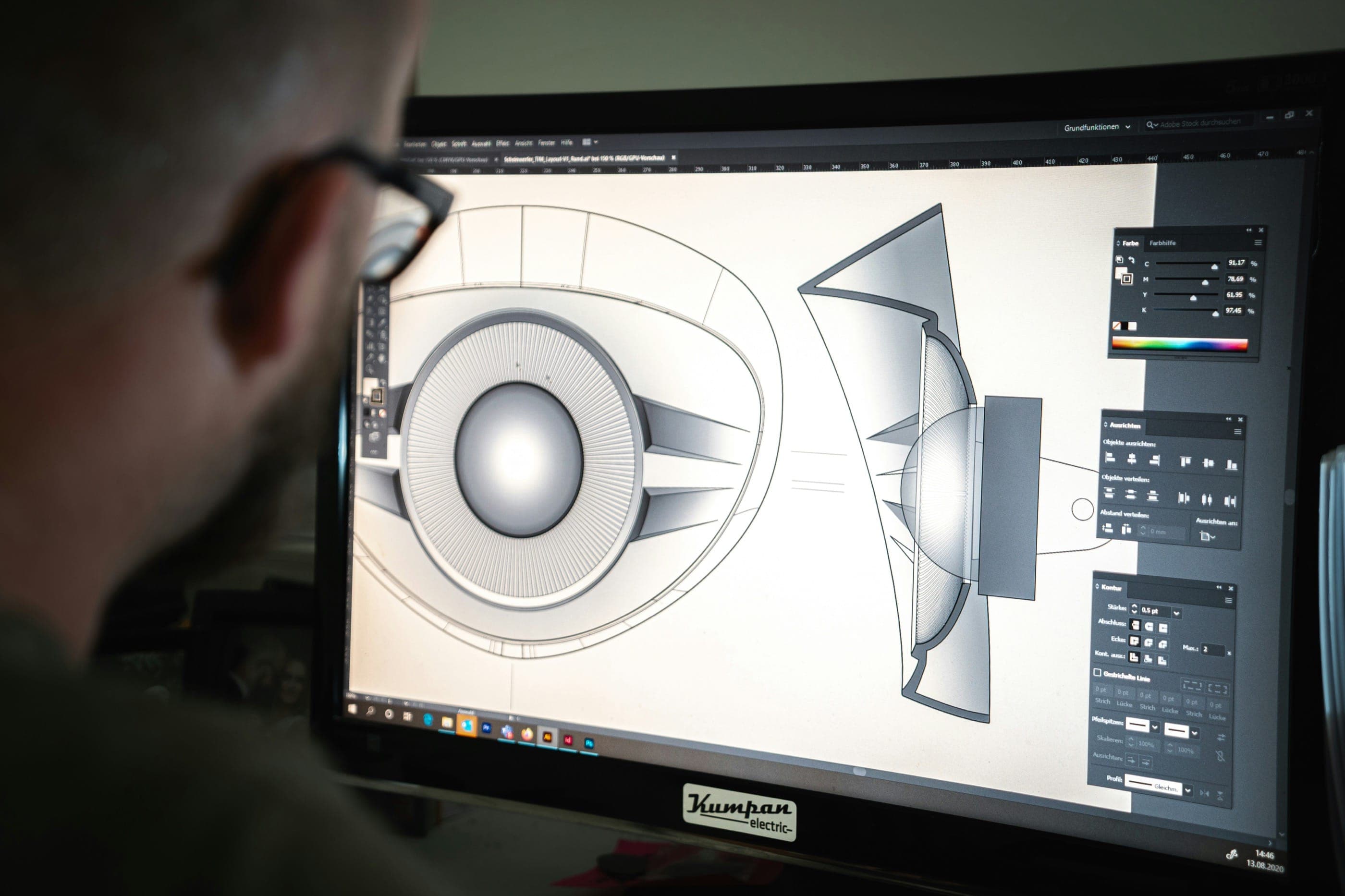
The term "Flame Operator" is used primarily in broadcast and commercial post-production, where the emphasis is on speed, precision, and direct client interaction. In feature film and streaming VFX pipelines, the same role is often called a Flame Artist or senior compositor. In both contexts, Autodesk Flame is the defining tool. Its integrated environment — combining a node-based compositing system, a timeline editor, a paint and roto workspace, and a 3D action module — allows the Flame Operator to complete work in a single application that would otherwise require multiple specialized tools.
Autodesk Flame has been the backbone of high-end commercial and television finishing for more than three decades. Its adoption at facilities like The Mill, MPC, Framestore, Smoke & Mirrors, and Company 3 reflects the software's position as the gold standard for finishing work that demands real-time playback, color-managed output, and complex VFX in the same workspace. The annual subscription for Autodesk Flame is approximately $5,215, and the hardware requirements — typically Linux workstations with professional GPUs and high-bandwidth storage — mean that Flame is operated almost exclusively within professional post-production facilities rather than home setups.
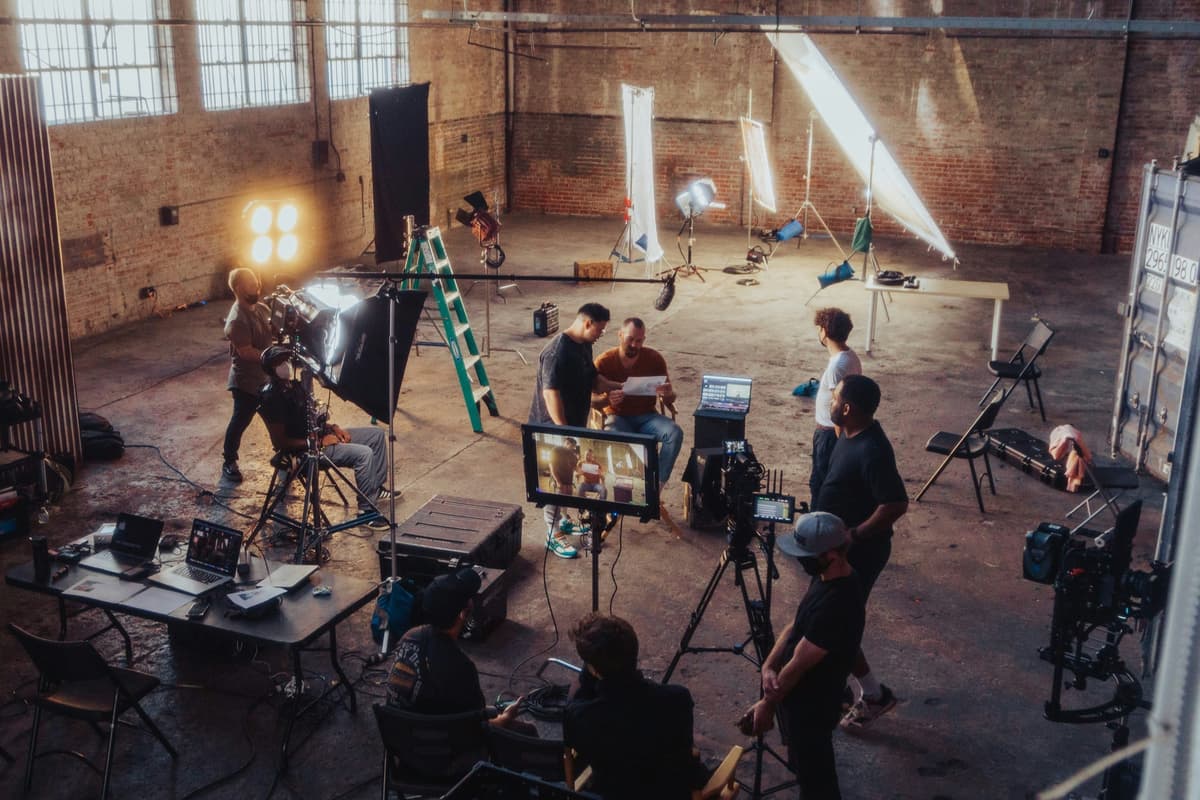
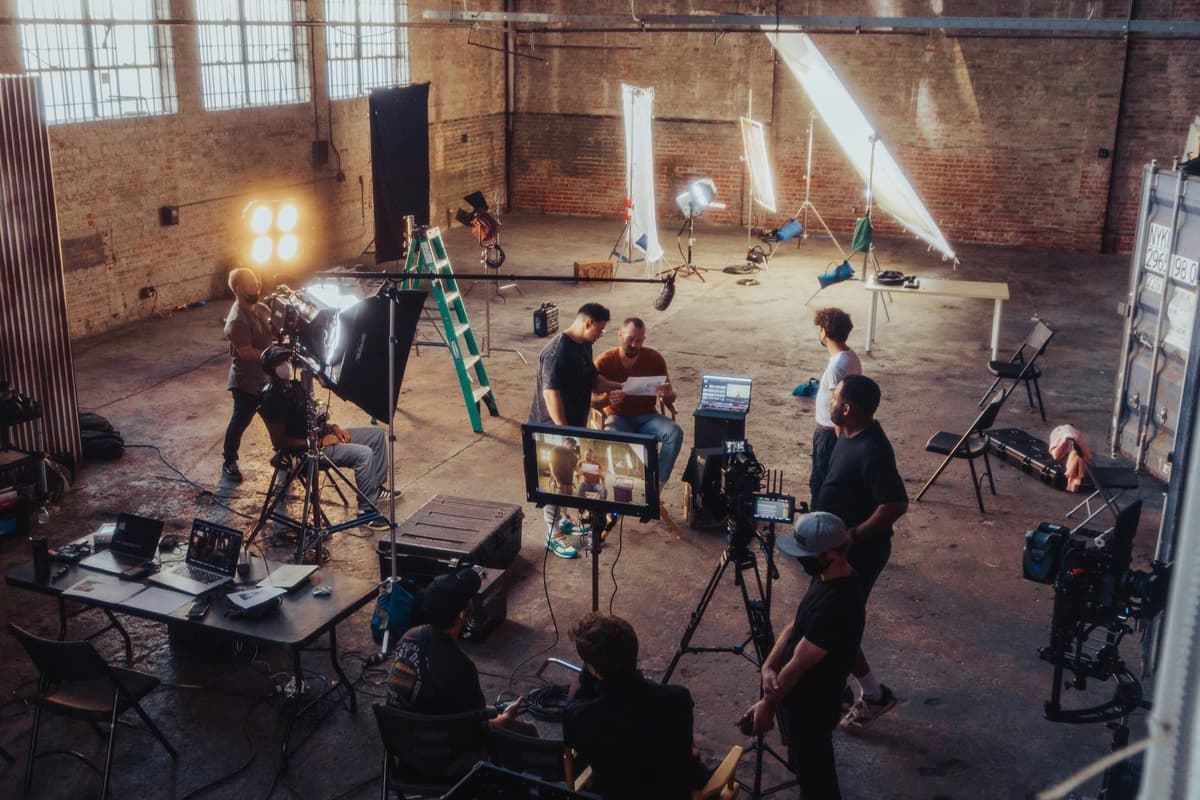
Within the post-production pipeline, the Flame Operator sits downstream from offline editing and upstream from final delivery. They receive a conformed online cut, carry out all visual effects and finishing work required by the client and director, and output deliverables to precise broadcast, streaming, or theatrical specifications. Their relationship with the VFX supervisor, colorist, and online editor is collaborative; their relationship with the producer and client is direct, especially during supervised client sessions where real-time creative decisions are made at the Flame workstation.
Productions managing complex post schedules use tools like Saturation's production management platform to coordinate the handoffs between offline editing, VFX, color, and delivery — giving producers and department heads clear visibility into where every element stands without chasing individual vendors for status updates.
The Flame Operator role is rare by design. With an estimated 263 active Flame artists worldwide according to community data from VFX Atlas, the position represents a genuine skills bottleneck in the industry. The combination of software complexity, years of required experience, and limited training pathways keeps supply well below demand, which is reflected in the compensation levels the role commands.
Role & Responsibilities
The Flame Operator's responsibilities span the entire post-production phase, from initial conform through final delivery. The scope of the role depends on the production type — a commercial Flame Operator works differently than one embedded in a feature film VFX pipeline — but the core responsibilities are consistent across contexts.
Online Conform and Timeline Assembly
The Flame Operator receives the offline edit from the picture editor, typically as an EDL, XML, or AAF file. They conform the timeline in Flame's segment editor, pulling the correct media from the high-resolution source footage to match every cut in the offline reference. This process requires careful attention to reel management, clip naming conventions, frame rates, and resolution. Any discrepancies between the offline reference and the conformed timeline must be identified and resolved before effects work begins.
VFX Compositing
Flame's batch compositing environment — a node-based workspace where operators build visual effects networks by connecting processing nodes — is where most of the creative VFX work happens. The Flame Operator composites CGI renders over live-action plates, integrates motion graphics, combines multi-pass VFX elements from 3D rendering pipelines, and performs complex multi-layer image manipulation. This work requires fluency in compositing mathematics: understanding how different blend modes, color spaces, and image transforms affect the final result.
Paint, Cleanup, and Retouching
Flame includes a sophisticated paint and repair toolset that allows the Flame Operator to remove unwanted elements from footage — rigging, wires, tracking markers, skin imperfections, background distractions — frame by frame or using automated tracking and cloning tools. High-end beauty work on commercial and fashion productions is a specialized application of this skill. The Flame Operator must understand how to match texture, grain, and color within the surrounding image to make repairs invisible.
Rotoscoping and Matte Creation
Separating foreground elements from their backgrounds — whether to composite new backgrounds, apply selective color treatments, or integrate VFX elements — requires precise rotoscoping. Flame's shape-based roto tools allow the Flame Operator to create animated mattes that follow moving subjects frame by frame. For complex hair, motion blur, or semi-transparent edges, the operator supplements shape-based roto with keying tools and edge refinement techniques.
Motion Tracking and Camera Solving
Adding graphics, VFX elements, or replaced content to shots that contain camera movement requires accurate motion tracking. Flame's 2D tracker handles the majority of planar and point-tracking tasks. For shots with complex three-dimensional camera movement, the Flame Operator may export tracking data to or from dedicated 3D camera-solving applications, then import the solved camera back into Flame for compositing. Stabilization work — reducing unwanted camera shake from handheld or rig-mounted shots — is a related application of the same tracking tools.
Title Design and Motion Graphics Finishing
In commercial and broadcast contexts, the Flame Operator is often responsible for integrating title cards, lower thirds, graphics packages, and legal supers into the finished program. This work requires precise type handling, knowledge of broadcast-safe color and luminance limits, and the ability to match graphics to the creative style established by the client or agency. On some productions, the Flame Operator creates motion graphics directly within Flame's action module rather than importing them from a separate motion graphics application.
Color Management and HDR Finishing
Modern deliverables require strict color management throughout the Flame workflow. The Flame Operator works within calibrated, color-managed environments, applying input and output transforms (using ACES, ARRI LogC, or similar color science frameworks) to ensure that what is seen on the Flame workstation monitor accurately represents what will be seen by the audience. For HDR deliverables — HDR10, Dolby Vision, or HLG — the Flame Operator adjusts the composite to meet the expanded luminance range and produces masters that are distinct from their SDR counterparts.
Delivery and Master Output
The Flame Operator is responsible for creating final deliverables that meet the precise technical specifications provided by the broadcaster, streaming platform, distributor, or client. These specifications include frame size and rate, codec and wrapper format, audio configuration, color space, and luminance limits. The Flame Operator renders and quality-checks every deliverable format, often producing multiple versions of the same program for different distribution channels simultaneously.
Client Sessions and Real-Time Creative Direction
In commercial facilities especially, the Flame Operator works directly with agency art directors, creative directors, and clients in real-time supervised sessions. During these sessions, the client provides creative direction — adjust the composite, try a different color treatment, remove that element, add this graphic — and the Flame Operator implements changes immediately while the session is running. The ability to work quickly, communicate clearly about what is technically possible, and manage client expectations without disrupting the creative process is a defining professional skill at this level.
Skills Required
Becoming a professional Flame Operator requires mastery across a wide range of technical and interpersonal domains. The software is complex, the deliverable standards are unforgiving, and the professional environment demands consistent performance under deadline pressure. The following skills define capability at the working senior level.
Autodesk Flame — Batch Compositing
Batch is the core node-based compositing environment within Flame. A proficient Flame Operator builds and navigates complex node networks that combine multiple image layers, apply color transforms, perform keying operations, integrate mattes, and output finished composites. Mastery of batch requires understanding how nodes interact mathematically, how to manage node organization for readability and troubleshooting, and how to structure complex trees for efficient rendering. Key batch nodes include the Gmatte and Primatte keyers, the Modular Keyer, the Action 3D compositor, ResizeFX for spatial transforms, and the Sparks plugin interface for third-party effect integration.
Timeline and Segment Editing
Flame's timeline (the Desktop) integrates segment-level editing with effects connectivity in a way that is unique among post-production applications. The Flame Operator must understand how to manage multi-track timelines, apply effects at the segment versus the timeline level, use BFX (between-frame effects) to composite directly on the timeline without entering batch, and manage complex audio configurations. Timeline fluency allows the Flame Operator to work efficiently on online conform tasks and to make editorial changes during client sessions without leaving the finishing environment.
Color Science and Color Management
Professional Flame work is always performed within a color-managed environment. The Flame Operator must understand color space transforms — how to apply ACES, ARRI LogC, Sony Venice S-Log3, or RED IPP2 input transforms correctly, and how to output to the appropriate delivery color space (Rec.709, P3-D65, BT.2100 PQ for HDR). Mismanaging color transforms produces subtle or obvious errors in the final deliverable that are difficult to correct in post and immediately apparent to experienced colorists and technical QC supervisors.
Keying and Compositing Mathematics
Green screen and blue screen keying in Flame requires selection of the appropriate keyer (Primatte for well-lit spill situations, Modular Keyer for complex edge cases, Gmatte for garbage matting), careful spill suppression to remove color contamination from the key color, and edge refinement to restore natural motion blur and hair detail. Beyond keying, the Flame Operator must understand the mathematics of image compositing: premultiplied versus straight alpha channels, additive versus normal blending, Z-depth compositing for 3D integration, and the effect of different blend modes on highlight clipping and shadow detail.
Motion Tracking (2D and 3D Integration)
Accurate motion tracking is required whenever VFX elements or graphics must be anchored to moving image content. Flame's tracker handles 2D point and planar tracking for the majority of commercial tasks. For complex 3D camera movement, the Flame Operator works with data from dedicated solving applications such as SynthEyes, PFTrack, or 3DEqualizer. Understanding how to import, interpret, and apply 3D tracking data within Flame's action module allows the Flame Operator to composite 3D-rendered elements into live-action footage with accurate perspective and motion alignment.
Rotoscoping and Shape Animation
Complex rotoscoping in Flame involves creating B-spline and Bezier shapes that animate frame by frame to isolate moving subjects. Proficiency requires fast, accurate shape creation, understanding of how to use feathering and edge softness to match natural transitions, and knowledge of when to supplement shape-based roto with keying or edge detection tools. For difficult edges such as hair in motion, the Flame Operator combines roto shapes with garbage mattes and uses Flame's dedicated hair and edge tools to produce clean, compositable results.
Action Module (3D Compositing)
Flame's Action module is a real-time 3D compositing environment that allows the Flame Operator to work with 3D geometry, cameras, and lights directly within Flame. Common applications include accurate lens flare and light wrap integration on CGI elements, projection mapping, environment setup for 3D title sequences, and multi-plane compositing setups that simulate depth of field and parallax. The Action module is not a full 3D animation application, but its integration within the Flame timeline makes it far more efficient for compositing tasks than switching to a dedicated 3D application.
ResizeFX and Image Transforms
ResizeFX in Flame handles all spatial image transformations: scaling, repositioning, rotation, letterboxing, aspect ratio conversion, and format normalization. Professional delivery often requires multiple format versions of the same program — 16:9 broadcast, 1:1 social, 9:16 vertical, 2.39:1 theatrical — and the Flame Operator must produce each format without introducing quality loss or incorrectly cropping the intended framing. Understanding how different scaling algorithms affect image sharpness and how to maintain bit depth integrity through transform operations is a technical precision skill.
Delivery Specifications and QC
The Flame Operator's final responsibility on every project is producing deliverables that meet the technical specifications of the platform or broadcaster receiving them. Netflix, Amazon, Hulu, HBO Max, BBC, ITV, and theatrical distributors each publish detailed technical specifications that govern codec, wrapper, frame rate, resolution, audio configuration, closed captioning integration, and color space. The Flame Operator must read, interpret, and implement these specifications accurately, then perform quality control checks — reviewing the output file for technical errors before delivery. Delivering an incorrect file format to a broadcaster or streaming platform causes schedule disruptions and damages the facility's professional reputation.
Client Communication and Session Management
Senior Flame Operators routinely work in supervised client sessions where creative direction is given in real time. Managing these sessions professionally requires the ability to implement creative changes quickly without breaking the composite, communicate clearly about technical constraints when a requested change is not achievable within the available time or media, and keep the session productive without alienating the client. This combination of technical speed and professional interpersonal skill is what differentiates a working senior Flame Operator from a technically capable but less commercially mature operator.
Salary Guide
Flame Operator compensation reflects the scarcity of qualified practitioners, the years of investment required to reach professional operating level, and the direct revenue impact of the role in a post-production commercial environment. It is one of the highest-compensating technical roles in post-production.
Annual Salary Ranges — United States (2025-2026)
Salary ranges for Flame Operators and senior Flame Artists vary significantly by market, production type, and whether the position is staff or freelance. Based on data from Glassdoor, ZipRecruiter, Remotely.jobs, and job listing analysis:
- Junior / Assistant Flame Artist: $55,000 – $80,000/year. Entry-level facility staff positions in secondary markets. Supervised work, limited solo sessions.
- Mid-Level Flame Artist: $80,000 – $120,000/year. Independent operation on standard-complexity commercial work. Primary markets or established secondary facilities.
- Senior Flame Operator / Flame Artist: $120,000 – $175,000/year. Department-head-equivalent capability, client session leadership, complex VFX compositing.
- Lead / Creative Director (Flame): $175,000 – $225,000/year. Top-tier commercial facilities (TBWAChiatDay, The Mill, MPC). Direct creative ownership of high-profile campaigns.
Glassdoor reports a median total pay of $117,115 for Flame Artists in the Media and Communication sector. The Autodesk Flame Artist median on Glassdoor is approximately $110,880. At the top of the market, senior roles at major advertising agencies and creative facilities reach $175,000 to $225,000 annually, as verified by public job listings from facilities including TBWAChiatDay.
Freelance Day Rates
Many experienced Flame Operators work freelance rather than taking staff positions, particularly in the commercial and music video markets where project-by-project engagement is standard. Freelance day rates reflect market demand and individual reputation:
- Junior / Entry Freelance: $400 – $600/day. Limited to facilities that will supervise and mentor during the engagement.
- Mid-Level Freelance: $700 – $1,000/day. Independent operation, standard commercial complexity.
- Senior Freelance Flame Operator: $1,000 – $1,500/day in most markets. The benchmark for experienced operators in Los Angeles and New York.
- Elite Freelance (Top-Tier Markets): $1,500 – $2,500/day. Top-tier Flame artists with major commercial credits, rare availability, and established client relationships at premium facilities.
Community data from r/vfx reports that experienced senior Flame operators in top-tier commercial markets command $150 to $200 per hour for supervised client sessions, consistent with the $1,200 to $1,600/day range when converted to an 8-hour equivalent. These figures reflect the specialist nature of the role and the revenue potential that a productive Flame session represents for a post-production facility.
By Market
Location significantly affects both available work volume and compensation. The primary Flame markets in the United States:
- Los Angeles: The highest concentration of high-budget commercial, broadcast, and streaming finishing work. Rates at the top of published ranges. High cost of living partially offsets premium rates.
- New York City: Strong advertising post market with multiple major commercial facilities. Rates comparable to Los Angeles. ZipRecruiter reports an average Flame Artist salary of $56,083 in New York City, which reflects a broad range including junior and mid-level positions.
- London: One of the world's most active Flame markets, centered in Soho. Facilities including Framestore, The Mill, MPC, Electric Theatre Collective, and many independent boutiques maintain full Flame suites. Rates are comparable to or above Los Angeles equivalents when converted to USD, reflecting both demand and the seniority required to operate in London's competitive facility environment.
- Toronto: Growing market driven by Canadian production incentives and the presence of major streaming productions. Rates below Los Angeles and London but competitive for the region.
- Atlanta and Chicago: Secondary markets with fewer Flame facilities but meaningful commercial and television post work. Rates typically 15-25% below primary markets.
Staff vs. Freelance Considerations
Staff positions at post facilities offer base salary plus benefits (health insurance, retirement contributions, paid time off) and consistent workflow. Freelance positions offer higher day rates but require self-management of taxes, insurance, equipment, and downtime between projects. Many Flame Operators begin as staff to build their reel and client relationships, then transition to freelance once their reputation can sustain consistent booking.
BLS Context
The Bureau of Labor Statistics Occupational Outlook Handbook does not specifically classify Flame Operators as a distinct occupation. The closest category is Film and Video Editors and Camera Operators, for which the BLS reports a median annual wage of $68,810 as of May 2024. Flame Operator compensation significantly exceeds this BLS median at all but the most junior levels, reflecting the specialized expertise and scarcity of qualified practitioners in the role.
Factors That Increase Earning Potential
- Years of hands-on Flame experience: The primary driver of compensation. Operators with 8+ years of professional sessions command substantially higher rates than those with 3-4 years.
- Commercial reel quality: Work on recognizable, high-profile campaigns is a signal of capability and directly influences day rate negotiation.
- Client relationships: Flame Operators who have established direct relationships with agency art directors and creative directors can negotiate above-market rates based on the client's preference for them specifically.
- HDR and streaming specialization: As Netflix, Apple TV+, and Amazon have standardized HDR delivery, operators with deep Dolby Vision and HDR10 workflow expertise command a premium over those who work exclusively in SDR.
- Logik.tv community standing: Within the small global Flame community, reputation on this forum and in the broader VFX community network directly affects referral-based work acquisition.
Frequently Asked Questions
What is a Flame Operator?
A Flame Operator is a senior post-production specialist who uses Autodesk Flame — the industry's leading integrated finishing and visual effects software — to deliver completed film, television, and commercial projects. The role encompasses online conform, VFX compositing, paint and cleanup, rotoscoping, motion tracking, title integration, color-managed output, and multi-platform delivery. The term "Flame Operator" is used most commonly in broadcast and commercial post-production; in feature film and streaming VFX pipelines, the equivalent role is often called a Flame Artist or senior compositor.
What is the difference between a Flame Operator and a Flame Artist?
The two terms describe the same core technical role, but with different professional emphases depending on the industry context. "Flame Operator" emphasizes the technical operation of the software platform and is commonly used in broadcast facilities and commercial post houses where the role is defined by delivery precision, real-time client sessions, and speed. "Flame Artist" emphasizes the creative compositing and visual effects work and is more commonly used in VFX studios and feature film pipelines where the artistic component of compositing is more prominently distinguished from technical operation. In practice, both roles require the same Flame software mastery and creative visual judgment.
What is the difference between Flame and Nuke for compositing?
Autodesk Flame and The Foundry's Nuke are both node-based compositing applications used in professional VFX and post-production, but they serve different workflow niches. Nuke is the dominant choice for large-scale feature film VFX pipelines, particularly where hundreds of compositors work in parallel on a studio production's shot queue, because its pipeline integration tools and Python scripting capabilities are better suited to high-volume managed environments. Flame is the dominant choice for finishing, online conform, and commercial/broadcast VFX because its integrated timeline, real-time color-managed playback, paint tools, and client session workflow are all in a single application. A production might use Nuke for VFX compositing in pre-delivery stages and then bring the result into Flame for online finishing and delivery, making the two tools complementary rather than directly competitive.
How long does it take to become a Flame Operator?
Reaching professional Flame Operator level typically takes six to ten years of progressive experience working in post-production facilities. The standard path runs from runner or post-production assistant (one to two years) through junior Flame Artist or Flame Assist (two to three years) through mid-level Flame Artist (two to four years) before reaching senior or department-lead status. The long timeline reflects the complexity of the software, the breadth of workflow knowledge required, and the necessity of hands-on practice on real commercial productions with experienced mentors. Operators who enter the field through Nuke compositing backgrounds may transition to Flame in less time if the facility provides direct software access, but the workflow differences are significant enough that even experienced Nuke artists typically require 12 to 18 months of Flame-specific practice before operating independently at a professional level.
How much does a Flame Operator earn?
Flame Operator compensation varies by experience, market, and production type. Staff positions in the United States range from approximately $80,000 per year for mid-level artists to $175,000 to $225,000 for senior or creative director-level positions at top-tier commercial facilities. Glassdoor reports a median salary of $117,115 for Flame Artists in media and communication. Freelance day rates for senior operators range from $1,000 to $1,500 per day in most US markets, with rates of $1,500 to $2,500 per day for elite operators at premium facilities in Los Angeles, New York, and London. Community reports from VFX industry forums indicate that top senior Flame artists in supervised client sessions can command $150 to $200 per hour.
What is online finishing, and how does it relate to the Flame Operator role?
Online finishing is the post-production process that occurs after the offline edit is locked and approved. In offline editing, the picture editor works with proxy or low-resolution media for speed and creative flexibility. Online finishing takes the locked edit and rebuilds it using the full-resolution, full-quality source footage, then applies all visual effects, color-managed grading, titles, graphics, and technical corrections needed to produce broadcast-ready or distribution-ready masters. The Flame Operator is the primary practitioner of online finishing in high-end commercial and broadcast contexts. They receive the conformed online cut, complete all effects and finishing work specified by the creative team, and deliver the finished program to exact technical specifications. Online finishing is distinct from color grading (which typically happens in DaVinci Resolve at a separate color facility) although the Flame Operator performs color space management throughout the finishing process.
Is the Flame Operator role disappearing because of AI tools?
AI-assisted tools are accelerating some tasks within the Flame workflow — automated tracking, AI-powered paint and cleanup (including Adobe's generative fill-style tools and Flame's own AI-enhanced features), and intelligent background replacement are becoming faster. However, the Flame Operator role is not disappearing. The skills that define the role — color science judgment, complex compositing decision-making, client communication in real-time sessions, delivery quality control, and the integration of technically complex elements from multiple sources — require professional judgment and domain expertise that AI tools currently augment rather than replace. The approximately 263 Flame artists worldwide according to VFX Atlas community data suggests that the bottleneck in this specialty is expertise, not demand, and AI automation of routine tasks may free Flame Operators to focus on more complex and higher-value work rather than eliminating the role.
How do you become a Flame Operator without facility access?
Learning Flame without facility access is difficult but not impossible. Autodesk provides a free 30-day trial of Flame on Linux workstations and offers educational pricing through its academic programs. The Autodesk Knowledge Network and the official Flame Learning Channel on YouTube provide free instructional content covering core tools and workflows. The Logik.tv forum — the primary online community for Flame artists — offers archived technical discussions, career guidance, and in some cases mentorship connections with practicing professionals. Building compositing skills in Nuke or After Effects first is advisable, since the conceptual understanding of node-based compositing, keying, and color management transfers to Flame even though the interface differs significantly. Candidates in this position should also actively network with post-production facilities in their market, as informal access to hardware during off-hours is how many Flame operators built their initial experience.
Education
There is no formal degree specifically for Flame Operators, and no film school curriculum that produces Flame-ready graduates. The role is built through years of hands-on experience working in professional post-production facilities, progressing through clearly defined junior and mid-level positions before reaching the Flame Operator or senior Flame Artist level.
No Degree Required — But Context Helps
Film production degrees, motion design programs, and visual effects bachelor's degrees from institutions like Ringling College of Art and Design, the Savannah College of Art and Design (SCAD), or the American Film Institute can provide useful foundational knowledge in compositing concepts, color theory, and post-production workflow. However, none of these programs teach Autodesk Flame directly, because Flame is not cost-accessible for most educational institutions. Graduates of these programs typically enter the industry at the runner or junior assistant level regardless of their degree.
Candidates who arrive with strong After Effects and Nuke skills from academic programs have a meaningful advantage in understanding compositing logic, node-based thinking, and color-managed workflows. These concepts transfer to Flame, even though the Flame interface and toolset are substantially different from both applications.
Starting Point: Runner and Post-Production Assistant
The most common entry into a Flame career is through a runner or post-production assistant role at a commercial or broadcast facility that has Flame in its suite lineup. In this role, the candidate learns the facility's workflow, builds relationships with senior operators, and begins to understand how the post-production pipeline functions from the inside. Runners who show technical aptitude and genuine interest in the craft are often mentored informally by senior Flame artists at the facility.
This entry path means that geography matters significantly. London's Soho, New York City, and Los Angeles host the highest concentration of Flame facilities. Aspiring Flame Operators who are not in one of these markets face a substantially harder path to meaningful mentorship and exposure to professional Flame workflows.
Junior Flame Artist and Flame Assistant
The next step is a formal junior or assistant role on a Flame system. Junior Flame Artists typically handle routine tasks — conform assembly, straightforward paint and cleanup, export management — under close supervision from a senior operator. This is the period of steepest learning: daily hands-on time with the software on real productions, with immediate feedback from a working professional in the seat next to them. Most facilities expect to invest two to three years in a junior before they can work independently on moderate-complexity projects.
The Flame Assist or Flame Assistant role exists at some larger facilities as a distinct position below the junior level. An assistant sets up sessions, organizes media, manages render queues, and prepares sequences for the senior operator, providing more limited hands-on time but significantly more exposure to how professional Flame sessions are structured.
Mid-Level Flame Artist
After demonstrating independent capability on routine commercial work, a junior advances to mid-level. At this stage, they run their own sessions on standard complexity projects — online conforms, straightforward compositing, routine paint work — while the senior Flame Operators handle the highest-complexity or most creatively significant assignments. Mid-level artists also begin participating in supervised client sessions, developing the client-facing skills that become essential at the senior level.
Autodesk Flame Certification
Autodesk offers an official Flame certification program through its Learning Platform. The certification validates proficiency with core Flame tools and workflows and is recognized by facilities as a signal of formal training for candidates who do not have facility-based experience. Autodesk also provides free learning resources through the Autodesk Knowledge Network and the official Flame Learning Channel on YouTube, which covers everything from introductory batch compositing to advanced timeline management and rendering.
The Logik.tv community — an independent online forum and educational resource specifically for Flame artists — is widely regarded within the Flame community as the most valuable supplementary training resource available. The forum archives contain detailed technical discussions, workflow solutions, and career guidance that go substantially deeper than any official training material.
Self-Taught Feasibility
Self-teaching Flame to a professional level is technically possible but practically difficult. The software requires hardware that most individuals cannot afford, the learning curve is steep, and the feedback loop that comes from working alongside experienced operators in a professional environment cannot be replicated through solo study. Most successful self-taught paths involve some combination of: access to a facility workstation outside of paid production hours, intensive use of free online resources and community forums, and building a strong foundation in compositing concepts through more accessible tools like After Effects or Nuke before transitioning to Flame.
Broadcast vs. Film Career Paths
The commercial and broadcast track leads into high-end advertising post facilities where speed, client interaction, and real-time delivery are the defining professional skills. The film and streaming VFX track leads into large VFX studios where the Flame is one tool within a broader pipeline that includes 3D rendering, simulation, and global shot management systems. Both paths are valid, but they develop different strengths. Commercial Flame Operators tend to be faster and more client-fluent. Film VFX Flame artists tend to have deeper integration knowledge with 3D pipelines and more experience with complex multi-pass compositing.
Last updated April 25, 2026
Budget this role in seconds with Saturation
Rate packs, fringes, and phases turn a crew list into an accurate production budget without the spreadsheet math.
Rate packs
Verified union rates, versioned.


Fringes and markupsRebuilt
Stack them, cap them, and see the split on every line.
PhasesRebuilt
Every column knows its type.
Auto-fill
Rates fill in as you type, from the source you turned on.