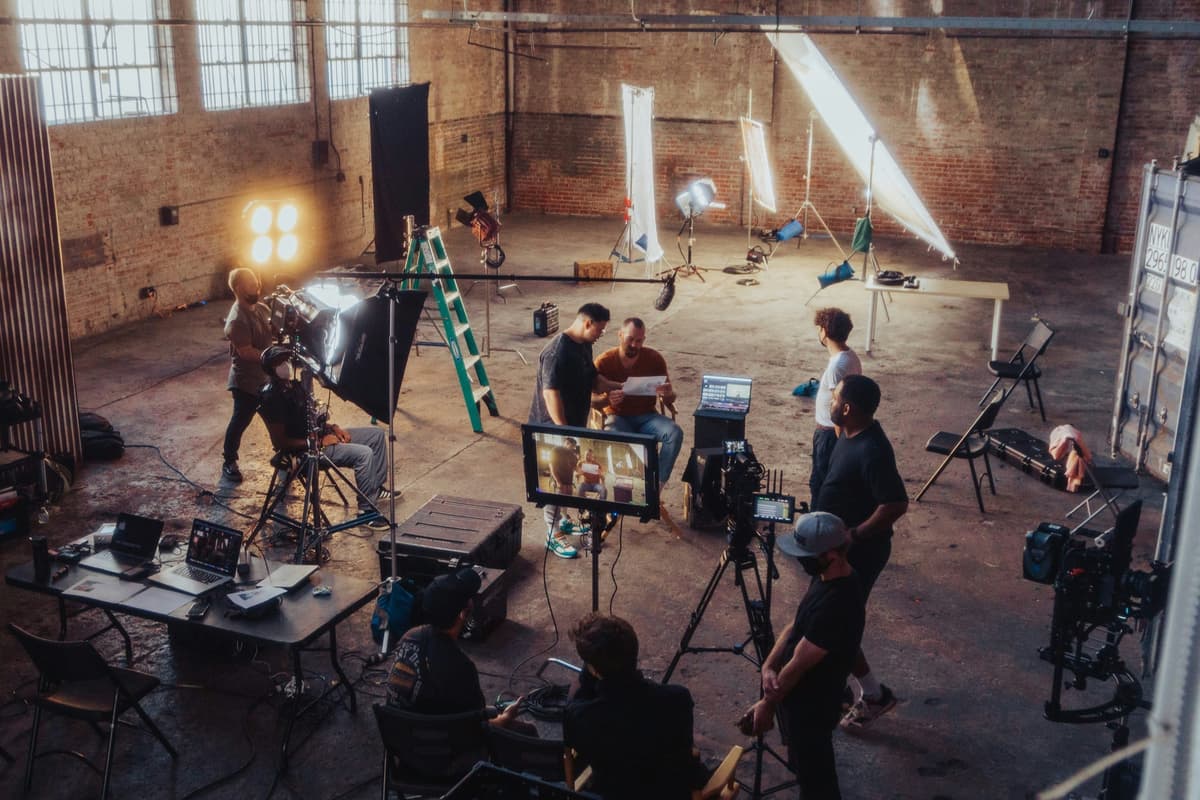
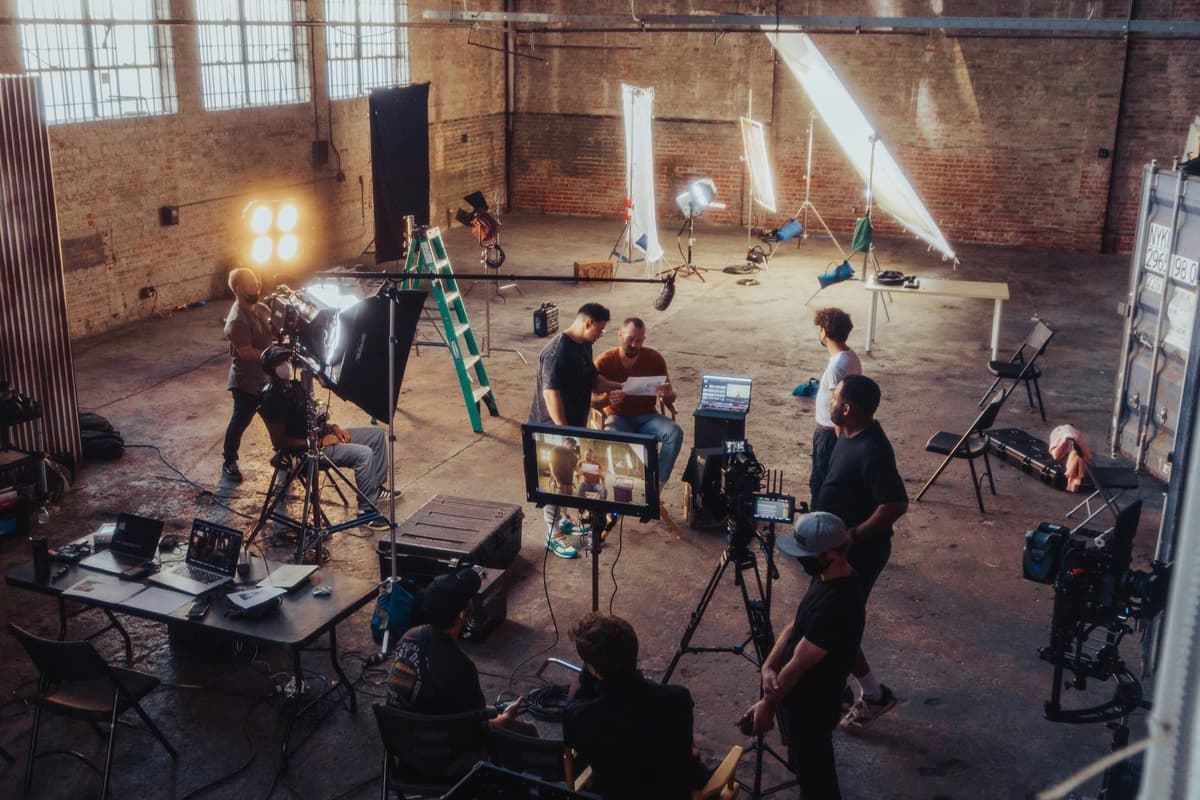
What is a Flame Lead?
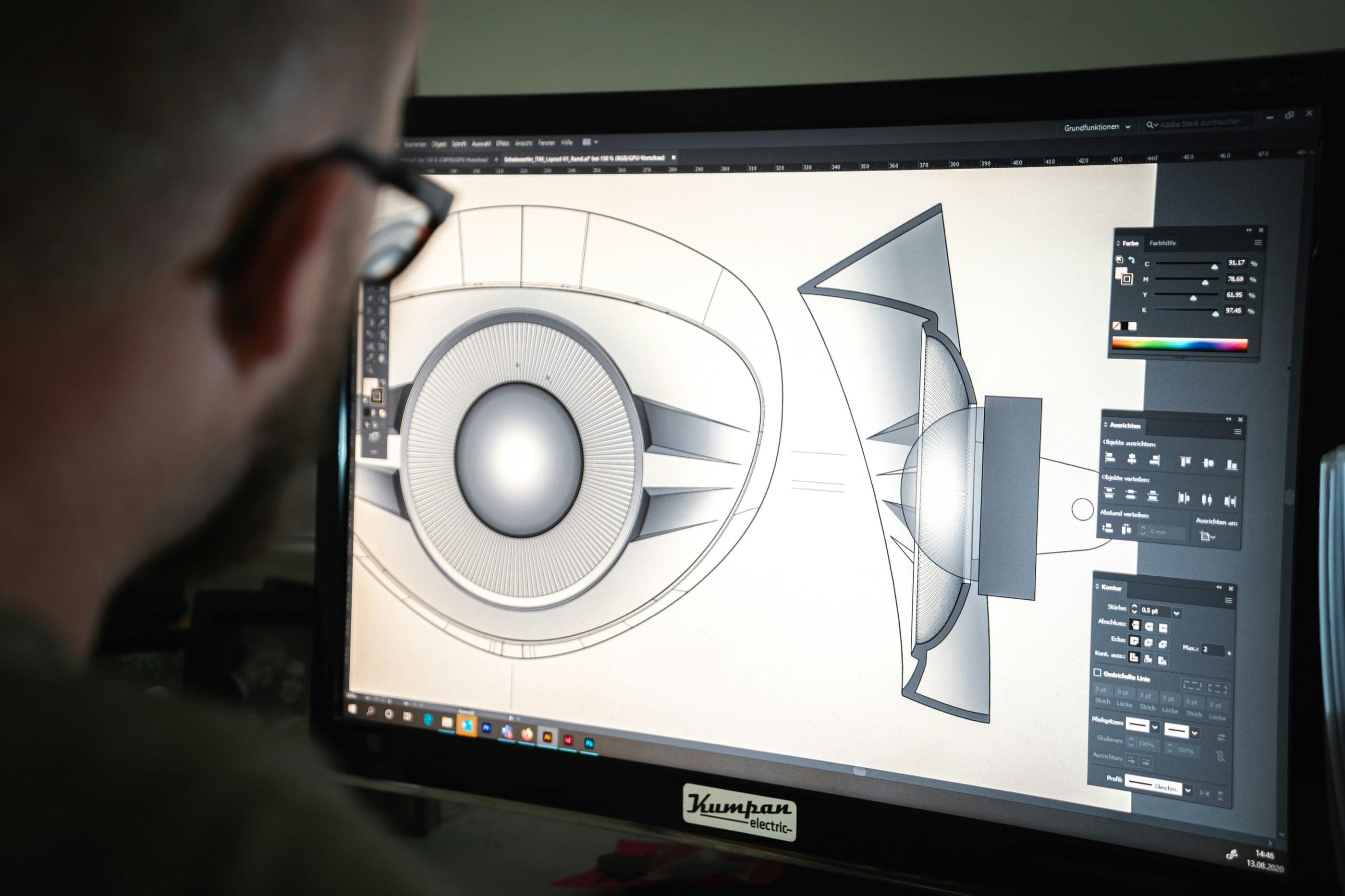
Overview
What Is a Flame Lead?
A Flame Lead — also called a Lead Flame Artist or Senior Flame Artist Lead — is the senior-most Autodesk Flame operator at a post-production facility who carries both hands-on compositing responsibility and formal team leadership duties. While a Flame Operator executes individual shots and finishing tasks, the Flame Lead owns the department's output: they manage the workflow, assign shots to junior and mid-level artists, run client-facing review sessions, resolve escalated technical problems, and maintain the facility's creative and technical standards across every deliverable.
Autodesk Flame is the industry-standard integrated finishing system used for conforming, online editing, compositing, color grading, and visual effects work across commercials, broadcast television, music videos, feature films, and streaming content. Flame operates in real-time on SGI-class workstations and provides an all-in-one environment that distinguishes it from node-based compositors like Nuke — a Flame Lead works at the intersection of online editing, color, and VFX simultaneously rather than in siloed pipelines.
Flame Lead vs. Flame Operator: Key Distinctions
The Flame Operator (sometimes called a Flame Artist) focuses on executing shots: conforming edits, building composites, cleaning plates, and delivering final files. The Flame Lead does all of that — often on the most technically complex shots — while simultaneously managing the team around them. Practically, this means the Flame Lead attends production meetings the operator does not, reviews and approves work their colleagues produce before it goes to clients, and is accountable when something goes wrong in the department. The Flame Lead is also typically the primary point of contact for the post-production supervisor, executive producer, and on-set client when the facility is managing a live job.
The jump from Flame Operator to Flame Lead represents a career inflection point: it is the transition from individual contributor to people manager within the VFX and post-production world. Not all experienced Flame operators aspire to the lead role — it requires genuine management skill alongside technical mastery, and the two do not always coexist naturally.
Where Flame Leads Work: Commercial Post Houses vs. Film VFX Facilities
The Flame Lead role looks different depending on the type of facility:
- Commercial post houses (Framestore, The Mill, Smoke & Mirrors, Nice Shoes, Optimus, Company 3): Flame is the primary finishing tool. Lead Flame Artists here manage multiple simultaneous campaigns, interface directly with advertising agency clients in attended sessions, and often work at extremely fast turnaround cadences — sometimes delivering broadcast-ready masters within hours of creative sign-off. The lead is responsible for ensuring the team can sustain this pace without quality degradation.
- Broadcast and network post (Netflix, HBO, Amazon in-house teams): Episodic content requires Flame Leads to maintain consistent look and technical standards across dozens or hundreds of episodes. The workflow is more methodical than commercial, but the volume is higher and the deadline pressure arrives in waves aligned to delivery windows.
- Film VFX vendors (MPC, DNEG, Cinesite, Technicolor): Flame is used for finishing VFX shots, online assembly, and final conform. The Flame Lead at a film facility works closely with the DI colorist and VFX supervisor, managing the final touch-up layer of the VFX pipeline rather than the full creative process.
- Music video and short-form content houses: Smaller teams, faster turnaround, often a Flame Lead is also the sole Flame artist — playing both operator and lead roles simultaneously on smaller productions.
The Flame Lead and Production Management
At lead level, Flame artists begin interfacing with production budgets, bid reviews, and scheduling in ways that operators do not. Managing a production's finishing workflow requires cross-departmental coordination across colorists, editors, sound mixers, and delivery operators. Cloud-based production management tools like Saturation.io give producers and facility managers real-time visibility into crew schedules, costs, and deliverables — making it easier to plan around the Flame Lead's team workload and avoid costly schedule overruns.
Key Distinctions: Flame Lead vs. VFX Supervisor
The VFX Supervisor owns the creative vision for the entire VFX scope of a production, often based on set during principal photography. The Flame Lead operates downstream in post-production, executing that vision in the finishing environment. On commercials and music videos, the same person may hold both titles. On large feature and episodic productions, the roles are distinct: the VFX Supervisor delivers shot briefs, reference images, and on-set data while the Flame Lead translates that into finished deliverables using the full power of the Flame environment.
Role & Responsibilities
Core Duties of a Flame Lead
The Flame Lead's role is fundamentally dual: they spend a portion of each day inside Flame executing their own shots — typically the most complex or client-sensitive work — while the remainder of the day is consumed by team management, review, and operational responsibilities. At busy commercial facilities, leadership duties can easily occupy 40–60% of the working day, with that ratio increasing during intensive client campaigns.
Shot Assignment and Workflow Planning
The Flame Lead receives the shot list, edit decision list (EDL), and creative brief from the post-production supervisor or executive producer. They assess each shot's complexity, flag technical challenges early, and distribute work across the team based on each artist's skill level, current workload, and the shot's deadline requirements. This requires genuine knowledge of what every team member is capable of — assigning a technically demanding chroma key to a junior artist who is not ready for it will cost the facility more time in revision cycles than simply having the lead handle it personally.
The Lead maintains a running status board — typically in a production tracking tool like Filemaker, NIM, or even a shared spreadsheet — tracking which shots are in progress, pending client approval, or in revision. They flag schedule risks to the post-production supervisor before they become missed deadlines.
Internal Review and Artistic Direction
Before any shot reaches the client, it passes through the Flame Lead's internal review. The Lead watches every shot at real-time playback speed and then frame-by-frame around key integration areas, checking for edge treatment quality, color consistency, composite accuracy, motion blur matching, noise matching, and any technical artifacts the executing artist may have missed. Their review notes are specific and frame-accurate: not "this edge looks rough" but "frames 42–67, upper left shoulder — the key is fringing on the hair and the spill suppression is over-applied, pulling the color toward green." This precision is what separates effective leads from those who give vague feedback that triggers multiple revision rounds.
On attended client sessions, the Flame Lead typically sits alongside the artist executing the session and manages the live feedback loop with the client or agency — translating creative notes into technical action while keeping the session moving efficiently. Managing a client in a suite is a learned skill that takes years to develop, and it is one of the most commercially valuable capabilities a Flame Lead brings to a facility.
Complex Shot Execution
The Flame Lead is the team's expert. They personally handle shots that exceed the technical capability of other artists on the team: complex multi-layer composites, hero effects sequences, difficult chroma key extractions with problematic hair or transparency, paint and cleanup work on sensitive frames, and advanced motion graphic builds that require Batch (Flame's node-based compositing environment) rather than the timeline-based Selective Color Grading layer stack. The Lead's personal work is also a creative signal to the rest of the team about the quality standard the facility maintains.
Technical Problem-Solving and Escalation
When a shot is technically broken — a conform that won't match the approved cut, a grade that clips in unexpected color channels, a composite that reads differently on broadcast versus the suite monitor — the Flame Lead is the first line of technical resolution. They diagnose the problem, determine whether the fix is in Flame or requires intervention from upstream (a re-encode from the camera department, a re-render from the 3D team, a revised CDL from the colorist), and either solve it directly or communicate the issue with precision to the relevant department. Their ability to solve problems quickly and without drama is one of the core operational values they deliver to a facility.
Workflow Development and Technical Standards
Flame Leads establish and maintain the technical standards the team works within. This includes: folder naming conventions and project structure, codec and resolution specs for each delivery destination, color management workflows (ACES, DaVinci YRGB, facility-specific LUT pipelines), Batch setup templates for common shot types, and hardware maintenance schedules in coordination with the facility's IT and systems team. A well-run Flame department has documented workflows that any competent artist can follow — the Lead writes and enforces those documents.
Onboarding and Mentoring Junior Artists
Flame is a closed ecosystem with a steep learning curve — it cannot be casually self-taught at home because Flame licenses cost upwards of $15,000–$30,000 per seat annually, and the hardware requirements (Dell or HP workstations with specific GPU configurations) add to the barrier. This means new Flame artists enter the team with varying levels of formal and informal experience, and it falls to the Lead to build their practical capability. The Lead assigns junior artists progressively challenging work, runs informal technique sessions, and reviews their output in detail with educational intent rather than pure quality control.
Client Communication and Business Development Awareness
Senior Flame Leads at commercial post houses are often involved in pre-bid discussions with clients and agencies — providing technical feasibility assessments, rough time estimates for complex effects work, and occasionally attending treatment meetings where a director pitches the creative concept before production begins. The Lead's ability to understand what something will require in post, communicate that clearly, and accurately estimate the work is a direct commercial value to the facility. Leads who develop this business awareness move naturally into Head of Flame, VFX Supervisor, or Executive Post Producer roles over time.
Delivery Coordination and Final QC
Every finished job requires delivery masters: broadcast masters at specific codec, resolution, frame rate, audio configuration, and color space. The Flame Lead performs or oversees final QC on all deliverables — verifying that the master matches the approved cut, that color space tagging is correct, that audio sync is intact, and that the file conforms to the delivery specification from the broadcaster, streaming platform, or theater. Delivery failures — especially discovered after handoff — are costly in both remediation time and client relationship damage. The Lead is the last line of defense.
Hardware and System Coordination
Flame's integrated storage architecture (Stone & Wire or Lustre framestore systems) requires coordination with facility IT when storage fills, hardware fails, or system upgrades are required. The Flame Lead typically acts as the technical liaison between the creative team and the systems team — identifying when a performance issue is a hardware problem versus a software configuration issue, coordinating GPU driver updates around production windows, and planning storage capacity needs in advance of large campaigns.
Skills Required
To excel as a Flame Lead, one must possess a deep understanding of visual effects techniques and tools, as well as strong leadership and communication skills. Proficiency in industry-standard software such as Autodesk Flame is a must, along with a keen eye for detail and the ability to problem-solve creatively under tight deadlines. Additionally, experience in project management and team coordination is highly beneficial for this position.
Frequently Asked Questions
What does a Flame Lead do?
What Is a Flame Lead?
What are the main responsibilities of a Flame Lead?
Core Duties of a Flame Lead
What skills does a Flame Lead need?
To excel as a Flame Lead, one must possess a deep understanding of visual effects techniques and tools, as well as strong leadership and communication skills. Proficiency in industry-standard software such as Autodesk Flame is a must, along with a keen eye for detail and the ability to problem-solve creatively under tight deadlines. Additionally,.
What education or training do I need to become a Flame Lead?
Education Pathways for Aspiring Flame Leads
Education
Education Pathways for Aspiring Flame Leads
There is no required academic credential to become a Flame Lead. The position is earned through years of demonstrated technical excellence, accumulated credits across diverse production types, and progressively demonstrated leadership within a post-production team. Formal education can accelerate early-career development, but the Flame ecosystem's hardware cost barrier means that most training happens on the job rather than in academic settings.
Undergraduate Degree Programs
While no university offers a dedicated Flame degree, programs in related disciplines provide foundational knowledge that transfers directly to the role:
- BFA or BA in Visual Effects: Programs at Ringling College of Art and Design, Savannah College of Art and Design (SCAD), and Vancouver Film School cover compositing fundamentals, color science, and production pipeline knowledge. Graduates with strong reels from these programs are competitive for junior-level Flame roles at post houses.
- Film Production or Post-Production degrees: Understanding the full production pipeline — from on-set camera and sound through picture lock and final delivery — gives Flame artists a contextual advantage. Many successful Flame Leads came from editorial or post-production coordination backgrounds before specializing in Flame.
- Digital Media / Interactive Arts degrees: Provide exposure to color theory, typography, motion design, and compositing fundamentals. Less pipeline-specific than dedicated VFX programs but still relevant to the creative side of Flame work.
- Computer Science or Software Engineering: An increasingly relevant background for artists who want to develop Flame BFX (Batch FX) scripts, Python automations, and custom pipeline tools within the Flame environment.
Specialized Training and Certification
Because Flame cannot be practiced at home for most students, specialized training takes forms that provide access to the hardware:
- Autodesk Flame Certification: Autodesk offers official certification exams for Flame operators. Certification validates foundational workflow knowledge and is a meaningful credential for artists applying to post houses that screen by certification. The Autodesk Learning channel provides preparation materials, and authorized training partners like fxphd offer structured Flame courses that prepare candidates for certification.
- Logik Live (YouTube / Community): Logik Live is the most active Flame-specific community platform, providing free live training sessions, technique videos, and direct access to working Flame artists and Autodesk product team members. A Flame Lead's ability to contribute to or teach on Logik Live is itself a career differentiator.
- fxphd.com Flame Courses: fxphd offers structured Flame training taught by working Flame artists at commercial post houses. Courses cover Batch compositing, colour management, BFX scripting, and advanced finishing workflows. These are among the most facility-relevant training resources available and are used by both aspiring and established Flame artists for continued professional development.
- Autodesk Flame Learning Channel: Autodesk maintains an official YouTube channel with structured training playlists covering new feature releases and foundational techniques. Lead-level artists use this as a reference for new software releases and to stay current with Autodesk's evolving AI-assisted tools.
- Facility In-House Training: At most major post houses, new Flame artists receive structured on-the-job training from lead and senior artists. This is the most common form of Flame education globally and explains why facility mentorship culture directly influences the career trajectories of junior artists.
The On-The-Job Path to Flame Lead
The typical career progression into a Flame Lead role follows a well-understood arc within the post-production industry:
- Runner / Production Assistant (0–1 years): Entry into the facility. Responsibilities include tape management, project archiving, format conversion, and basic offline support. This period provides exposure to the facility's workflow and culture while building relationships with the team.
- Flame Assistant / Junior Flame Artist (1–3 years): Basic Flame operation — conform, basic paint and cleanup, simple composite work, delivery file output. The artist is developing Flame fluency under the direct supervision of a senior artist or Lead. They watch how complex shots are approached and begin developing their own problem-solving methodology.
- Flame Operator / Mid-Level Flame Artist (3–7 years): Handles full shots independently across the range of commercial, broadcast, and music video work. Develops specializations — beauty and skin retouching, product work, complex keying, motion graphics integration. Begins informally mentoring junior artists. Builds a recognized credit list across diverse clients and productions.
- Senior Flame Artist (7–10 years): Handles hero and technically complex shots. Regularly assists in client sessions. Begins providing input on workflow decisions and team organization. Actively mentoring junior artists and reviewing work under the Lead's oversight. Often the first artist the Lead calls when a difficult shot arrives.
- Flame Lead (10+ years): Full team management responsibility. Owns the department's quality output. Manages client relationships and attended sessions. Participates in business development and bid assessment. Credits typically span 100+ commercial campaigns, episodic series, or a combination of commercial and long-form work across major clients and networks.
Demo Reel Requirements for Lead-Level Hiring
A competitive Flame Lead reel typically demonstrates:
- Range across commercial, beauty, product, and broadcast work — showing the candidate can handle diverse client demands
- Complex composite work: multi-layer Batch builds, hero effects, difficult keying, and invisible VFX
- Client brand credits that are recognizable to the hiring facility's client base
- Evidence of technical problem-solving: shots that had a known challenge and a clear solution
- At least one example of a shot where the Flame Lead's intervention saved a problematic production moment
Unlike Nuke reels (which are often structure-focused), Flame Lead reels typically emphasize the end result over methodology, because the commercial post client values the finished image over the technical path to it. However, lead candidates should be prepared to walk through their Batch setups in a technical interview.
Continued Professional Development
Flame is a rapidly evolving platform. Autodesk releases major updates annually, including increasingly sophisticated AI-assisted tools (machine learning-based keying, AI-driven cleanup, intelligent color matching). Flame Leads are expected to evaluate new features ahead of the team, determine their production applicability, and integrate useful tools into the facility's standard workflow. Staying current with Autodesk's development roadmap — through Logik Live, the Flame beta program, and the Autodesk Flame user community — is a continuous professional obligation at lead level.
Last updated April 25, 2026
Budget this role in seconds with Saturation
Rate packs, fringes, and phases turn a crew list into an accurate production budget without the spreadsheet math.
Rate packs
Verified union rates, versioned.


Fringes and markupsRebuilt
Stack them, cap them, and see the split on every line.
PhasesRebuilt
Every column knows its type.
Auto-fill
Rates fill in as you type, from the source you turned on.