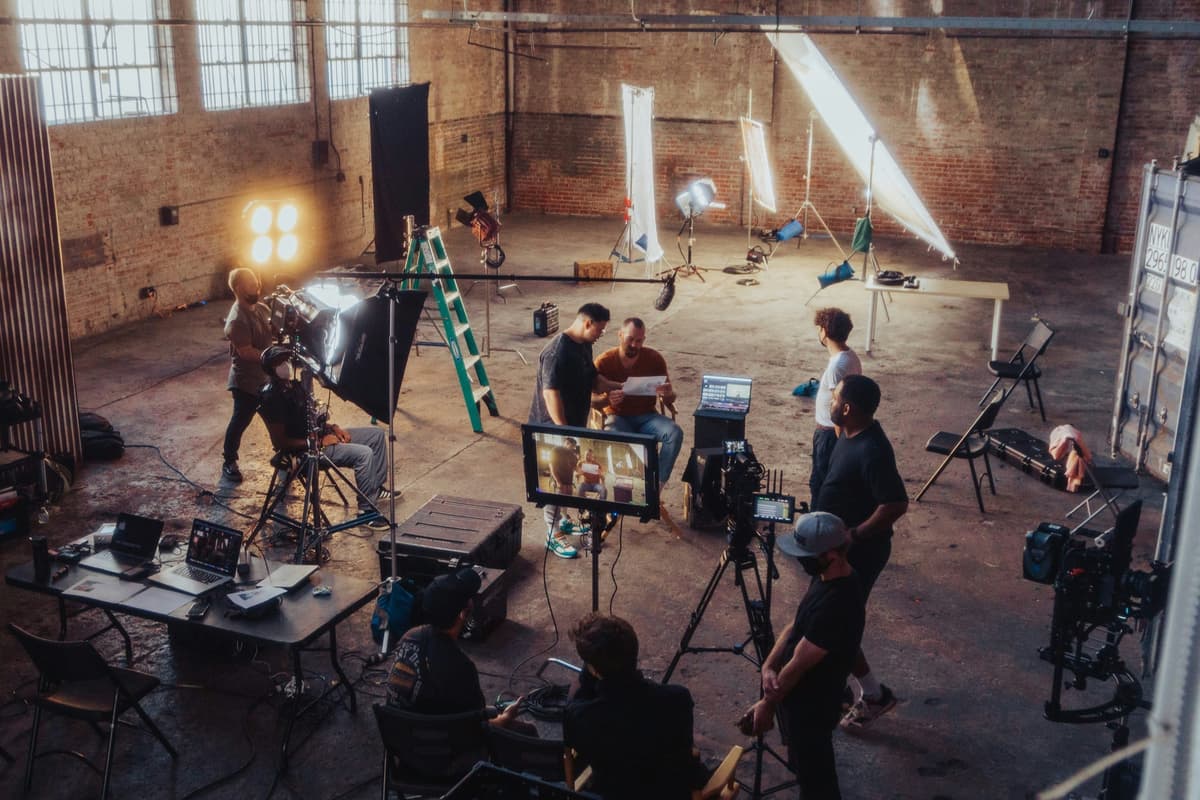
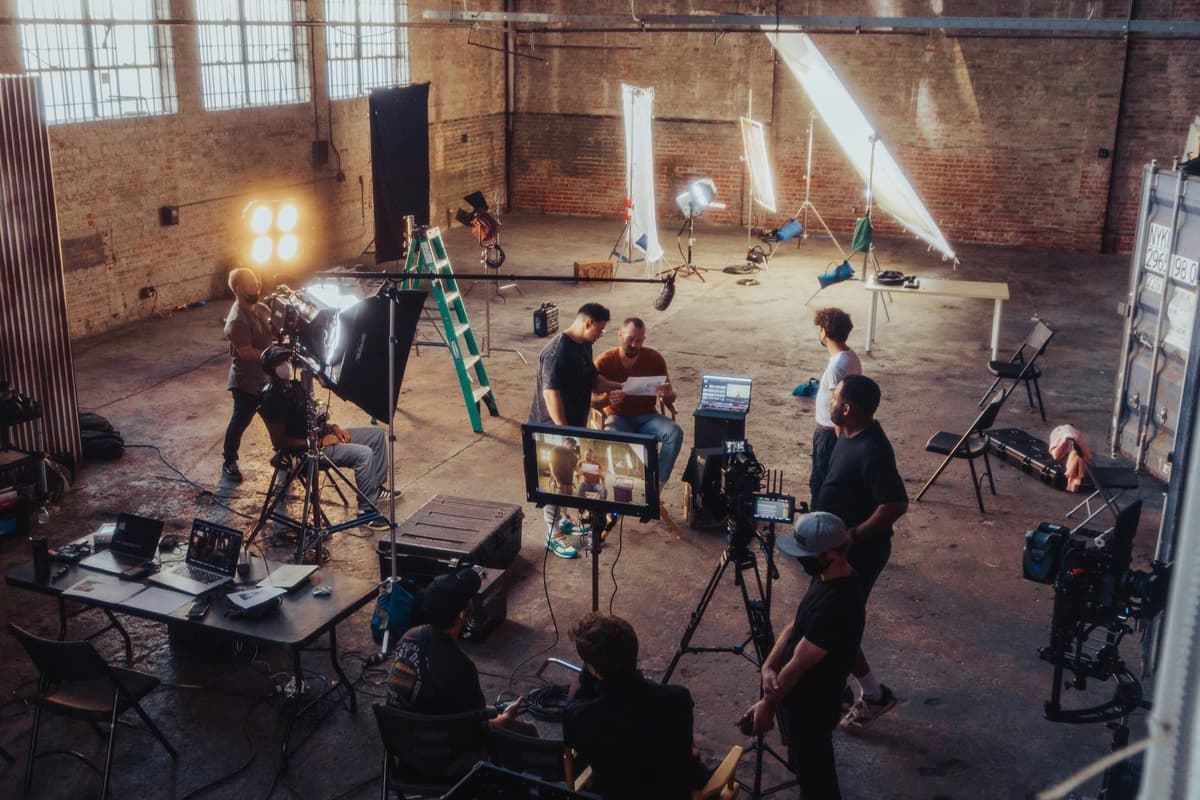
What is a Film Editor?
Overview
A film editor is the post-production professional who assembles raw footage, dialogue, music, and sound effects into a finished film. Working directly with the director, the editor shapes the story through pacing, structure, and rhythm, turning hundreds of hours of footage into a cohesive narrative.
Film editors work after principal photography wraps. They are among the last creative collaborators on a project and often have significant influence over the final cut's tone and emotional impact. On larger productions, the editor leads a team that includes assistant editors and VFX coordinators.
Post-production planning begins well before the shoot ends. Productions that use film budgeting software during pre-production can track editorial labor, post costs, and VFX line items alongside the rest of the budget, giving editors and producers a clearer picture of what is available for the cut.
Role & Responsibilities
The film editor's work begins during production. As footage is shot each day, the editor receives dailies and begins assembling a rough cut. This lets the director review the edit while still on set and make adjustments before it is too late to reshoot.
The Editing Workflow
- Assembly cut: All usable footage assembled in script order, without refinement.
- Rough cut: Pacing and structure begin to take shape. Scenes are trimmed and reordered.
- Fine cut: Detailed adjustments to timing, transitions, and performance selections.
- Picture lock: The edit is finalized. No further changes to the cut are made after this point.
After picture lock, the editor coordinates handoffs to sound designers, colorists, and VFX teams. This collaboration runs throughout post-production, not just at the end.
NLE Software
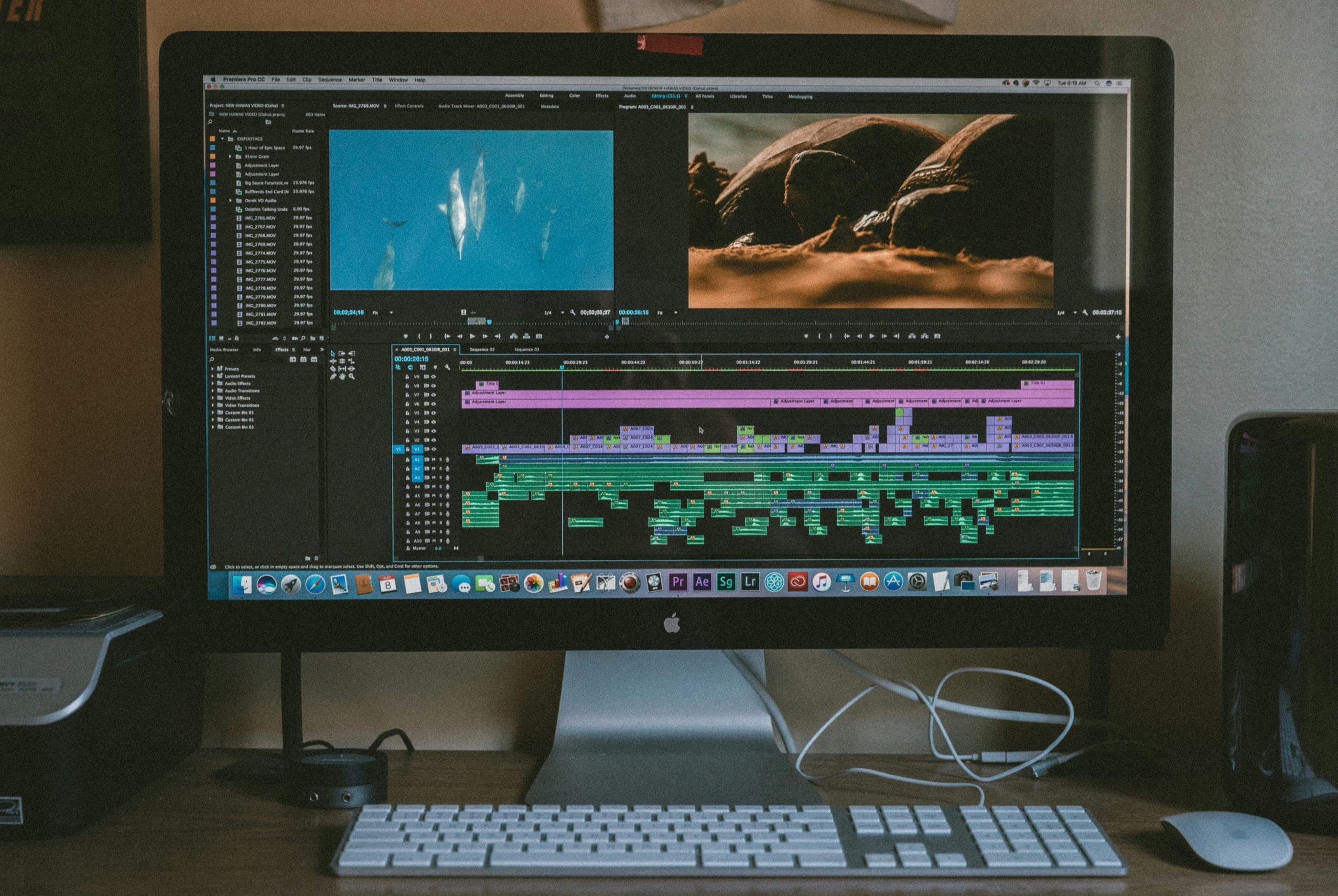
Film editors work in non-linear editing (NLE) software. The most widely used platforms in professional production are:
- Avid Media Composer: The industry standard for feature films and high-end television. Most union editors work in Avid.
- Adobe Premiere Pro: Common in documentary, commercial, and independent film production.
- DaVinci Resolve: Increasingly used for both editing and color grading on lower-budget productions.
- Final Cut Pro: Popular with independent filmmakers, less common in studio productions.
The editor's relationship with the director is one of the closest creative collaborations in filmmaking. They meet regularly throughout post-production to review cuts, discuss story problems, and decide what stays and what goes.
Skills Required
Technical Skills
- NLE software fluency: Proficiency in Avid, Premiere Pro, or DaVinci Resolve is required. Most professional productions expect Avid for narrative work.
- Codecs and formats: Editors must understand file formats, frame rates, and codec workflows to manage media correctly across departments.
- Color correction basics: While colorists handle final grading, editors apply basic correction to dailies for review cuts.
- Sound awareness: Editors cut dialogue and temp music tracks. A working knowledge of audio levels and sync is essential.
Creative Skills
- Storytelling through structure: Recognizing what a scene needs, what to cut, and how to reorder footage to serve the story.
- Pacing and rhythm: Knowing when to hold a shot and when to cut. This is developed through experience, not taught from a manual.
- Scene selection: Choosing the best take from multiple options requires both technical evaluation and emotional judgment.
Interpersonal Skills
- Collaborating with directors: Editors work closely with directors over months. The ability to receive feedback without ego is critical.
- Communication under pressure: Post-production schedules are tight. Editors must communicate clearly about what is achievable within the timeline.
- Sustained focus: Long hours reviewing the same footage requires a particular kind of discipline and attention to detail.
Salary Guide
According to the Bureau of Labor Statistics (BLS), the median annual salary for film and video editors was $70,980 as of May 2024. The lowest 10% earned under $35,000. The top 10% earned over $130,000.
Salary by Market
- Los Angeles: The highest-paying market. Union editors on studio features can earn $150,000 or more per year.
- New York: Strong market, particularly for commercial and documentary work.
- Other markets: Regional hubs (Atlanta, New Orleans, Chicago) offer lower but growing rates as production activity increases.
Union vs. Non-Union
Film editors represented by IATSE Local 700 (the Motion Picture Editors Guild) work under collectively bargained minimum rates. Union contracts set minimums by project type, with feature film rates significantly higher than television or commercial minimums. Non-union editors typically earn less, particularly early in their careers.
Factors That Affect Pay
- Experience: Entry-level and assistant editors earn $40,000-$60,000. Mid-career editors on studio projects earn $80,000-$120,000.
- Project type: Studio features pay more than streaming originals, which pay more than independent films and commercials.
- Union membership: IATSE Local 700 membership unlocks access to higher-budget productions and guaranteed minimum rates.
Career Progression
Most editors begin as assistant editors, where pay ranges from $40,000 to $65,000. From there, they advance to editor credit on smaller projects, then to full editor on mid-budget and studio-level productions. Supervising editors and post-production supervisors at the top of the field earn well above the median.
Job Outlook
The BLS projects employment for film and video editors to grow 8% through 2033, faster than the average for all occupations. Growth is driven by demand for streaming content, online video, and short-form media. Competition for positions on studio features remains high, but opportunities in commercial, branded content, and digital media continue to expand.
Frequently Asked Questions
Frequently Asked Questions
Is film editing a stressful job?
Film editing can be demanding. Post-production schedules are tight, and editors often work long hours under deadline pressure, sometimes for months on a single project. The job requires sustained concentration and the ability to handle creative feedback from directors and producers. That said, most editors work in controlled environments compared to on-set crew, and many find the creative work itself rewarding enough to offset the pressure.
Are film editors in high demand?
Demand for skilled editors is growing, particularly in streaming and digital content. The BLS projects 8% employment growth through 2033. Editors with strong NLE skills and experience across formats (narrative, documentary, commercial) are well-positioned in the current market.
Education
There is no single required path to becoming a film editor. Many working editors hold a BFA or MFA in film, while others learned entirely on the job as assistant editors.
Film Programs
University programs with strong film editing tracks include:
- AFI Conservatory (Los Angeles)
- USC School of Cinematic Arts (Los Angeles)
- NYU Tisch School of the Arts (New York)
- Chapman University Dodge College (Orange County)
- Emerson College (Boston)
A film degree provides structured training, equipment access, and a network of collaborators. It is not required. Many editors enter the industry as production assistants or assistant editors on low-budget projects and work their way up through hands-on experience.
What matters most to employers and directors is a strong reel and demonstrated NLE proficiency. An editor who has cut several short films or independent features and can speak to story decisions will be competitive regardless of educational background.
The American Cinema Editors (ACE) guild offers a mentorship program that pairs emerging editors with experienced professionals. ACE membership is a recognized credential in the editing community.
Last updated April 25, 2026
Budget this role in seconds with Saturation
Rate packs, fringes, and phases turn a crew list into an accurate production budget without the spreadsheet math.
Rate packs
Verified union rates, versioned.


Fringes and markupsRebuilt
Stack them, cap them, and see the split on every line.
PhasesRebuilt
Every column knows its type.
Auto-fill
Rates fill in as you type, from the source you turned on.