What is a Boom Operator?
Overview
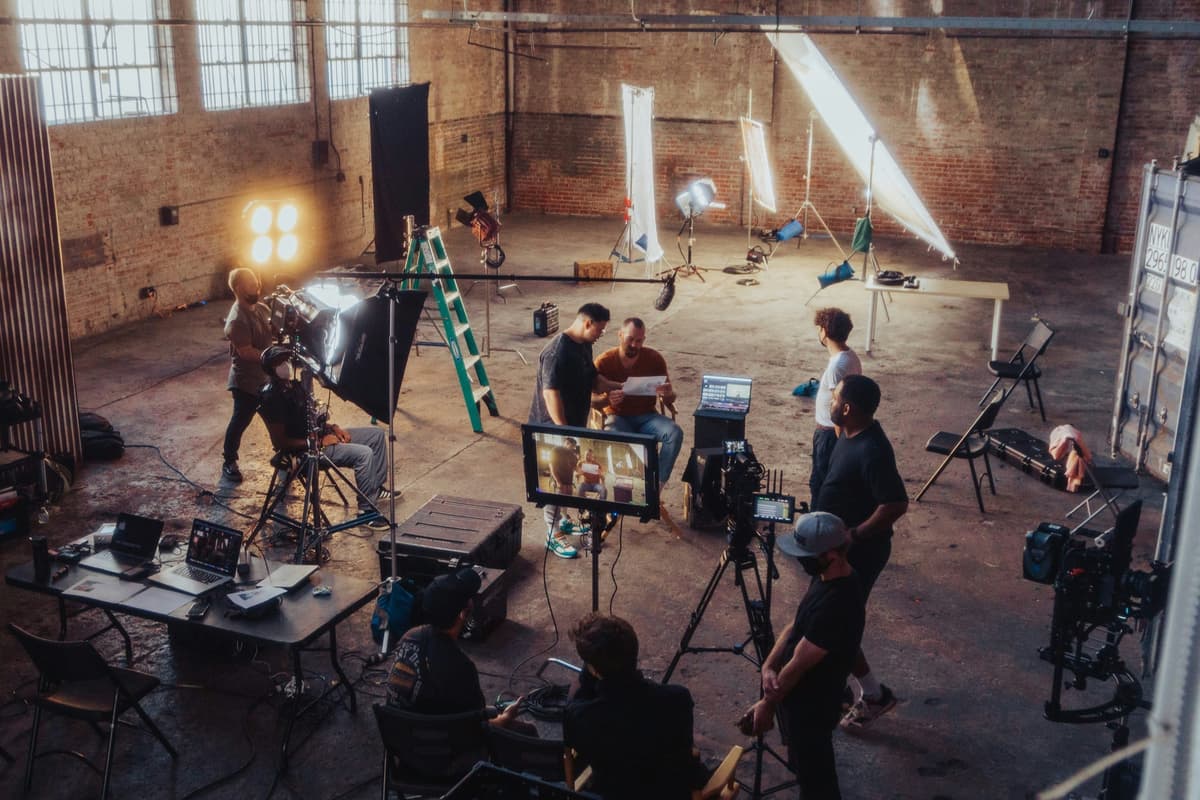
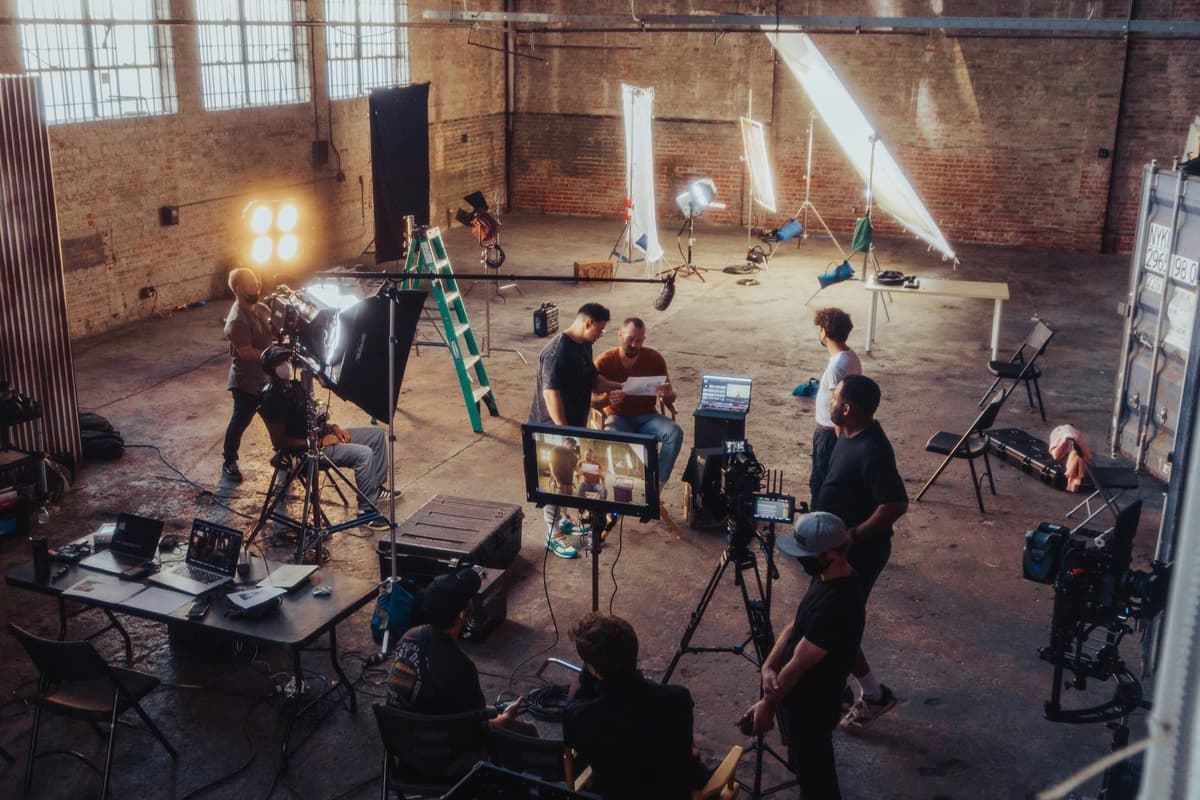
A boom operator is a key member of the production sound department in film and television, responsible for microphone placement and operation on set. Also called First Assistant Sound, the boom operator is second in command of the sound department, working directly under the production sound mixer. While the sound mixer oversees the entire audio recording operation and monitors levels from the cart, the boom operator works on the floor with the talent, physically positioning the microphone to capture clean dialogue for every shot.
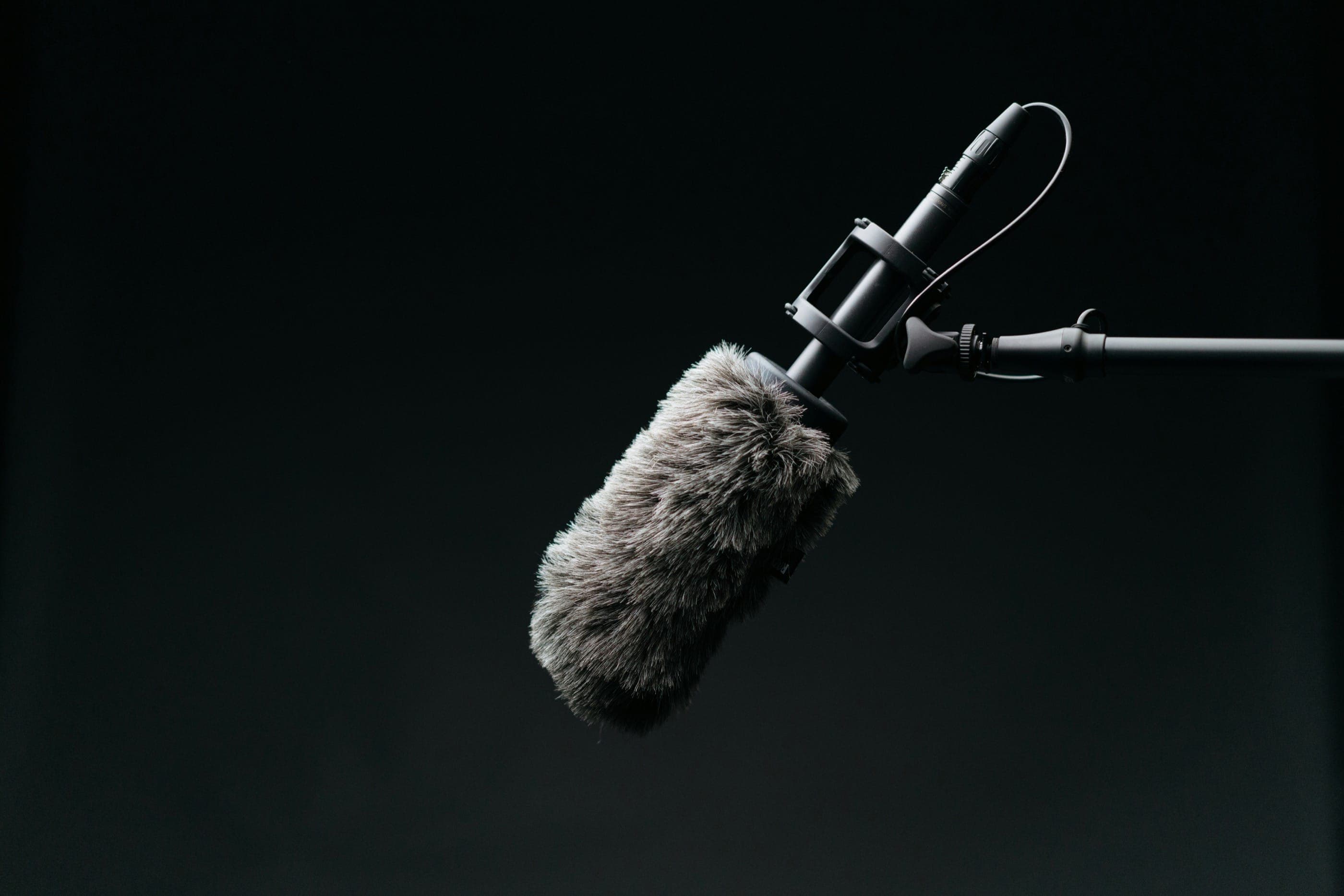
The boom operator's primary tool is a boom pole (sometimes called a fishpole): an extendable aluminum or carbon fiber pole that can reach 12 feet or more, with a microphone mounted at the tip. The operator holds the pole above actors, angling the mic toward dialogue sources while keeping both the pole and their own body completely out of the camera's frame. This is far more technically demanding than it appears. The operator must track actor movement, anticipate blocking changes, read lens sizes to know exactly where the frame line falls, and maintain a steady, quiet grip throughout a take that may last several minutes.
On larger productions, boom operators also place and manage radio microphones (lavalieres) on actors, handle cable runs, log sound reports, and supervise the utility sound technician. They are present for every production day, from the first blocking rehearsal through the final take.
Sound is one of the most underestimated line items in a film budget. Productions using film budgeting software can track sound department labor, equipment rentals, and expendables alongside every other crew cost, preventing the common mistake of underbudgeting a department that directly affects post-production costs.
Role & Responsibilities
The boom operator's core job is microphone placement. Every decision they make on set is aimed at one goal: getting the microphone as close to the dialogue as physically possible without the mic, pole, or operator entering the shot. That sounds simple. In practice, it requires constant coordination with the camera department, a deep understanding of acoustics, and the physical ability to hold a fully extended boom pole overhead for hours at a time.
Boom Pole Operation
The standard approach is to boom from above, holding the pole over the actors and angling the microphone downward toward the mouth. This keeps the mic out of frame while picking up dialogue directly. When ceiling height prevents overhead positioning (tight interiors, low-angle shots), the operator can boom from below, angling up from under the frame line. Each approach requires a different physical technique and a different microphone angle.
Boom operators watch the camera monitor constantly. They need to see the frame to know exactly how close the mic can come without dipping into the shot. On wide lenses, there is more headroom above the frame. On tight lenses, the frame line drops and the operator may need to extend the pole further or shift position entirely. Every lens change requires a recalibration.
Radio Microphone Placement
On productions with multiple characters speaking simultaneously, or in situations where the boom cannot physically reach all dialogue (wide establishing shots, car interiors, complex blocking), the boom operator places lavaliere microphones on actors. This involves hiding the small clip-on mic on the actor's body, concealing the transmitter pack, and running or wireless-routing the cable so it does not create noise when the actor moves. For scenes with physical contact between actors, this requires careful thought about mic placement relative to clothing layers and movement.
The boom operator coordinates with the production sound mixer on which actors need a lav on any given day, and manages the fitting process quickly during transitions between setups.
Coordination with the Camera Department
The relationship between boom operator and camera operator is central to everything that happens on a sound department shift. The boom operator needs to know the lens, the frame size, and where the camera will move. The camera operator needs to know where the boom pole will be so they can flag if it is about to dip into shot. Both departments must communicate constantly, often through brief signals during takes and detailed conversations during setup and blocking.
If the camera operator is moving with a handheld or Steadicam rig, the boom operator must mirror that movement, tracking both the camera's evolving frame and the actors' positions simultaneously. On multi-camera television sets, this is even more complex, with boom operators sometimes managing coverage for multiple cameras running in different directions.
Sound Reports and Documentation
At the end of each day, the sound department completes sound reports that log every take, indicate which takes the mixer recommends for picture, note any audio issues (planes overhead, set noise, mic handling sounds), and document timecode for each roll of audio. On union productions, the boom operator often assists with or takes primary responsibility for these reports. Thorough documentation is critical for the post-production sound team, which may be working with the recordings months after the shoot.
Equipment Maintenance
The boom operator is responsible for the condition of boom poles, shock mounts, blimps, wind protection (dead cats, zeppelins), cables, and wireless transmitter/receiver systems. On location, equipment takes abuse from weather, dust, and fast pack-up schedules. The boom operator is expected to troubleshoot and perform field repairs on equipment rather than waiting for a repair facility.
Skills Required
Microphone Knowledge
Boom operators must understand the characteristics of the microphones they use and know when to apply each type. The two most common boom microphones in professional film and television production are:
- Shotgun microphones: Highly directional, with a narrow pickup pattern that rejects sound from the sides and rear. Shotguns are the standard for exterior locations and large interior spaces where reflections are less of a concern. Common models used on professional sets include the Sennheiser MKH 416, Sennheiser MKH 50, and Schoeps CMIT 5U.
- Hypercardioid microphones: Less directional than shotguns, with a tighter cardioid pickup pattern and better rejection of room reverb. Hypercardioids (such as the Sennheiser MKH 50 and Schoeps MK41) are preferred for small, reverberant interior spaces like bathrooms, stairwells, and tiled rooms, where a shotgun mic's rejection lobes would pick up flutter echoes.
Knowing which microphone to reach for in a given acoustic environment is a judgment call that develops through experience. A boom operator who brings the wrong mic to a tight interior setup will struggle to get usable audio regardless of how well they physically operate the pole.
Boom Pole Technique
Physical boom pole operation is the foundation of the job. Key technique elements include:
- Grip and balance: Holding the pole with two hands to distribute weight, usually with one hand near the base for leverage and one hand closer to the mic end for fine adjustment. Carbon fiber poles reduce fatigue compared to aluminum on long shooting days.
- Minimizing handling noise: Movement of the operator's hands on the pole can transmit directly to the microphone. This is managed through technique (smooth, controlled movements), the use of shock mounts that absorb vibration, and wind protection (blimps and dead cats) that also help isolate handling noise.
- Knowing the frame: Boom operators must internalize the relationship between lens focal length and frame width at any given subject distance. Experienced operators can judge exactly how close the mic can come to the frame line without entering the shot, often without looking at a monitor.
- Anticipating movement: Good boom work requires reading the script, watching rehearsals closely, and tracking how actors move through blocking. When actors improvise or break from the planned blocking, the boom operator must react fast enough to stay on dialogue without creating a noise.
Physical Endurance
Boom operation is physically demanding work. Holding a fully extended boom pole overhead for a six-minute take, then immediately repositioning for the next setup, repeated across a twelve-hour shooting day, requires genuine upper body and core strength. Most professional boom operators maintain physical conditioning outside of work. Operators who neglect physical fitness will notice degraded performance later in the day, which translates directly into audio that is harder to use in post.
Ear for Audio Quality
Boom operators wear a headset connected to the sound mixer's feed throughout the day. This constant monitoring requires the ability to identify problems quickly: handling noise, distant aircraft, HVAC rumble, wireless interference, clothing rustle, or mic placement that is picking up more room tone than dialogue. The ability to hear a problem before it ruins a take (and communicate it to the mixer) is a skill that separates experienced boom operators from beginners.
Working Quietly on Set
Boom operators work within centimeters of talent and at the edge of camera frame during live takes. Any noise they make (footsteps, clothing movement, repositioning) can be picked up by the microphone and ruin a take. This requires careful attention to the operator's own clothing (avoiding synthetic fabrics that rustle), their footwear on different surfaces, and their breathing during long takes. Moving quietly on set is a skill that takes time to develop and is immediately noticeable to experienced sound mixers when hiring.
Communication with the Sound Mixer
The boom operator and production sound mixer must maintain constant, efficient communication throughout the day. Before each setup, they discuss microphone choice, coverage strategy for multi-character scenes, lav placements needed, and any concerns about the acoustic environment. During takes, the boom operator signals the mixer when the boom is in position and flags any issues. After takes, they review what was captured and adjust for the next angle. This working relationship is the core of the sound department's daily operation.
Salary Guide
Boom operator pay varies significantly by market, project type, experience level, and union status. The role is classified under the broader sound engineering technicians category by the Bureau of Labor Statistics (BLS), which reported a median annual wage of $60,970 for sound engineering technicians as of May 2024, with the top 10% earning more than $112,000. The lowest 10% earned under $30,000, reflecting the wide gap between entry-level non-union work and experienced union production.
Current Salary Ranges (2026)
Job market data from major salary platforms (as of February 2026) shows the following ranges for boom operators specifically:
- Indeed: Average base salary $55,092/year (range: $38,753 to $78,321)
- ZipRecruiter: Average $63,488/year (majority of operators earn $54,000 to $67,000)
- Glassdoor: Median total pay $57,000/year (base range $39,000 to $70,000)
These figures aggregate across union and non-union work, across markets, and across project types. They provide a useful baseline but do not reflect the full range of earnings at the top of the field.
IATSE Local 695 Union Rates
IATSE Local 695 (Production Sound Technicians) sets minimum daily and weekly rates for union boom operators working on feature films and television in Los Angeles. Union rates are negotiated periodically and vary by project budget tier. On major studio features and high-budget television series, daily rates for boom operators typically fall in the range of $450 to $600 per day, before overtime. On a standard 12-hour day with overtime, an experienced union boom operator on a studio feature can earn $700 to $900 per day.
Union work also includes contributions to health and pension funds, which add significant value beyond the base rate. The combination of higher daily rates, overtime, kit fees (where applicable), and benefits means that a union boom operator working consistently on studio productions can earn $90,000 to $130,000 or more per year.
Salary by Market
- Los Angeles: The highest-paying market for boom operators. Union work on studio features and streaming series is concentrated here. Experienced operators with strong mixer relationships can work year-round.
- New York: Strong market, particularly for episodic television, commercial production, and documentary work. Union rates through Local 695 East apply.
- Atlanta, Chicago, New Orleans: Growing production hubs with increasing union work as studios build out regional production capacity. Rates are lower than LA/NYC but improving.
- Other markets: Non-union commercial, corporate, and independent film work is available nationwide at lower daily rates, typically $300 to $500 per day for experienced operators.
Factors That Affect Pay
- Experience and credits: A boom operator with major studio features and network television credits commands higher rates than someone with primarily commercial or short film experience.
- Union membership: IATSE Local 695 membership is effectively required for access to studio-level productions in Los Angeles and New York. Non-union operators are capped at lower-budget projects.
- Project type: Feature films at the studio level pay the most. Streaming originals pay well but vary by platform. Commercial production pays competitive day rates but typically does not extend to consistent long-form work.
- Overtime and kit fees: On productions that run over 12 hours, overtime rates kick in and can substantially increase daily earnings. Some boom operators also charge kit fees for personal equipment (wireless systems, accessories) brought to production.
Job Outlook
The BLS projects employment for sound engineering technicians to grow 7% through 2033, roughly in line with average job growth across all occupations. Demand is driven by continued expansion of streaming content, growth in commercial and branded video production, and increasing production activity in regional markets outside of Los Angeles and New York. However, competition for positions on major productions remains high, and operators with strong union connections and a track record of credits on recognizable projects will continue to be in the best competitive position.
Frequently Asked Questions
What does a boom operator do on a film set?
A boom operator is responsible for microphone placement and operation throughout the shooting day. Their primary job is to hold and position a boom pole with a microphone mounted at the tip, keeping the mic as close to the dialogue as possible while staying completely out of the camera frame. This requires tracking actor movement, reading lens sizes to know exactly where the frame line falls, and physically maintaining the pole position through long takes. Beyond boom pole work, the boom operator also places and manages lavaliere (radio) microphones on actors for shots where the boom cannot reach all dialogue sources, assists with equipment setup and maintenance, and completes sound reports at the end of each shooting day. They report directly to the production sound mixer and are the second-ranking member of the sound department.
Is it hard to become a boom operator?
Getting started as a boom operator is not especially difficult if you are willing to begin at the bottom of the sound department. Most working boom operators started as utility sound technicians, handling cable runs and equipment support while observing the boom operator's work from close range. This apprenticeship approach is how the skill transfers on set. What is hard is the physical and technical development that takes years to build: learning microphone types and their acoustic behavior, developing the upper body strength and stamina to hold a fully extended pole overhead for long takes, and acquiring the set awareness to track camera frames, actor blocking, and dialogue simultaneously. The technical knowledge can be studied. The physical conditioning and set instincts develop only through repetition on actual productions.
How much do boom operators make?
Boom operator pay spans a wide range depending on market, experience, and union status. Non-union operators on smaller productions typically earn $300 to $500 per day. Experienced union boom operators working under IATSE Local 695 on major studio features can earn $700 to $900 per day including overtime, with top earners on consistent studio work bringing in $90,000 to $130,000 annually. Salary aggregator data (as of early 2026) puts the average annual salary for boom operators in the United States at approximately $55,000 to $63,000, which reflects the full spectrum from entry-level non-union work to experienced union production.
Education
There is no required degree to work as a boom operator in film and television. The role is a craft position learned through hands-on experience, and most working boom operators entered the industry by starting in the sound department at a lower level and working their way up.
The Standard Career Path
The most common entry point is as a utility sound technician (also called sound utility or cable person). The utility handles cable management, assists with equipment setup and teardown, manages sound carts during company moves, and supports both the boom operator and sound mixer throughout the day. Working as a utility gives aspiring boom operators direct observation of boom technique, microphone placement decisions, and department workflow. It also establishes the professional relationships that lead to advancement.
From utility, the progression moves to boom operator on smaller productions (shorts, low-budget features, student films, corporate and industrial video) before advancing to boom operator credit on larger projects. Building a track record of credits across project types is the primary qualification for working on higher-budget productions.
Film School and Audio Programs
A bachelor's degree in film, audio engineering, or sound design can provide useful foundational training and early access to production equipment. Programs at schools with active film departments give students the opportunity to work on set before graduating. Berklee College of Music and similar audio-focused institutions offer coursework in live recording and production sound that directly applies to boom operation.
That said, a degree is not a substitute for set experience. Producers and sound mixers hiring boom operators care about credits and references, not transcripts.
IATSE Local 695
In major production markets (Los Angeles, New York), union boom operators work under IATSE Local 695, the Production Sound Technicians, Television Engineers, and Videotape Operators union. Local 695 covers production sound mixers, boom operators, and utility sound technicians on union feature films and television. Joining the union typically requires completing a qualifying period of work on union productions or going through a direct membership application process once you have sufficient documented hours.
Union membership provides access to collectively bargained rates, health and pension benefits, and professional development resources. Most major studio productions in Los Angeles and New York are union signatories, making Local 695 membership effectively required for long-term work in those markets.
Building Skills Before the First Job
Many boom operators recommend getting hands-on with equipment before attempting to work professionally. Short film productions, student films, local commercials, and event video work all provide opportunities to practice boom technique, understand camera framing, and develop the physical conditioning the job requires. Boom pole work is physically demanding, and operators who arrive on their first professional job without having built up grip strength and physical endurance will struggle.
Last updated April 25, 2026
Budget this role in seconds with Saturation
Rate packs, fringes, and phases turn a crew list into an accurate production budget without the spreadsheet math.
Rate packs
Verified union rates, versioned.


Fringes and markupsRebuilt
Stack them, cap them, and see the split on every line.
PhasesRebuilt
Every column knows its type.
Auto-fill
Rates fill in as you type, from the source you turned on.