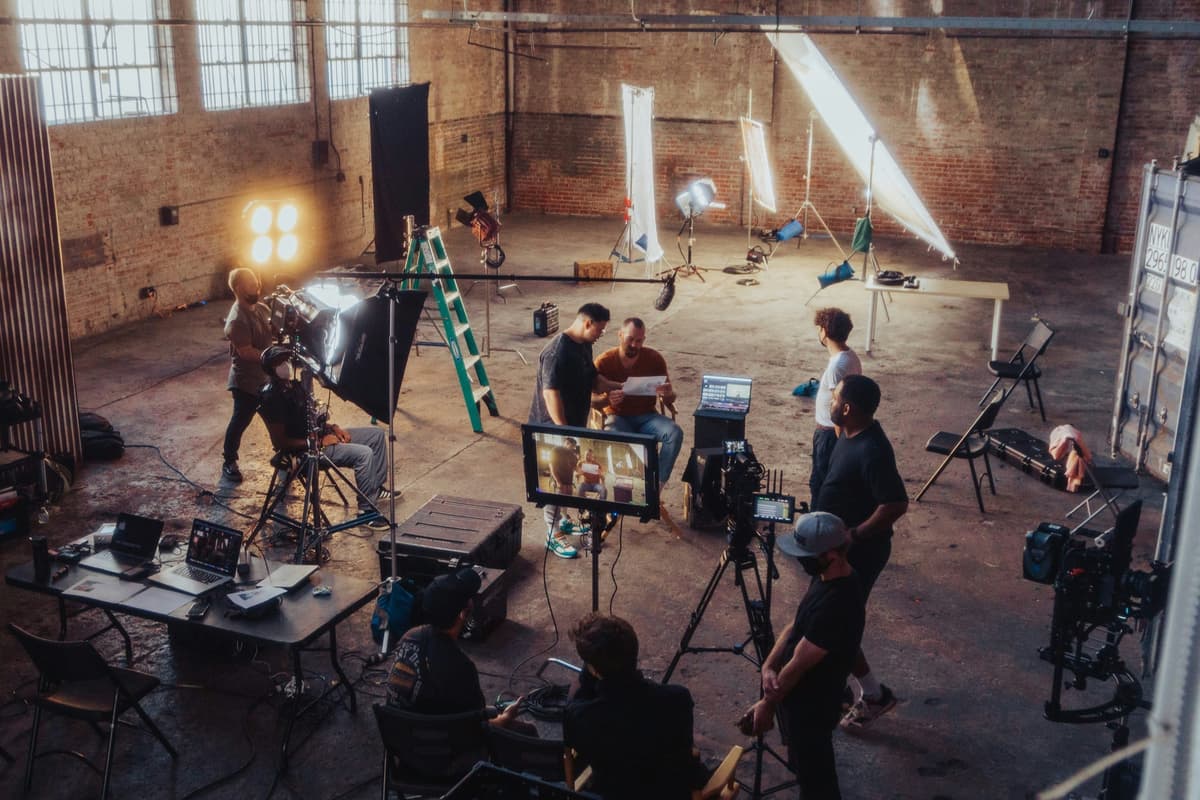
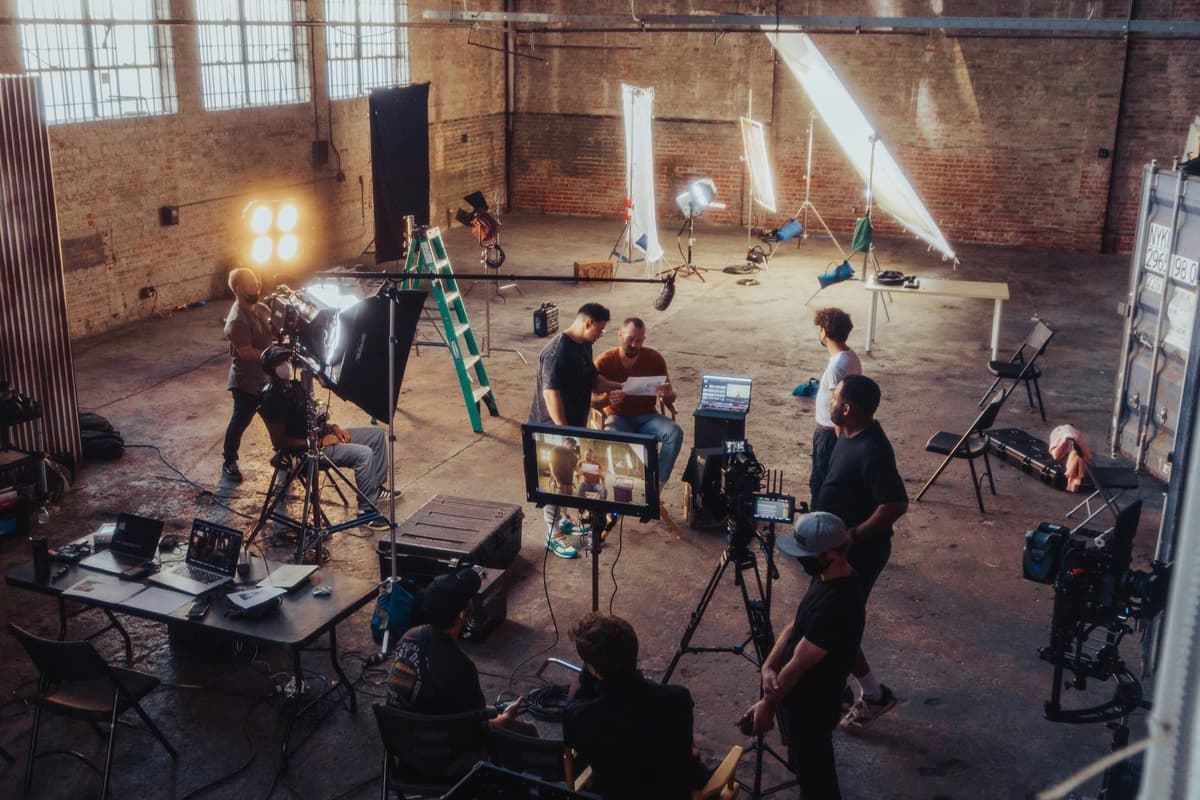
What is a Armorer?
Overview
What Is a Film Set Armorer?
A film set armorer — also called a weapons master, weapons coordinator, or weapons handler — is the crew member responsible for every firearm and weapon that appears on a production. That responsibility spans the entire lifecycle of each weapon: sourcing it from a rental house or personal collection, transporting it safely to set, maintaining it between takes, training actors to handle it correctly, and returning it secured at the end of the day. Nothing involving a weapon happens on a professional set without the armorer's direct oversight.
The role exists at the intersection of deep technical expertise and relentless safety discipline. A production may call for a 1920s Tommy gun, a modern military-spec rifle, a muzzle-loading flintlock, or a period sword — sometimes all in the same week. The armorer must know how each operates, how to make it camera-ready, how to ensure it cannot cause harm to cast or crew, and how to make it look convincing on screen regardless of what it actually fires (blanks, rubber props, or nothing at all).
Where the Armorer Fits in the Crew
Armorers sit within the props department and are hired by, and report to, the property master. Day-to-day they coordinate closely with the first assistant director, who controls set safety calls, and with the stunt coordinator, who choreographs any physical action involving weapons. The director and DP also work with the armorer on the visual requirements — how a weapon should look in frame, whether muzzle flash is practical or added in post, and how close actors can safely be to a firing weapon.
Because the role carries genuine legal and safety weight, the armorer holds one authority that almost no other crew member has: the right to halt a take or stop production outright if they believe a weapon situation is unsafe. That authority is non-negotiable and, after the 2021 Rust shooting that killed cinematographer Halyna Hutchins, the industry has moved to reinforce it through new protocols and legislation.
Post-Rust Industry Changes
The October 2021 fatal shooting on the set of the film Rust — in which a live round discharged from a prop firearm — reshaped how the entire industry thinks about armorer responsibilities. In the aftermath, productions across the United States adopted stricter protocols: mandatory daily safety briefings involving the armorer, chain-of-custody logs for every weapon and every round that enters a set, and in some jurisdictions, outright bans on live ammunition in production facilities.
California passed AB 45 in 2023 specifically addressing on-set firearm safety. New York and other states followed with similar legislation. The SAG-AFTRA Basic Agreement now includes enhanced weapons-safety language. These changes elevated the armorer from a specialized vendor to a core safety officer whose documentation and sign-off is required before any weapons scene proceeds.
For producers, the practical impact is that armorer budgets are no longer negotiable line items. Skimping on qualified, licensed armorers to save money exposes a production to criminal liability, civil suits, and the reputational damage that accompanies any on-set injury. Saturation.io's production budgeting tools help producers accurately plan for dedicated armorer costs — day rates, rental fees, ammunition budgets, and safety briefing time — from the earliest budget draft through final cost reporting.
Armorer vs. Prop Master: Understanding the Distinction
A common source of confusion is the relationship between the armorer and the prop master. The prop master owns the overall props budget and is responsible for sourcing all physical objects used on set. The armorer is a specialist within that structure, specifically responsible for weapons. On productions that use weapons infrequently, a prop master with an FFL (Federal Firearms License) may handle the work personally. On productions with significant weapons content — action films, war dramas, crime thrillers — a dedicated armorer is not optional; it is an industry standard and increasingly a legal requirement.
Role & Responsibilities
Pre-Production: Sourcing and Planning
An armorer's work begins well before cameras roll. During pre-production they read the script and break down every scene that involves a weapon. They identify the type, period, caliber, and visual requirements of each firearm or blade, then source them from rental houses, personal collections, or manufacturers. Some weapons require special licensing to transport or discharge — particularly NFA (National Firearms Act) items such as fully automatic weapons, suppressors, and short-barreled rifles — so the armorer coordinates with local law enforcement and obtains any necessary permits.
They also prepare a weapons inventory that documents every item entering the production: make, model, serial number, condition, and chain of custody. Post-Rust, many productions now require this inventory to be signed off by the first AD, the unit production manager, and sometimes the studio's insurance carrier before principal photography begins.
Actor and Stunt Preparation
One of the armorer's most critical functions is training. When an actor must handle a firearm convincingly and safely, the armorer conducts intensive one-on-one sessions that cover the weapon's mechanics, safe direction rules (always pointing in a safe direction even between takes), trigger discipline, and what to do if anything feels wrong. For period films, this may mean hours of training on weapons the actor has never encountered — muzzle-loaders, revolvers, lever-actions — to build both confidence and muscle memory.
Training is not a one-time event. The armorer reviews handling with actors at the start of each shooting day involving weapons and conducts a safety briefing with the full cast and crew in the scene. No one touches a weapon without direct armorer authorization. The protocol known as "cold gun" verification — where the armorer opens or clears the weapon in front of the first AD and sometimes the camera operator before handing it to the actor — is now considered non-negotiable on professional sets.
On-Set Weapons Management
Once principal photography begins, the armorer is present for every scene involving a weapon. Their specific on-set responsibilities include:
- Retrieving weapons from their locked storage and transporting them to set
- Loading blank cartridges (when required) only immediately before a take
- Verifying each weapon is clear (or properly loaded with blanks) in front of a witness before handing it to the actor
- Standing by during the take, positioned so they can observe safe handling
- Immediately retrieving the weapon from the actor after each take
- Keeping a log of every time a weapon is handled, handed out, and returned
- Performing function checks and maintenance between takes
- Storing all weapons in a locked, dedicated case when not actively in use
Live ammunition is never permitted on a professional set. The distinction between live rounds, blank cartridges, dummy rounds (inert cartridges used for close-up shots), and rubber props is part of the armorer's constant vigilance. Even blank cartridges are genuinely dangerous at close range — the gas discharge from a blank can cause fatal injuries — which is why minimum safe-distance rules exist for any blank-fire scene.
Blank Ammunition and Prop Weapon Protocols
Blanks are a frequent source of misunderstanding. A blank cartridge contains a primer and powder charge but no projectile. When fired, it produces a muzzle flash and report (the sound) that read realistically on screen, but the discharge still generates significant gas pressure and burning debris. At distances under eight to ten feet, blanks can cause serious injury. The armorer sets and enforces minimum distance rules for every blank-fire setup and communicates those rules to the director and DP before staging is finalized.
Dummy rounds — sometimes called dummy cartridges or snap caps — are completely inert. They look exactly like live ammunition on camera, making them ideal for close-up shots of actors loading or handling weapons. The armorer checks every dummy round before each use to confirm it contains no powder or primer. Mixing even one live round into a set of dummies was the proximate cause of the Rust tragedy, and it is why modern protocols require separate, clearly labeled storage for each ammunition type.
For productions that want zero risk from any type of projectile, rubber or resin prop firearms are available that cannot fire anything. The armorer advises the director on which scenes can use full props versus which require functional weapons, and that decision is locked before production begins.
Coordination with Stunt Department
When a weapons scene involves stunts — a character being shot, a fight with edged weapons, an explosive confrontation — the armorer works in close partnership with the stunt coordinator. They agree in advance on the choreography, the distance between performers, and any squib or special-effects work that simulates bullet impacts. The stunt coordinator owns the stunt; the armorer owns the weapon. Both must be satisfied with a setup before it proceeds.
This coordination extends to second unit and any additional photography. The armorer (or a qualified assistant armorer) must be physically present any time a weapon is brought to camera — there is no remote authorization and no "the prop master can handle it today" in professional production.
Wrap and Post-Production
At the end of each shooting day, the armorer accounts for every weapon and every round. All items are secured in locked storage — typically a dedicated, dedicated case that remains in the armorer's custody or in a production-provided secure room. Transport between locations follows state and federal firearms transport regulations.
After principal photography wraps, the armorer returns rental weapons to their source with a condition report, disposes of unused blank ammunition through licensed channels, and provides a final weapons log to the production. That documentation is retained in case of any insurance claim or legal inquiry.
Post-Rust Regulatory Requirements (State by State)
The post-Rust legislative landscape varies by state but the trajectory is consistent: more documentation, stricter chain of custody, and mandatory licensed armorer presence for any scene involving a functional firearm.
- California: AB 45 (2023) bans live ammunition on set and requires productions to submit a weapons safety plan to the relevant industry guild or union representative before weapons scenes begin. The production must carry proof of armorer licensure on set.
- New Mexico: Enacted specific film production firearms safety regulations in 2022, including mandatory armorer licensing, chain of custody logs, and mandatory safety briefings.
- New York: Strengthened existing New York City Administrative Code provisions. Productions must file with the NYPD for any use of firearms in certain locations.
- Other states: Many productions operating in states without specific film-set regulations now voluntarily follow California or New Mexico standards as a condition of their insurance coverage.
SAG-AFTRA's collective bargaining agreement requires producers to notify the union before any production involving firearms and to ensure qualified armorers are employed. Failure to comply can result in work stoppages and penalties.
Skills Required
Firearms Proficiency Across All Platforms and Eras
The most fundamental skill an armorer brings to set is encyclopedic knowledge of firearms across all platforms, action types, and historical periods. A production may require a 16th-century matchlock musket in the morning and a modern polymer-frame pistol in the afternoon. The armorer must understand how each works mechanically, how to make it safe, how to load it for camera use, and what its realistic failure modes are.
This proficiency is built over years of hands-on experience and is not something that can be faked. Directors, stunt coordinators, and experienced prop masters quickly identify armorers who don't have deep platform knowledge — and the consequences of a gap in knowledge on set can be catastrophic. Armorers are expected to be comfortable with:
- Revolvers, semi-automatic pistols, and double-action/single-action mechanisms
- Bolt-action, lever-action, pump-action, and semi-automatic long guns
- Fully automatic weapons (requiring SOT/NFA compliance)
- Period and antique firearms including flintlocks, percussion caps, and early self-contained cartridge guns
- Edged weapons: swords, knives, axes — historical and contemporary
- Non-lethal prop weapons: rubber, resin, and airsoft replicas
Safety Protocol Design and Enforcement
The armorer is not just required to follow safety protocols — they are expected to design and enforce them for each specific production environment. A location shoot in a warehouse with a 30-person crew requires different protocols than a controlled stage shoot with 200 people. The armorer assesses every environment and establishes the specific rules that apply: minimum distances for blank fire, sight lines to ensure crew members are never in the path of even a blank discharge, positioning of medics, and communication signals for "cold gun" and "hot set" status.
Post-Rust, written safety protocols that are reviewed and signed by department heads before weapons scenes begin have become standard. The armorer typically authors this document and is responsible for ensuring every person on set with weapons exposure understands and agrees to the terms.
Actor Coaching and Performance Support
A skilled armorer is also a patient teacher. Actors arrive on set with wildly different levels of comfort with firearms, from those who have never held one to those with hunting or competition shooting backgrounds. The armorer's job is to bring every actor to a level of proficiency that reads as authentic on camera and maintains safety at all times.
Effective actor coaching requires the armorer to read the individual — their learning style, anxiety level, physical coordination — and adapt accordingly. Someone who is frightened of firearms needs a different approach than a confident gun owner who has developed bad habits that need correcting. The ability to communicate clearly, build trust, and instill genuine competence under time pressure is a soft skill that distinguishes excellent armorers from merely competent ones.
Mechanical Maintenance and Troubleshooting
Film production schedules do not accommodate weapons malfunctions. An armorer must be able to diagnose and resolve mechanical issues on the spot, under the pressure of a crew waiting and a director watching the clock. This requires a level of mechanical competence that goes beyond simply knowing how to operate a weapon — the armorer must understand how each component functions, what causes failures, and how to fix them safely without the benefit of a workshop.
Blank-adapted weapons — those modified to cycle reliably on blank ammunition — are particularly prone to cycling issues, because blanks generate different gas pressure than live rounds. The armorer maintains these adaptations and resolves any issues that arise during production. A blank-adapted weapon that fails to cycle breaks the illusion of automatic fire and requires the armorer to diagnose and correct the issue between takes.
Legal Compliance and Documentation
The armorer must navigate an increasingly complex legal environment. Federal firearms law (the Gun Control Act of 1968 and the National Firearms Act of 1934, as amended) governs which weapons can be transported across state lines, which require special licensing to possess, and what documentation must accompany them. State law adds additional layers — California's assault weapons restrictions, New York City's permit requirements for firearm transport, New Mexico's new production-specific regulations.
Beyond the weapons themselves, blank ammunition has its own regulatory complexity. Certain types of blank cartridges are classified as ammunition and regulated accordingly. The armorer maintains current knowledge of applicable law, keeps meticulous records, and ensures the production's exposure to regulatory risk is minimized.
Communication and Crew Management
On large productions, the armorer may oversee one or more assistant armorers. Managing a small team while simultaneously managing weapons, safety protocols, actor training, and AD coordination requires strong organizational and communication skills. The armorer must be able to brief large groups clearly — a safety briefing to a 60-person crew before a weapons scene must be clear, comprehensive, and fast, because crew time is expensive.
Equally important is the armorer's ability to say no confidently and professionally when a request is unsafe. Whether a director wants actors closer to a blank-fire muzzle than safety allows, or a producer wants to skip the safety briefing to save time, the armorer must decline clearly and explain the alternatives. This requires composure and authority that is only built through experience.
Calm Under Pressure
Set environments can be chaotic, high-pressure, and driven by production schedules that leave little margin for delay. The armorer works in this environment as a consistent, calm presence. When something goes wrong — a weapon malfunctions, an actor drops a firearm, a blank fails to fire — the armorer's response must be immediate, measured, and confident. Panic or hesitation in a weapons situation can escalate risk rapidly. The ability to stay calm, assess the situation correctly, and communicate clearly is one of the most important traits a successful armorer brings to every production day.
Period and Historical Weapons Expertise
Historical productions — westerns, war films, period dramas — require specialized knowledge of weapons that are no longer in common use. An armorer working on a Civil War film needs to understand the mechanism of a percussion-cap musket, the realistic rate of fire for a Colt Single Action Army revolver, and the visual look of powder flash from a muzzle-loading rifle. This research extends to sourcing: many period weapons require contact with specialist collectors or rental houses that focus on historical inventory, a network that takes years to build.
Salary Guide
Film Armorer Pay Overview
Film armorer compensation varies significantly based on production type, budget level, union status, geographic market, and experience level. The role is not a typical 9-to-5 position — armorers work on production schedules that can mean 10-14 hour days during principal photography followed by periods of no work between productions. Understanding both day rates and annual income patterns is essential for anyone considering this career path.
Day Rates by Experience Level
Day rates are the standard unit of compensation for film armorers. A "day" in union production is typically 10 hours, with overtime kicking in after that. Common day rate ranges in 2025-2026:
- Entry-level / Assistant Armorer: $350–$550/day (non-union); $450–$650/day (union assistant rates)
- Mid-level Armorer (3–7 years experience): $600–$950/day on non-union productions; union scale varies by local
- Senior / Lead Armorer (major studio productions): $1,000–$2,000+/day on large-budget studio films
- Specialty / High-demand Armorer: $1,500–$3,500+/day for armorers with rare expertise (NFA specialist, specific historical period, overseas productions)
ZipRecruiter data (February 2026) reports film armorer hourly wages ranging from approximately $20 to $75 per hour nationally, with a median around $25.49/hour for hourly-reported positions. The wide range reflects the disparity between low-budget independent productions and major studio features.
Annual Income: What Armorers Actually Earn
Because production work is intermittent, annual income depends heavily on how consistently an armorer books work. A senior armorer with established relationships on major productions may work 180–220 shooting days per year; an armorer still building their career may work 60–100 days in a year. Annual income patterns:
- Early career (0–3 years): $35,000–$60,000/year, depending on number of days booked
- Mid-career (4–8 years): $70,000–$120,000/year on consistent production schedules
- Established lead armorer: $120,000–$200,000+/year on major productions
- Top-tier / specialty armorers: $250,000+ annually, particularly those attached to major franchise productions
Kaplan Community Career Center data (February 2026) reports the average armorer salary (across all industries, including film) at approximately $62,438 per year nationally, with the top 10% earning above $77,397 and the bottom 10% below $50,794. Film-specific armorers at senior levels typically earn above the all-industry average.
Union vs. Non-Union Rates
IATSE Local 52 (New York) and IATSE Local 44 (Los Angeles) set minimum rates for union productions. Union membership provides access to better-paying studio productions, benefit packages including health insurance and pension contributions, and the job security of collective bargaining. Non-union armorers may book work on independent productions, streaming-original series with non-union agreements, and commercial shoots, which can be lucrative but less predictable.
The path to union membership typically involves working sufficient non-union days to qualify and obtaining a union sponsor. For many armorers, the combination of non-union indie work and eventual union status on major productions is the realistic career arc.
Geographic Market Impact
Los Angeles and New York remain the highest-paying markets for film armorers, driven by the concentration of major studio productions and streaming series. However, the expansion of production to runaway states — Georgia, New Mexico, Texas, Louisiana, and Canada — has created meaningful armorer markets in those regions.
- Los Angeles: Highest concentration of work; competitive market; union rates prevail on studio projects
- New York: Strong union market; significant commercial and broadcast work in addition to features
- Atlanta / Georgia: Growing rapidly; Marvel, Netflix, and other major studios shoot extensively here; mix of union and non-union
- New Mexico / Albuquerque: Post-Rust regulations are strict here; demand for compliant, credentialed armorers has increased
- Vancouver / Canada: Canadian productions pay in Canadian dollars; experienced armorers with cross-border credentials are in demand
How Post-Rust Safety Requirements Affected Armorer Pay
The Rust shooting had a direct upward effect on armorer compensation. As productions adopted stricter protocols and states enacted new legislation, the cost of qualified armorers increased — both because demand for compliant professionals rose and because the documentation and preparation requirements added hours to every weapons day.
Productions that previously managed weapons scenes informally, relying on prop masters or unqualified assistants to handle firearms, now face legal exposure that compels them to hire credentialed armorers at proper rates. The result has been a measurable increase in both the number of armorer positions on productions and the rates paid for those positions. Armorers who invested in formal credentials and documentation practices after 2021 have benefited from this shift.
Additional Income Streams
Experienced armorers often supplement their production income with related work:
- Commercial and advertising shoots: Shorter days, compressed schedules, often very good day rates for weapons scenes
- Music videos: Quick-turnaround productions that may require armorer services for single shooting days
- Safety consulting: Some armorers consult to production companies on weapons safety protocols without being on set for every shooting day
- Training and instruction: Conducting actor training workshops or consulting for productions that want preparatory training before principal photography
- FFL-licensed inventory rental: Armorers with their own licensed inventory can generate rental income from their collection
For a comprehensive look at armorer wages across all U.S. occupations, see the Bureau of Labor Statistics Occupational Employment and Wage Statistics. Note that the BLS does not track "film armorer" as a distinct occupation category; the closest category is "Actors and Performers" or may appear under "Miscellaneous Entertainment Attendants and Related Workers."
Budgeting for an Armorer on Your Production
For producers, accurate armorer budgeting requires accounting for more than just the day rate. A full armorer line item in a production budget should include:
- Day rate for lead armorer (all prep days, shoot days, and wrap days)
- Day rate for assistant armorer(s) if required by scale
- Weapons rental fees (paid to rental house, separate from armorer's rate)
- Blank and dummy ammunition costs
- Transport and security costs for weapons in transit
- Safety briefing time (not always absorbed into a standard day)
- FFL compliance and permitting fees
Underbudgeting the armorer line — a common mistake on lower-budget productions — creates the exact conditions that lead to safety violations. Experienced production accountants and line producers factor the full armorer cost before other weapons-related line items are locked.
Frequently Asked Questions
What does an armorer do on a film set?
A film armorer (also called a weapons master) is responsible for every weapon that appears on a production. They source, transport, maintain, and safely manage all firearms and weapons. They train actors on safe handling, conduct pre-take safety checks, hand weapons to actors for each take, retrieve them immediately after, and keep detailed logs of every weapon and every round on set. The armorer also has authority to halt production if they determine any weapons situation is unsafe.
What happened on the Rust set, and how has it changed film production?
In October 2021, cinematographer Halyna Hutchins was fatally shot and director Joel Souza was wounded when a live round discharged from a prop firearm on the set of the film Rust in New Mexico. Armorer Hannah Gutierrez-Reed was convicted of involuntary manslaughter and sentenced to prison. The incident revealed that the production had inadequate safety protocols, that the chain of custody for ammunition had broken down, and that a live round had been mixed in with dummy cartridges. In response, California passed AB 45 banning live ammunition on set, New Mexico enacted new production firearms regulations, SAG-AFTRA updated its Basic Agreement to include enhanced weapons-safety language, and virtually every major studio and streamer adopted stricter protocol requirements for any production involving firearms.
How much does a film armorer make?
Film armorer pay varies widely by experience, production budget, and market. Entry-level assistant armorers earn $350–$550 per day on non-union productions. Mid-level lead armorers typically earn $600–$1,000 per day. Senior armorers on major studio productions earn $1,000–$2,000+ per day. Annual income depends heavily on how many shooting days per year an armorer books, with established lead armorers at major studios earning $120,000–$200,000+ annually.
How do you become an armorer for film and television?
There is no single required path, but the most common routes combine one of the following backgrounds: military/law enforcement experience with weapons training; formal gunsmithing education; or a deep personal background in competitive shooting or firearms collecting. From any of those starting points, aspiring armorers typically work as assistant armorers on productions — starting with student films and low-budget independents — building experience and references until they can take lead roles on their own. Union membership through IATSE (Local 52 in New York, Local 44 in Los Angeles) opens doors to the largest productions.
What is an FFL and do film armorers need one?
An FFL (Federal Firearms License) is a license issued by the ATF that authorizes the holder to deal in, manufacture, or import firearms. Not every working film armorer holds a personal FFL — many work through rental houses that carry the license. However, armorers who maintain their own weapons inventory, transport NFA items (fully automatic weapons, suppressors), or operate in states with strict requirements often obtain a Type 01 (dealer) FFL. IATSE Local 52 notes that NFA firearms cannot legally be used on set without a licensed armorer present — meaning someone credentialed through an FFL-holding entity must be physically on set.
Is armorer a union position in film?
Armorers on major studio productions in the United States typically work under IATSE agreements. In New York, IATSE Local 52 covers prop armorers. In Los Angeles, the work is often covered under IATSE Local 44. Non-union armorer positions exist on independent productions, lower-budget streaming originals, commercials, and student projects. Union membership provides access to higher-paying productions and benefit packages, but requires meeting minimum hours thresholds and typically sponsorship from an existing union member.
What is the difference between an armorer and a weapons master?
The terms are used interchangeably in the industry. "Weapons master" was historically the more common credit; "armorer" has become increasingly standard, particularly in union job descriptions and post-Rust legislation. Some productions distinguish between them by assigning "weapons master" to a senior coordinator role and "armorer" to the on-set specialist, but in most contexts the titles refer to the same function.
Do actors use real guns on set?
It depends on the scene. Most productions use real firearms loaded with blank cartridges for any scene requiring the weapon to be fired. For close-up shots showing loading, handling, or display of a weapon, inert dummy rounds are used in real firearms. For entirely static scenes where no firing action is required, rubber or resin prop replicas that cannot fire anything are often substituted. The armorer determines which approach is appropriate for each specific shot and ensures the actor always knows exactly what type of weapon they are holding and what it can do.
Education
There Is No Single Degree Path
Unlike cinematography or production design, where formal film school programs are a common entry point, becoming a film armorer does not follow a single academic track. The skills required — deep firearms knowledge, mechanical aptitude, safety protocol expertise, and the ability to train and manage people under pressure — come from a combination of real-world experience, specialized certification, and apprenticeship that no single degree program fully provides.
That said, education matters, and the most successful armorers typically combine some formal training with years of practical experience before earning credits on major productions.
Military and Law Enforcement Backgrounds
A significant number of working film armorers entered the field from military or law enforcement careers. Military service — particularly in the Army, Marine Corps, or special operations — provides intensive, hands-on training with a wide range of weapons systems including small arms, crew-served weapons, and in some cases NFA items. Veterans leave service with documented proficiency, which carries real weight when approaching rental houses and production companies.
Law enforcement armorers — officers who served as the designated firearms specialist for their department, responsible for qualifying other officers, maintaining department weapons, and managing the armory — have a comparable background. The skills translate directly: inventory management, maintenance procedures, training protocols, and the legal framework around weapons storage and transport.
Military veterans pursuing film careers often begin by contacting local rental houses (ISS or Independent Studio Services in Los Angeles, Stembridge Gun Rentals historically, Weapons Specialists in New York) and offering their services as an assistant armorer. A veteran with documented weapons training is a credible starting point.
Gunsmithing Education
Formal gunsmithing programs are offered at several institutions across the United States. These programs teach the mechanical engineering of firearms: how actions function, how to diagnose malfunctions, how to make safe modifications, and how to restore period weapons. For an armorer, this training is invaluable because it demystifies what a weapon can and cannot do, enabling confident judgment calls on set.
Notable programs include:
- Sonoran Desert Institute (SDI) — offers online gunsmithing certificates and an associate degree program recognized in the industry
- Murray State College (Oklahoma) — offers an accredited gunsmithing program
- Colorado School of Trades — one of the oldest dedicated gunsmithing programs in the country
- Yavapai College (Arizona) — well-regarded gunsmithing program
- Piedmont Technical College (South Carolina) — gunsmithing and tool technology program
A gunsmithing certificate or degree combined with film industry networking is a credible path into the armorer specialty, even without military or law enforcement experience.
The FFL: Federal Firearms License
The Federal Firearms License (FFL) is the legal authorization issued by the Bureau of Alcohol, Tobacco, Firearms and Explosives (ATF) that permits an individual or business to manufacture, import, or deal in firearms. For film armorers, the most relevant license types are:
- Type 01 (Dealer in Firearms): Allows the purchase and sale of firearms. Many rental houses hold this license.
- Type 07 (Manufacturer): Allows manufacturing firearms and handling NFA items with an additional SOT (Special Occupational Taxpayer) registration.
- Type 03 (Collector of Curios and Relics): A lower-barrier license relevant to period weapons collectors.
Not every working armorer holds a personal FFL. On many productions, the armorer works with a rental house that holds the FFL, and the armorer is credentialed through that relationship. However, armorers who maintain their own inventory — particularly those who work regularly in states with strict transport regulations — typically obtain their own FFL Type 01 or work under an employer's license.
IATSE Local 52 (New York) notes in its prop armorer job description that NFA firearms and sometimes Title 1 firearms cannot legally be used on set unless a licensed armorer is present. This legal requirement is a significant driver of demand for properly credentialed armorers.
IAPSTM and Professional Organizations
The International Alliance of Theatrical Stage Employees (IATSE) is the primary union covering armorers in the United States. In New York, armorers work under IATSE Local 52. In Los Angeles, prop armorers typically work under IATSE Local 44 (set decorators and property) or are hired as non-union specialists on lower-budget productions.
The International Association of Professional Stunt Technicians and Military Advisors (IAPSTM) offers training and credentialing relevant to armorers who work in action production environments. Membership provides networking access to stunt coordinators and action-oriented productions where armorer demand is highest.
For those pursuing the role, the practical path to union membership generally involves assistant armorer work on non-union productions, building a track record and references, and then applying for union membership once you have demonstrated hours in the role.
Apprenticeship: The Industry Standard Entry Point
Regardless of formal education, the most common entry into film armorer work is apprenticeship under an established armorer. This means working as an assistant — handling logistics, maintaining inventory, preparing weapons for the armorer's use, and observing every on-set interaction — while the lead armorer does the hands-on work.
Assistant armorers typically earn day rates significantly below the lead armorer (often $350–$500 per day on union productions) but gain the experience and connections that eventually qualify them for lead positions. Most established armorers began this way, spending two to five years as an assistant before earning solo credits on smaller productions.
To find apprenticeship opportunities, prospective armorers should:
- Contact prop and weapons rental houses in their city directly
- Reach out to established armorers through IATSE Local 52 (New York) or Local 44 (Los Angeles)
- Volunteer on student films and low-budget shorts to build a working relationship
- Attend industry events and join film production communities online
Last updated April 25, 2026
Budget this role in seconds with Saturation
Rate packs, fringes, and phases turn a crew list into an accurate production budget without the spreadsheet math.
Rate packs
Verified union rates, versioned.


Fringes and markupsRebuilt
Stack them, cap them, and see the split on every line.
PhasesRebuilt
Every column knows its type.
Auto-fill
Rates fill in as you type, from the source you turned on.