What is a Aerial Director?
Overview
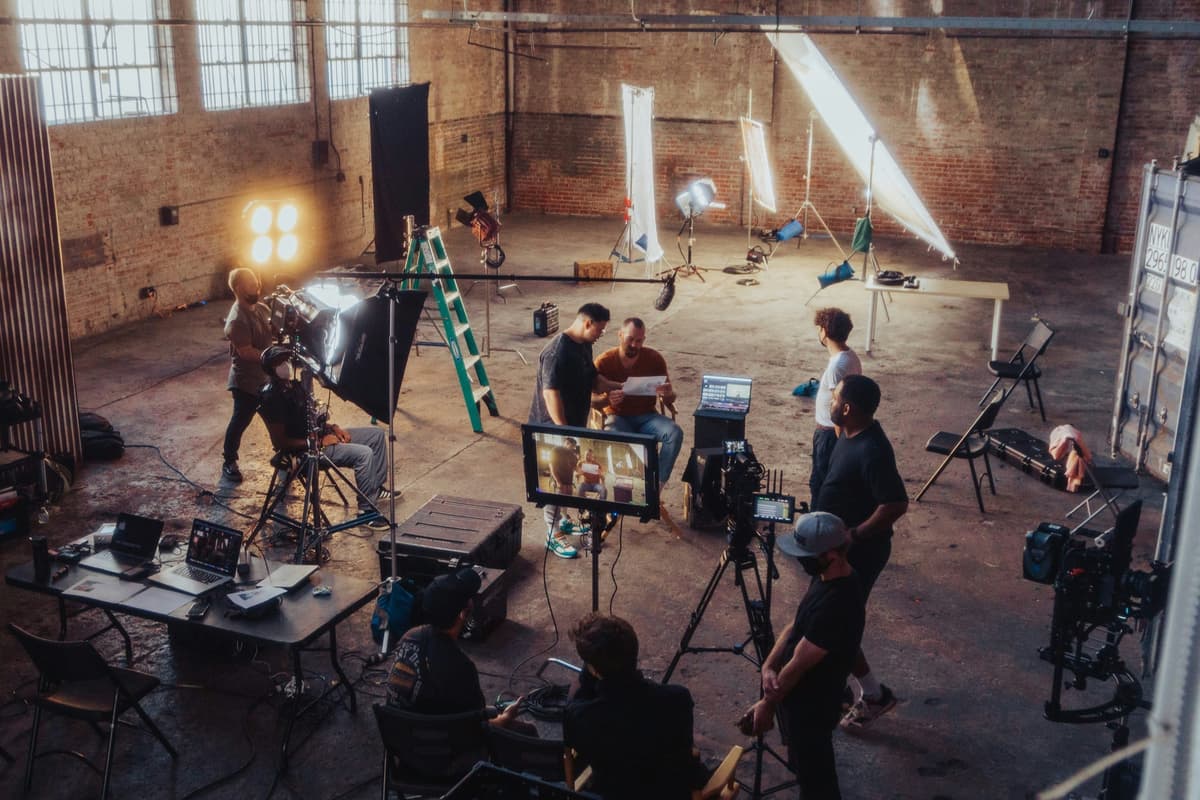
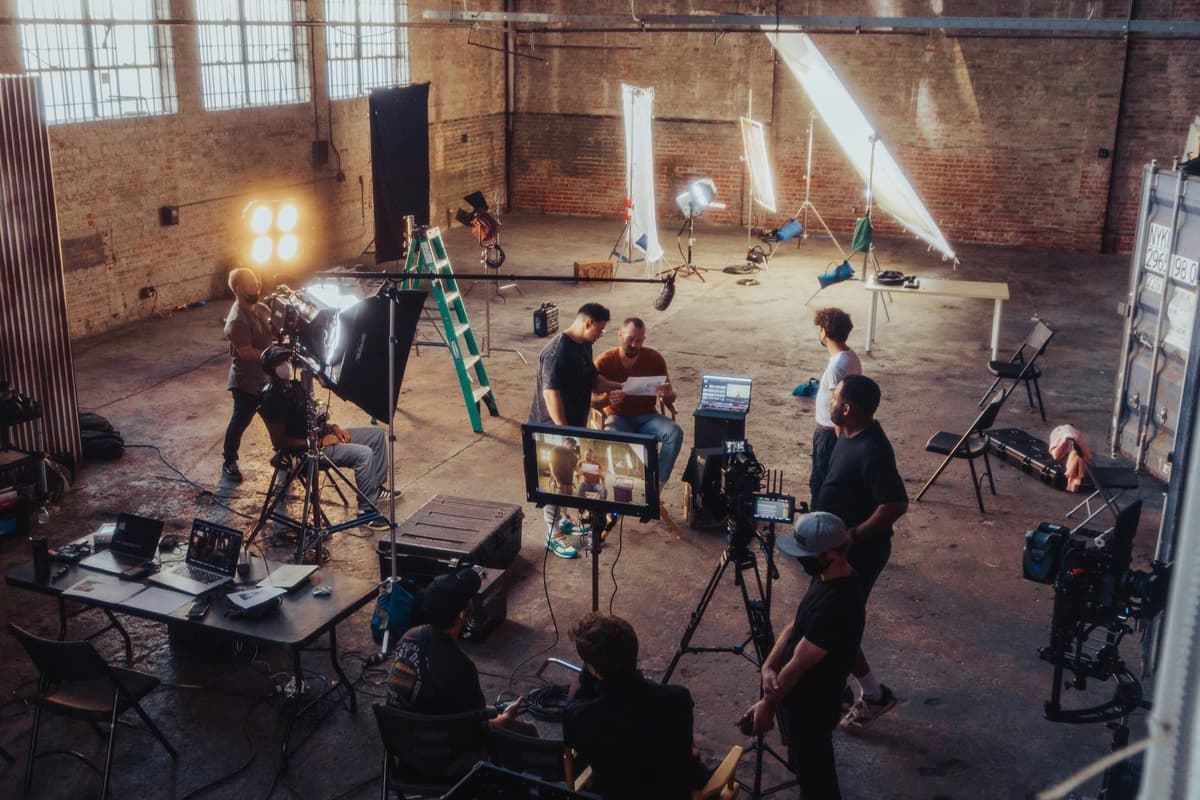
An Aerial Director is a crucial member of the film crew who is responsible for overseeing and directing all aerial shots in a movie or television production. They work closely with the cinematographer and the rest of the aerial team to ensure that the aerial footage meets the vision of the director and enhances the overall storytelling of the project. The Aerial Director is an expert in capturing breathtaking aerial scenes that add a unique perspective to the production.
Role & Responsibilities
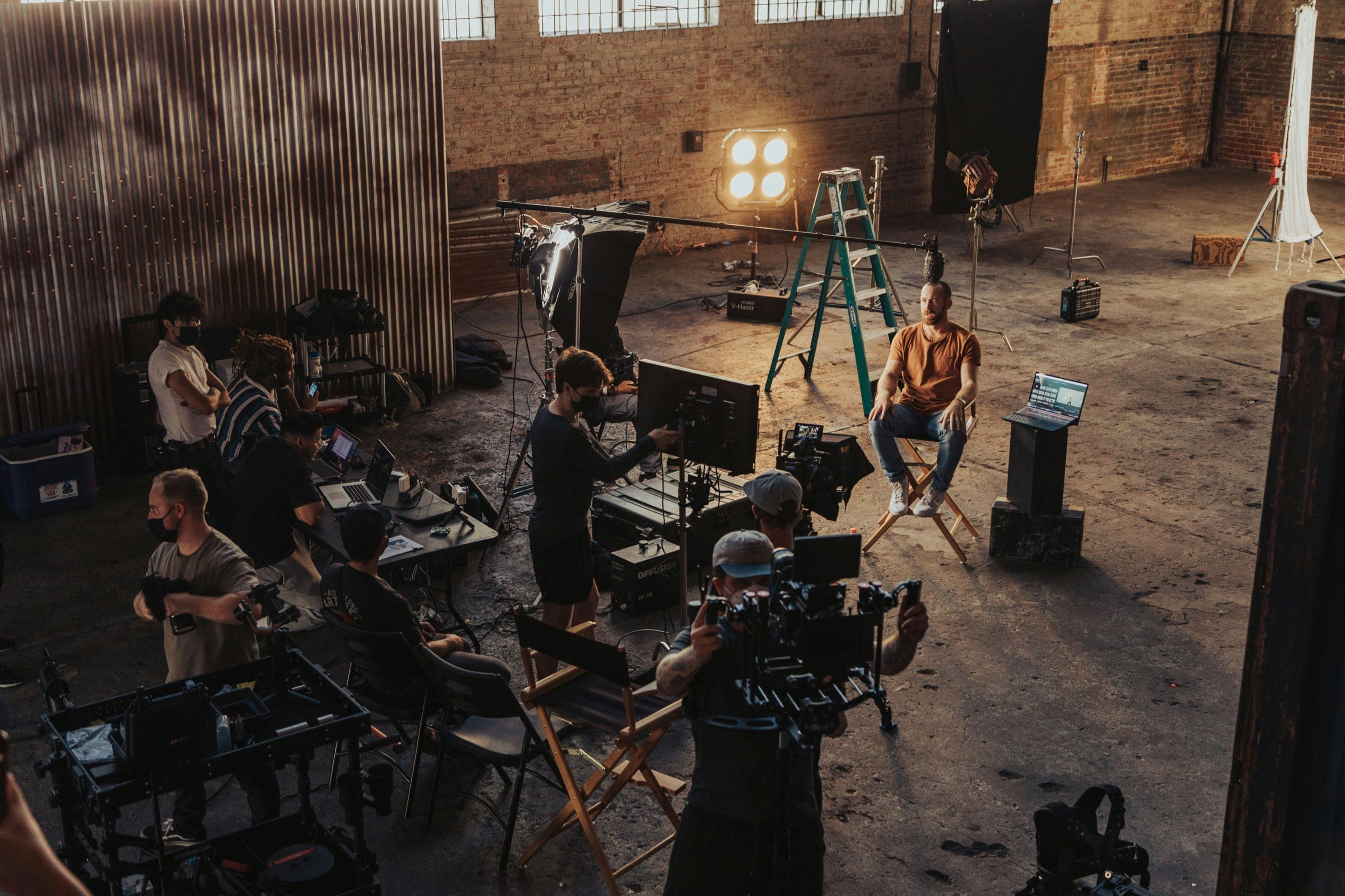
The role of an Aerial Director involves coordinating and directing all aspects of aerial shots, from planning and pre-production to execution and post-production. They collaborate with the director and cinematographer to understand the desired look and feel of the aerial footage and develop a plan to achieve it. During the shoot, the Aerial Director works closely with the pilot, camera operator, and other crew members to ensure the safety and smooth operation of the aerial equipment. They provide creative direction and guidance to capture the best possible shots, considering factors such as camera angles, lighting, and composition. In post-production, the Aerial Director may also be involved in reviewing and selecting the aerial footage to be used in the final edit.
Skills Required
A successful Aerial Director possesses a combination of technical expertise, creative vision, and strong communication skills. They must have a deep understanding of camera equipment, particularly aerial rigs, drones, and stabilizing systems. Knowledge of aviation regulations and safety protocols is essential to ensure the safety of the crew and equipment during aerial shoots. Additionally, creativity and a keen eye for composition and visual storytelling are vital to capture captivating aerial shots that enhance the narrative of the production. Effective communication and collaboration skills are key, as the Aerial Director needs to work closely with the director, cinematographer, and other crew members to bring their vision to life. Adaptability and problem-solving skills are also crucial, as shooting aerial footage often presents unique challenges that require quick thinking and resourcefulness.
Frequently Asked Questions
What does an Aerial Director do?
An Aerial Director oversees and directs all aerial shots in a film or television production. They work closely with the director and cinematographer from pre-production through post-production, coordinating everything from shot planning to equipment operation and footage review.
How does an Aerial Director work with the rest of the crew?
The Aerial Director collaborates directly with the director, cinematographer, pilot, and camera operator. They provide creative direction on angles, lighting, and composition while ensuring the safety of the crew and aerial equipment throughout the shoot.
What skills does an Aerial Director need?
A successful Aerial Director needs deep technical knowledge of aerial rigs, drones, and gyroscopic stabilizing systems, combined with a strong understanding of aviation safety regulations. Creative vision, an eye for composition, and clear communication skills are equally important for translating the director's vision into compelling aerial footage.
Do I need a pilot's license to become an Aerial Director?
A pilot's license is not typically required. The Aerial Director's role is creative and coordinative — a licensed pilot operates the aircraft, while the Aerial Director focuses on shot composition, camera direction, and overall aerial strategy. That said, a working knowledge of aviation protocols and safety requirements is essential.
What equipment does an Aerial Director typically work with?
Aerial Directors work with a range of equipment depending on the production, including camera drones, helicopter-mounted camera rigs, remote-head systems, and gyroscopic stabilizers. The choice of equipment is driven by the type of shot, location constraints, budget, and the level of camera control required.
Education
While there is no specific college degree required to become an Aerial Director, a background in film production or a related field can be advantageous. Many Aerial Directors have completed a bachelor's degree program in film, cinematography, or visual arts. These programs provide a solid foundation in storytelling, camera techniques, and overall filmmaking skills. However, practical experience and hands-on training in aerial photography and cinematography are equally important. Some Aerial Directors may also choose to pursue specialized courses or certifications in drone operation and aerial cinematography to enhance their skills in this specific area.
Last updated April 25, 2026
Budget this role in seconds with Saturation
Rate packs, fringes, and phases turn a crew list into an accurate production budget without the spreadsheet math.
Rate packs
Verified union rates, versioned.


Fringes and markupsRebuilt
Stack them, cap them, and see the split on every line.
PhasesRebuilt
Every column knows its type.
Auto-fill
Rates fill in as you type, from the source you turned on.