Zoolander Budget
 Comedy1h 29m
Updated
Synopsis
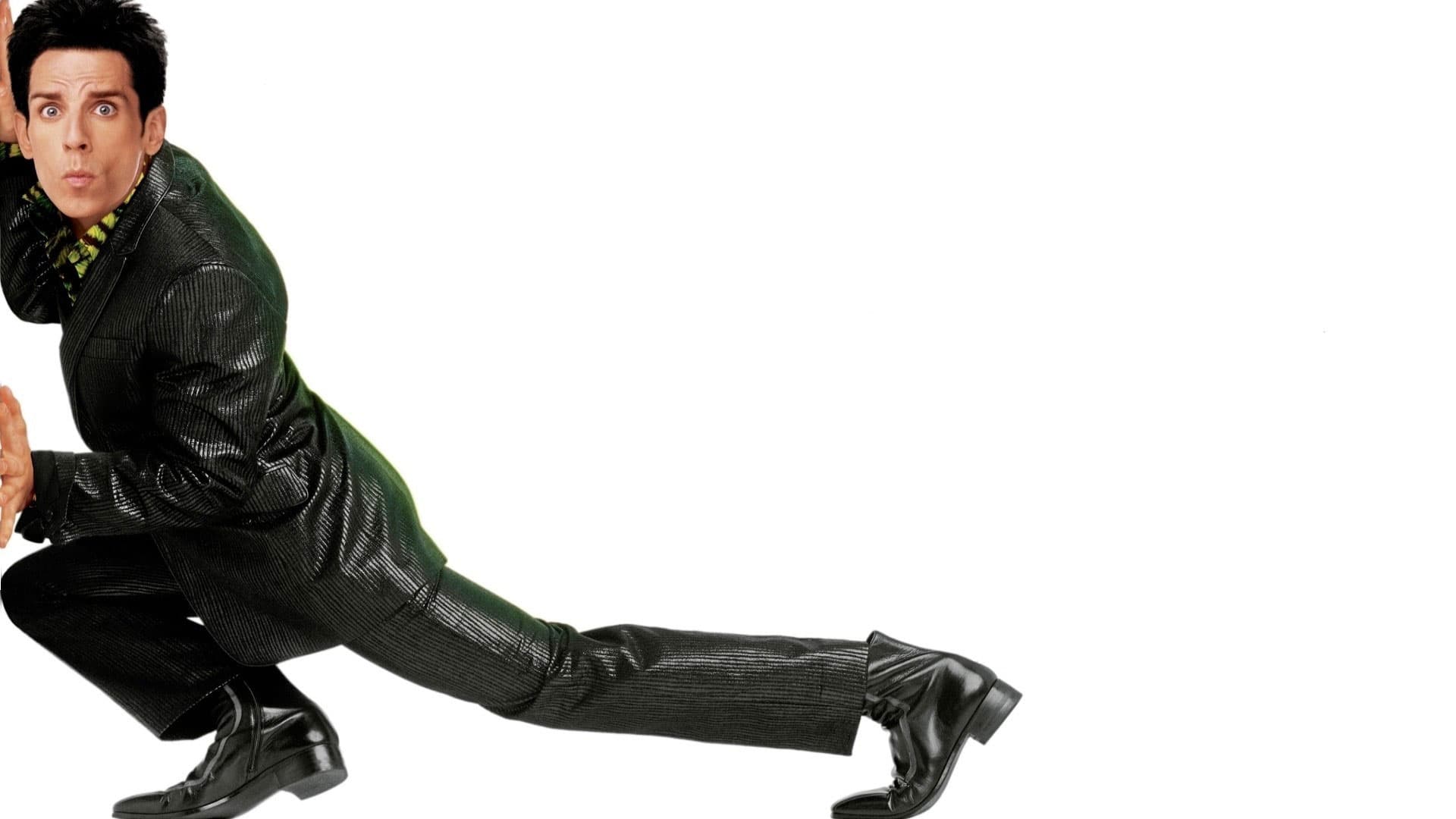
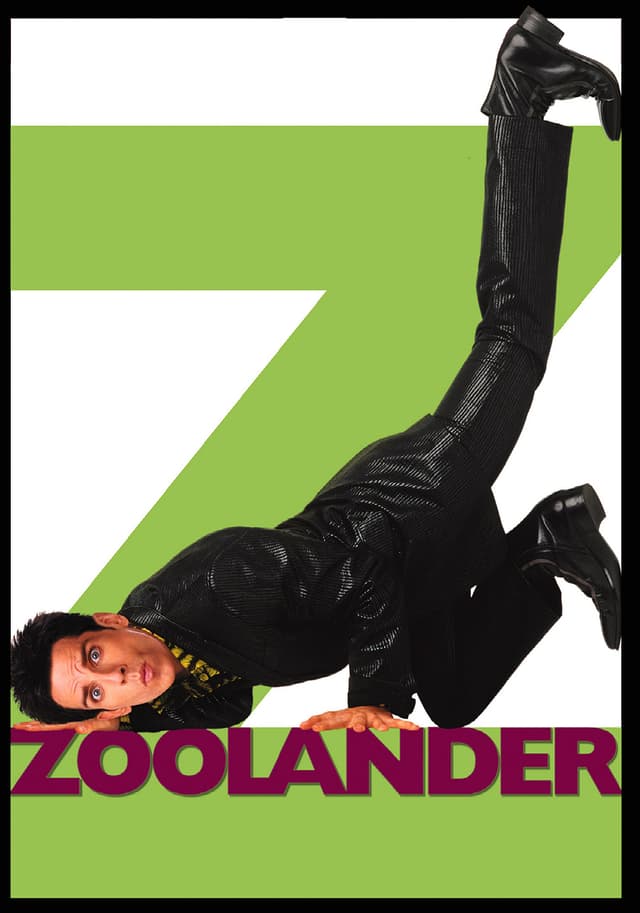
Clear the runway for Derek Zoolander, VH1's three-time male model of the year. His face falls when hippie-chic Hansel scooters in to steal this year's award. The evil fashion guru Mugatu seizes the opportunity to turn Derek into a killing machine. It's a well-designed conspiracy and only with the help of Hansel and a few well-chosen accessories like Matilda can Derek make the world safe for male models everywhere.
What Is the Budget of Zoolander?
Zoolander was produced on a budget of $28 million, a moderate figure for a studio comedy released by Paramount Pictures in 2001. The film was directed by and starred Ben Stiller, who had developed the Derek Zoolander character years earlier for a VH1 Fashion Awards sketch. Given the ensemble cast, extensive location work, and elaborate fashion-world set pieces, the budget reflected a mid-range studio bet on a concept that blended slapstick comedy with a satirical take on the modeling industry.
Key Budget Allocation Categories
- Above-the-Line Talent: Ben Stiller served triple duty as director, co-writer, and lead actor, consolidating key creative fees. Owen Wilson, Will Ferrell, Christine Taylor, and Jerry Stiller rounded out a cast with established comedic credentials, while Milla Jovovich and Jon Voight added dramatic weight.
- Celebrity Cameos and Appearances: A significant portion of the budget supported dozens of cameo appearances from cultural figures including David Bowie, Lenny Kravitz, Natalie Portman, Paris Hilton, Donald Trump, and Winona Ryder, along with real fashion designers and supermodels playing themselves.
- Production Design and Wardrobe: The film required elaborate runway sets, the iconic "Derelicte" fashion collection, and hundreds of outfits that simultaneously parodied and recreated high fashion. Sets like Mugatu's headquarters demanded detailed, stylized production design.
- Location Filming: Principal photography took place across multiple locations in New York City and Los Angeles, with additional shooting at real fashion industry venues to ground the satire in recognizable settings.
- Visual Effects and Gags: Physical comedy set pieces, including the gasoline fight sequence and the climactic "Magnum" look, required a combination of practical effects, stunt coordination, and selective digital enhancement.
- Post-Production and Music: The soundtrack featured licensed tracks integral to key scenes, including the Frankie Goes to Hollywood and Wham! sequences. The comedic editing style demanded extended post-production to refine timing across the ensemble.
How Does Zoolander's Budget Compare to Similar Films?
Zoolander sits in the mid-range for early 2000s studio comedies, comparable to films that blended ensemble casts with high-concept premises.
- Austin Powers: The Spy Who Shagged Me (1999): Budget $33M | Worldwide $312M. Another comedy built around a single comedic persona, Austin Powers demonstrated the ceiling for character-driven spoofs at roughly the same budget tier.
- Dodgeball: A True Underdog Story (2004): Budget $20M | Worldwide $168M. A slightly leaner comedy with Ben Stiller in a supporting villain role, Dodgeball achieved far greater box office returns on a smaller investment.
- Anchorman: The Legend of Ron Burgundy (2004): Budget $26M | Worldwide $90M. Will Ferrell's breakout comedy had a nearly identical budget to Zoolander and similarly became a cult phenomenon that outgrew its initial theatrical performance.
- Legally Blonde (2001): Budget $18M | Worldwide $141M. Released the same year, this comedy about an outsider navigating an elite institution earned far more theatrically on a lower budget, highlighting how Zoolander underperformed relative to comparable concepts.
- Blades of Glory (2007): Budget $61M | Worldwide $145M. Will Ferrell and Jon Heder in a sports comedy that cost more than double Zoolander's budget and earned more theatrically, though it never achieved the same lasting cultural footprint.
Zoolander Box Office Performance
Zoolander earned $45.2 million domestically and $60.8 million worldwide against its $28 million production budget. Factoring in marketing and distribution costs, the typical break-even threshold sits around two times the production budget, placing Zoolander's target at roughly $56 million. The worldwide gross of $60.8 million cleared that mark, but only narrowly.
The film's theatrical performance was significantly affected by its release timing. Zoolander opened on September 28, 2001, just two weeks after the September 11 attacks. Audiences were understandably reluctant to visit theaters, and a broad comedy satirizing an assassination plot landed awkwardly in the immediate aftermath of a national tragedy. Several scenes referencing the Malaysian Prime Minister assassination subplot had already been flagged during early screenings, and the film was ultimately banned in Malaysia entirely.
Using the standard ROI formula: ($60.8M worldwide gross minus $28M budget) divided by $28M budget times 100 yields an ROI of approximately 117%. While technically profitable at the theatrical level, the slim margin meant Zoolander's real financial success came through home video. The DVD release became a phenomenon, transforming the film from a modest theatrical performer into one of the most-quoted comedies of the decade.
Box Office Breakdown
Zoolander

Zoolander Production History
The character of Derek Zoolander originated in a pair of short films Ben Stiller produced for the 1996 and 1997 VH1 Fashion Awards. In these segments, Stiller played a dim-witted male model navigating backstage at fashion events, interacting with real models and designers. The character's popularity led Paramount to greenlight a feature-length version, with Stiller co-writing the screenplay alongside Drake Sather and John Hamburg.
Stiller assembled the cast by drawing from his personal and professional circles. Owen Wilson signed on as the rival model Hansel after collaborating with Stiller on previous projects. Will Ferrell, then a rising star from Saturday Night Live, took on the villainous fashion mogul Mugatu. Christine Taylor, Stiller's real-life wife, played the investigative journalist Matilda. Jerry Stiller, Ben's father, appeared as Derek's agent Maury Ballstein.
One of the production's distinguishing features was its integration of real fashion-world personalities. Dozens of celebrities and fashion figures appeared as themselves, blurring the line between satire and reality. David Bowie served as a walk-off judge, while designers like Tommy Hilfiger, Donatella Versace, and Marc Jacobs appeared throughout. This approach required careful scheduling and diplomatic coordination with talent who were being asked to participate in their own industry's parody.
Principal photography took place primarily in New York City and Los Angeles during late 2000 and early 2001. The production built elaborate sets for Mugatu's lair and the climactic fashion show while also shooting on location at recognizable Manhattan landmarks. The gasoline fight scene, which became one of the film's most iconic moments, was filmed at a working gas station with extensive safety precautions.
Post-production included significant editing to balance the film's absurdist humor with its spy-thriller plot. After the September 11 attacks, the filmmakers removed a scene showing a plane flying between the Twin Towers of the World Trade Center, along with other shots that would have been insensitive given the national mood.
Awards and Recognition
Zoolander received limited recognition during its initial release, with most industry attention focused on the film's commercial performance rather than its artistic merits. The film earned a nomination at the 2002 Teen Choice Awards for Choice Comedy Movie. Will Ferrell's performance as Mugatu attracted particular praise from comedy critics, though it did not translate into formal award nominations at the time.
The film's true recognition came retroactively as its cultural influence grew. Phrases like "Blue Steel," "Magnum," and "really, really ridiculously good looking" entered everyday vocabulary. The "Derelicte" fashion line, Mugatu's parody of high fashion built from trash, became a reference point in discussions about the fashion industry's excesses. The film is regularly cited on lists of the best comedies of the 2000s and has been referenced in academic studies of satire and popular culture.
In 2016, Ben Stiller and Owen Wilson reprised their roles for a promotional appearance at Paris Fashion Week to announce Zoolander 2. The stunt underscored how deeply the original film had embedded itself in fashion culture, though the sequel, produced on a $50 million budget, earned $56 million worldwide and was widely regarded as a critical and commercial disappointment.
Critical Reception
Zoolander holds a 64% approval rating on Rotten Tomatoes, reflecting a mixed critical response that leaned cautiously positive. Critics who embraced the film praised its committed absurdity and the performances of Stiller and Ferrell. Roger Ebert gave the film two stars, acknowledging the concept's potential while finding the execution uneven. Other reviewers noted that the film's humor was hit-or-miss but conceded that its best moments were genuinely inventive.
The most common criticism centered on the film's thin plot, which stretched a one-joke premise across a full feature runtime. Skeptical reviewers felt the character's appeal, which worked brilliantly in short VH1 segments, lost momentum over 89 minutes. Defenders countered that the film's willingness to commit fully to its absurd premise was precisely what made it work, pointing to scenes like the gasoline fight, the eugoogly speech, and the "center for kids who can't read good" as evidence of comedy that rewarded repeat viewings.
The passage of time has been overwhelmingly kind to Zoolander. The film's reputation has grown substantially since its theatrical release, driven by its massive DVD success and the enduring quotability of its dialogue. What critics initially dismissed as lightweight silliness is now frequently reassessed as a sharp satire of celebrity culture, fashion industry vanity, and media manipulation. For many viewers, Zoolander represents the peak of early 2000s comedy filmmaking, a film whose cultural impact far exceeds what its modest box office numbers would suggest.
Frequently Asked Questions
How much did it cost to make Zoolander (2001)?
The production budget was $28,000,000, covering principal photography, cast and crew salaries, locations, sets, post-production, and music. Marketing and distribution (P&A) costs are estimated at an additional $14,000,000 - $22,400,000, bringing the total studio investment to approximately $42,000,000 - $50,400,000.
How much did Zoolander (2001) earn at the box office?
Zoolander grossed $45,172,250 domestic, $15,608,731 international, totaling $60,780,981 worldwide.
Was Zoolander (2001) profitable?
The film did not break even theatrically, earning $60,780,981 against an estimated $70,000,000 needed. Ancillary revenue may have improved the picture.
What were the biggest costs in producing Zoolander?
The primary cost drivers were above-the-line talent (Ben Stiller, Owen Wilson, Christine Taylor); star comedian salaries, location filming, and aggressive marketing campaigns.
How does Zoolander's budget compare to similar comedy films?
At $28,000,000, Zoolander is classified as a low-budget production. The median budget for wide-release comedy films in the 2000s ranges from $30 - 80M for mid-budget to $150M+ for tentpoles. Comparable budgets: Agent Cody Banks (2003, $28,000,000); Beverly Hills Cop II (1987, $28,000,000); Shark Night 3D (2011, $28,000,000).
Did Zoolander (2001) go over budget?
There are no widely reported accounts of significant budget overruns for this production. However, studios rarely disclose precise budget overrun figures publicly. The reported production budget reflects the final estimated cost.
What was the return on investment (ROI) for Zoolander?
The theatrical ROI was 117.1%, calculated as ($60,780,981 − $28,000,000) ÷ $28,000,000 × 100. This measures gross revenue against production budget only - it does not account for P&A or exhibitor shares.
What awards did Zoolander (2001) win?
1 win & 11 nominations total.
Who directed Zoolander and who were the key crew members?
Directed by Ben Stiller, written by Drake Sather, Ben Stiller, John Hamburg, shot by Barry Peterson, with music by David Arnold, edited by Greg Hayden.
Where was Zoolander filmed?
Zoolander was filmed in United States of America.
Filmmakers
Zoolander

Official Trailer
Build budgets like this one in Saturation
Start from an industry-standard feature film template, import the schedule and rates you already have, and let the cost report keep itself current as you spend. Real-time collaboration, no spreadsheets.