You Should Have Left Budget
 HorrorThriller1h 33m
Updated
Synopsis
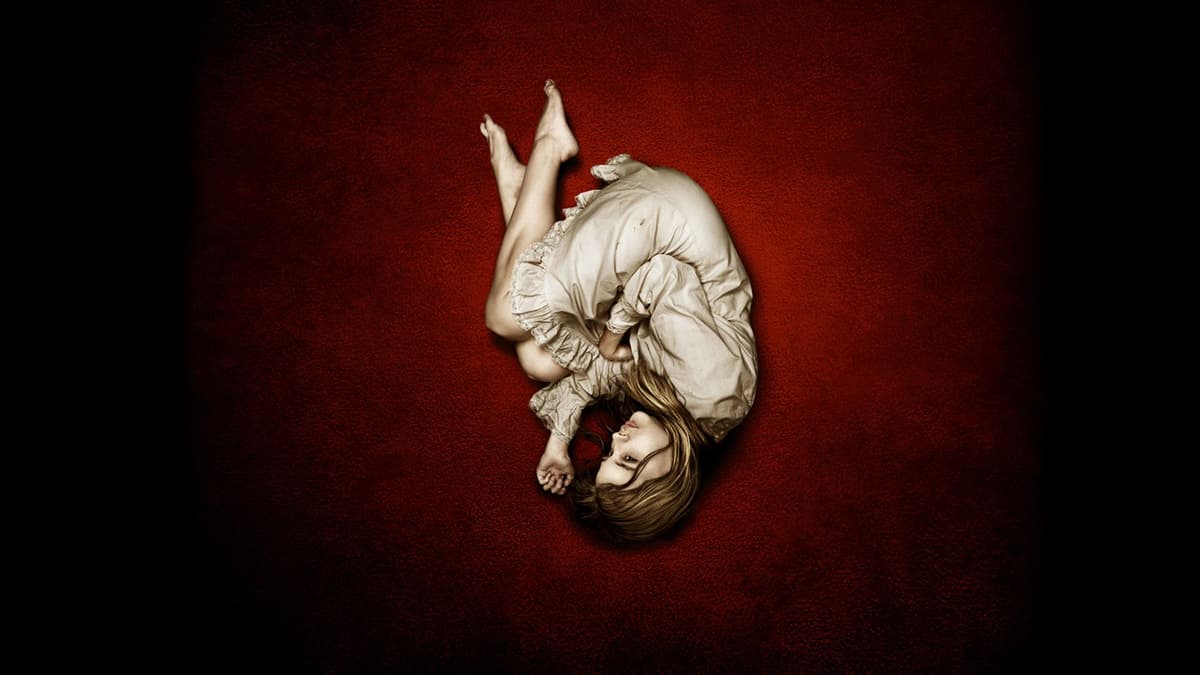
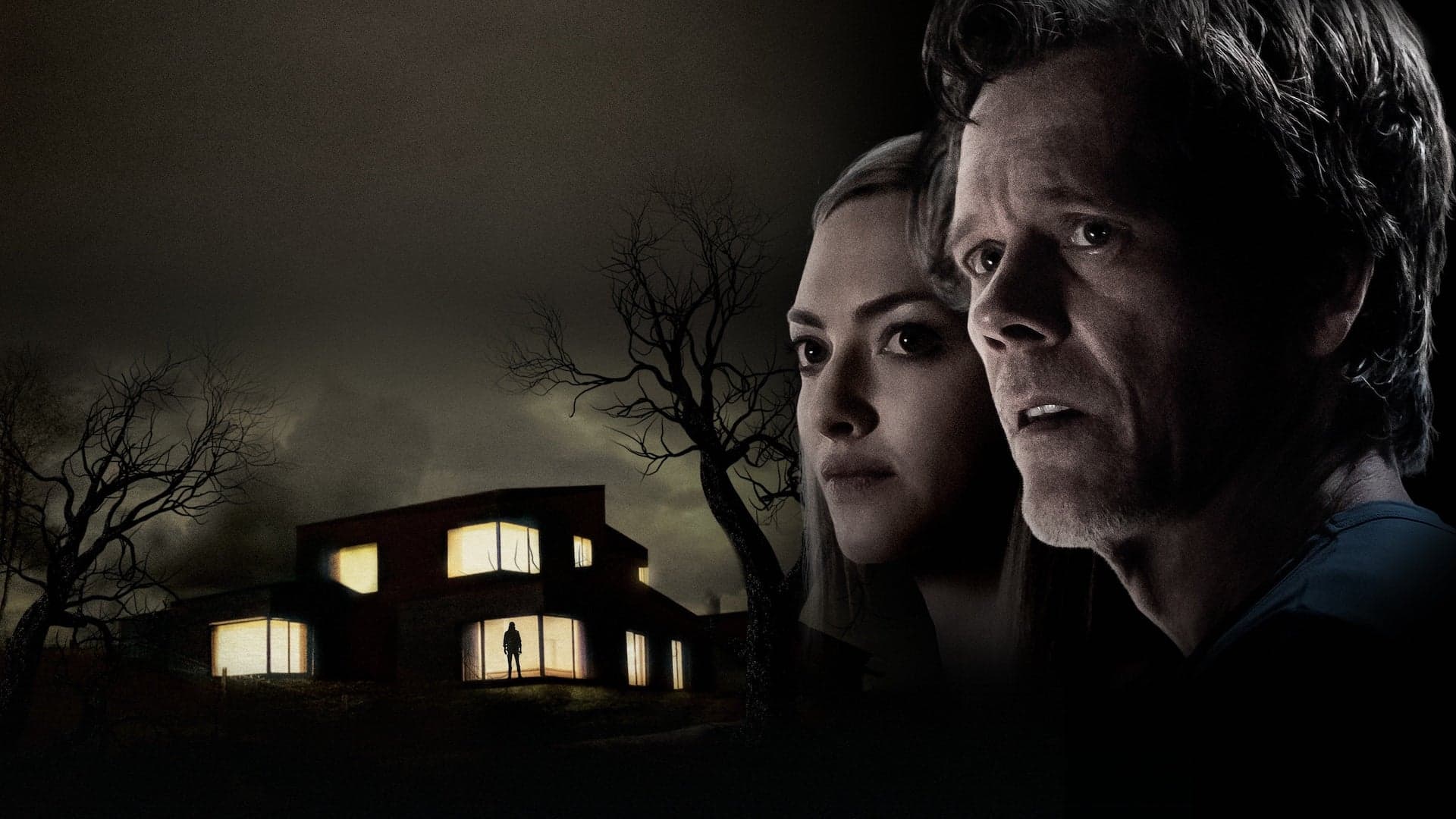
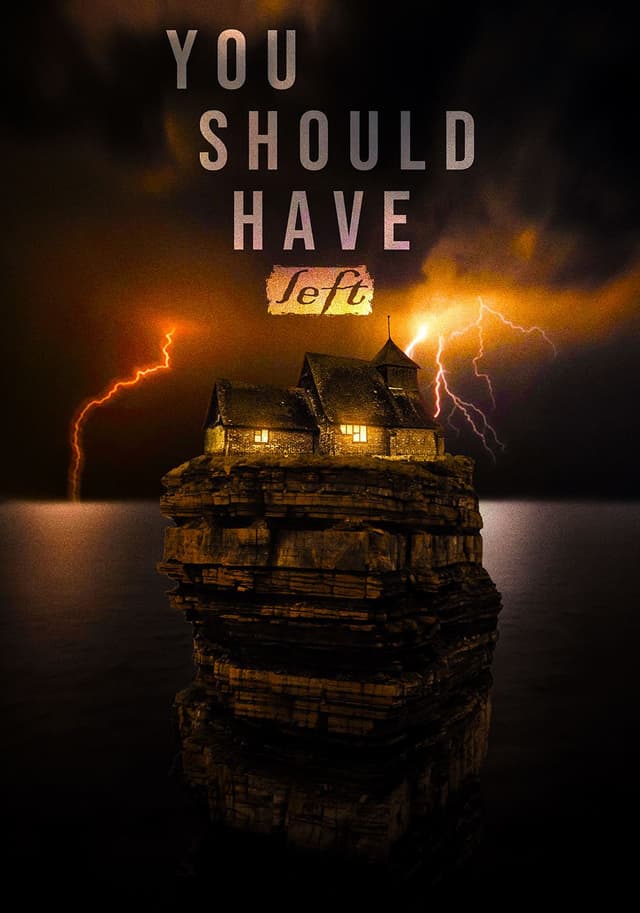
Theo Conroy, a wealthy retired banker, travels to a remote chalet in the Welsh countryside with his much-younger second wife and their young daughter for a family getaway. As the family settles into the architecturally-impossible house, the geometry of the interior begins shifting in subtle and then alarming ways, and Theo discovers that the house knows his secrets and may not let him leave.
What Is the Budget of You Should Have Left (2020)?
You Should Have Left (2020), directed by David Koepp and released by Universal Pictures on June 19, 2020, was produced on a budget of approximately $5,000,000 to $7,000,000. The figure reflects the contained Welsh countryside chalet setting, the four-handed ensemble built around Kevin Bacon and Amanda Seyfried, the Blumhouse Productions micro-budget elevated-horror model, and the pandemic-era release pivot from theatrical to premium video-on-demand that responded to the COVID-19 exhibition shutdown.
The film was produced by Blumhouse Productions for Universal Pictures as a contained Blumhouse genre feature. David Koepp wrote the screenplay adapting Daniel Kehlmann's 2017 novella of the same title and directed. The film was originally scheduled for a March 2020 theatrical release but was delayed by the COVID-19 pandemic and ultimately released by Universal directly to premium video-on-demand on June 19, 2020 as the studio's pandemic-era specialty-release strategy.
Key Budget Allocation Categories
The estimated $5,000,000 to $7,000,000 budget covered a contained Welsh-countryside haunting feature:
- Above-the-Line Talent: Kevin Bacon led at his established Blumhouse-and-elevated-horror-feature lead rate. Amanda Seyfried played his wife Susanna, with Avery Tiiu Essex playing their daughter Ella. Colin Blumenau filled out the supporting role of the Welsh shopkeeper. David Koepp took a writer-director rate after his Mortdecai and Stir of Echoes filmography. Blumhouse house-deal economics supported the cost containment.
- Wales and Pinewood Studios: Principal photography took place across Wales (Powys, the Brecon Beacons, and surrounding countryside) and Pinewood Studios in 2019, utilizing the United Kingdom Film Tax Relief and the contained chalet-and-village-shop setting list that the screenplay required. The Welsh-countryside location footprint and Pinewood stage shooting supported the contained schedule.
- Production Design: Production design built the geometrically-impossible chalet interior, the rural Welsh village shop, and the surrounding-countryside settings that the screenplay's non-Euclidean haunting premise required. The chalet interior with its impossibly-shifting geometry was the production-design centerpiece and required careful integration of practical set construction and digital visual-effects support.
- Visual Effects: Digital visual effects supported the non-Euclidean-geometry shifting hallway sequences, the supernatural manifestation set pieces, and environmental enhancements integrating the practical Welsh-countryside exterior with the haunted chalet interior. The VFX line item was modest relative to studio horror-feature scale, consistent with the Blumhouse micro-budget model.
- Score and Sound Design: Composer Geoff Zanelli delivered the original score, supporting the contained-haunting register with low-frequency rumble and orchestral-electronic texture across the shifting-geometry centerpiece sequences. Sound design supported the supernatural-manifestation sequences as a significant audio-craft line item.
- Universal Pandemic-Era Release: The film was originally scheduled for a March 2020 theatrical release. Universal's pandemic-era release pivot moved the film to premium video-on-demand on June 19, 2020 alongside Trolls World Tour, The Hunt, Emma, and other Universal theatrical-to-PVOD pandemic-era releases. Marketing carrying costs and the PVOD distribution shift were notable line items.
How Does You Should Have Left's Budget Compare to Similar Films?
You Should Have Left sits in the contained Blumhouse elevated-horror landscape alongside comparable contemporary haunting and contained-setting genre titles:
- The Invisible Man (2020): Budget approximately $7,000,000 | Worldwide $144,500,000. Leigh Whannell's Blumhouse-Universal release at comparable budget offers the closest Blumhouse genre-feature peer with significantly stronger commercial outcome.
- Get Out (2017): Budget approximately $4,500,000 | Worldwide $255,500,000. Jordan Peele's Blumhouse-Universal Academy Award-winning release at comparable budget offers the Blumhouse micro-budget elevated-horror commercial gold standard.
- The Lodge (2019): Budget approximately $5,000,000 | Worldwide $1,400,000 limited theatrical. Severin Fiala and Veronika Franz's NEON release at identical budget offers the closest contained-cabin elevated-horror peer.
- Vivarium (2019): Budget approximately $4,000,000 | Worldwide $1,300,000. Lorcan Finnegan's Saban Films release at roughly four fifths the You Should Have Left budget offers the closest non-Euclidean-geometry horror premise comp.
You Should Have Left Box Office Performance
You Should Have Left released as a Universal premium video-on-demand title on June 19, 2020 with no theatrical run, replacing the originally-scheduled March 2020 theatrical release that was delayed by the COVID-19 pandemic. Universal does not publicly report PVOD rental and purchase figures, but Variety and The Hollywood Reporter reported that the film performed modestly in the PVOD window relative to the higher-profile Universal pandemic-era PVOD releases including Trolls World Tour and The Hunt.
Against an estimated $5,000,000 to $7,000,000 production budget, the financial breakdown reflects the PVOD-pivot release model:
Box Office Breakdown
You Should Have Left

The Blumhouse micro-budget production model combined with the PVOD-pivot 80/20 distribution split allowed the film to recoup more efficiently than the standard theatrical-exhibition split would have supported. The film's commercial outcome is best understood as a Universal pandemic-era specialty-release product that demonstrated the studio's nimble PVOD-pivot capability during the COVID-19 exhibition shutdown.
You Should Have Left Production History
Development began at Blumhouse Productions in 2018 with David Koepp optioning Daniel Kehlmann's 2017 novella of the same title, a contained-haunting psychological-horror chamber piece set at a remote rental chalet that turns out to be a non-Euclidean-geometry haunting trap. Koepp adapted the novella and directed his screenplay, supported by Blumhouse house-deal economics. Principal photography took place across Wales (Powys, the Brecon Beacons, and surrounding countryside) and Pinewood Studios in 2019, utilizing the United Kingdom Film Tax Relief.
The cast was assembled around Kevin Bacon as Theo Conroy, with Amanda Seyfried as his wife Susanna and Avery Tiiu Essex as their daughter Ella. Colin Blumenau played the Welsh shopkeeper and Eli Powers and Lowri-Ann Richards filled out the supporting roles. Geoff Zanelli composed the score. The geometrically-impossible chalet interior with its non-Euclidean shifting hallways was the production-design centerpiece, requiring careful integration of practical set construction and digital visual effects.
The film was originally scheduled for a March 2020 theatrical release. The COVID-19 pandemic forced a release-strategy pivot, and Universal Pictures released the film directly to premium video-on-demand on June 19, 2020 alongside Trolls World Tour, The Hunt, Emma, and the broader Universal pandemic-era PVOD slate. The pivot demonstrated Universal's aggressive pandemic-era specialty-release capability and contributed to the broader industry conversation about PVOD-window experimentation that shaped subsequent studio release strategies.
Awards and Recognition
You Should Have Left received no major awards recognition. The contained-haunting Blumhouse-genre register and the pandemic-era PVOD-pivot release positioning typically limit traction at major industry ceremonies including the Saturn Awards, the Fangoria Chainsaw Awards, and the Independent Spirit Awards, and You Should Have Left followed the conventional pattern for a Universal pandemic-era PVOD release.
Critical Reception
You Should Have Left received broadly mixed-to-negative reviews. The film holds a 38% approval rating on Rotten Tomatoes based on more than 90 critic reviews, with a critical consensus that praised Kevin Bacon and Amanda Seyfried's committed performances and David Koepp's control of the contained-haunting register while objecting to the screenplay's underdeveloped psychological-horror premise and a third-act resolution several reviewers argued underused the non-Euclidean-geometry setup. On Metacritic the film scored 46 out of 100, indicating mixed or average reviews.
Critics broadly praised the visual register and the contained-cast performances while objecting to the screenplay's structural choices. The Hollywood Reporter's Sheri Linden wrote that the film "works best as a contained-marriage chamber piece and least well as a horror film," while Variety's Owen Gleiberman called it "an elegantly-mounted exercise that doesn't quite earn its haunted-chalet centerpiece." Common reservations cited the screenplay's avoidance of the more disturbing psychological-horror implications of Daniel Kehlmann's source novella, with several reviewers arguing that the adaptation softened the source's more unsettling concluding revelations. The mixed reception positioned You Should Have Left as a competently-crafted but uneven Blumhouse-Universal contained-haunting title that demonstrated David Koepp's craft register without reaching the cultural-conversation footprint of the contemporary Blumhouse releases Get Out, Us, or The Invisible Man.
Frequently Asked Questions
How much did it cost to make You Should Have Left (2020)?
The production budget is estimated at approximately $5,000,000 to $7,000,000. The figure reflects the contained Welsh countryside chalet setting, the four-handed ensemble built around Kevin Bacon and Amanda Seyfried, and the Blumhouse Productions micro-budget elevated-horror model.
Is You Should Have Left based on a book?
Yes. The film adapts German-Austrian author Daniel Kehlmann's 2017 novella of the same title (Du hättest gehen sollen in German), a contained-haunting psychological-horror chamber piece set at a remote rental chalet that turns out to be a non-Euclidean-geometry haunting trap.
Who directed You Should Have Left?
David Koepp directed the film and adapted the screenplay from Daniel Kehlmann's novella. Koepp had previously written Jurassic Park, Mission: Impossible, Spider-Man, Panic Room, and War of the Worlds, and directed Stir of Echoes and Mortdecai.
Who stars in You Should Have Left?
Kevin Bacon stars as Theo Conroy, with Amanda Seyfried as his wife Susanna and Avery Tiiu Essex as their daughter Ella. The supporting cast includes Colin Blumenau as the Welsh shopkeeper.
Where was You Should Have Left filmed?
Principal photography took place across Wales (Powys, the Brecon Beacons, and surrounding countryside) and Pinewood Studios in 2019. The production utilized the United Kingdom Film Tax Relief.
When did You Should Have Left release?
The film was originally scheduled for a March 2020 theatrical release but was delayed by the COVID-19 pandemic. Universal Pictures released the film directly to premium video-on-demand on June 19, 2020 alongside Trolls World Tour, The Hunt, Emma, and the broader Universal pandemic-era PVOD slate.
Is You Should Have Left a Blumhouse film?
Yes. Jason Blum produced through Blumhouse Productions, with Kevin Bacon also producing. The film is part of the Blumhouse-Universal first-look-deal pipeline that has produced Get Out, The Invisible Man, M3GAN, and the broader Blumhouse-Universal release slate.
How did the COVID-19 pandemic affect You Should Have Left?
The film was originally scheduled for a March 2020 theatrical release but was delayed by the pandemic. Universal's pandemic-era release pivot moved the film to premium video-on-demand on June 19, 2020 as part of the studio's aggressive PVOD-window experimentation during the COVID-19 exhibition shutdown.
What did critics think of You Should Have Left?
Reviews were broadly mixed-to-negative. The film holds a 38% Rotten Tomatoes approval rating across more than 90 critic reviews and a Metacritic score of 46 out of 100. Critics praised Kevin Bacon and Amanda Seyfried's committed performances and David Koepp's control of the contained-haunting register while objecting to the screenplay's underdeveloped psychological-horror premise.
Did You Should Have Left win any awards?
No. The film received no major awards recognition. The contained-haunting Blumhouse-genre register and the pandemic-era PVOD-pivot release positioning typically limit traction at major industry ceremonies including the Saturn Awards, the Fangoria Chainsaw Awards, and the Independent Spirit Awards.
Filmmakers
You Should Have Left

Official Trailer
Build budgets like this one in Saturation
Start from an industry-standard feature film template, import the schedule and rates you already have, and let the cost report keep itself current as you spend. Real-time collaboration, no spreadsheets.