Wrong Turn Budget
 HorrorThriller1h 24m
Updated
Synopsis
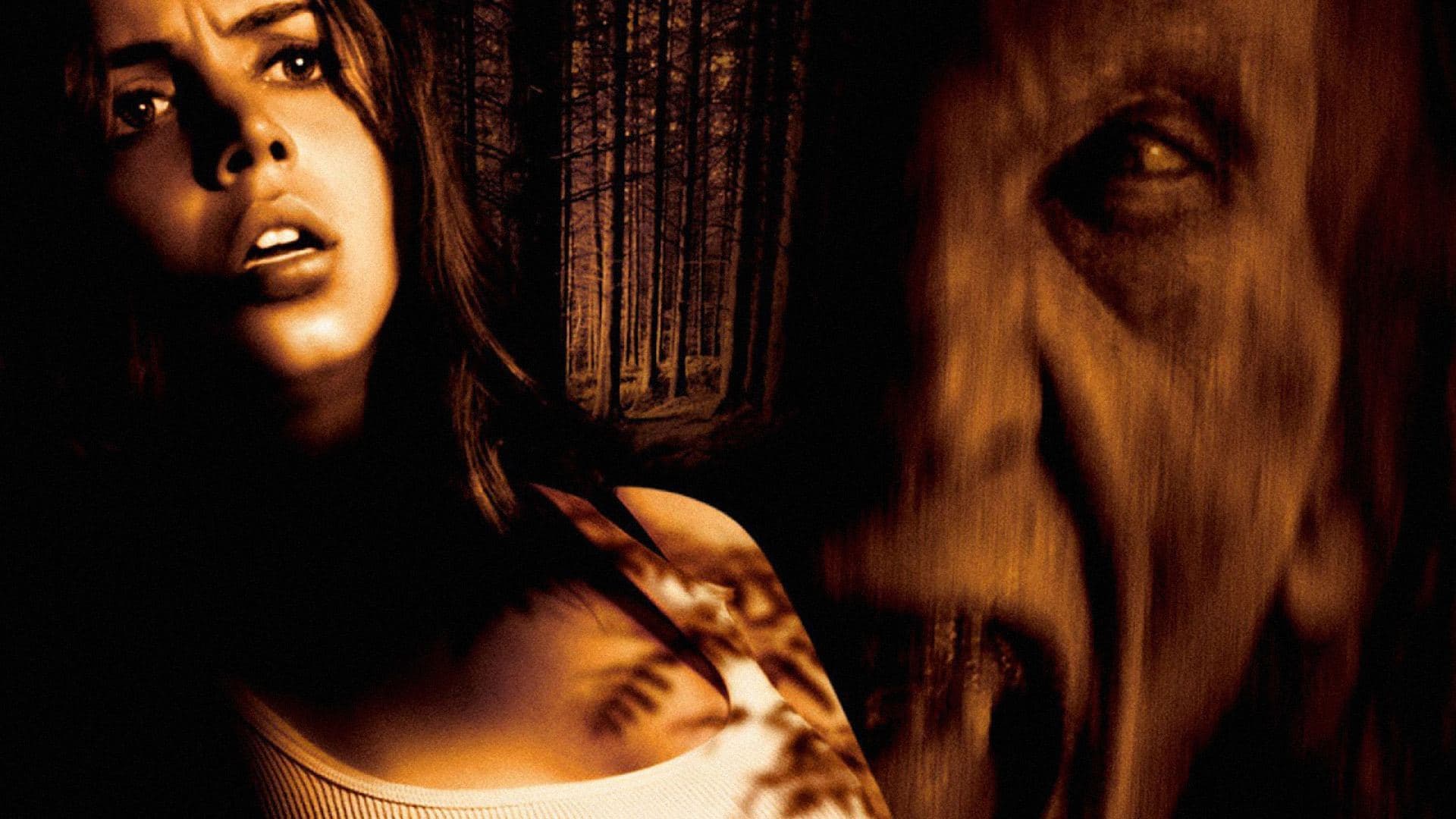
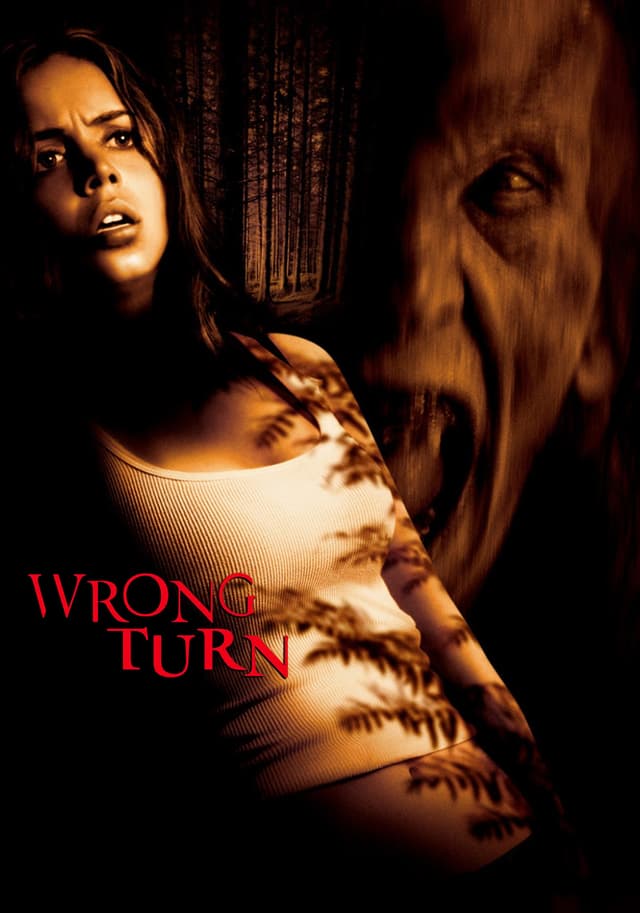
Chris crashes into a carload of other young people, and the group of stranded motorists is soon lost in the woods of West Virginia, where they're hunted by three cannibalistic mountain men who are grossly disfigured by generations of inbreeding.
What Is the Budget of Wrong Turn?
Wrong Turn (2003) was produced on an estimated budget of $12.6 million. For a mid-budget horror film released through 20th Century Fox, this placed it in the upper range of slasher and survival horror productions of the early 2000s. The film was a co-production between Summit Entertainment and Constantin Film, with Fox handling theatrical distribution in North America.
The budget reflected the production's practical effects ambitions and remote location shooting requirements. Director Rob Schmidt and the producers committed to physical creature work over CGI, which demanded a significant allocation toward prosthetics and makeup effects. The Ontario, Canada wilderness locations (standing in for West Virginia) also required logistical spending on remote set construction and crew transport.
Key Budget Allocation Categories
- Practical Effects and Prosthetics accounted for a major portion of the budget. Stan Winston Studio, one of Hollywood's most respected creature shops, was hired to design and fabricate the mutant mountain men. Each performer required hours of prosthetic application per shooting day, with multiple sets of appliances needed throughout production.
- Location and Set Construction costs were substantial due to filming in the forests of Ontario, Canada. The production built the cannibals' cabin and various woodland sets on location, requiring materials to be transported into remote areas. Road and bridge sets also needed construction for key chase sequences.
- Cast Salaries remained moderate, as the ensemble of Desmond Harrington, Eliza Dushku, Emmanuelle Chriqui, Jeremy Sisto, Kevin Zegers, and Lindy Booth were rising talents rather than established marquee names. Dushku carried the most recognition from her role in Buffy the Vampire Slayer, but overall casting costs stayed within genre norms.
- Stunt Coordination and Action Sequences required experienced coordinators for the film's extensive chase scenes, tree-canopy sequences, and physical confrontations. Several set pieces involved wire work, controlled falls, and fire effects that demanded safety crews and specialized equipment.
- Post-Production and Sound Design covered editing, color grading, and the atmospheric sound mix that emphasized the isolation of the West Virginia setting. The score and foley work played a critical role in building tension, requiring dedicated studio time.
- Insurance and Completion Bond costs ran higher than typical studio productions because of the remote shooting locations and the volume of practical stunt work. Productions with extensive physical effects and wilderness settings carry elevated risk premiums.
How Does Wrong Turn's Budget Compare to Similar Films?
Wrong Turn's $12.6 million budget positioned it as a mid-tier horror production during the early 2000s slasher revival. Here is how it compares to similar backwoods and survival horror films of the era:
- Jeepers Creepers (2001) had a budget of $10 million and grossed $59.2 million worldwide. Victor Salva's creature feature achieved stronger returns on a slightly lower budget, demonstrating the ceiling for original horror IP in this period.
- The Texas Chainsaw Massacre (2003) was produced for $9.5 million and earned $107.1 million globally. Released the same year as Wrong Turn, this remake benefited from brand recognition and a wider marketing push, achieving nearly four times the return.
- Cabin Fever (2002) cost just $1.5 million and grossed $30.5 million worldwide. Eli Roth's debut showed that backwoods horror could deliver outsized returns on micro-budgets, though with far less production polish.
- House of 1000 Corpses (2003) was made for approximately $7 million and earned $16.8 million worldwide. Rob Zombie's directorial debut operated in a similar budget range but leaned more heavily on stylized violence than practical creature work.
- The Hills Have Eyes (2006) had a budget of $15 million and grossed $69.6 million globally. Alexandre Aja's remake of the Wes Craven classic spent slightly more than Wrong Turn and achieved significantly stronger box office results through the strength of the established franchise name.
Wrong Turn Box Office Performance
Wrong Turn opened on May 30, 2003 and earned $15,422,926 domestically and $28,649,159 worldwide. Against its $12.6 million production budget, the film needed approximately $25 million in combined theatrical revenue to break even when accounting for prints and advertising costs.
The worldwide gross of $28.6 million placed the film just above its estimated break-even threshold, making it a modest theatrical performer. Using the standard ROI formula: ($28.6M - $12.6M) / $12.6M x 100 = approximately 127% return on the production budget alone. However, when factoring in marketing and distribution costs (typically matching or exceeding the production budget for wide releases), the theatrical run was closer to break-even.
The film's real commercial story played out on home video. Wrong Turn became a strong DVD performer, generating enough revenue to justify a franchise that eventually spanned six direct-to-video sequels between 2007 and 2014, plus a 2021 theatrical reboot. The original film's home video success transformed a marginal theatrical performer into one of the most prolific horror franchises of the 2000s.
Box Office Breakdown
Wrong Turn

Wrong Turn Production History
Screenwriter Alan B. McElroy developed the Wrong Turn script drawing on the legends of inbred mountain clans in Appalachian folklore. The concept merged backwoods survival horror with the cannibal family subgenre popularized by The Texas Chain Saw Massacre (1974) and The Hills Have Eyes (1977), updating it for a post-Scream audience that expected faster pacing and more polished production values.
Rob Schmidt was hired to direct after his work on the independent thriller Crime and Punishment in Suburbia (2000). Schmidt brought a grounded, naturalistic approach to the material, favoring tension and atmosphere over the self-aware humor that dominated horror in the late 1990s. The production made an early decision to shoot in Ontario, Canada rather than actual West Virginia locations, taking advantage of Canadian tax incentives and the province's dense forest landscapes that could convincingly double for the Appalachian wilderness.
One of the production's most significant creative choices was hiring Stan Winston Studio to create the mutant cannibals. Winston's team, known for their work on Aliens, Jurassic Park, and the Terminator franchise, designed Three Finger, Saw Tooth, and One Eye as physically deformed but recognizably human characters. The prosthetic applications required three to five hours per performer each day, and the decision to use practical effects over CGI gave the antagonists a tactile, visceral presence that distinguished the film from the increasingly digital horror landscape of the early 2000s.
Casting brought together a group of young actors on the rise. Eliza Dushku came off her recurring role as Faith on Buffy the Vampire Slayer and its spinoff Angel, while Desmond Harrington, Jeremy Sisto, Emmanuelle Chriqui, Kevin Zegers, and Lindy Booth rounded out the ensemble of stranded travelers. The cast performed many of their own physical stunts in the forest sequences, with the tree-canopy escape and the waterfall chase requiring wire work and coordination in challenging outdoor conditions.
Principal photography took place over approximately eight weeks in the forests outside Hamilton, Ontario. The remote locations created logistical challenges for crew transport and equipment access, but delivered the isolated, claustrophobic atmosphere that the story demanded. The cabin set was constructed deep in the woods to maintain visual authenticity, and the production made extensive use of natural lighting to heighten the realism of the daylight sequences.
Awards and Recognition
Wrong Turn did not receive major awards attention during its initial release, which was typical for genre horror films in the early 2000s. The film's most recognized technical achievement was the creature design work by Stan Winston Studio. The mutant prosthetics for Three Finger, Saw Tooth, and One Eye were praised within the practical effects community as some of the most detailed and convincing work in contemporary horror.
The film earned nominations at genre-specific festivals and awards bodies. It was recognized at the Sitges Film Festival, one of the premier international showcases for horror and fantasy cinema. The practical effects work also received attention from makeup and effects industry publications, with Winston's team being highlighted for maintaining old-school creature craft in an era increasingly dominated by digital effects.
Wrong Turn's most significant legacy recognition came through its franchise impact. The original film launched a series that kept the brand in continuous production for over a decade, and its influence on the backwoods horror revival of the 2000s is frequently cited alongside The Texas Chainsaw Massacre remake and The Hills Have Eyes remake. The 2021 reboot, also titled Wrong Turn, acknowledged the original's lasting cultural footprint within the genre.
Critical Reception
Wrong Turn holds a 42% approval rating on Rotten Tomatoes, reflecting a divided critical response that was common for straightforward horror films of the period. Critics were split between those who appreciated the film's commitment to practical effects and efficient genre craftsmanship and those who found the premise overly familiar.
Positive reviews highlighted the film's pacing, Stan Winston's creature work, and Eliza Dushku's physical performance as the resourceful lead. Several critics noted that Schmidt's direction prioritized sustained tension over cheap jump scares, giving the chase sequences a visceral momentum that elevated the material above typical slasher fare. The decision to use practical mutant prosthetics rather than CGI was consistently praised as giving the antagonists a tangible menace.
Negative reviews focused on the thin characterization of the victims and the familiar structure of the "group of strangers picked off one by one" template. Some critics felt the film didn't do enough to distinguish itself from its obvious influences, particularly The Texas Chain Saw Massacre and Deliverance. The West Virginia setting and cannibal mountain men premise also drew criticism for relying on regional stereotypes.
Audience reception was warmer than the critical consensus suggested. Viewers responded to the film's no-nonsense approach and practical effects, and Wrong Turn built a dedicated fanbase on home video that proved far more enthusiastic than the theatrical audience. The franchise's longevity, with sequels continuing for over a decade and a theatrical reboot in 2021, speaks to the original film's ability to connect with horror fans despite middling critical scores.
Frequently Asked Questions
How much did it cost to make Wrong Turn (2003)?
The production budget was $12,600,000, covering principal photography, cast and crew salaries, locations, sets, post-production, and music. Marketing and distribution (P&A) costs are estimated at an additional $6,300,000 - $10,080,000, bringing the total studio investment to approximately $18,900,000 - $22,680,000.
How much did Wrong Turn (2003) earn at the box office?
Wrong Turn grossed $15,418,790 domestic, $13,231,785 international, totaling $28,650,575 worldwide.
Was Wrong Turn (2003) profitable?
The film did not break even theatrically, earning $28,650,575 against an estimated $31,500,000 needed. Ancillary revenue may have improved the picture.
What were the biggest costs in producing Wrong Turn?
The primary cost drivers were above-the-line talent (Eliza Dushku, Desmond Harrington, Emmanuelle Chriqui); practical creature effects, atmospheric cinematography, and psychologically engineered sound design; international production across Germany, United States of America.
How does Wrong Turn's budget compare to similar horror films?
At $12,600,000, Wrong Turn is classified as a low-budget production. The median budget for wide-release horror films in the 2000s ranges from $30 - 80M for mid-budget to $150M+ for tentpoles. Comparable budgets: Dancer in the Dark (2000, $12,500,000); Joint Security Area (2000, $12,500,000); Ernest & Celestine (2012, $12,500,000).
Did Wrong Turn (2003) go over budget?
There are no widely reported accounts of significant budget overruns for this production. However, studios rarely disclose precise budget overrun figures publicly. The reported production budget reflects the final estimated cost.
What was the return on investment (ROI) for Wrong Turn?
The theatrical ROI was 127.4%, calculated as ($28,650,575 − $12,600,000) ÷ $12,600,000 × 100. This measures gross revenue against production budget only - it does not account for P&A or exhibitor shares.
What awards did Wrong Turn (2003) win?
3 nominations total.
Who directed Wrong Turn and who were the key crew members?
Directed by Rob Schmidt, written by Alan B. McElroy, shot by John S. Bartley, with music by Elia Cmiral, edited by Michael Arlen Ross.
Where was Wrong Turn filmed?
Wrong Turn was filmed in Germany, United States of America.
Filmmakers
Wrong Turn

Official Trailer
Build budgets like this one in Saturation
Start from an industry-standard feature film template, import the schedule and rates you already have, and let the cost report keep itself current as you spend. Real-time collaboration, no spreadsheets.