Wolves Budget
 Horror
Updated
Synopsis
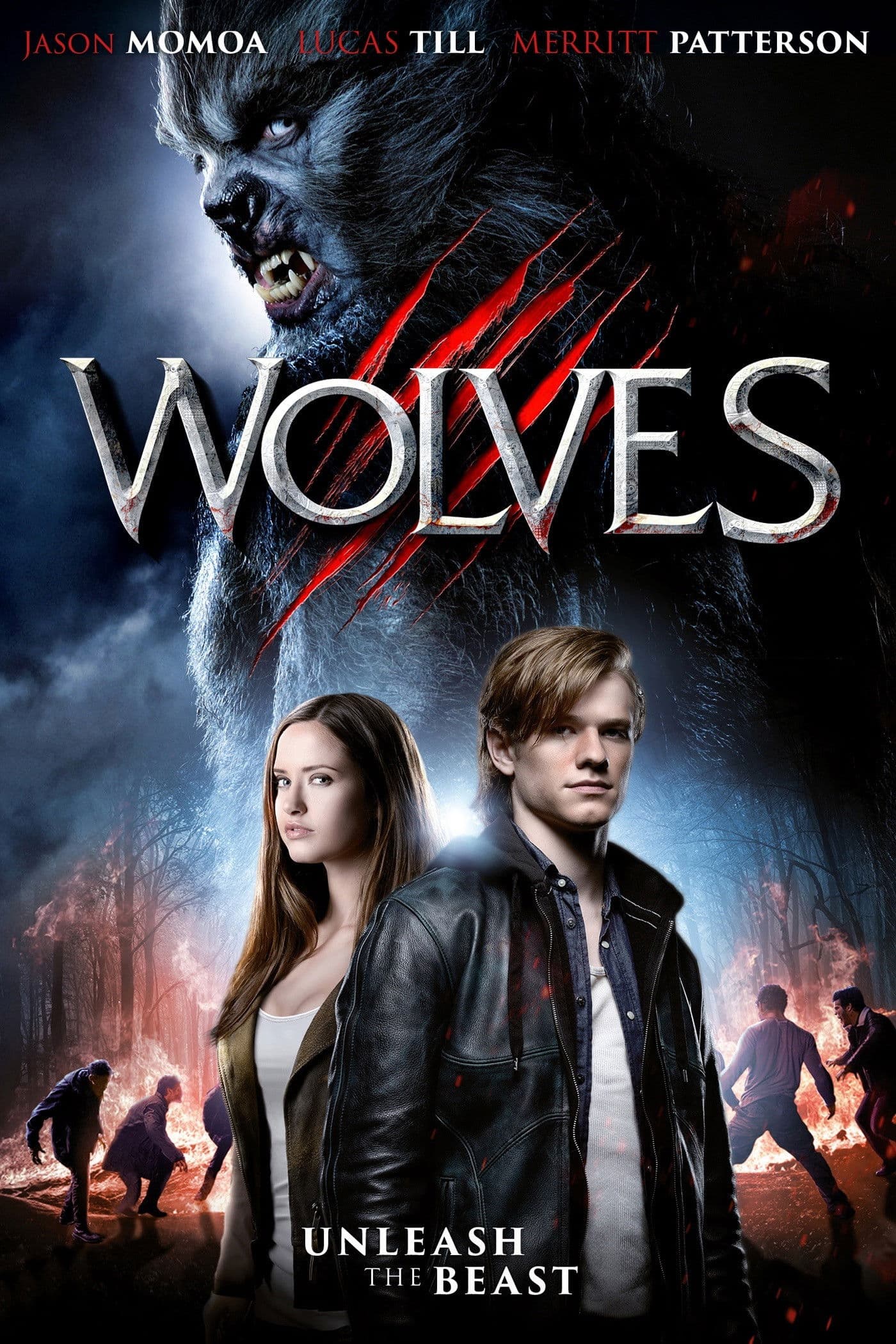
Cayden Richards, a high school football star, wakes one morning to find his parents brutally murdered and discovers he is transforming into something inhuman. Fleeing his hometown, he follows his bloodline to the remote mountain settlement of Lupine Ridge, where he encounters two warring werewolf clans and a dangerous alpha named Connor who holds the key to his ancestry. To survive, Cayden must claim his place in a community at war with itself and confront the truth about who and what he really is.
What Is the Budget of Wolves (2014)?
Wolves (2014), the directorial debut of David Hayter, the screenwriter behind X-Men, X2: X-Men United, and Watchmen, was produced on a reported $18 million budget. The Canadian-financed werewolf coming-of-age film was bankrolled by Copperheart Entertainment in association with TF1 International and Téléfilm Canada, with North American theatrical distribution handled by Ketchup Entertainment and international rights through Entertainment One. The spend reflects a mid-tier independent genre production designed to reach theatrical screens without studio backing.
At $18,000,000, Wolves sits well below the budgets of studio werewolf releases like 2010's The Wolfman ($150 million) and above no-budget creature features, occupying the increasingly squeezed middle ground where practical effects and a recognizable cast must justify a theatrical play without franchise insurance. Most of the spend went to prosthetic werewolf design, an Ontario shoot leveraging Canadian tax credits, and the ensemble cast led by Lucas Till and Jason Momoa.
Key Budget Allocation Categories
Wolves is a textbook example of a mid-budget creature feature whose costs cluster around prosthetics, location work, and an ensemble cast. The largest line items were:
- Practical Werewolf Effects and Makeup: Director David Hayter publicly rejected a CGI-led approach in favor of practical prosthetic werewolf transformations, with full-body makeup, animatronic snouts, and dressed creature suits carrying the third act. The decision shifted spend toward physical effects shops over a digital VFX house, with extended makeup application schedules adding shooting days for the principal cast.
- Ontario Production and Canadian Tax Credits: Principal photography took place in Ontario, allowing the production to qualify for the Ontario Film and Television Tax Credit and the federal Canadian Film or Video Production Tax Credit. The two stacked incentives effectively reduced the cash exposure for Copperheart Entertainment and TF1 International, a common structuring approach for Canadian genre films of this scale.
- Ensemble Cast Fees: Lucas Till had emerged from X-Men: First Class but was not yet a leading-man-tier star, keeping his quote moderate. Jason Momoa was filmed before his Game of Thrones breakout transitioned into Aquaman, capturing him at a transitional point in his quote curve. Veteran character actor Stephen McHattie, Merritt Patterson, and John Pyper-Ferguson rounded out the ensemble at independent-film rates rather than studio-tier deals.
- Rural Town Sets and Location Builds: The fictional mountain town of Lupine Ridge required dressed exterior storefronts, a working bar interior, and farm and forest locations within driving range of the Toronto production base. Set dressing, location fees, and the construction of practical interiors absorbed a meaningful share of the below-the-line budget.
- Stunts and Action Choreography: The climactic werewolf brawls, vehicle action, and creature-on-creature combat required experienced stunt coordinators, wire rigs, and protective doubles working around the prosthetic suits. Action sequences staged in confined interior sets demanded careful planning to keep both performers and expensive prosthetics intact across multiple takes.
- Score, Sound Design, and Post Production: Composers Ilya Kaplan and Alex Khaskin delivered the orchestral score, and the post pipeline included sound design for the transformation sequences, color grading to support the moody nighttime palette, and the digital cleanup required to integrate prosthetic werewolves with limited visual effects augmentation. Post on an effects-driven feature of this size typically runs several months and represents a significant late-stage expense.
How Does Wolves' Budget Compare to Similar Films?
Setting Wolves against other werewolf and creature features of varying scales puts the $18 million spend into context:
- The Wolfman (2010): Budget $150,000,000 | Worldwide $139,789,765. Universal's Benicio del Toro vehicle operated at more than eight times the spend of Wolves and still lost money theatrically, illustrating why mid-budget creature features like Wolves struggle to clear in a market where audiences either turn out for studio spectacle or skip the category entirely.
- An American Werewolf in London (1981): Budget $10,000,000 | Worldwide $30,565,292. John Landis's genre-defining werewolf film cost roughly half of Wolves in nominal dollars and grossed three times its budget, anchored by Rick Baker's practical effects. The comparison underscores how much further a practical-effects werewolf could travel commercially three decades earlier when the category was fresher.
- Dog Soldiers (2002): Neil Marshall's Scottish soldiers-versus-werewolves siege film was produced on an estimated $2 million budget and became a cult home video success after a limited UK theatrical release. Dog Soldiers shows the path Wolves could have taken at a fraction of the cost, suggesting the $18 million spend was the wrong scale for the genre's post-2010 commercial reality.
- Late Phases (2014): Adrián García Bogliano's blind-veteran-versus-werewolves film released the same year as Wolves on a tiny independent budget, played festivals, and skipped wide theatrical entirely. Both films relied on practical creature work, but Late Phases' VOD-first strategy avoided the theatrical shortfall that defined Wolves' commercial trajectory.
- Bad Moon (1996): Eric Red's Warner Bros werewolf film cost an estimated $7 million and grossed roughly $1 million theatrically before finding its audience on home video. Bad Moon's arc previews the route Wolves followed almost two decades later: a brief theatrical play followed by sustained commercial life on DVD, VOD, and cable rentals where genre fans actually find werewolf films.
Wolves Box Office Performance
Ketchup Entertainment opened Wolves theatrically in North America on November 14, 2014 in a limited release strategy aimed at horror genre audiences, with international rollouts through Entertainment One stretching into early 2015. The film never expanded beyond a small theatrical footprint and pivoted quickly to home video, where it found the bulk of its commercial life.
The available financial breakdown:
- Production Budget: $18,000,000
- Estimated Prints & Advertising (P&A): Limited release, approximately $1,000,000
- Total Estimated Investment: approximately $19,000,000
- Worldwide Gross: $94,953
- Net Return: approximately negative $18,905,047
- ROI: approximately negative 99 percent
At roughly $94,953 worldwide on a reported $18 million budget, Wolves returned less than one cent for every dollar invested at the theatrical level, making it one of the most commercially disappointing werewolf releases of the decade in pure box office terms. The film never approached its production cost in ticket sales and was effectively a write-off for the theatrical window before the home video pipeline kicked in.
The true commercial life of Wolves played out across DVD and Blu-ray rentals, VOD platforms, cable licensing, and international television deals brokered by Entertainment One and TF1 International. Mid-budget Canadian genre films of this profile typically recoup a meaningful share of their negative cost over a multi-year home entertainment tail, particularly when packaged with horror programming blocks on cable and streaming services. The theatrical number is not the full story, but the gap between $18 million and $94,953 illustrates how punishing a wide-release ambition can be when the audience does not turn up.
Wolves Production History
Wolves marked the directorial debut of David Hayter, best known as the screenwriter of X-Men, X2: X-Men United, and Watchmen, and as the original voice of Solid Snake in the Metal Gear Solid video game franchise. Hayter wrote the screenplay himself, drawing on classic werewolf mythology and coming-of-age conventions to frame the story of Cayden Richards, a high school football star who discovers he is the descendant of a werewolf bloodline and must journey to the remote mountain town of Lupine Ridge to confront his ancestry.
Producer Steven Hoban of Copperheart Entertainment, the Canadian genre specialist behind the Ginger Snaps werewolf trilogy and Splice, anchored the production financially and creatively. Copperheart's established relationship with Téléfilm Canada and its track record on practical-effects horror gave Hayter the institutional support to commit to prosthetic werewolves over the CGI approach that had defined most studio werewolf releases of the prior decade.
Principal photography took place in Ontario, with Toronto-area locations standing in for the fictional mountain town of Lupine Ridge and the rural farm settings. The production qualified for the Ontario Film and Television Tax Credit, a recurring incentive structure for Canadian genre films that materially improved the cash position for the financiers. Cinematographer Gavin Smith shot on a compressed schedule that prioritized practical werewolf sequences over coverage-heavy dialogue scenes, working closely with the makeup and creature effects teams to capture the prosthetic transformations on camera.
Casting placed Lucas Till, then known primarily for X-Men: First Class and Hannah Montana: The Movie, in the lead, with Jason Momoa cast as the rival alpha werewolf Connor. Momoa filmed Wolves before his ascent to Aquaman, capturing him during the post-Game of Thrones transition window when his quote was still accessible to a Canadian independent production. Stephen McHattie, Merritt Patterson, John Pyper-Ferguson, and Adam Butcher rounded out the ensemble. The film premiered at the Toronto After Dark Film Festival in October 2014 ahead of the Ketchup Entertainment theatrical release later that fall.
Awards and Recognition
Wolves received limited awards attention. The film premiered at the Toronto After Dark Film Festival in October 2014, the leading Canadian genre showcase, where it played to a domestic horror audience ahead of the November theatrical release. The festival slot generated local press coverage and supported the marketing campaign for the Ketchup Entertainment opening, though Wolves did not advance to the genre festival circuit beyond its Canadian premiere.
The most enduring industry recognition has come retrospectively, with Jason Momoa's performance frequently cited in career retrospectives as a transitional role between his Game of Thrones run as Khal Drogo and his Justice League and Aquaman work for Warner Bros. David Hayter's commitment to practical werewolf effects also drew recognition within the practical-effects community, where Wolves is cited alongside the Ginger Snaps trilogy as part of Copperheart Entertainment's sustained investment in prosthetic creature work over digital alternatives.
Critical Reception
Wolves received broadly negative reviews from critics, holding a 16 percent approval rating on Rotten Tomatoes from 19 reviews and a 37 out of 100 score on Metacritic, the latter signaling "generally unfavorable" reviews. The critical consensus centered on a script that leaned heavily on coming-of-age genre tropes without subverting them, with reviewers acknowledging the practical werewolf effects while questioning whether the storyline justified a theatrical release.
Neil Genzlinger in The New York Times panned the film, calling out the screenplay's reliance on familiar werewolf coming-of-age beats, and Justin Lowe at The Hollywood Reporter took issue with the pacing and tonal balance between high school drama and creature feature. Frank Scheck and other genre critics gave more measured assessments, crediting the prosthetic werewolf design and Jason Momoa's screen presence even when finding the surrounding film underdeveloped. The shared throughline across reviews was acknowledgment that Hayter's practical-effects ambition exceeded the screenplay's reach.
Audience response on Rotten Tomatoes and IMDb settled around the lower end of the genre scale, with the 4.6 IMDb user rating reflecting horror fans who appreciated the practical creature work alongside more critical viewers who found the story formulaic. Even skeptical reviewers acknowledged the rarity of a fully practical werewolf transformation in a 2014 theatrical release, a craft choice that has aged better than the screenplay and helps explain the film's sustained second life on home video and cable.
Frequently Asked Questions
How much did it cost to make Wolves (2014)?
Wolves (2014) was produced on a reported $18 million budget. The Canadian-financed werewolf film was bankrolled by Copperheart Entertainment in association with TF1 International, with stacked Ontario and federal Canadian tax credits reducing the cash exposure for the financiers. The spend went primarily to practical werewolf prosthetics, the Ontario shoot, and the ensemble cast.
How much did Wolves earn at the box office?
Wolves grossed approximately $94,953 worldwide across its limited theatrical release. North American distributor Ketchup Entertainment opened the film on November 14, 2014, and Entertainment One handled international rollouts into early 2015. The film never expanded beyond a small theatrical footprint and recouped the bulk of its commercial life through DVD, VOD, cable, and international television sales rather than ticket revenue.
Who directed Wolves (2014)?
David Hayter directed Wolves, his directorial debut. Hayter is best known as the screenwriter of X-Men, X2: X-Men United, and Watchmen, and as the original voice of Solid Snake in the Metal Gear Solid video game franchise. He also wrote the screenplay for Wolves.
Who stars in Wolves (2014)?
Wolves stars Lucas Till as Cayden Richards, Jason Momoa as the rival alpha werewolf Connor, Stephen McHattie as the elder John Tollerman, Merritt Patterson as Angelina Timmins, John Pyper-Ferguson as Wild Joe, and Adam Butcher. Momoa filmed Wolves before his transition from Game of Thrones to Aquaman.
Where was Wolves (2014) filmed?
Wolves was filmed in Ontario, Canada, with Toronto-area locations standing in for the fictional mountain town of Lupine Ridge. The production qualified for the Ontario Film and Television Tax Credit and the federal Canadian Film or Video Production Tax Credit, a common structuring approach for independent Canadian genre features.
Were the werewolves in Wolves CGI or practical effects?
David Hayter committed to practical werewolf effects rather than CGI for Wolves. The transformations and creature sequences relied on full-body prosthetics, animatronic snouts, and dressed werewolf suits, supported by selective digital cleanup in post. The choice reflected Copperheart Entertainment's sustained investment in practical creature work, the same approach that defined its Ginger Snaps werewolf trilogy.
What did critics think of Wolves (2014)?
Wolves received broadly negative reviews, holding a 16 percent Rotten Tomatoes approval rating from 19 reviews and a 37 out of 100 score on Metacritic. Critics praised the practical creature design and Jason Momoa's screen presence but found the coming-of-age screenplay formulaic. The New York Times and The Hollywood Reporter both panned the script while acknowledging the prosthetic werewolf craft.
Did Wolves make a profit?
No. With a reported $18 million budget and worldwide theatrical box office of approximately $94,953, Wolves returned less than one cent for every dollar invested at the theatrical level. The film recouped a portion of its negative cost through the home video, VOD, cable licensing, and international television tail brokered by Entertainment One and TF1 International, but it was a substantial theatrical write-down.
Who produced Wolves (2014)?
Steven Hoban of Copperheart Entertainment produced Wolves, alongside Benoit Beaulieu. Copperheart is the Canadian genre specialist behind the Ginger Snaps werewolf trilogy and Vincenzo Natali's Splice, and its track record on practical-effects horror gave David Hayter the institutional support to commit to prosthetic werewolves for his directorial debut.
When was Wolves (2014) released?
Wolves premiered at the Toronto After Dark Film Festival in October 2014 and opened theatrically in North America on November 14, 2014 through Ketchup Entertainment. Entertainment One handled international distribution, with rollouts continuing into early 2015 before the film transitioned to DVD, Blu-ray, and VOD platforms.
Filmmakers
Wolves (2014)

Build your own production budget
Create professional budgets with industry-standard feature film templates. Real-time collaboration, no spreadsheets.