Winter Light Budget
Updated
Synopsis
A Swedish pastor fails a loving woman, a suicidal fisherman and God.
What is known about the production of Winter Light?
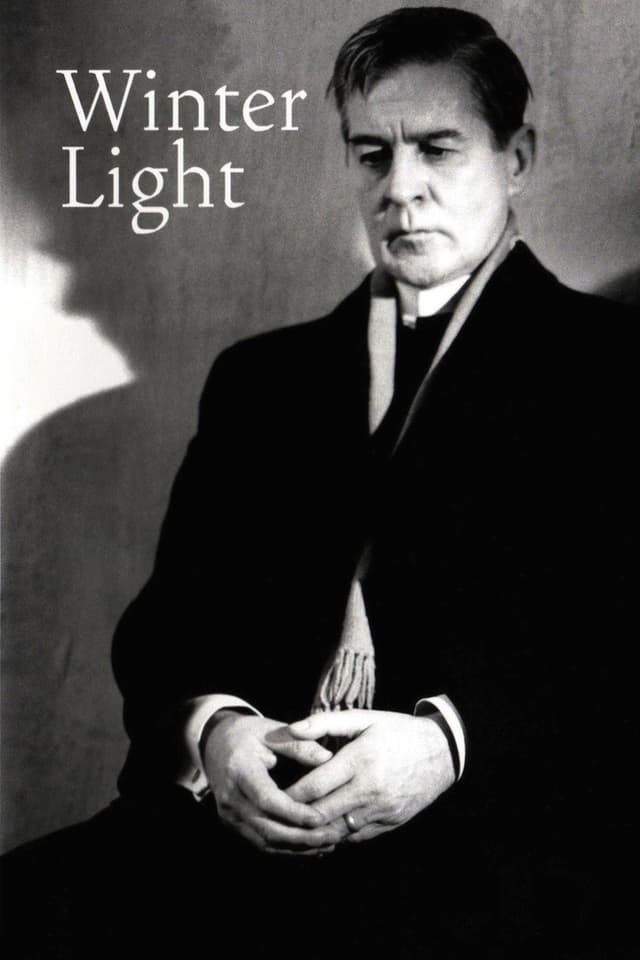
"Winter Light," a drama released in 1963, was directed by Ingmar Bergman and stars Ingrid Thulin, Gunnar Björnstrand. The production budget has not been publicly disclosed, though SF Studios produced the film, making it a notable entry in the drama landscape whose financial details remain private.
Key Budget Allocation Categories
While specific budget breakdowns are not publicly available, typical cost drivers for a drama production like this include:
- Casting: Ingmar Bergman personally cast some of the roles himself.
- Filming & Locations: The film was shot between 4 October 1961 and 17 January 1962 in the Filmstaden studios, Skattunge kyrka and Rättvik.
What were the major cost factors in Winter Light?
Several factors contributed to the overall production costs of "Winter Light."
- Casting: Casting is one of the primary cost drivers in drama productions of this scale.
- Filming: Filming & Locations is one of the primary cost drivers in drama productions of this scale.
Winter Light Production History
Ingmar Bergman personally cast some of the roles himself. Actor Gunnar Björnstrand, who played Tomas, typically acted in more comedic roles, and found it challenging to play a character who was in some ways unlikable. This led him to forget some of his lines, which Bergman said he had never seen Björnstrand do before.
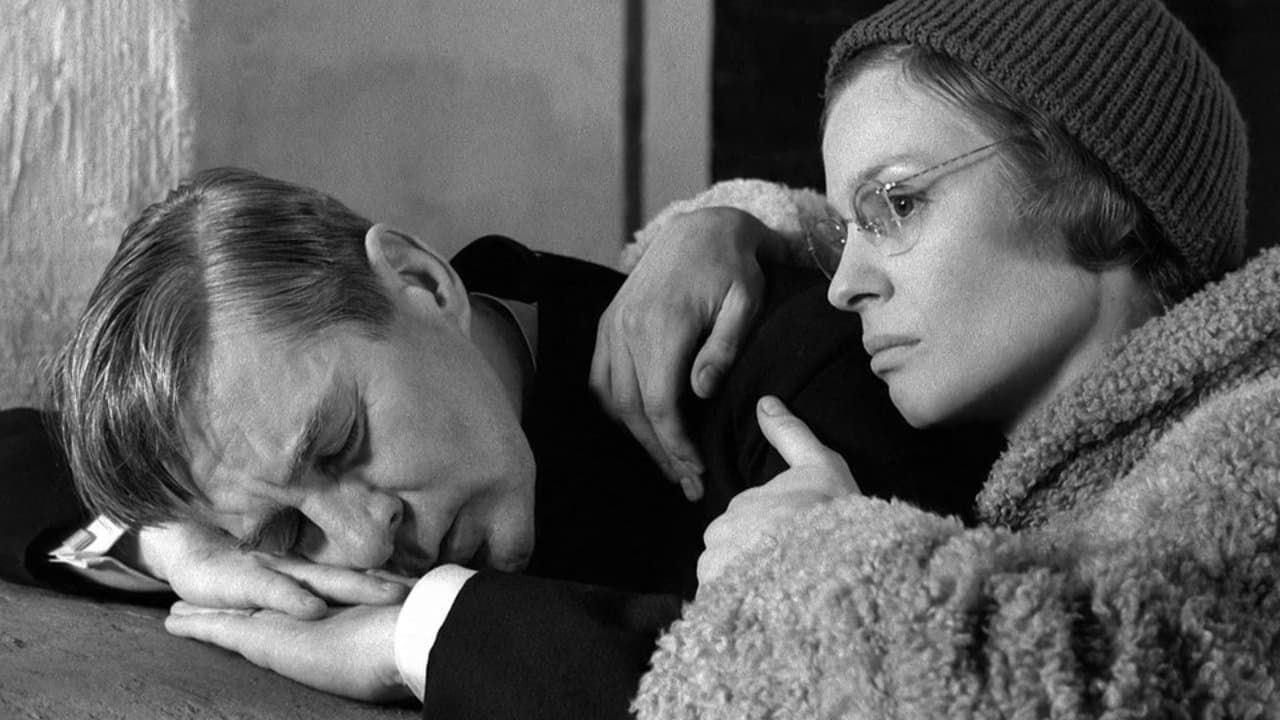
The film was shot between 4 October 1961 and 17 January 1962 in the Filmstaden studios, Skattunge kyrka and Rättvik. The crew was unable to shoot inside the real Skattunge kyrka church, so they built a set for interiors. Nykvist's lighting was used directly from low perspectives in his shots.
Awards and Recognition
3 wins & 1 nomination total
Critical Reception
Winter Light drew ambivalent responses in the American press. In Variety, it was billed as "an extremely moving and fascinating film for the religiously aware, and a somewhat boring one for the religiously indifferent". Judith Crist of the New York Herald Tribune wrote that the work "casts a gloom-tinged glare upon the human condition with chilling clarity", but found the film "bleak and cold in its abstract ideas". John Simon described it as "inferior Bergman" in The New Leader, but wrote that it still "deserves to be seen".
Frequently Asked Questions
How much did it cost to make Winter Light (1963)?
The production budget has not been publicly disclosed.
How much did Winter Light (1963) earn at the box office?
Box office figures are not publicly available.
Was Winter Light (1963) profitable?
Insufficient data for a profitability assessment.
What were the biggest costs in producing Winter Light?
Specific cost breakdowns are not publicly available.
How does Winter Light's budget compare to similar drama films?
Without a confirmed budget, comparison is not possible.
Did Winter Light (1963) go over budget?
There are no widely reported accounts of significant budget overruns for this production. However, studios rarely disclose precise budget overrun figures publicly. The reported production budget reflects the final estimated cost.
What awards did Winter Light (1963) win?
3 wins & 1 nomination total.
Who directed Winter Light and who were the key crew members?
Directed by Ingmar Bergman, written by Ingmar Bergman, shot by Sven Nykvist, with music by Evald Andersson, edited by Ulla Ryghe.
Where was Winter Light filmed?
Winter Light was filmed in Sweden. The film was shot between 4 October 1961 and 17 January 1962 in the Filmstaden studios, Skattunge kyrka and Rättvik. The crew was unable to shoot inside the real Skattunge kyrka church, so they built a set for interiors.
Filmmakers
Winter Light

Official Trailer
Build budgets like this one in Saturation
Start from an industry-standard feature film template, import the schedule and rates you already have, and let the cost report keep itself current as you spend. Real-time collaboration, no spreadsheets.