Wind River Budget
 CrimeMysteryDramaThriller1h 47m
Updated
Synopsis
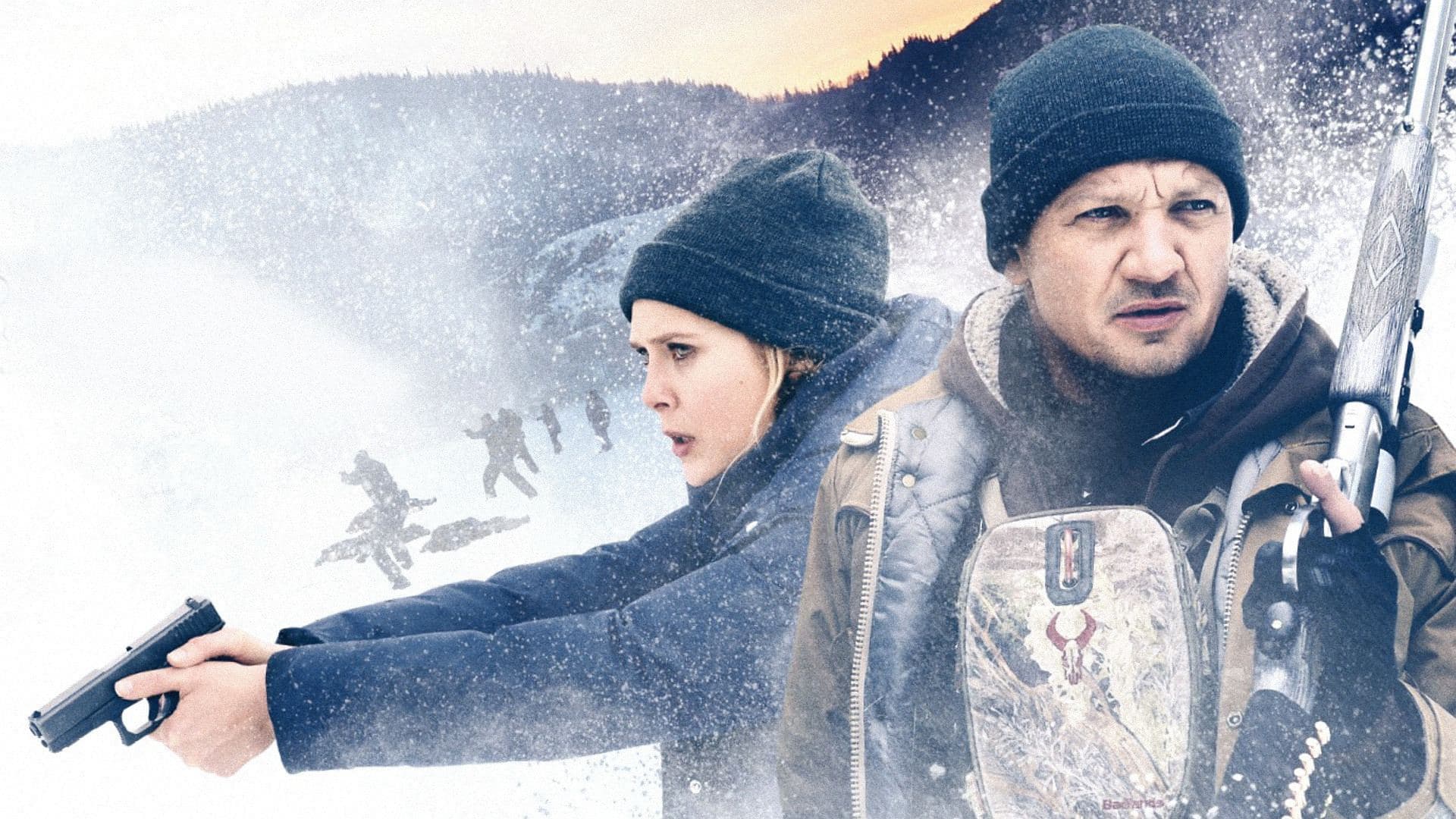
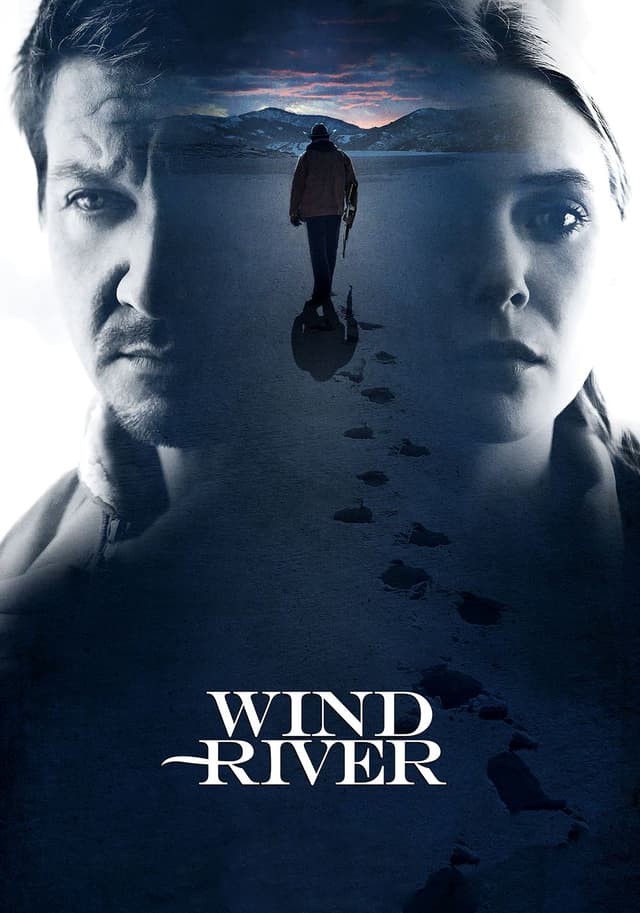
An FBI agent teams with the town's veteran game tracker to investigate a murder that occurred on a Native American reservation.
What Is the Budget of Wind River?
Wind River was produced on an estimated budget of $11 million, a modest sum that reflects the film's independent origins and stripped-down production approach. Writer-director Taylor Sheridan, making his feature directorial debut after penning the acclaimed screenplays for Sicario (2015) and Hell or High Water (2016), designed the project to work within tight financial constraints while still delivering a visually expansive thriller set against the harsh Wyoming wilderness.
The budget placed Wind River firmly in the mid-range independent category, large enough to attract A-list talent like Jeremy Renner and Elizabeth Olsen but small enough to require creative problem-solving throughout production. Sheridan leveraged his reputation as one of Hollywood's most sought-after screenwriters to assemble a cast and crew that believed in the material, keeping costs manageable without sacrificing the film's scope or ambition.
Key Budget Allocation Categories
The $11 million budget was distributed across production demands that prioritized authenticity and location-driven storytelling.
- Cast Salaries: Jeremy Renner and Elizabeth Olsen anchored the film as leads, with supporting performances from Gil Birmingham, Jon Bernthal, Graham Greene, and Kelsey Asbille. The ensemble commanded a significant portion of the budget, though most accepted below-market rates given the project's independent scale.
- Location and Production Design: Filming took place in and around Park City, Utah, standing in for the Wind River Indian Reservation in Wyoming. The remote mountain locations required specialized equipment and logistics for winter shooting in deep snow at high elevation.
- Weather and Outdoor Production: The story's winter setting demanded shooting in genuine subzero conditions, which slowed production pace and increased costs for crew safety, heated shelters, and equipment protection against extreme cold.
- Music and Score: Nick Cave and Warren Ellis composed the film's atmospheric score, bringing their distinctive sound to complement the desolate landscape. Their involvement added prestige and emotional depth that elevated the final product.
- Cinematography: Ben Richardson served as director of photography, capturing sweeping snowscapes and intimate character moments that gave the low-budget film a visual grandeur typically associated with larger productions.
- Post-Production: Editing, sound design, color grading, and visual effects for the winter environments required careful attention to maintain the film's immersive quality within the remaining budget allocation.
How Does Wind River's Budget Compare to Similar Films?
Wind River sits alongside other mid-budget thrillers and modern westerns that achieved outsized commercial and critical results relative to their production costs.
- Hell or High Water (2016): Budget $12M | Worldwide $37.9M. Sheridan's previous screenplay, also a modern frontier crime story, operated on a nearly identical budget and delivered similar box office returns, establishing a template for the writer's economical approach to genre filmmaking.
- Sicario (2015): Budget $30M | Worldwide $84.9M. Sheridan's first produced screenplay had nearly triple the budget under Denis Villeneuve's direction, illustrating how the same writer's material can scale up or down depending on directorial vision and studio backing.
- Prisoners (2013): Budget $46M | Worldwide $122.1M. Denis Villeneuve's earlier thriller had four times Wind River's budget but shared its cold, atmospheric tension and deliberate pacing, showing how similar tonal territory can be explored at vastly different price points.
- Winter's Bone (2010): Budget $2M | Worldwide $16.1M. Another rural crime thriller set in harsh winter conditions, made for a fraction of Wind River's budget, demonstrating that authentic locations and strong performances can carry a story without significant financial resources.
- Three Billboards Outside Ebbing, Missouri (2017): Budget $15M | Worldwide $159.2M. Released the same year, this crime drama operated on a comparable budget but achieved far greater commercial reach through awards-season momentum and broader audience appeal.
Wind River Box Office Performance
Wind River earned $33,809,495 domestically and $45,362,529 worldwide against its $11 million production budget. The film opened in limited release on August 4, 2017, expanding to wider distribution as positive reviews and word-of-mouth built audience interest throughout the late summer.
Using the standard industry formula where a film needs to earn roughly twice its production budget to break even (accounting for prints and advertising costs), Wind River's break-even threshold was approximately $22 million. The film cleared that mark comfortably, ultimately earning more than four times its production cost at the worldwide box office.
The return on investment calculation: ($45.36M worldwide gross minus $11M budget) divided by $11M budget, multiplied by 100, yields an ROI of approximately 312%. This strong return reinforced Taylor Sheridan's reputation as a filmmaker who could deliver commercially viable work on lean budgets, contributing to his later deal with Paramount for the Yellowstone franchise.
The film's box office trajectory was complicated by the Harvey Weinstein scandal that broke in October 2017. The Weinstein Company had distributed Wind River, and the controversy suppressed the film's late-run theatrical potential and awards campaign just as it was gaining traction.
- Production Budget: $11,000,000
- Estimated P&A: approximately $5,500,000
- Total Investment: approximately $16,500,000
- Worldwide Gross: $44,998,252
- Net Return: approximately +$28,500,000
- ROI (on production budget): approximately +309%
Wind River Production History
Taylor Sheridan wrote the Wind River screenplay as the third installment in what he described as his "frontier trilogy," following Sicario and Hell or High Water. Unlike the previous two films, Sheridan insisted on directing this one himself, viewing the material as deeply personal. The story was inspired by real events on Native American reservations and addresses the crisis of missing and murdered Indigenous women, a subject Sheridan felt required his direct creative control.
Acacia Filmed Entertainment and Savvy Media Holdings financed the project, with Thunder Road Pictures producing. Casting came together quickly once Renner and Olsen signed on, with both actors drawn to the script's emotional weight and the opportunity to work in a physically demanding outdoor production.
Principal photography took place in winter 2016 in the mountains around Park City, Utah. The production chose Utah over actual Wyoming reservation land for logistical reasons, though Sheridan worked closely with Native American consultants to ensure the portrayal of reservation life remained authentic. Temperatures during filming regularly dropped below negative 20 degrees Fahrenheit, creating genuine physical hardship for cast and crew that translated directly to the screen.
The film premiered at the 2017 Sundance Film Festival, where it received strong reviews and attracted distribution interest. The Weinstein Company acquired North American rights, planning a strategic late-summer release to position the film for awards season. The August 2017 rollout started with a limited opening before expanding nationally as reviews built buzz.
The film screened in the Un Certain Regard section at the 2017 Cannes Film Festival, where Sheridan won the Best Director prize. This recognition validated his transition from screenwriter to director and gave the film significant international visibility ahead of its wider release.
Awards and Recognition
Wind River earned meaningful recognition on the festival circuit and from industry organizations, though its awards trajectory was disrupted by the Weinstein Company scandal in late 2017.
- Cannes Film Festival 2017: Won the Prix de la mise en scene (Best Director) in the Un Certain Regard section for Taylor Sheridan, a significant honor for a first-time director.
- Sundance Film Festival 2017: World premiere in the Premieres section, generating strong critical buzz and securing distribution.
- National Board of Review: Named one of the Top Ten Independent Films of 2017.
- Saturn Awards: Nominated for Best Action/Adventure Film, recognizing the thriller's genre craftsmanship.
- Independent Spirit Awards: Gil Birmingham received a nomination for Best Supporting Male, highlighting the depth of the ensemble cast.
- Screen Actors Guild Awards: The film was considered a contender for ensemble nominations before the Weinstein controversy shifted industry attention.
Critical Reception
Wind River holds an 87% approval rating on Rotten Tomatoes, reflecting strong critical consensus around the film's craftsmanship and emotional impact. Critics praised Sheridan's confident directorial debut, noting his ability to translate the same taut, atmospheric storytelling from his screenplays into his visual direction.
Jeremy Renner's performance as Cory Lambert, a U.S. Fish and Wildlife Service tracker haunted by personal loss, was singled out as one of his finest roles. Reviewers highlighted the restraint and physicality he brought to the character, grounding the thriller in genuine emotional stakes. Elizabeth Olsen received praise for her portrayal of a young FBI agent navigating an unfamiliar and hostile environment, while Gil Birmingham's performance as a grieving father was described as quietly devastating.
The film's depiction of life on the Wind River Indian Reservation drew particular attention. Critics noted Sheridan's commitment to portraying the isolation, poverty, and systemic neglect facing Native American communities without sensationalizing or exploiting the subject matter. The closing title card, noting that no statistics are kept for missing and murdered Native American women, left audiences with a lasting impression that elevated the film beyond genre entertainment.
Some critics observed that the film's perspective, centering a white protagonist in a story about Indigenous suffering, reflected a tension common to Hollywood's approach to Native American stories. However, most acknowledged that Sheridan handled the material with care and that the film succeeded in bringing mainstream attention to an issue that receives minimal coverage.
Frequently Asked Questions
How much did it cost to make Wind River (2017)?
The production budget was $11,000,000, covering principal photography, cast and crew salaries, locations, sets, post-production, and music. Marketing and distribution (P&A) costs are estimated at an additional $5,500,000 - $8,800,000, bringing the total studio investment to approximately $16,500,000 - $19,800,000.
How much did Wind River (2017) earn at the box office?
Wind River grossed $44,998,252 worldwide.
Was Wind River (2017) profitable?
Yes. Against a production budget of $11,000,000 and estimated total costs of ~$27,500,000, the film earned $44,998,252 theatrically - a 309% ROI on production costs alone.
What were the biggest costs in producing Wind River?
The primary cost drivers were above-the-line talent (Jeremy Renner, Elizabeth Olsen, Gil Birmingham); talent compensation, location cinematography, and tension-driven editorial; international production across France, United Kingdom, United States of America.
How does Wind River's budget compare to similar crime films?
At $11,000,000, Wind River is classified as a low-budget production. The median budget for wide-release crime films in the 2010s ranges from $30 - 80M for mid-budget to $150M+ for tentpoles. Comparable budgets: Forsaken (2015, $11,000,000); Barry Lyndon (1975, $11,000,000); Alien (1979, $11,000,000).
Did Wind River (2017) go over budget?
There are no widely reported accounts of significant budget overruns for this production. However, studios rarely disclose precise budget overrun figures publicly. The reported production budget reflects the final estimated cost.
What was the return on investment (ROI) for Wind River?
The theatrical ROI was 309.1%, calculated as ($44,998,252 − $11,000,000) ÷ $11,000,000 × 100. This measures gross revenue against production budget only - it does not account for P&A or exhibitor shares.
Who directed Wind River and who were the key crew members?
Directed by Taylor Sheridan, written by Taylor Sheridan, shot by Ben Richardson, with music by Nick Cave, Warren Ellis, edited by Gary D. Roach.
Where was Wind River filmed?
Wind River was filmed in France, United Kingdom, United States of America.
Filmmakers
Wind River

Official Trailer
Build budgets like this one in Saturation
Start from an industry-standard feature film template, import the schedule and rates you already have, and let the cost report keep itself current as you spend. Real-time collaboration, no spreadsheets.