War Horse Budget
 WarHistoryAdventure2h 26m
Updated
Synopsis
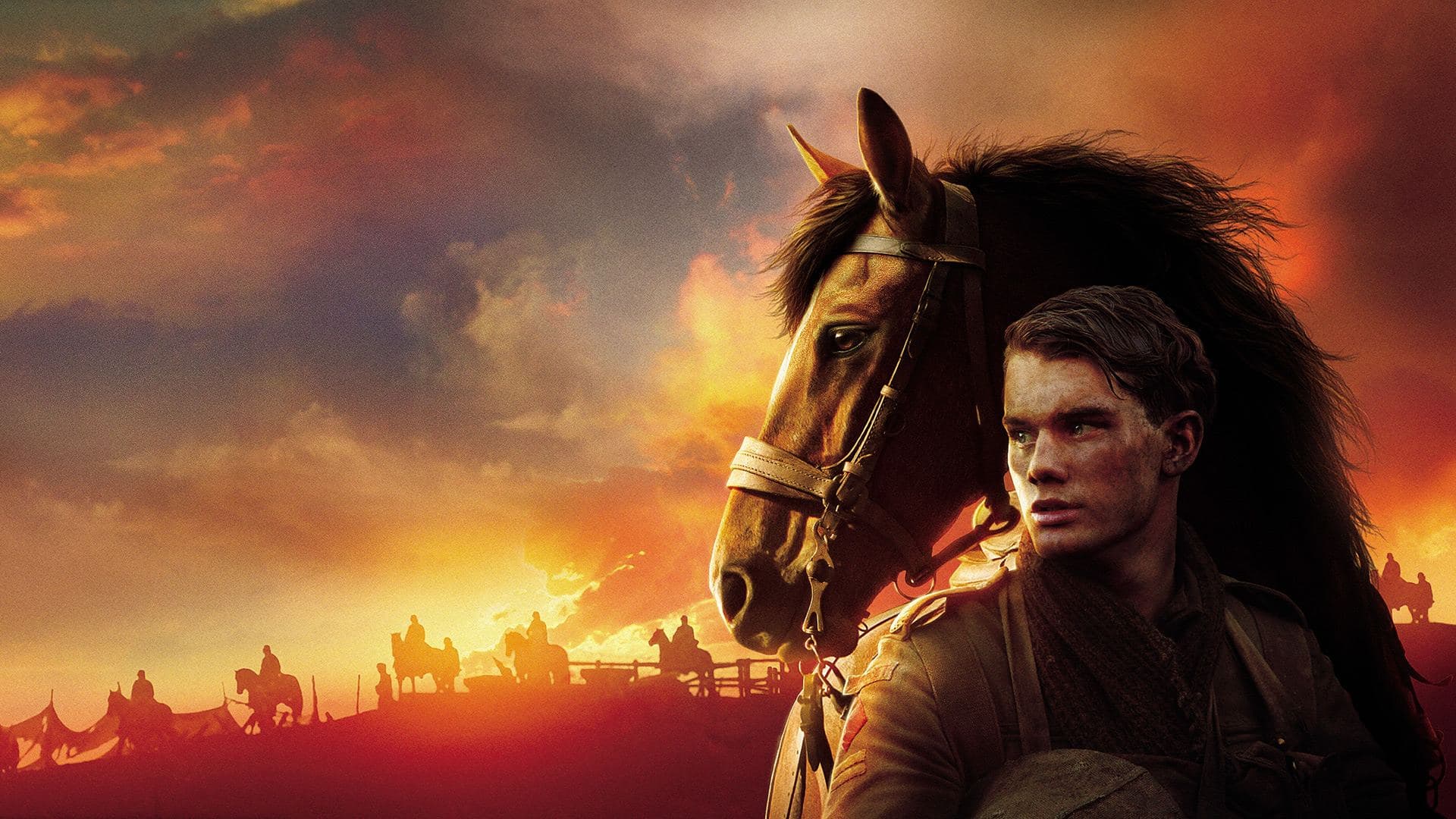
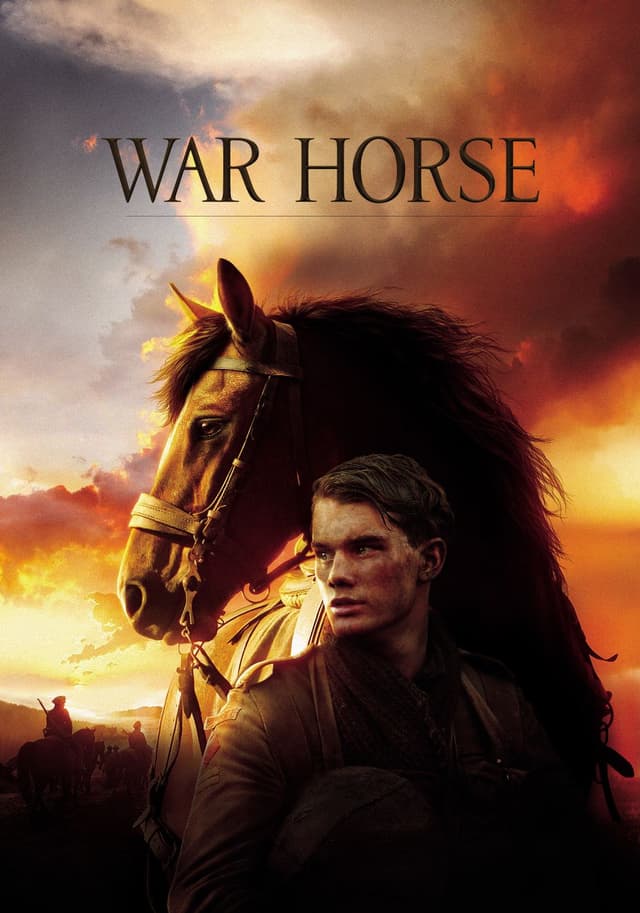
On the brink of the First World War, Albert's beloved horse Joey is sold to the Cavalry by his father. Against the backdrop of the Great War, Joey begins an odyssey full of danger, joy, and sorrow, and he transforms everyone he meets along the way. Meanwhile, Albert, unable to forget his equine friend, searches the battlefields of France to find Joey and bring him home.
What is the budget of War Horse?
"War Horse," a war released in 2011, was directed by Steven Spielberg and stars Jeremy Irvine, Peter Mullan. The production budget was $66,000,000, placing it in the high-budget range for war productions of its era.
Key Budget Allocation Categories
While specific budget breakdowns are not publicly available, typical cost drivers for a war production like this include:
- Above-the-Line Talent: Drama films live or die on the strength of their performances.
- Location Filming & Period Production Design: Authentic locations , whether contemporary or historical , require scouting, permits, travel, lodging, and often significant dressing to match the story's time period.
- Post-Production, Color Grading & Score: The editorial process for dramas is typically longer than genre films, with careful attention to pacing and tone.
- Casting: After some speculation, the cast for War Horse was announced on 17 June 2010.
What were the major cost factors in War Horse?
Several factors contributed to the overall production costs of "War Horse."
- Above-the-Line Talent: Above-the-Line Talent is one of the primary cost drivers in war productions of this scale.
- Location Filming: Location Filming & Period Production Design is one of the primary cost drivers in war productions of this scale.
- Post-Production: Post-Production, Color Grading & Score is one of the primary cost drivers in war productions of this scale.
How Does War Horse's Budget Compare to Similar Films?
At $66,000,000, War Horse sits in the high-budget range. Here is how it compares to productions with a similar budget:
- Hellboy (2004): Budget $66,000,000, Worldwide Gross $99,318,987
- Society of the Snow (2023): Budget $65,500,000, Worldwide Gross $1,281
- 300 (2007): Budget $65,000,000, Worldwide Gross $456,082,343
- A Knight's Tale (2001): Budget $65,000,000, Worldwide Gross $117,487,473
- Collateral (2004): Budget $65,000,000, Worldwide Gross $220,239,925
The median budget for wide-release war films in the 2010s ranges from $30 to 80M for mid-budget to $150M+ for tentpoles.
War Horse Box Office Performance
"War Horse" earned $79,884,879 domestically and $177,584,879 worldwide at the box office. Against a production budget of $66,000,000, the film performed strongly at the box office.
A film typically needs to earn approximately twice its production budget to cover marketing and distribution costs. For "War Horse," that break-even threshold was roughly $132,000,000. With worldwide earnings of $177,584,879, the film cleared that threshold comfortably.
Box Office Breakdown
War Horse

At 169.1%, "War Horse" earned roughly $2.69 for every $1 invested in production.
War Horse Production History
After some speculation, the cast for War Horse was announced on 17 June 2010. It had been rumored in the previous week that Eddie Redmayne had been cast in the lead role as Albert Narracott; however, relatively unknown stage actor Jeremy Irvine was chosen instead. Spielberg commented that after seeing hundreds of young boys reading for the role, Irvine had come in and done a cold reading and that "his performance was very natural, very authentic." The cast is European, with British, French and German actors playing characters of their respective nationalities.
Filming took place under the codename Dartmoor to maintain a level of secrecy during production, and took about 64 days in total. Scenes involving the cavalry were shot first at Stratfield Saye House in north Hampshire, the estate of the Duke of Wellington, where incidentally Wellington's war horse Copenhagen is buried; a cavalry charge involving 130 extras was filmed here. Filming on location in Dartmoor, Devon, started in August 2010.
John Williams composed and conducted the film's musical score, the second score composed the same year by Williams for Spielberg after The Adventures of Tintin. Williams took inspiration by visiting a horse farm in California and observing horses and their behavior, saying that "I got in the habit of watching the horses in the morning, and I began to see how they connect to each other and how they became curious about me. That's when I really began to get the sense that horses are very special creatures.
Awards and Recognition
- National Board of Review: Top Ten Films
Critical Reception
On Rotten Tomatoes, the film has an approval rating of based on reviews, with an average score of . The site's critical consensus reads, "Technically superb, proudly sentimental, and unabashedly old-fashioned, War Horse is an emotional drama that tugs the heartstrings with Spielberg's customary flair." Metacritic reports a score of 72/100 based on 40 critics, indicating "Generally favorable reviews". Audiences surveyed by CinemaScore gave the film an average grade of "A-" on an A+ to F scale.
Frequently Asked Questions
How much did it cost to make War Horse (2011)?
The production budget was $66,000,000, covering principal photography, cast and crew salaries, locations, sets, post-production, and music. Marketing and distribution (P&A) costs are estimated at an additional $33,000,000 - $52,800,000, bringing the total studio investment to approximately $99,000,000 - $118,800,000.
How much did War Horse (2011) earn at the box office?
War Horse grossed $79,884,879 domestic, $97,700,000 international, totaling $177,584,879 worldwide.
Was War Horse (2011) profitable?
Yes. Against a production budget of $66,000,000 and estimated total costs of ~$165,000,000, the film earned $177,584,879 theatrically - a 169% ROI on production costs alone.
What were the biggest costs in producing War Horse?
The primary cost drivers were above-the-line talent (Jeremy Irvine, Peter Mullan, Emily Watson); talent compensation, authentic period production design, and meticulous post-production; international production across United States of America, India.
How does War Horse's budget compare to similar war films?
At $66,000,000, War Horse is classified as a mid-budget production. The median budget for wide-release war films in the 2010s ranges from $30 - 80M for mid-budget to $150M+ for tentpoles. Comparable budgets: Hellboy (2004, $66,000,000); Society of the Snow (2023, $65,500,000); 300 (2007, $65,000,000).
Did War Horse (2011) go over budget?
There are no widely reported accounts of significant budget overruns for this production. However, studios rarely disclose precise budget overrun figures publicly. The reported production budget reflects the final estimated cost.
What was the return on investment (ROI) for War Horse?
The theatrical ROI was 169.1%, calculated as ($177,584,879 − $66,000,000) ÷ $66,000,000 × 100. This measures gross revenue against production budget only - it does not account for P&A or exhibitor shares.
Who directed War Horse and who were the key crew members?
Directed by Steven Spielberg, written by Richard Curtis, Lee Hall, shot by Janusz Kamiński, with music by John Williams, edited by Michael Kahn.
Where was War Horse filmed?
War Horse was filmed in United States of America, India. Filming took place under the codename Dartmoor to maintain a level of secrecy during production, and took about 64 days in total. Scenes involving the cavalry were shot first at Stratfield Saye House in north Hampshire, the estate of the Duke of Wellington, where incidentally Wellington's war horse Copenhagen is buried; a cavalry charge involving 130 extras was filmed here. Filming on location in Dartmoor, Devon, started in August 2010.
Filmmakers
War Horse

Official Trailer
Build budgets like this one in Saturation
Start from an industry-standard feature film template, import the schedule and rates you already have, and let the cost report keep itself current as you spend. Real-time collaboration, no spreadsheets.