The Smurfs Budget
Updated
Synopsis
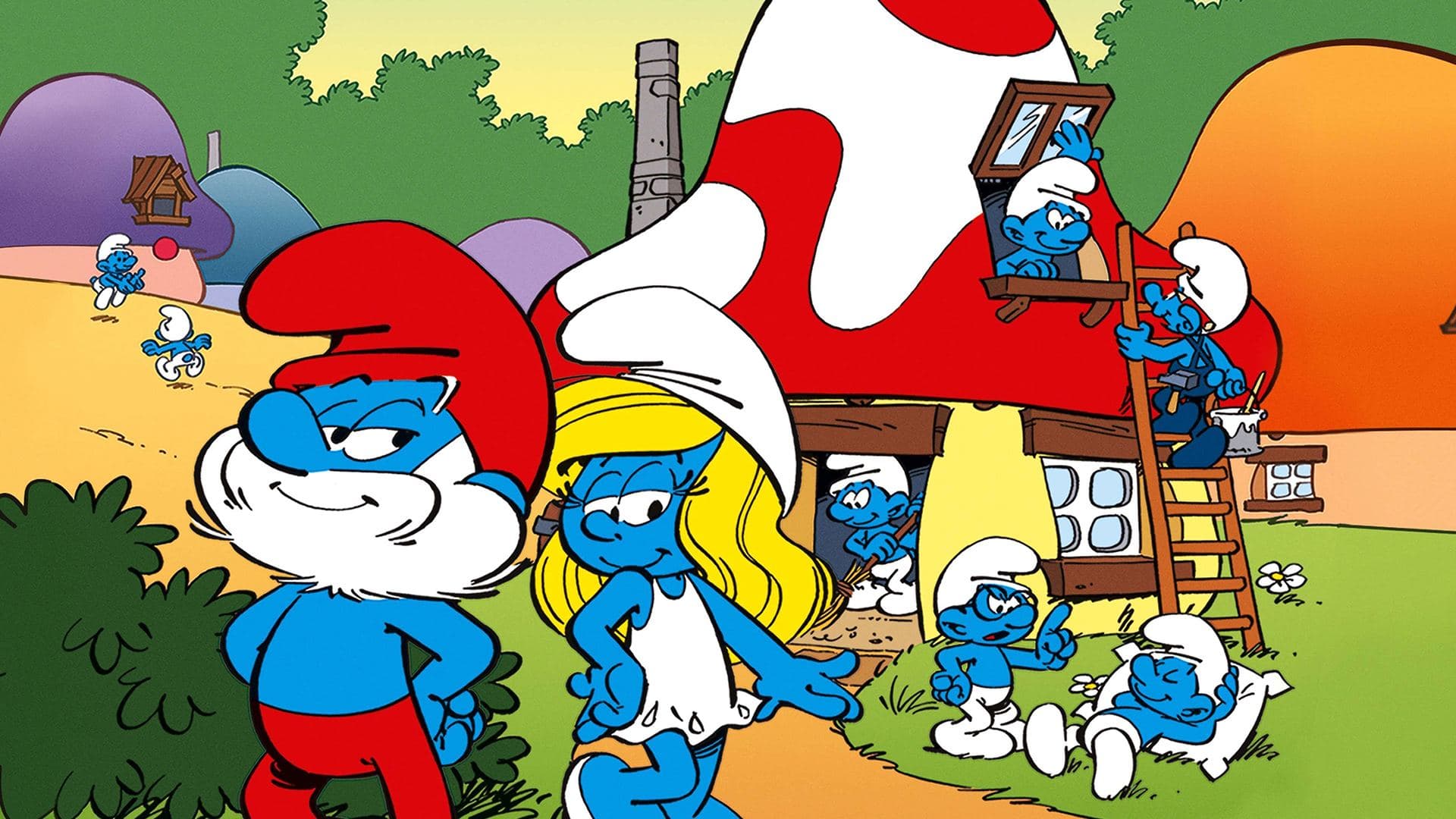
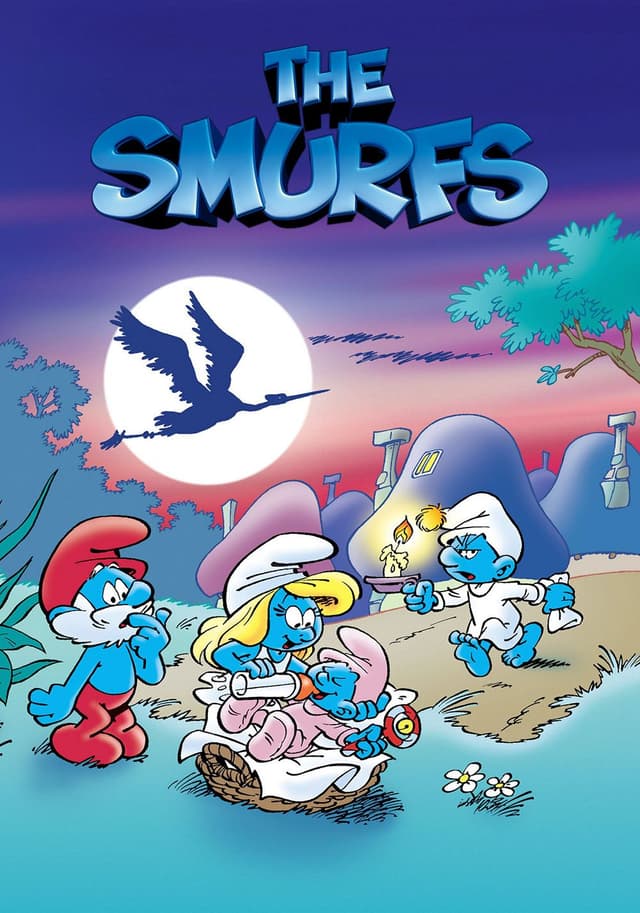
In a remote forest village hidden under giant mushrooms, a community of small blue creatures called Smurfs lives peacefully under the leadership of the elderly Papa Smurf. Their daily lives of berry-picking, music, and friendship are constantly threatened by the evil wizard Gargamel and his cat Azrael, who scheme to capture Smurfs to make gold or to eat.
What Is the Budget of The Smurfs (1981)?
The Smurfs (1981) is an American animated Saturday morning television series produced by Hanna-Barbera Productions and broadcast on NBC from September 12, 1981 to December 2, 1989. The series ran 256 episodes across nine seasons, making it one of the longest-running Saturday morning animated series of the 1980s and a foundational property of the Hanna-Barbera Productions library. The exact production budget for the series has not been publicly disclosed in Hanna-Barbera trade reporting. Hanna-Barbera Saturday morning animated series at the major-network commissioning tier in the early 1980s typically operated in the $300,000 to $500,000 per-episode range (in 1981 dollars; roughly $1,000,000 to $1,700,000 in 2025 dollars), which would suggest a total production investment in the $75,000,000 to $130,000,000 range (in nominal 1980s dollars) across the 256-episode run.
Financing came through NBC as the commissioning broadcaster, with Hanna-Barbera Productions handling the day-to-day animation production at the studio's Los Angeles facility and SEPP International (the Belgian licensing agent representing Belgian comic artist Peyo, the creator of the underlying Smurfs property) participating as the rights-holder partner. The series was adapted from Peyo's Les Schtroumpfs comic strip, which had been serialized in the Belgian comics magazine Le Journal de Spirou since 1958 and had built substantial European reader recognition across the 1960s and 1970s. The NBC commissioning anchored the United States Saturday morning broadcast tier and the dual-language Smurfs property positioning across the United States and European markets.
Key Budget Allocation Categories
The estimated $300,000 to $500,000 per-episode budget across 256 episodes was distributed across the following areas characteristic of Hanna-Barbera Saturday morning animated production in the early 1980s:
- Above-the-Line Talent: Voice cast included Don Messick (Papa Smurf and additional roles), Lucille Bliss (Smurfette and additional roles), Danny Goldman (Brainy Smurf), Frank Welker (multiple roles), Paul Winchell (Gargamel), William Callaway (multiple roles), and an extensive ensemble of additional Hanna-Barbera voice talent. Hanna-Barbera voice talent in the early 1980s commanded per-episode fees in the $300 to $1,500 range depending on role prominence.
- Hanna-Barbera Animation Production: The Los Angeles animation studio handled key animation and design work, with substantial in-between animation, ink-and-paint, and additional production work outsourced to Hanna-Barbera's overseas production partners (predominantly Korean and Taiwanese animation studios) characteristic of 1980s American Saturday morning animation production economics.
- Score and Music: Composer Hoyt Curtin (the Hanna-Barbera in-house composer responsible for The Flintstones, The Jetsons, Scooby-Doo, and additional Hanna-Barbera scores) composed the original score across the run, including the iconic Smurfs theme that became one of the most recognizable Saturday morning animation cues of the decade.
- Peyo Source-Material Licensing: Peyo (Pierre Culliford) and SEPP International, the Belgian licensing agent, received underlying-property licensing fees structured against the broadcaster license fees and the substantial downstream merchandising revenue. The pre-existing Les Schtroumpfs comic strip provided continuous source material across the run, with Peyo also serving as a creative consultant on the series.
- Saturday Morning Production Economics: The early-1980s Hanna-Barbera Saturday morning production model required weekly delivery across the September-to-March network broadcast season, with substantial sustained staffing across the eight-month per-season production cycle. Outsourcing of in-between animation to overseas studios was a defining cost-control mechanism.
- Christmas and Holiday Specials: The series produced multiple holiday specials across the run including a Christmas special, a Mother's Day special, and additional themed episodes. Holiday specials operated on slightly elevated per-episode budgets relative to standard episodes, with the higher production investment supporting one-hour or extended-length holiday programming.
How Does The Smurfs' Budget Compare to Similar Productions?
At an estimated $300,000 to $500,000 per-episode production budget (in 1981 dollars) across 256 episodes, The Smurfs (1981) sat at the typical Hanna-Barbera Saturday morning animated series tier for the early 1980s. The comparison set:
- The Flintstones (Hanna-Barbera 1960): Budget approximately $65,000 per episode (in 1960 dollars). The Hanna-Barbera primetime animated series from two decades earlier illustrates the production-budget escalation across the studio's output, with Saturday morning programming subsequently displacing primetime animation as the studio's commercial focus through the 1970s and 1980s.
- Scooby-Doo, Where Are You! (Hanna-Barbera 1969): Budget undisclosed but understood to be in a comparable per-episode range. The CBS Saturday morning Hanna-Barbera property from the prior decade illustrates the same studio Saturday morning commissioning model that The Smurfs extended through the 1980s.
- He-Man and the Masters of the Universe (Filmation 1983): Budget approximately $300,000 per episode. The Filmation syndicated animated series from two years later illustrates the contemporaneous Saturday morning animation budget tier outside the Hanna-Barbera production base.
- My Little Pony 'n Friends (Sunbow 1986): Budget undisclosed but understood to be in a comparable per-episode range. The Sunbow Productions syndicated animated series illustrates the parallel toy-property animation commissioning model that competed with the comic-property Smurfs across the mid-1980s.
- The Smurfs (Sony 2011 feature): Budget $110,000,000 | Worldwide $563,749,323. The 2011 live-action and CGI hybrid feature film from Sony Pictures Animation illustrates the substantial budget step-change between major-network Saturday morning animation and contemporary theatrical feature production.
The Smurfs Broadcast Performance
The Smurfs premiered on NBC on September 12, 1981 in the Saturday morning programming block, where it became an immediate ratings phenomenon. The series anchored the NBC Saturday morning slate across the 1981-1989 broadcast period, with peak ratings driving the eventual nine-season order and ultimately 256-episode run. NBC eventually expanded the series to a 90-minute Saturday morning broadcast block (titled The Smurfs Show) across the early to mid-1980s, an unusual expansion that reflected the property's dominant Saturday morning ratings position.
As a major-network Saturday morning television commission rather than a theatrical release, The Smurfs did not generate a meaningful box-office figure. The recoupment picture is framed against broadcaster license fees, Saturday morning advertising revenue, and the substantial downstream merchandising and licensing revenue:
- Production Format: 256 episodes across nine seasons, broadcast 1981-1989 on NBC Saturday morning
- Per-Episode Budget: estimated $300,000 to $500,000 in 1981 dollars (industry range for Hanna-Barbera Saturday morning production)
- Total Estimated Production Investment: estimated $75,000,000 to $130,000,000 across the 256-episode nine-season run (in nominal 1980s dollars)
- Saturday Morning Performance: dominant ratings property across the 1981-1989 run, eventually expanded to a 90-minute Saturday morning broadcast block
- Merchandising Revenue: substantial multi-billion-dollar global Smurfs merchandising program across the 1980s and beyond (toys, apparel, home goods, collectibles, video games, and additional consumer products)
- Recoupment Status: recovered through NBC license fees, Saturday morning advertising revenue, substantial worldwide merchandising and licensing, home-entertainment release across the post-1990s period, and the subsequent Sony Pictures Animation feature-film franchise (2011, 2013, 2017, 2025)
The Smurfs generated revenue across multiple downstream windows including NBC Saturday morning advertising revenue, the substantial multi-billion-dollar global Smurfs merchandising program (toys, apparel, home goods, collectibles, video games, ride attractions, and additional consumer products), home-entertainment DVD and digital release across the post-1990s period, ongoing rebroadcast and streaming licensing, and the subsequent Sony Pictures Animation feature-film franchise that began with The Smurfs (2011) and continued through The Smurfs 2 (2013), Smurfs: The Lost Village (2017), and Smurfs (2025). The 1980s television series anchored the broader Smurfs commercial property across more than four decades of subsequent commercial development.
The Smurfs Production History
Development of The Smurfs animated television series began at NBC and Hanna-Barbera Productions in 1980. NBC president of children's programming Fred Silverman had encountered the Smurfs through a Belgian-licensed plush toy during a department-store visit and immediately recognized the commercial potential of the underlying property for the United States Saturday morning broadcast market. Silverman commissioned the series adaptation from Hanna-Barbera, with SEPP International (the Belgian licensing agent for Peyo) participating as the rights-holder partner. Peyo (Pierre Culliford), the original creator of the Les Schtroumpfs comic strip in 1958, served as a creative consultant across the run.
William Hanna and Joseph Barbera supervised the production through the Hanna-Barbera Productions studio in Los Angeles, with Gerard Baldwin (a longtime Hanna-Barbera animator and director) serving as the series' creative producer across the early seasons. Voice direction brought together Hanna-Barbera's established Saturday morning voice ensemble including Don Messick (Papa Smurf), Lucille Bliss (Smurfette), Danny Goldman (Brainy Smurf), Frank Welker (multiple roles), Paul Winchell (Gargamel), and William Callaway (multiple roles).
Principal animation production ran across the September 1981 premiere through the December 1989 final-season run, with weekly broadcast delivery across the NBC Saturday morning block. The series was the dominant property on NBC Saturday morning across most of the run, with the network eventually expanding to a 90-minute Saturday morning broadcast block titled The Smurfs Show. The series concluded with the December 2, 1989 finale after nine seasons and 256 episodes, with the property's subsequent commercial development continuing through home-entertainment release, ongoing merchandising, and the post-2010 Sony Pictures Animation feature-film franchise.
Awards and Recognition
The Smurfs (1981) received substantial recognition in the Primetime Emmy children's programming categories and the Humanitas Prize children's programming categories. The series won the 1982 Daytime Emmy Award for Outstanding Children's Entertainment Series at the first ceremony after its September 1981 premiere, with subsequent Daytime Emmy nominations across the run. The series also won the Humanitas Prize in the 30 Minute Children's Animation category in 1982 and received additional Humanitas recognition across the run.
The series received broader recognition across the Saturday morning animation industry, with Don Messick, Lucille Bliss, Danny Goldman, and additional voice cast members receiving voice-acting industry recognition for their Smurfs work. The series is widely positioned in Saturday morning animation history as one of the foundational properties of the 1980s era, alongside He-Man and the Masters of the Universe (Filmation 1983) and the broader toy-property and comic-property animation wave of the decade.
Critical Reception
The Smurfs (1981) received broadly positive reviews from Saturday morning television critics and parent-focused entertainment outlets across the 1981-1989 run. The series holds a 7.2 user rating on IMDb based on viewer ratings collected since broadcast, with critical response praising the gentle Saturday morning pacing, the strong voice direction across the Hanna-Barbera ensemble, and the Hoyt Curtin theme music that became one of the most recognizable Saturday morning animation cues of the decade.
The New York Times' coverage of the September 12, 1981 premiere positioned the series favorably within the NBC Saturday morning programming slate, noting the European Belgian-property credentials and the strong character design. Subsequent industry trade press coverage from Variety and The Hollywood Reporter across the run highlighted the show's dominant Saturday morning ratings position and its position as the NBC Saturday morning tentpole through most of the 1981-1989 run.
The series' legacy has been preserved through three subsequent developments: continued home-entertainment release and rebroadcast across multiple platforms; the substantial multi-billion-dollar global Smurfs merchandising program that has continued unbroken across four decades; and the post-2010 Sony Pictures Animation feature-film franchise that has produced four theatrical features (2011, 2013, 2017, 2025) and brought the Smurfs property back to contemporary commercial visibility. The 1981 Hanna-Barbera series remains the foundational English-language Smurfs property and is widely cited in Saturday morning animation retrospectives covering the 1980s cultural phenomenon.
Frequently Asked Questions
What is The Smurfs (1981)?
The Smurfs (1981) is an American animated Saturday morning television series produced by Hanna-Barbera Productions and broadcast on NBC from September 12, 1981 to December 2, 1989. The series adapted Belgian comic artist Peyo's 1958 comic strip Les Schtroumpfs and ran 256 episodes across nine seasons, becoming one of the foundational Saturday morning animated properties of the 1980s.
How much did The Smurfs (1981) cost to make?
The exact production budget has not been publicly disclosed in Hanna-Barbera trade reporting. Hanna-Barbera Saturday morning animated series at the major-network commissioning tier in the early 1980s typically operated in the $300,000 to $500,000 per-episode range (in 1981 dollars), which would suggest a total production investment in the $75,000,000 to $130,000,000 range across the 256-episode nine-season run.
Who created The Smurfs?
Belgian comic artist Peyo (Pierre Culliford) created the Les Schtroumpfs (The Smurfs) comic strip in 1958, with serialization in the Belgian comics magazine Le Journal de Spirou. Peyo served as a creative consultant on the 1981 Hanna-Barbera animated television series. The English-language television adaptation was produced by William Hanna and Joseph Barbera through Hanna-Barbera Productions.
Who voiced the Smurfs in the 1981 series?
Don Messick voiced Papa Smurf and additional roles, Lucille Bliss voiced Smurfette, Danny Goldman voiced Brainy Smurf, Frank Welker voiced multiple roles, Paul Winchell voiced the villain Gargamel, and William Callaway voiced multiple roles. The voice cast also included June Foray and Hamilton Camp in additional roles.
How many episodes of The Smurfs (1981) are there?
The series ran 256 episodes across nine seasons, broadcast on NBC from September 12, 1981 to December 2, 1989. NBC eventually expanded the series to a 90-minute Saturday morning broadcast block (titled The Smurfs Show) across the early to mid-1980s, reflecting the property's dominant Saturday morning ratings position.
When did The Smurfs (1981) air on TV?
The series aired on NBC Saturday mornings from September 12, 1981 to December 2, 1989, with the network eventually expanding to a 90-minute Saturday morning broadcast block at the property's ratings peak. Post-broadcast rebroadcast has continued across multiple platforms including syndication, home-entertainment DVD release, and contemporary streaming licensing.
Is The Smurfs (1981) the same as the Sony movies?
No. The Smurfs (1981) is the original Hanna-Barbera Saturday morning animated television series. The Sony Pictures Animation feature-film franchise began with The Smurfs (2011) directed by Raja Gosnell and starring James Corden, Hank Azaria, Neil Patrick Harris, and Katy Perry, continuing through The Smurfs 2 (2013), Smurfs: The Lost Village (2017), and Smurfs (2025). The Sony feature-film franchise and the 1981 Hanna-Barbera television series are separate adaptations of the same Peyo source material.
Did The Smurfs (1981) win any awards?
Yes. The series won the 1982 Daytime Emmy Award for Outstanding Children's Entertainment Series at the first ceremony after its September 1981 premiere, with subsequent Daytime Emmy nominations across the run. The series also won the Humanitas Prize in the 30 Minute Children's Animation category in 1982 and received additional Humanitas recognition across the run.
Where can I watch The Smurfs (1981)?
The original 1981-1989 Hanna-Barbera Smurfs series has been distributed across multiple home-entertainment DVD releases and contemporary streaming platforms including Boomerang (the Warner Bros. Discovery animation-focused streaming service that holds the Hanna-Barbera library) and additional licensed streaming services with availability varying by territory.
What did critics think of The Smurfs (1981)?
The series received broadly positive reviews from Saturday morning television critics and parent-focused entertainment outlets across the 1981-1989 run. It holds a 7.2 user rating on IMDb. Critics praised the gentle Saturday morning pacing, the strong voice direction across the Hanna-Barbera ensemble, the Hoyt Curtin theme music, and the faithful adaptation of Peyo's Belgian comic source material.
Filmmakers
The Smurfs

Official Trailer
Build budgets like this one in Saturation
Start from an industry-standard feature film template, import the schedule and rates you already have, and let the cost report keep itself current as you spend. Real-time collaboration, no spreadsheets.