The Nightingale Budget
 DramaThrillerWestern2h 16m
Updated
Synopsis
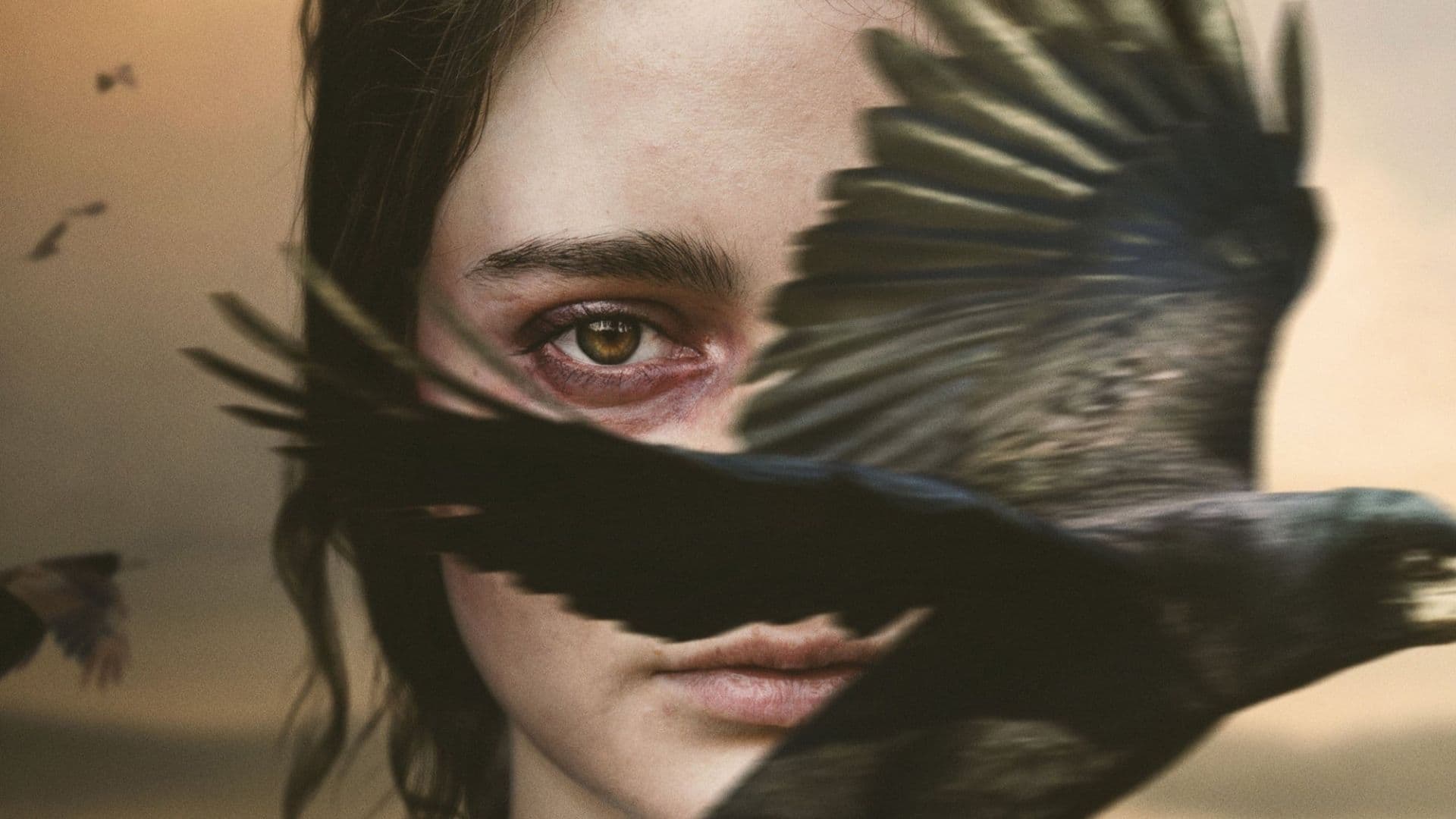
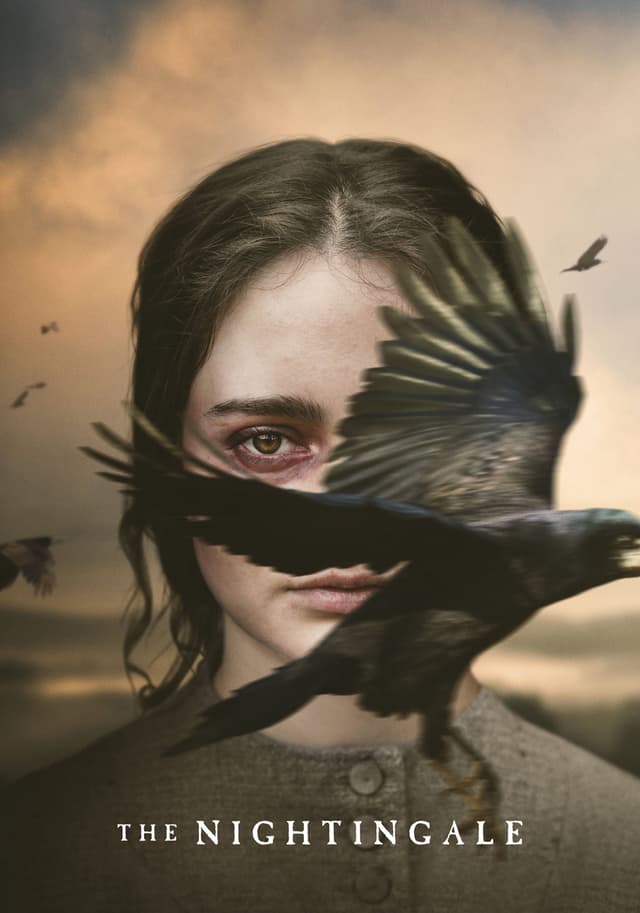
1825, Tasmania. Clare, a young Irish convict woman, chases a British officer through the rugged wilderness, bent on revenge for the horrific violence he and his soldiers committed against her family. She enlists the help of Aboriginal tracker Billy, who has his own scores to settle with the colonial military. A period revenge story set in the brutal early years of the Tasmanian colony.
What Is the Budget of The Nightingale (2018)?
The Nightingale (2018), written and directed by Jennifer Kent, was produced on a reported budget of approximately $9,500,000 AUD (roughly $7,000,000 USD), with industry reporting placing the total all-in cost between $7,000,000 and $10,000,000 USD once Tasmanian incentives and post-production were factored in. The film was financed through a partnership between Causeway Films (Sam Jennings, Kristina Ceyton), Bron Studios, Screen Australia, Screen Tasmania, and the Adelaide Film Festival Investment Fund. IFC Films acquired North American distribution rights, with Transmission Films handling Australian release.
The investment reflected the Australian prestige-cinema tier of the late 2010s. Director Jennifer Kent, coming off the worldwide breakout of The Babadook (2014), used her director's leverage to mount a period-set 1825 colonial Tasmania revenge story shot largely on remote Tasmanian wilderness locations. The budget allocation centered on cinematography under difficult exterior conditions, period-accurate costume and production design, a small but recognizable ensemble led by Aisling Franciosi and Sam Claflin, and extensive Aboriginal cultural consultancy work with the Palawa (Tasmanian Aboriginal) community.
Key Budget Allocation Categories
The Nightingale's reported $7,000,000 to $10,000,000 USD budget was distributed across several core production areas:
- Above-the-Line Talent: Director Jennifer Kent received writer and director fees plus a producer credit, with leverage from The Babadook's critical and commercial success. Lead Aisling Franciosi (Game of Thrones, The Fall) and Sam Claflin (The Hunger Games, Me Before You) commanded mid-tier feature rates appropriate to their international visibility. First-time feature lead Baykali Ganambarr, a Yolŋu performer, received scale appropriate to a co-lead role anchoring the film's Aboriginal Australian perspective.
- Tasmanian Location Shoot: Principal photography took place across remote Tasmanian wilderness locations including dense rainforest, mountain passes, and 19th-century colonial settler-era settings. Difficult terrain, unpredictable weather, and the logistics of transporting cast, crew, and period horses through the Tasmanian bush drove location costs well above what a more accessible Australian shoot would have required.
- Aboriginal Cultural Consultancy: The film's representation of the 1825 Tasmanian colonial violence against the Palawa Aboriginal community required extensive consultation with Palawa elders, cultural advisors, and Yolŋu collaborators. Co-lead Baykali Ganambarr's casting, language coaching for spoken Palawa kani dialect, and on-set cultural protocols added meaningful below-line cost that distinguished the production from less considered period-piece practice.
- Period Costume and Production Design: Costume designer Margot Wilson dressed the ensemble in period-accurate 1825 British colonial military uniforms, civilian settler dress, and Aboriginal clothing of the era. Production designer Alex Holmes built or sourced colonial Tasmanian buildings, military encampments, and bush-track set dressing.
- Cinematography: Radek Ladczuk, who shot The Babadook, returned for The Nightingale and worked with Jennifer Kent on a distinctive 1.37:1 aspect-ratio composition. The Academy ratio choice required custom optical lensing and added complexity to the location-heavy production. Multiple-camera coverage of major set pieces extended consumable and crew costs.
- Score and Sound Design: Composer Jed Kurzel (The Babadook, Macbeth) returned with an orchestral and choral score built around English and Aboriginal vocal motifs. Sound design under field conditions in dense Tasmanian rainforest required extensive on-set sound recording and additional foley and ADR sessions during post-production.
How Does The Nightingale's Budget Compare to Similar Films?
At a reported $7,000,000 to $10,000,000 USD, The Nightingale sits within the Australian prestige-cinema tier of the late 2010s. The comparison set illustrates the budget context:
- The Babadook (2014): Budget $2,000,000 AUD | Worldwide $10,300,000. Jennifer Kent's breakout debut feature operated at roughly one-fifth The Nightingale's budget and earned a worldwide multiple that opened the financing path for the second film.
- Sweet Country (2017): Budget undisclosed (estimated $4,000,000 to $6,000,000 USD) | Worldwide $3,800,000. Warwick Thornton's contemporaneous Australian period film about Aboriginal experience operates at a comparable budget tier and offers the closest direct creative comparison.
- Mad Max: Fury Road (2015): Budget $150,000,000 | Worldwide $379,500,000. George Miller's Australian-made studio tentpole demonstrates the wide-release ceiling Australian production can reach with global studio backing.
- The Witch (2015): Budget $4,000,000 | Worldwide $40,400,000. Robert Eggers's Sundance breakout period horror operates at roughly half The Nightingale's budget and earned ten times its budget worldwide, illustrating the upside arthouse-horror genre can achieve.
- Wind River (2017): Budget $11,000,000 | Worldwide $45,800,000. Taylor Sheridan's neo-Western about indigenous violence operates at a comparable budget and dramatic register.
The Nightingale Box Office Performance
The Nightingale premiered in competition at the 75th Venice International Film Festival on September 6, 2018, where it won the Special Jury Prize and the Marcello Mastroianni Award for Baykali Ganambarr. The film opened theatrically in Australia on August 29, 2019 through Transmission Films and grossed approximately A$1,800,000 (roughly $1,200,000 USD). IFC Films opened the film in North America on August 2, 2019, where it grossed $629,907 across a limited platform release in 75 theaters at peak.
Against a reported production budget of $7,000,000 to $10,000,000 USD, the film's commercial framework was the prestige festival circuit rather than mass theatrical recoupment. Here is the financial breakdown:
Box Office Breakdown
The Nightingale

Australian prestige-cinema financing depends on Screen Australia and state agency grants, broadcast pre-sales, and the prestige value of festival awards rather than theatrical box office. The Nightingale's Venice Special Jury Prize and IFC Films acquisition secured its arthouse positioning across North American, UK, and continental European theatrical and streaming markets.
The film's commercial performance was constrained by its difficult subject matter, including multiple explicit sexual-violence sequences that triggered controversy and walkouts at the 2018 Sydney Film Festival press screenings. The walkouts and resulting press attention shaped the marketing campaign through 2019 and limited the film's wider audience reach despite its acclaim.
The Nightingale Production History
Jennifer Kent began developing The Nightingale immediately after the global release of The Babadook in 2014, conceiving the project as a thematic and tonal departure that would address colonial violence and revenge through a 19th-century period frame. The screenplay developed through 2015-2016 and centered on Clare, a young Irish convict woman in colonial Van Diemen's Land (Tasmania) who pursues a British military officer through the wilderness after he commits acts of horrific violence against her family.
Kent partnered with Causeway Films (Sam Jennings, Kristina Ceyton, who had produced The Babadook), and the team assembled a co-financing package with Bron Studios, Screen Australia, Screen Tasmania, and the Adelaide Film Festival Investment Fund. Aboriginal cultural consultancy was integral from script stage, with Kent working closely with Palawa elders, language coaches, and Aboriginal cultural advisors throughout development. Yolŋu performer Baykali Ganambarr was cast as Billy, a Palawa tracker who guides Clare through the Tasmanian wilderness.
Principal photography ran for approximately 12 weeks across late 2017 and early 2018 in Tasmania, with Screen Tasmania providing significant location support. Shooting locations included remote bush settings, mountain passes, period-accurate colonial encampments, and rainforest interiors. The production utilized the Tasmanian state-level film incentive program and the broader Australia federal Producer Offset rebate. Difficult terrain and unpredictable Tasmanian weather extended the schedule and contributed to the budget level.
Post-production began in mid-2018 with editor Simon Njoo, and the film premiered in competition at the 75th Venice International Film Festival on September 6, 2018. The Venice premiere drew immediate controversy over the film's explicit sexual-violence sequences, with reports of walkouts and one Italian critic shouting an anti-Australian slur at the press screening. The controversy shaped the film's subsequent festival and theatrical positioning through 2019.
Awards and Recognition
The Nightingale received significant international awards recognition. The film won the Special Jury Prize at the 75th Venice International Film Festival in 2018, and Baykali Ganambarr received the Marcello Mastroianni Award for Best Young Actor at the same festival. The film also won six Australian Academy of Cinema and Television Arts (AACTA) Awards in 2019, including Best Film, Best Direction (Jennifer Kent), Best Original Screenplay (Jennifer Kent), and Best Lead Actress (Aisling Franciosi).
Additional recognition came from the Australian Film Critics Association, which named the film Best Film of 2019, and from multiple international critics circles. Aisling Franciosi and Baykali Ganambarr drew Best Lead Actor nominations from the British Independent Film Awards. The film did not engage with the major American precursor awards (Oscars, Golden Globes, BAFTAs) in any category, consistent with the limited recognition Australian prestige cinema typically receives in North American awards bodies.
Critical Reception
The Nightingale received broadly positive reviews. The film holds a 90% approval rating on Rotten Tomatoes based on 217 critic reviews with an average score of 8.0 out of 10, with the critical consensus calling it "an unflinchingly brutal revenge thriller that brings Jennifer Kent's sophomore feature to incendiary life." On Metacritic, the film scored 73 out of 100, indicating generally favorable reviews. Audience response was more polarized, with viewers split between those who praised the film as essential viewing and those who found the violence overwhelming.
Critics broadly praised the cinematography by Radek Ladczuk, the lead performances by Aisling Franciosi and Baykali Ganambarr, and the film's unflinching engagement with Australian colonial history. The Guardian's Peter Bradshaw called it "a film of jagged, blistering power," and The New York Times's Manohla Dargis described it as "a fierce, complicated work that demands its audience's commitment." Variety's Owen Gleiberman noted that Kent had "transformed her horror sensibility into something even more confronting: a period reckoning with white settler violence."
Significant debate surrounded the film's depiction of sexual violence. The Hollywood Reporter's David Rooney argued that the film's explicit early sequences were "morally serious but punishingly difficult to watch," while Slate's Inkoo Kang and the Sight & Sound critical roundtable defended the choices as necessary to the film's political project. Walkouts at the 2018 Sydney Film Festival and the Venice press screening shaped subsequent festival programming considerations and informed IFC Films' content-warning marketing campaign.
Frequently Asked Questions
How much did it cost to make The Nightingale (2018)?
The reported production budget was approximately $9,500,000 AUD (roughly $7,000,000 USD), with industry reporting placing the total all-in cost between $7,000,000 and $10,000,000 USD once Tasmanian incentives and post-production were factored in. Causeway Films, Bron Studios, Screen Australia, Screen Tasmania, and the Adelaide Film Festival Investment Fund co-financed the production.
Who directed The Nightingale?
Jennifer Kent wrote and directed the film, her second feature after the 2014 worldwide breakout of The Babadook. Kent worked closely with Palawa Tasmanian Aboriginal cultural advisors and Yolŋu collaborators throughout development and production.
Where was The Nightingale filmed?
Principal photography ran for approximately 12 weeks across late 2017 and early 2018 in Tasmania, with Screen Tasmania providing significant location support. Shooting locations included remote bush settings, mountain passes, period-accurate colonial encampments, and rainforest interiors. The production utilized the Tasmanian state-level film incentive and the Australian federal Producer Offset.
Did The Nightingale win awards at Venice?
Yes. The film won the Special Jury Prize at the 75th Venice International Film Festival in 2018, and Baykali Ganambarr received the Marcello Mastroianni Award for Best Young Actor at the same festival. The film also won six AACTA Awards in 2019, including Best Film, Best Direction, Best Original Screenplay, and Best Lead Actress.
Who stars in The Nightingale?
Aisling Franciosi (Game of Thrones, The Fall) stars as Clare, with Sam Claflin (The Hunger Games) as British officer Hawkins, and first-time feature lead Baykali Ganambarr, a Yolŋu performer, as the Palawa Aboriginal tracker Billy. Damon Herriman, Harry Greenwood, and Ewen Leslie appear in supporting roles.
Why was The Nightingale controversial?
The film's explicit sexual-violence sequences in the opening third triggered walkouts at the 2018 Sydney Film Festival and the Venice press screening, with one Italian critic reportedly shouting an anti-Australian slur during the Venice screening. The controversy shaped the film's subsequent festival and theatrical positioning and informed IFC Films' content-warning marketing campaign for the 2019 release.
Is The Nightingale historically accurate?
The film is set in 1825 colonial Van Diemen's Land (now Tasmania) and dramatizes the documented British military violence against Irish convicts and against the Palawa Aboriginal community of Tasmania during the "Black War" colonial conflict. The film is a fictional revenge story but the historical setting, the convict system, and the genocidal colonial violence depicted are based on documented history. Jennifer Kent worked extensively with Palawa elders and cultural advisors throughout development.
How did The Nightingale perform at the box office?
The film opened in Australia on August 29, 2019 through Transmission Films and grossed approximately A$1,800,000 (roughly $1,200,000 USD). IFC Films opened the film in North America on August 2, 2019, where it grossed $629,907 across a limited platform release in 75 theaters at peak. Total worldwide theatrical was approximately $2,460,000.
What did critics think of The Nightingale?
The film received broadly positive reviews, with a 90% Rotten Tomatoes approval based on 217 reviews (8.0 average) and a 73 out of 100 score on Metacritic. Critics broadly praised the cinematography by Radek Ladczuk, the lead performances, and the film's unflinching engagement with Australian colonial history, while debate continued over the depiction of sexual violence.
How does The Nightingale compare to The Babadook?
The Babadook (2014) was Jennifer Kent's debut, made on a $2,000,000 AUD budget and earning $10,300,000 worldwide on the festival circuit and arthouse theatrical. The Nightingale was made on roughly five times the budget, drew greater festival and AACTA awards recognition, but earned a comparable arthouse theatrical gross due to the difficult subject matter and limited platform release.
Filmmakers
The Nightingale

Official Trailer
Build budgets like this one in Saturation
Start from an industry-standard feature film template, import the schedule and rates you already have, and let the cost report keep itself current as you spend. Real-time collaboration, no spreadsheets.