The Great Gatsby Budget
 DramaRomance2h 23m
Updated
Synopsis
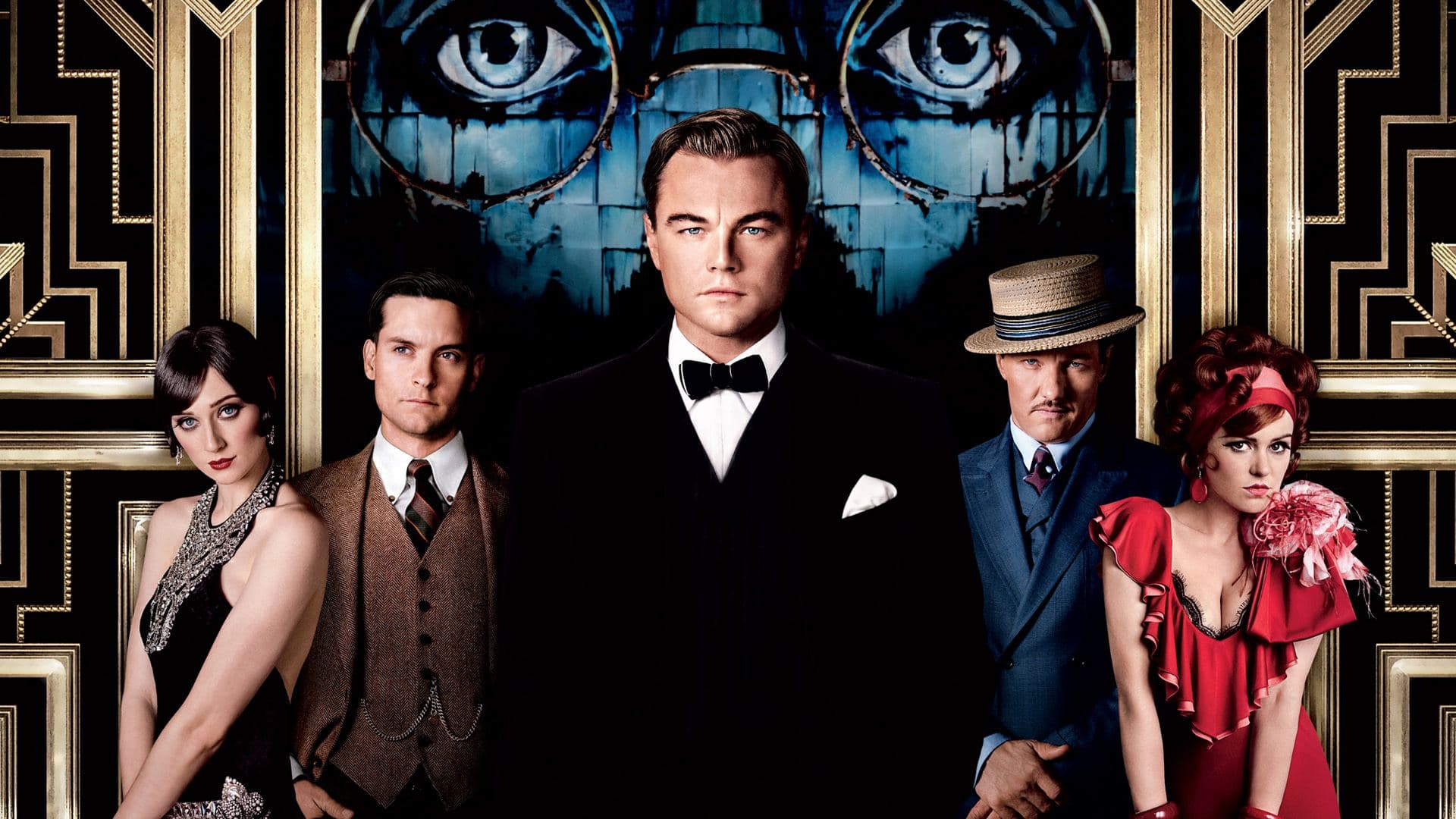
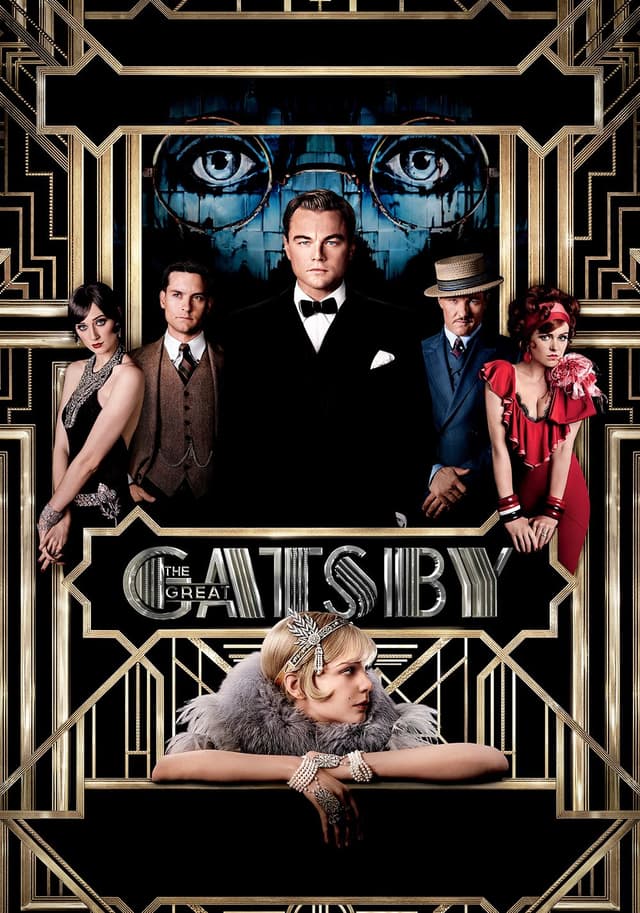
Would-be writer Nick Carraway leaves the Midwest and comes to New York City in the spring of 1922, an era of loosening morals, glittering jazz, bootleg kings, and sky-rocketing stocks. Chasing his own American Dream, Nick lands next door to a mysterious, party-giving millionaire, Jay Gatsby, and across the bay from his cousin, Daisy, and her philandering, blue-blooded husband, Tom Buchanan. It is thus that Nick is drawn into the captivating world of the super rich, their illusions, loves and deceits. As Nick bears witness, within and without of the world he inhabits, he pens a tale of impossible love, incorruptible dreams and high-octane tragedy.
What is the budget of The Great Gatsby?
"The Great Gatsby," a drama released in 2013, was directed by Baz Luhrmann and stars Leonardo DiCaprio, Tobey Maguire. The production budget was $105,000,000, placing it in the high-budget range for drama productions of its era.
Key Budget Allocation Categories
While specific budget breakdowns are not publicly available, typical cost drivers for a drama production like this include:
- Above-the-Line Talent: Drama films live or die on the strength of their performances.
- Location Filming & Period Production Design: Authentic locations , whether contemporary or historical , require scouting, permits, travel, lodging, and often significant dressing to match the story's time period.
- Post-Production, Color Grading & Score: The editorial process for dramas is typically longer than genre films, with careful attention to pacing and tone.
What were the major cost factors in The Great Gatsby?
Several factors contributed to the overall production costs of "The Great Gatsby."
- Above-the-Line Talent: Above-the-Line Talent is one of the primary cost drivers in drama productions of this scale.
- Location Filming: Location Filming & Period Production Design is one of the primary cost drivers in drama productions of this scale.
- Post-Production: Post-Production, Color Grading & Score is one of the primary cost drivers in drama productions of this scale.
How Does The Great Gatsby's Budget Compare to Similar Films?
At $105,000,000, The Great Gatsby sits in the high-budget range. Here is how it compares to productions with a similar budget:
- 10,000 BC (2008): Budget $105,000,000, Worldwide Gross $269,784,201
- Gravity (2013): Budget $105,000,000, Worldwide Gross $723,192,705
- Ice Age: Collision Course (2016): Budget $105,000,000 , Gross $408,579,038
- The Princess and the Frog (2009): Budget $105,000,000, Worldwide Gross $270,997,378
- The Smurfs 2 (2013): Budget $105,000,000, Worldwide Gross $347,434,178
The median budget for wide-release drama films in the 2010s ranges from $30 to 80M for mid-budget to $150M+ for tentpoles.
The Great Gatsby Box Office Performance
"The Great Gatsby" earned $144,857,996 domestically and $351,040,419 worldwide at the box office. Against a production budget of $105,000,000, the film performed strongly at the box office.
A film typically needs to earn approximately twice its production budget to cover marketing and distribution costs. For "The Great Gatsby," that break-even threshold was roughly $210,000,000. With worldwide earnings of $351,040,419, the film cleared that threshold comfortably.
Box Office Breakdown
The Great Gatsby

At 234.3%, "The Great Gatsby" earned roughly $3.34 for every $1 invested in production.
Awards and Recognition
Won 2 Oscars. 51 wins & 86 nominations total
- AACTA Award for Best Editing
- AACTA Award for Best Adapted Screenplay
- AACTA Award for Best Cinematography
- AACTA Award for Best Actor in a Leading Role: Leonardo DiCaprio
- Academy Award for Best Costume Design: Catherine Martin (86th Academy Awards)
- AACTA Award for Best Actor in a Supporting Role: Joel Edgerton
- AACTA Award for Best Sound
- AACTA Award for Best Original Music Score: Craig Armstrong
Frequently Asked Questions
How much did it cost to make The Great Gatsby (2013)?
The production budget was $105,000,000, covering principal photography, cast and crew salaries, locations, sets, post-production, and music. Marketing and distribution (P&A) costs are estimated at an additional $52,500,000 - $84,000,000, bringing the total studio investment to approximately $157,500,000 - $189,000,000.
How much did The Great Gatsby (2013) earn at the box office?
The Great Gatsby grossed $144,857,996 domestic, $206,182,423 international, totaling $351,040,419 worldwide.
Was The Great Gatsby (2013) profitable?
Yes. Against a production budget of $105,000,000 and estimated total costs of ~$262,500,000, the film earned $351,040,419 theatrically - a 234% ROI on production costs alone.
What were the biggest costs in producing The Great Gatsby?
The primary cost drivers were above-the-line talent (Leonardo DiCaprio, Tobey Maguire, Carey Mulligan); talent compensation, authentic period production design, and meticulous post-production; international production across United States of America, Australia.
How does The Great Gatsby's budget compare to similar drama films?
At $105,000,000, The Great Gatsby is classified as a big-budget production. The median budget for wide-release drama films in the 2010s ranges from $30 - 80M for mid-budget to $150M+ for tentpoles. Comparable budgets: 10,000 BC (2008, $105,000,000); Gravity (2013, $105,000,000); Ice Age: Collision Course (2016, $105,000,000).
Did The Great Gatsby (2013) go over budget?
There are no widely reported accounts of significant budget overruns for this production. However, studios rarely disclose precise budget overrun figures publicly. The reported production budget reflects the final estimated cost.
What was the return on investment (ROI) for The Great Gatsby?
The theatrical ROI was 234.3%, calculated as ($351,040,419 − $105,000,000) ÷ $105,000,000 × 100. This measures gross revenue against production budget only - it does not account for P&A or exhibitor shares.
What awards did The Great Gatsby (2013) win?
Won 2 Oscars. 51 wins & 86 nominations total.
Who directed The Great Gatsby and who were the key crew members?
Directed by Baz Luhrmann, written by Baz Luhrmann, Craig Pearce, shot by Simon Duggan, with music by Craig Armstrong, edited by Matt Villa, Jason Ballantine.
Where was The Great Gatsby filmed?
The Great Gatsby was filmed in United States of America, Australia.
Filmmakers
The Great Gatsby

Official Trailer
Build budgets like this one in Saturation
Start from an industry-standard feature film template, import the schedule and rates you already have, and let the cost report keep itself current as you spend. Real-time collaboration, no spreadsheets.