
The Great Flood Budget
 Science FictionAdventureDrama1h 47m
Updated
Synopsis
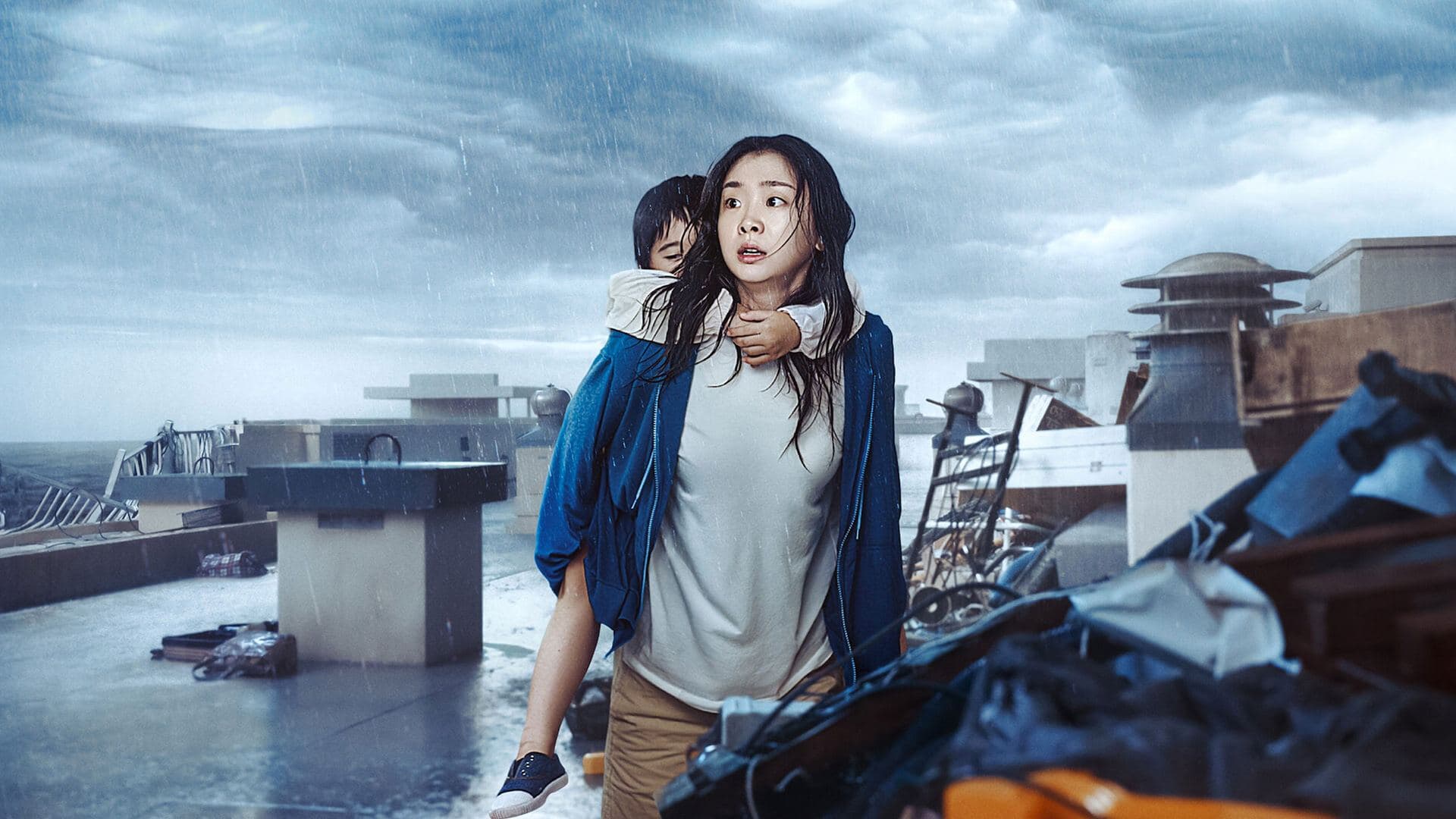
In a near-future climate-disaster scenario, a researcher and her young son are trapped in a Seoul rapidly submerged by an unprecedented rising flood. A call to a crucial mission puts their escape and the future of humanity on the line as she must navigate the drowning city to save more than her family.
What Is the Budget of The Great Flood (2025)?
The Great Flood (2025), directed by Kim Byung-woo, was produced on an undisclosed budget consistent with upper-tier Korean disaster-thriller spending, estimated in the KRW ₩20,000,000,000 to ₩30,000,000,000 range (approximately USD $15,000,000 to $22,000,000 at 2024-2025 exchange rates). The exact figure has not been confirmed by production company Hwansang Studio Seoul or the Korean theatrical distributor. The Korean disaster genre has historically operated at this budget level for major releases including Tidal Wave (2009), The Tower (2012), and Pandora (2016).
The budget reflected the demands of a city-scale water-disaster spectacle requiring extensive practical water tank work, virtual production, and VFX-heavy flood sequences across recognizable Seoul landmarks. The film falls into the Korean studio system's "tentpole disaster" tier, distinct from mid-budget Korean thriller production and well below the K-blockbuster ceiling occupied by titles like The Roundup franchise.
Key Budget Allocation Categories
The Great Flood's budget reflects the demands of a city-scale climate-disaster spectacle:
- Above-the-Line Talent: Kim Da-mi (The Witch: Part 1, Itaewon Class) and Park Hae-soo (Squid Game, Narco-Saints) commanded marquee Korean star rates. Director Kim Byung-woo, known for The Terror Live (2013), took a senior-director's rate. Co-stars Kwon Eun-seong, Jeon Hye-jin, Park Byung-eun, and Lee Hak-ju filled out the ensemble at scale.
- Water-Tank and Practical Effects: The film required dedicated water-tank facilities for submerged-Seoul sequences, controlled-flood gags, and underwater principal photography. Korean practical-effects houses, augmented by international tank rental, drove a substantial share of the below-the-line budget. Practical water work remains one of the most expensive department lines in any disaster feature.
- Visual Effects: Extensive CG flood, environment, and skyline-destruction work was assigned to a combination of Korean VFX houses and overseas vendors. The film's scale (city-wide submersion across major Seoul landmarks) drove total VFX shot counts into the high hundreds, with the corresponding render and compositing investment.
- Seoul Location Shooting: Principal photography included substantial Seoul location work for pre-disaster establishing material and ground-level evacuation sequences. The production leveraged the Seoul Film Commission's production support and Korea's national film-industry incentive programs.
- Production Design: Production designer team built submerged-interior set pieces, vehicle-disaster gags, and rescue-craft interiors. The contrast between pre-disaster civilian Seoul and the post-flood drowning city required two parallel production-design tracks.
- Score and Sound: Composer Lee Jun-oh delivered an orchestral disaster-film score with electronic textures supporting the climate-anxiety subtext. The sound department invested in immersive water-effect mixing for Korean theatrical Dolby Atmos delivery.
How Does The Great Flood's Budget Compare to Similar Films?
At an estimated USD $15,000,000 to $22,000,000, The Great Flood sits in the upper-tier Korean disaster-spectacle band. The comparison set illustrates the budget context:
- Tidal Wave (2009): Budget approximately $14,000,000 | Worldwide $73,000,000. Yoon Je-kyoon's Busan tsunami disaster film operated at a slightly lower budget tier and earned a strong domestic Korean multiple, becoming one of the highest-grossing Korean films of its year.
- Pandora (2016): Budget approximately $13,500,000 | Worldwide $32,000,000. Park Jung-woo's nuclear-plant disaster film operated in roughly the same budget tier and earned a substantial Korean domestic gross plus international Netflix licensing.
- Concrete Utopia (2023): Budget approximately $20,000,000 | Worldwide $54,000,000. Um Tae-hwa's post-earthquake Seoul thriller operated at the same upper-tier Korean disaster-spectacle level and provided a recent reference for the financial expectations of this kind of release.
- Exit (2019): Budget approximately $7,500,000 | Worldwide $73,000,000. Lee Sang-geun's Seoul rooftop disaster comedy operated at less than half the budget of The Great Flood and earned an exceptional theatrical multiple.
The Great Flood Box Office Performance
The Great Flood released in Korean theaters in mid-2025. Korean box office data is reported by the Korean Film Council (KOFIC), but as of the 2026 reporting period, definitive final-run worldwide totals had not been fully consolidated across international territories. The film was a major Korean summer-tentpole release and benefited from the Korean disaster-spectacle audience that has reliably supported the genre over the past two decades.
The financial breakdown below outlines the available data for a tentpole Korean disaster release at this budget tier:
Box Office Breakdown
The Great Flood

Korean disaster-tentpole films at this budget tier typically recoup primarily through domestic Korean theatrical gross, with significant additional revenue from China, Southeast Asia, and the international streaming licensing market. Netflix, Disney+, and U-Next have all licensed comparable Korean disaster releases for streaming territories outside Korea over the past five years.
Industry coverage at release positioned The Great Flood as one of the major Korean theatrical tentpoles of its release window, with the climate-anxiety subtext giving the film thematic resonance that distinguished it from earlier Korean disaster releases focused on more contained scenarios (skyscraper fires, nuclear accidents, regional flooding).
The Great Flood Production History
Kim Byung-woo developed The Great Flood concept with co-writer Han Ji-su, building on his previous work in contained-thriller and disaster-adjacent territory including The Terror Live (2013). The script combined climate-disaster scenario with personal-rescue narrative, anchoring the city-scale catastrophe in a single mother-child story typical of Korean disaster-film structure.
Principal photography took place primarily in South Korea in 2023 and 2024, including extensive Seoul location work and dedicated water-tank shooting at Korean and overseas tank facilities. The production leveraged the Korean Film Council production-grant framework and the Seoul Film Commission's location-support infrastructure that has anchored the Korean disaster-tentpole pipeline for more than 15 years.
Post-production extended into early 2025 to accommodate the high VFX shot count and immersive sound mixing required for Korean theatrical Dolby Atmos delivery. The film released in Korean theaters in mid-2025 with international rollout following through the back half of 2025 and into 2026.
Awards and Recognition
The Great Flood was a recent enough release at the time of this writing that the Korean awards-season conversation around it was still developing. Korean technical-craft awards (the Blue Dragon Film Awards, the Grand Bell Awards, and the Korean Film Critics Association Awards) typically recognize disaster-tentpole craft elements in the visual-effects, sound, and production-design categories, and The Great Flood is expected to feature in those conversations.
Kim Da-mi's lead performance received early critical attention in Korean press, and director Kim Byung-woo received Best Director discussion in early Korean precursor coverage. Final Korean awards results for the 2025 cycle had not been fully consolidated as of this reporting.
Critical Reception
The Great Flood received generally positive reviews from Korean critics, with international English-language critical coverage continuing to develop as the film rolled out internationally. Korean review aggregators showed strong domestic critical support for the film's climate-anxiety thematic engagement and Kim Da-mi's lead performance.
Korean critics praised the film's production scale, the practical-water effects work, and the way Kim Byung-woo balanced city-scale spectacle with the more intimate mother-child rescue narrative. Korean genre publication Cine21 noted that the film "delivers the spectacle Korean disaster-film audiences expect while finding space for the emotional and political stakes the climate-disaster premise demands."
Detractors flagged some structural conventions familiar from earlier Korean disaster releases and argued that the supporting cast was less developed than the two leads. Korean critic-circle discussion through late 2025 framed the film as a strong continuation of the Korean disaster-tentpole tradition rather than a major departure from it. The consensus, including from those critics, was that the film delivered one of the most ambitious Korean disaster spectacles of the past several years.
Frequently Asked Questions
How much did The Great Flood (2025) cost to make?
The exact production budget has not been publicly disclosed. Industry estimates place it in the KRW ₩20,000,000,000 to ₩30,000,000,000 range, equivalent to approximately USD $15,000,000 to $22,000,000 at 2024-2025 exchange rates. This is consistent with upper-tier Korean disaster-tentpole spending.
Who directed The Great Flood (2025)?
Korean filmmaker Kim Byung-woo directed the film. He is best known for The Terror Live (2013), a contained-thriller about a radio host receiving a bomber call on air. He co-wrote The Great Flood with Han Ji-su.
Who stars in The Great Flood?
Kim Da-mi (The Witch: Part 1, Itaewon Class) leads as the researcher protagonist, with Park Hae-soo (Squid Game, Narco-Saints) in a major role. The supporting cast includes Kwon Eun-seong, Jeon Hye-jin, Park Byung-eun, and Lee Hak-ju.
Where was The Great Flood filmed?
Principal photography took place primarily in South Korea, including extensive Seoul location work for the pre-disaster establishing sequences and dedicated water-tank shooting at Korean and overseas tank facilities. The production leveraged the Korean Film Council production-grant framework.
Is The Great Flood a Korean film?
Yes. It is a South Korean production directed by Kim Byung-woo, produced through Hwansang Studio Seoul, and theatrically released in Korea in 2025 before international rollout. The cast and crew are Korean.
What is The Great Flood about?
In a near-future climate-disaster scenario, a researcher and her young son are trapped in a Seoul rapidly submerged by an unprecedented rising flood. A call to a crucial mission puts their escape and the future of humanity on the line as she must navigate the drowning city to save more than her family.
How does The Great Flood compare to other Korean disaster films?
The film sits in the same upper-tier Korean disaster-tentpole band as Tidal Wave (2009, $14M budget), Pandora (2016, $13.5M), and Concrete Utopia (2023, $20M). The climate-anxiety subtext distinguishes it thematically from earlier entries in the Korean disaster genre.
How well did The Great Flood perform at the box office?
The film released in Korean theaters in mid-2025 as a major tentpole release. Definitive final-run worldwide totals had not been fully consolidated across international territories as of this reporting, but the film benefited from the established Korean disaster-spectacle audience that has reliably supported the genre.
Did The Great Flood win any awards?
Korean awards-season recognition for the film was still developing as of this reporting. Korean technical-craft awards (Blue Dragon, Grand Bell, Korean Film Critics Association) typically recognize disaster-tentpole craft elements in the visual-effects, sound, and production-design categories.
What did critics think of The Great Flood?
The film received generally positive reviews from Korean critics, with international English-language critical coverage continuing to develop as the film rolled out internationally. Korean critics praised the production scale, the practical-water effects, and the way director Kim Byung-woo balanced city-scale spectacle with the mother-child rescue narrative.
Filmmakers
The Great Flood

Official Trailer
Build budgets like this one in Saturation
Start from an industry-standard feature film template, import the schedule and rates you already have, and let the cost report keep itself current as you spend. Real-time collaboration, no spreadsheets.