The Cremator Budget
Updated
Synopsis
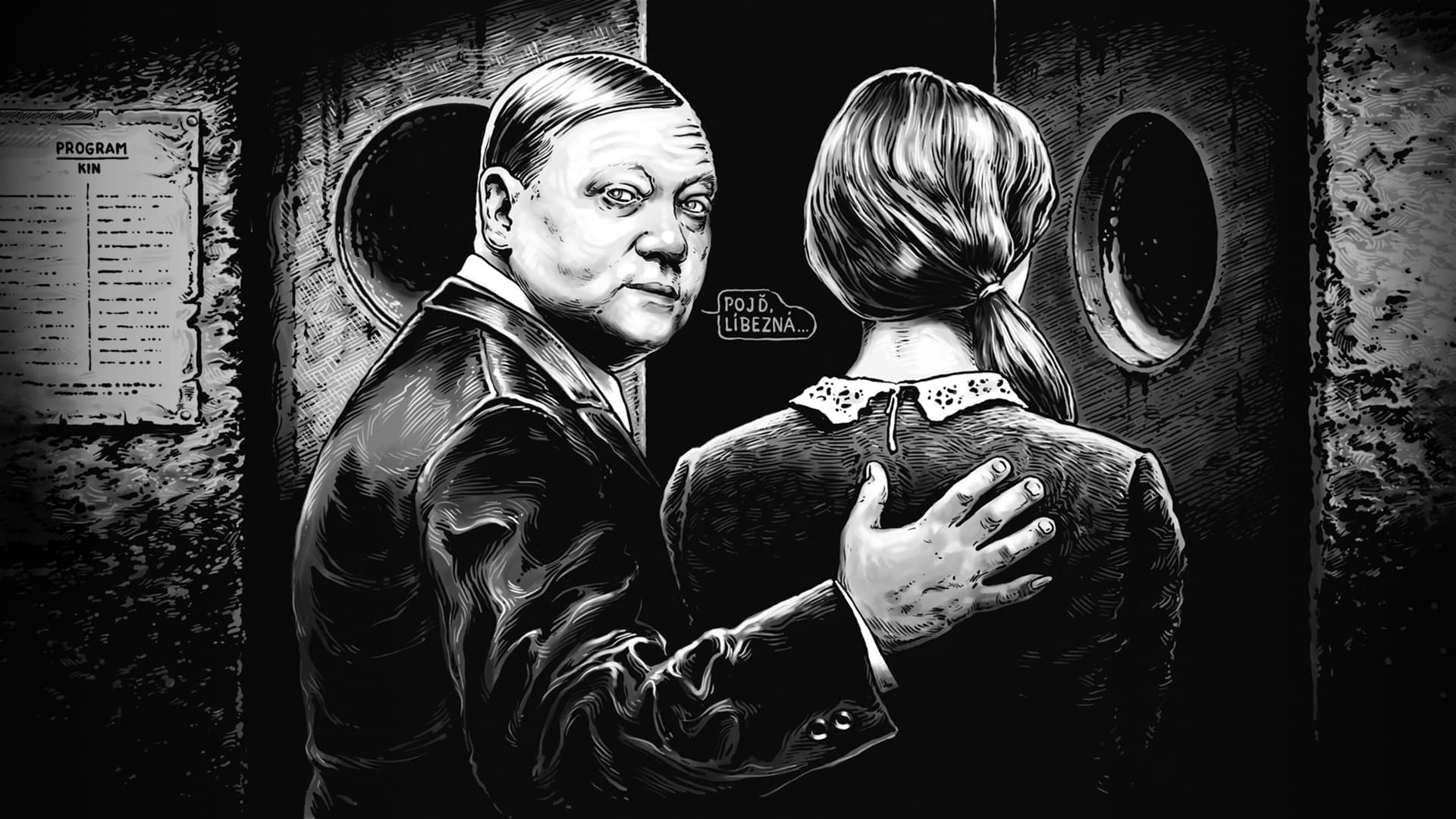
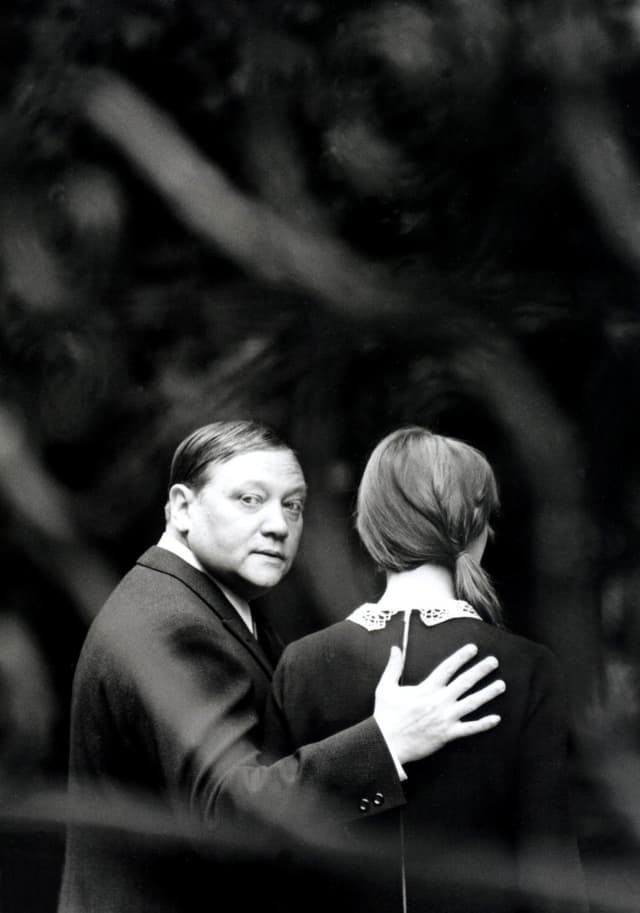
In 1930s Prague, a meticulous cremator named Karel Kopfrkingl reads Tibetan Buddhist texts and tells himself his work liberates souls into better lives. As the rising Nazi influence in Czechoslovakia plays to his hidden ambitions, he begins murdering his half-Jewish family while imagining a future overseeing the ovens at a death camp, the banality of his rationalizations becoming the film's coldest horror.
What Is the Budget of The Cremator (1969)?
The Cremator (Spalovač mrtvol, 1969), directed by Juraj Herz and produced by Filmové studio Barrandov, was made within the Czechoslovak state film system as part of the Czech New Wave era. As a state-funded production no Western-style production budget exists in publicly disclosed terms, but contemporaneous Barrandov Studios productions of the late 1960s typically operated on cost bases between 5 and 8 million Czechoslovak korun (the equivalent of approximately $300,000 to $500,000 at 1969 exchange rates), with state-employed cast and crew on salaries rather than per-project quotes.
The economics reflected the centralized Czechoslovak studio system: Barrandov Studios provided stages, equipment, and crew, while the Ministry of Culture approved the production through the Czechoslovak Film Department. Director Juraj Herz, screenwriter and source novelist Ladislav Fuks, and the cast and crew worked under state contracts. The film operated within the relative creative freedom of the brief Prague Spring period before the August 1968 Warsaw Pact invasion, and was completed in 1969 just as the door began closing on Czech New Wave production.
Key Budget Allocation Categories
The Cremator's state-allocated production resources were distributed across these areas:
- Above-the-Line Talent: Lead actor Rudolf Hrušínský, one of Czechoslovakia's most prominent stage and screen actors of the era, drew his salary through Barrandov Studios. Supporting performances by Vlasta Chramostová, Jana Stehnová, and Miloš Vognič were similarly compensated through the state actor pool. Director Juraj Herz's fee was set within the Barrandov director scale.
- Three Crematorium Locations: Principal photography occurred at three working crematorium locations: in Prague, Plzeň, and Pardubice. The Pardubice crematorium's distinctive 1920s architectural exteriors became iconic to the film's visual identity. Location work covered crematorium interiors, ceremonial halls, and the ovens themselves, requiring careful coordination with the operating facilities.
- Black-and-White Cinematography: Cinematographer Stanislav Milota persuaded director Herz to shoot the film in black and white rather than the color stock Herz initially preferred. The decision shaped the film's aesthetic identity and reduced film stock costs relative to color photography, while requiring expert exposure and grading work to deliver the high-contrast monochrome look.
- Production Design and Period 1930s Prague: The production reconstructed 1930s Prague through period costumes, vehicles, and dressing of existing Czechoslovak interiors. Production design budget covered the meticulous detail in the Kopfrkingl family apartment, the cremator's workplace, and the Nazi rally sequences that escalate the film's third act.
- Score and Sound Design: Composer Zdeněk Liška, one of Czechoslovak cinema's most prolific composers, scored the film. Liška's collaboration with Herz extended across multiple films, and his work on The Cremator integrated avant-garde electroacoustic elements with traditional orchestration. The sound design contributed substantially to the film's unsettling atmosphere.
- Post-Production Under Political Pressure: The film completed post-production in 1969 against the backdrop of the post-invasion Normalization period. The film was banned by Czechoslovak authorities shortly after release for what the regime deemed politically problematic content, and effectively withdrawn from circulation for two decades. The shortened domestic release window curtailed any commercial recovery within Czechoslovakia.
How Does The Cremator's Budget Compare to Similar Films?
Direct budget comparisons across the 1960s Czech New Wave are limited by the state-funded production model. The relevant comparisons are tonal and stylistic peers within the Czech New Wave and adjacent European art cinema:
- Closely Watched Trains (1966): Czechoslovak state production | Worldwide undisclosed (Academy Award winner for Best Foreign Language Film). Jiří Menzel's Czech New Wave classic operated on comparable Barrandov Studios resources and won the Academy Award for Best Foreign Language Film.
- Daisies (1966): Czechoslovak state production. Věra Chytilová's avant-garde feminist film is a closer formal comparison within the Czech New Wave's experimental wing.
- The Shop on Main Street (1965): Czechoslovak-Slovak co-production. Ján Kadár and Elmar Klos's Holocaust drama won the Academy Award for Best Foreign Language Film and is a thematic precedent for The Cremator's engagement with Czechoslovak Jewish history.
- Repulsion (1965): Budget approximately $200,000 (Roman Polanski, UK). The closest Western psychological horror comparison made within the same era operated at a comparable cost basis and similarly mined the descent into murderous psychosis.
- Persona (1966): Swedish state-supported production. Ingmar Bergman's contemporary European art-cinema masterpiece is an aesthetic peer in its formal ambition and psychological intensity.
The Cremator Box Office Performance
The Cremator received a limited Czechoslovak theatrical release in 1969 before being banned by the Normalization-era regime that consolidated power following the August 1968 Warsaw Pact invasion. The film's political and historical content, particularly its depiction of fascist sympathies and Nazi collaboration, was deemed unacceptable by the new authorities. Domestic distribution was withdrawn and the film effectively disappeared from Czechoslovak cinemas for the next two decades.
Box Office Breakdown
The Cremator

The film's commercial life began in earnest after the 1989 Velvet Revolution, when the post-communist Czech Republic restored access to suppressed Czech New Wave works. International festival retrospectives, art-house theatrical screenings, and home video releases through specialty distributors including Second Run (UK) and the Criterion Collection (US, 2020) have generated sustained revenue across the film's second life.
The Criterion Collection's 2020 4K restoration release brought The Cremator to its largest English-language audience to date, with home video sales, streaming licensing to The Criterion Channel, and festival retrospective programming extending the revenue tail. The film's commercial story is the inverse of the standard release pattern: a banned and forgotten initial release replaced over time by sustained art-house circulation.
The Cremator Production History
Development began in 1968 when director Juraj Herz adapted Ladislav Fuks' 1967 novel Spalovač mrtvol for Barrandov Studios. Herz, a Slovak director who had attended the same Prague film school class as Miloš Forman and Jiří Menzel but worked primarily outside the recognized Czech New Wave at that point, saw in the novel a vehicle for surrealist psychological horror grounded in the actual historical moment of 1930s Czechoslovak Nazi collaboration.
Rudolf Hrušínský was cast as Karel Kopfrkingl, the title cremator, after Herz determined that the role required a face the Czechoslovak audience already trusted from comedic and family roles. Hrušínský's gentle screen persona was deliberately weaponized against the character's creeping atrocity, with the actor delivering Kopfrkingl's rationalizations in the same tones he had used to play sympathetic protagonists in the 1950s and 1960s.
Principal photography ran in 1968 at three Czech crematoriums (Prague, Plzeň, and Pardubice) and at Barrandov Studios for interior work. Cinematographer Stanislav Milota argued for black-and-white photography over Herz's initial color preference, and the high-contrast monochrome work became central to the film's visual identity. Composer Zdeněk Liška delivered a score blending traditional orchestration with avant-garde electroacoustic elements.
The film completed post-production and received a limited Czechoslovak release in March 1969 before being withdrawn from circulation by Normalization-era cultural authorities. The Pardubice crematorium's use in the film led the building to be designated a National Cultural Monument by the Czech government decades later, in recognition of the film's cultural significance to Czech cinema. Herz continued working in Czechoslovakia and later in West Germany, but The Cremator remained his most internationally recognized work.
Awards and Recognition
The Cremator was selected as the Czechoslovak entry for the Best Foreign Language Film at the 42nd Academy Awards (1970) but was not nominated. The film won the Best Film award at the 1972 Festival de Cine de Sitges in Spain, where Rudolf Hrušínský won Best Actor and Stanislav Milota won Best Cinematography. The Sitges recognition placed the film firmly within the international art-horror canon at a time when it had been removed from circulation in its home country.
Subsequent recognition has accumulated through festival retrospectives and best-of-cinema list inclusions. The Czech and Slovak Film Critics Association ranked The Cremator among the greatest Czechoslovak films of all time, and the film maintains positions on multiple "best horror films" lists from international critics. The 2020 Criterion Collection 4K restoration and release marked the film's formal canonization within the English-language art-cinema repertoire.
The Pardubice crematorium featured in the film was designated a National Cultural Monument by the Czech Republic in subsequent decades, citing the building's significance both as a 1920s functionalist architectural landmark and as the location of one of Czech cinema's most important works. The dual designation is a rare instance of a film's cultural impact leading to formal preservation of its filming location.
Critical Reception
The Cremator has received overwhelming critical acclaim across its decades-long second life. The film holds an 89% approval rating on Rotten Tomatoes from 9 critics and maintains a 90.2% rating on the Czech-Slovak Film Database (ČSFD). The Criterion Collection released a 4K restoration in 2020, expanding the English-language critical conversation.
Critics have consistently framed the film as one of cinema's most trenchant portraits of the banality of evil. Roger Ebert's archive of essential foreign films included it, and Sight & Sound critics have repeatedly listed it in best-of-Czech-cinema selections. The New York Times' Glenn Kenny called the 2020 Criterion release "a long-overdue introduction to one of the most singular psychological horror films ever made," and The Guardian's Peter Bradshaw wrote that Hrušínský's central performance "ranks among the great screen depictions of self-justifying murderous evil."
Genre critics have placed The Cremator within the lineage of psychological horror connecting to Roman Polanski's Repulsion (1965) and prefiguring later films like Michael Haneke's The White Ribbon (2009). The film's engagement with Czechoslovak Holocaust history and Nazi collaboration has made it a recurring reference in Holocaust cinema scholarship. Its long ban, subsequent rediscovery, and elevation to canonical status have themselves become a frequently discussed example of how political suppression can shape cinematic legacy.
Frequently Asked Questions
How much did it cost to make The Cremator (1969)?
The Cremator was made within the state-funded Czechoslovak film system at Barrandov Studios, with no Western-style production budget disclosed. Contemporaneous Barrandov productions of the late 1960s typically operated on cost bases of approximately $300,000 to $500,000 in 1969 dollars, with state-employed cast and crew on salaries rather than per-project quotes.
Was The Cremator banned in Czechoslovakia?
Yes. The film received a limited Czechoslovak theatrical release in March 1969 before being banned by the Normalization-era regime that consolidated power following the August 1968 Warsaw Pact invasion. The political and historical content, particularly the depiction of fascist sympathies and Nazi collaboration, was deemed unacceptable. Domestic distribution was withdrawn for the next two decades.
Who directed The Cremator?
Juraj Herz, a Slovak filmmaker who had attended the same Prague film school class as Miloš Forman and Jiří Menzel, directed the film. Herz worked primarily outside the recognized Czech New Wave at that point but saw in Ladislav Fuks' novel a vehicle for surrealist psychological horror. He co-wrote the screenplay with Fuks.
Where was The Cremator filmed?
Principal photography took place at three working Czech crematoriums: in Prague, Plzeň, and Pardubice. The Pardubice crematorium's distinctive 1920s functionalist architectural exteriors became iconic to the film's visual identity and the building was subsequently designated a National Cultural Monument by the Czech Republic in recognition of its cultural significance.
Who plays the cremator in the film?
Rudolf Hrušínský, one of Czechoslovakia's most prominent stage and screen actors of the era, plays Karel Kopfrkingl. Director Juraj Herz cast Hrušínský deliberately for his gentle screen persona established through earlier comedic and family roles, weaponizing the actor's trustworthiness against the character's creeping atrocity.
Is The Cremator based on a novel?
Yes. The film is adapted from Ladislav Fuks' 1967 novel Spalovač mrtvol (The Cremator). Fuks co-wrote the screenplay with director Juraj Herz. Fuks was a major Czech postwar novelist whose work frequently engaged with the legacy of Czechoslovak Holocaust history and fascist collaboration.
Did The Cremator win any awards?
The film won Best Film at the 1972 Festival de Cine de Sitges in Spain, where Rudolf Hrušínský won Best Actor and Stanislav Milota won Best Cinematography. It was selected as the Czechoslovak entry for Best Foreign Language Film at the 42nd Academy Awards (1970) but was not nominated. The Pardubice crematorium location was later designated a National Cultural Monument by the Czech government.
Is The Cremator on the Criterion Collection?
Yes. The Criterion Collection released a 4K restoration of The Cremator in 2020, expanding the film's English-language audience and cementing its position in the art-cinema canon. The Criterion edition includes supplementary essays, interviews, and the film's composer Zdeněk Liška's archival score work.
What did critics think of The Cremator?
The film holds an 89% Rotten Tomatoes approval rating from 9 critics and maintains a 90.2% rating on the Czech-Slovak Film Database. Critics have consistently framed it as one of cinema's most trenchant portraits of the banality of evil. Hrušínský's central performance is widely cited as one of the great screen depictions of self-justifying murderous evil.
When was The Cremator released?
The film received a limited Czechoslovak theatrical release in March 1969 before being banned. International recognition began with the 1972 Sitges Festival awards. The film returned to broader circulation following the 1989 Velvet Revolution. The Criterion Collection 4K restoration was released in 2020, marking the film's formal canonization within the English-language art-cinema repertoire.
Filmmakers
The Cremator

Official Trailer
Build budgets like this one in Saturation
Start from an industry-standard feature film template, import the schedule and rates you already have, and let the cost report keep itself current as you spend. Real-time collaboration, no spreadsheets.