The Autopsy of Jane Doe Budget
 HorrorMystery1h 26m
Updated
Synopsis
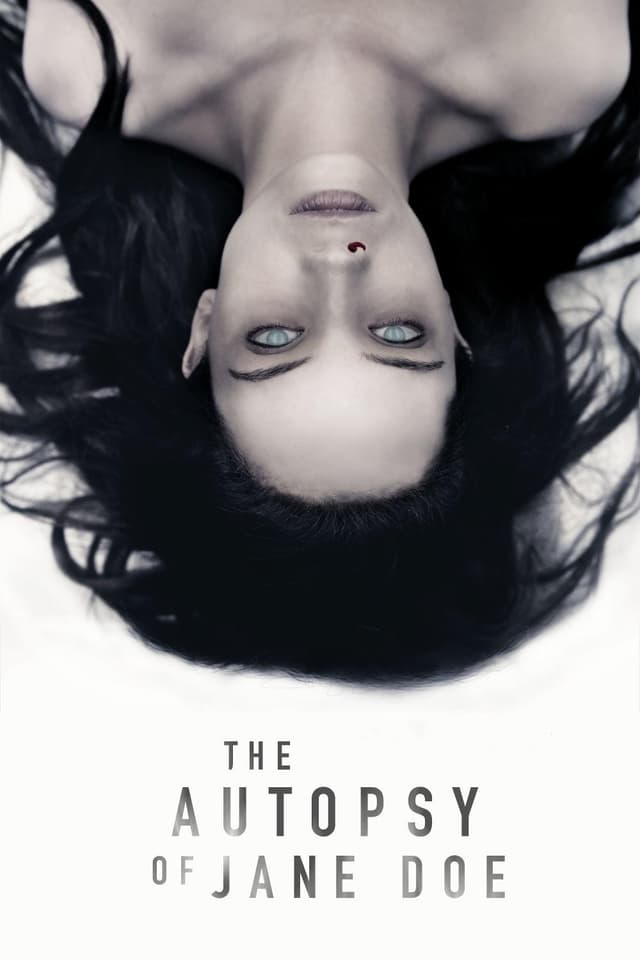
Father-and-son coroners Tommy and Austin Tilden receive the body of an unidentified young woman, Jane Doe, brought in late one night after she is recovered from the scene of a violent multiple homicide. As they perform the autopsy through the small hours, the increasingly impossible findings inside her body, paired with a series of escalating supernatural events in the basement morgue, force the Tildens to confront the terrifying secret of who Jane Doe was and what she has come to do.
What Is the Budget of The Autopsy of Jane Doe (2016)?
The Autopsy of Jane Doe (2016), directed by André Øvredal and distributed in the United States by IFC Midnight and in the United Kingdom by Lionsgate UK, was produced for an estimated production budget of approximately $1,000,000. Financed by Impostor Pictures, 42, and IM Global, the supernatural chamber-horror was Øvredal's first English-language feature following his 2010 Norwegian breakout Trollhunter, and the modest budget reflects both the contained single-location premise and the producers' preference for a tightly controlled indie genre package rather than a studio horror spend.
What the budget enabled was a craft-forward production built almost entirely inside a constructed morgue set in rural Kent, England, supported by a small ensemble led by Brian Cox and Emile Hirsch and a body-double performance from Olwen Catherine Kelly as the unnamed corpse at the center of the film. With effectively two principal locations and a four-week shoot, the producers concentrated spend on prosthetic and corpse effects, period set dressing, lighting design, and the layered sound work that drives the film's slow-burn dread rather than on visual effects or extensive cast fees.
Key Budget Allocation Categories
On a sub-$1.5 million package, the following lines absorbed the bulk of The Autopsy of Jane Doe's production spend:
- Practical Corpse and Prosthetic Effects: The unnamed Jane Doe body, which is dissected on screen across the running time, required full-body silicone casts of Olwen Catherine Kelly, multiple stages of internal organ builds, surgically accurate skin and tissue layers, and breakaway prosthetic limbs. Practical effects house Dynamic Designs and key makeup supervisor Daniel Phillips-Lebon delivered the corpse work that anchors every scene, which is the single most visible craft line on the production.
- Above-the-Line Talent: Brian Cox, Emile Hirsch, and Ophelia Lovibond carried the ensemble, with Michael McElhatton and Parker Sawyers in supporting law-enforcement roles. The relatively contained four-week shoot helped keep cast costs manageable, but Cox and Hirsch's scale alongside Øvredal's directing fee and the writers' compensation to Ian Goldberg and Richard Naing represented a meaningful share of the budget.
- Production Design and Morgue Set Build: Production designer Matt Gant constructed a working basement-morgue set on a stage at Three Mills Studios in London, complete with autopsy tables, refrigerated body drawers, period equipment, and the radio and elevator hardware that figure in the third act. The deliberately analogue, Edward Hopper-influenced look depended on real-world fabrication rather than digital extension, concentrating spend on physical set construction.
- Cinematography and Lighting Package: Cinematographer Roman Osin, known for Pride & Prejudice and Defiance, shot the film on a tight package emphasizing motivated practical sources, fluorescent overheads, and warm tungsten pools to define the morgue's geography. The lighting design is doing significant narrative work, so the camera and grip budget skewed toward instruments and grip rigging rather than exotic glass or specialty motion-control gear.
- Sound Design and Score: Composers Danny Bensi and Saunder Jurriaans, the team behind Enemy and The OA, delivered a low-frequency, string-driven score that lives in the negative space of the morgue. Sound designer and supervising editor Mark Coulier and the post-sound team built the layered foley of incisions, drawers, radio static, and the central bell motif. For a film this contained, sound is typically the second-largest craft expenditure after effects.
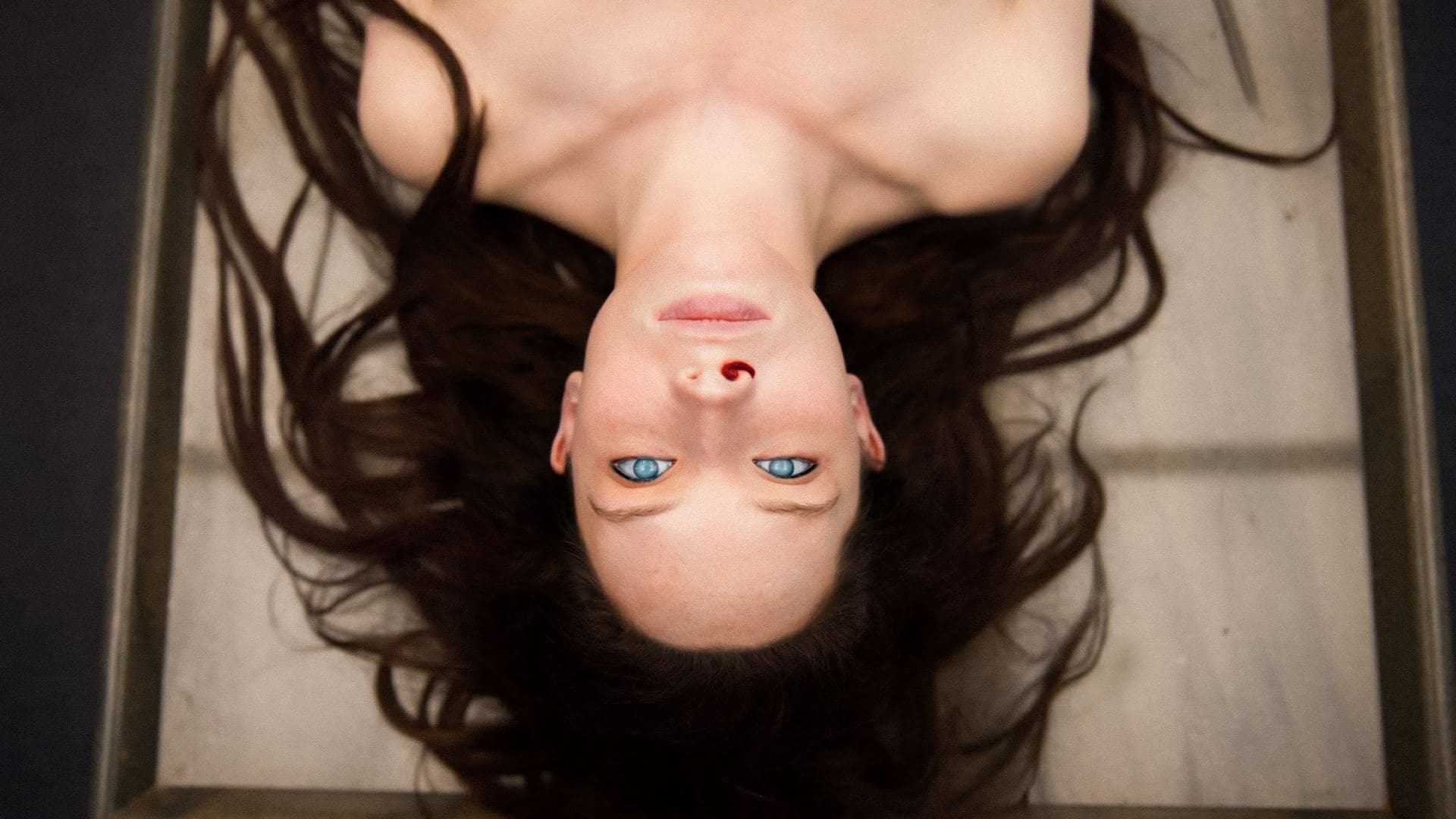
- Cast Acquisition for Olwen Catherine Kelly: The Irish model Olwen Catherine Kelly was cast specifically for her yoga background and ability to remain still for extended periods while nude on a slab. Coordinating a body-double-style performance with prosthetic appliques, internal device rigs, and lighting-safe positioning required dedicated rehearsal and on-set hair, makeup, and continuity attention that registered as a real budget line despite the role being non-speaking.
- UK Production Services and Tax Credit: Shooting in the United Kingdom through producers Ben Pugh and Rory Aitken's 42 alongside Fred Berger and Eric Garcia's Impostor Pictures gave the production access to the UK Film Tax Relief, a credit that returns a meaningful percentage of qualifying UK spend. The relief is one of the most-cited reasons mid-tier indie horror packages of this era routinely shot in England rather than North America.
- Festival Launch and Distribution Servicing: Toronto International Film Festival deliverables, the Sitges Catalan International Film Festival premiere package, IFC Midnight's December 21, 2016 limited US theatrical release, and Lionsgate UK's March 31, 2017 UK rollout each carried delivery and marketing costs separate from production. These typically sit outside the headline budget but were essential to the film's commercial life on VOD and home video.
How Does The Autopsy of Jane Doe's Budget Compare to Similar Films?
Placing The Autopsy of Jane Doe alongside other contained horror, debut English-language genre features, and André Øvredal's own filmography puts its scale into context:
- Trollhunter (2010): Budget $3,500,000 | Worldwide $4,200,000. Øvredal's Norwegian-language found-footage mockumentary cost roughly three to four times what The Autopsy of Jane Doe spent and earned a similar order-of-magnitude worldwide gross, illustrating how the director moved into English-language genre filmmaking at a tighter contained scale rather than a larger spectacle scale.
- Scary Stories to Tell in the Dark (2019): Budget $25,000,000 | Worldwide $104,500,000. Øvredal's follow-up at CBS Films with Guillermo del Toro producing operated at roughly twenty-five times the cost of The Autopsy of Jane Doe and grossed over a hundred million worldwide, the trajectory of a director who used a contained calling-card horror to graduate into studio releases.
- The Last Voyage of the Demeter (2023): Budget $45,000,000 | Worldwide $21,800,000. Øvredal's Dracula-mythology horror at Universal cost roughly forty-five times the Jane Doe budget and famously underperformed, with the comparison underscoring how much harder the math becomes when contained horror premises are inflated to studio spend.
- Saw (2004): Budget $1,200,000 | Worldwide $104,000,000. James Wan's breakout shared the contained, single-location, twist-driven blueprint that defines The Autopsy of Jane Doe and demonstrates the upside available to micro-budget horror when a high-concept premise connects with a wide audience, a ceiling Jane Doe did not reach theatrically but approached on home video.
- The Conjuring (2013): Budget $20,000,000 | Worldwide $319,500,000. James Wan's New Line release operated at twenty times the cost of The Autopsy of Jane Doe and grossed over fifty times its worldwide total, the studio horror counterexample that shows the spread between IFC Midnight indie horror and major-studio franchise horror in the same era.
- Cube (1997): Budget $375,000 | Worldwide $9,000,000. Vincenzo Natali's Canadian single-set sci-fi-horror is the closest structural ancestor to The Autopsy of Jane Doe, an extreme-low-budget genre piece that uses a confined location and an escalating mystery to generate dread, and a touchstone for contained horror programming budgeting.
The Autopsy of Jane Doe Box Office Performance
IFC Midnight opened The Autopsy of Jane Doe in a limited US theatrical run on December 21, 2016, with day-and-date video-on-demand availability through the distributor's standard release pattern. Lionsgate UK followed with a UK theatrical release on March 31, 2017. The release strategy was tailored to a niche supernatural-horror audience rather than a wide commercial push, and the film never expanded beyond a small theatrical footprint before pivoting to home viewing and streaming platforms.
The available financial breakdown:
Box Office Breakdown
The Autopsy of Jane Doe

At a reported worldwide theatrical gross of $6,170,043 against an estimated $1 million production budget, The Autopsy of Jane Doe returned roughly $6.17 for every $1 spent on production, a strong multiple by indie-horror standards even before VOD, home entertainment, and streaming revenue. The film grossed only $10,474 in its limited US theatrical run, with the worldwide total driven almost entirely by international territorial releases and ancillary windows.
The longer-term commercial life played out across VOD rentals, Shudder and other streaming licensing, and home video, where the film built a substantial cult following on the strength of Stephen King's widely-circulated endorsement and consistent word-of-mouth recommendation in horror communities. For IM Global, 42, and Impostor Pictures, the day-and-date strategy converted the festival prestige of Toronto and Sitges into one of the more profitable IFC Midnight releases of 2016.
The Autopsy of Jane Doe Production History
The Autopsy of Jane Doe originated as a spec screenplay by Ian Goldberg and Richard Naing that circulated in Hollywood for several years before producers Ben Pugh and Rory Aitken at 42 partnered with Fred Berger and Eric Garcia at Impostor Pictures and Stuart Ford's IM Global to package the project. Norwegian director André Øvredal, attached on the strength of Trollhunter, came aboard for his English-language debut and was drawn to the contained chamber-piece structure and the central conceit of an autopsy gradually unveiling supernatural secrets.
Casting evolved across development. Martin Sheen was originally attached to the lead role of veteran coroner Tommy Tilden before withdrawing; Brian Cox replaced him alongside Emile Hirsch as son Austin. Irish model Olwen Catherine Kelly was cast as the unnamed Jane Doe specifically for her yoga background and the breathing control required to remain motionless and nude on the slab for extended takes with prosthetic and lighting setups around her, a casting decision Øvredal repeatedly cited as the production's most distinctive.
Principal photography began on March 30, 2015, and ran for roughly four weeks in the United Kingdom, with the bulk of the shoot taking place at Three Mills Studios in London, where production designer Matt Gant built the basement-morgue set, and at Home Farm in Selling, Kent, which provided exterior cover for the Tilden family business. The UK shoot allowed the production to draw on the UK Film Tax Relief and the established London-area crew base that has made the territory a sustained destination for international indie horror packages.
Cinematographer Roman Osin shot the film on a deliberately restrained lighting plan emphasizing motivated practical sources, with Øvredal staging the autopsy sequences in extended takes that demanded precise prosthetic continuity from the practical effects team. Composers Danny Bensi and Saunder Jurriaans developed the string-driven score in parallel with editing by Patrick Larsgaard, and the film was completed in late 2015 ahead of its 2016 festival rollout.
The Autopsy of Jane Doe had its world premiere at the Toronto International Film Festival in the Midnight Madness section on September 9, 2016, followed by a Sitges Catalan International Film Festival premiere and a Toronto After Dark screening that consolidated its standing on the genre festival circuit. IFC Midnight acquired US distribution rights ahead of the festival run and orchestrated the limited theatrical and VOD release in December 2016.
Awards and Recognition
The Autopsy of Jane Doe received its most prominent festival recognition at the Sitges Catalan International Film Festival in 2016, where it won the Audience Award for Best Motion Picture in the Official Fantastic Selection, validating the practical-effects approach and Øvredal's direction with the world's most influential genre-festival audience. The film also won the Citizen Kane Award for Best Directorial Revelation at Sitges, honoring Øvredal's English-language debut.
At the Fright Meter Awards, The Autopsy of Jane Doe earned multiple nominations including Best Horror Film, Best Director for André Øvredal, Best Supporting Actor for Brian Cox, and Best Makeup Effects, with the practical-effects team taking home the makeup prize. Empire Magazine's annual genre coverage and a range of year-end critics' lists subsequently placed the film among the best horror releases of 2016, and Toronto International Film Festival's Midnight Madness selection itself remains the most-cited stamp of credibility on the film's release campaign.
Critical Reception
The Autopsy of Jane Doe received broadly positive reviews from critics, holding an 86% approval rating on Rotten Tomatoes from 110 reviews with an average score of 7 out of 10, and a 65 out of 100 score on Metacritic indicating generally favorable reviews. The Rotten Tomatoes critics' consensus described the film as "a smart, suggestively creepy thriller" whose restrained craft and committed performances elevated familiar genre material, a verdict echoed across the broader critical response.
The most-circulated endorsement came from horror novelist Stephen King, who publicly recommended the film on social media as "visceral horror to rival Alien and early Cronenberg" and credited Øvredal with restoring atmospheric dread to a contemporary horror landscape dominated by jump-scare programming. The endorsement was a meaningful marketing asset for IFC Midnight through the theatrical and VOD windows and is widely credited with accelerating word-of-mouth in the months following release.
Variety's Dennis Harvey praised the film as "an exemplary contained horror exercise" with "Brian Cox in particularly fine form," and IndieWire singled out the sound design and Olwen Catherine Kelly's performance as central to the film's effect. Skeptical reviewers noted that the final act tipped toward conventional supernatural mechanics after the slow-burn first hour, but even those reviews acknowledged the craft of the morgue sequences and the strength of the central performances. The film's standing in the contemporary horror canon has continued to grow on streaming, with the Tilden morgue routinely cited as a touchstone set design in genre criticism.
Frequently Asked Questions
How much did it cost to make The Autopsy of Jane Doe (2016)?
The Autopsy of Jane Doe was produced for an estimated production budget of approximately $1,000,000. The contained UK-shot indie supernatural horror was financed by 42, Impostor Pictures, and IM Global, with the bulk of the spend going to practical corpse and prosthetic effects, the morgue set build at Three Mills Studios, and above-the-line costs for Brian Cox, Emile Hirsch, and director André Øvredal.
How much did The Autopsy of Jane Doe earn at the box office?
The Autopsy of Jane Doe grossed $6,170,043 worldwide in theatrical release. The US theatrical run via IFC Midnight, which began December 21, 2016 on a limited day-and-date basis, generated only $10,474 domestically, with the worldwide total driven almost entirely by international territorial releases and ancillary windows. The film returned roughly $6.17 for every $1 of production spend.
Who directed The Autopsy of Jane Doe?
Norwegian filmmaker André Øvredal directed The Autopsy of Jane Doe as his first English-language feature, following his 2010 breakout Trollhunter. Øvredal subsequently directed Scary Stories to Tell in the Dark for CBS Films in 2019 and The Last Voyage of the Demeter for Universal in 2023.
Where was The Autopsy of Jane Doe filmed?
The Autopsy of Jane Doe was filmed in the United Kingdom over a four-week shoot that began March 30, 2015. The basement-morgue interior was built on a stage at Three Mills Studios in London by production designer Matt Gant, and exterior coverage was shot at Home Farm in Selling, Kent. The UK location gave the production access to the UK Film Tax Relief.
Who plays Jane Doe in the film?
Irish model Olwen Catherine Kelly plays the unnamed Jane Doe, the corpse at the center of the autopsy. Kelly was cast specifically for her yoga background and her ability to remain motionless and nude on the slab for extended takes, with prosthetic appliques and lighting setups arranged around her throughout the shoot.
Did The Autopsy of Jane Doe win any awards?
The Autopsy of Jane Doe won the Audience Award for Best Motion Picture in the Official Fantastic Selection and the Citizen Kane Award for Best Directorial Revelation at the Sitges Catalan International Film Festival in 2016. It also picked up the Best Makeup Effects prize at the Fright Meter Awards alongside nominations for Best Horror Film, Best Director, and Best Supporting Actor for Brian Cox.
Where did The Autopsy of Jane Doe premiere?
The Autopsy of Jane Doe had its world premiere at the Toronto International Film Festival in the Midnight Madness section on September 9, 2016. Subsequent festival appearances included the Sitges Catalan International Film Festival, Toronto After Dark, and the Fantastic Fest circuit, consolidating the film's standing on the genre festival circuit ahead of the December 2016 IFC Midnight release.
What did critics think of The Autopsy of Jane Doe?
Critics responded positively, with the film holding an 86% Rotten Tomatoes approval rating from 110 reviews and a 65 on Metacritic indicating generally favorable reviews. Horror novelist Stephen King publicly endorsed the film as "visceral horror to rival Alien and early Cronenberg," and reviewers praised Brian Cox's performance, the sound design, and the restrained morgue cinematography.
Who distributed The Autopsy of Jane Doe?
IFC Midnight acquired US distribution rights and released the film day-and-date in limited theaters and on video on demand on December 21, 2016. Lionsgate UK distributed the film in the United Kingdom, releasing it theatrically on March 31, 2017, with international territories handled by various local distributors through IM Global.
How were the autopsy effects in The Autopsy of Jane Doe created?
The corpse and autopsy effects were built almost entirely as practical prosthetics by effects supervisor Daniel Phillips-Lebon and the Dynamic Designs team. Full-body silicone casts of Olwen Catherine Kelly, layered tissue and organ builds, and surgically accurate breakaway appliques allowed Brian Cox and Emile Hirsch to perform the dissection in long takes with minimal digital cleanup, anchoring the film's slow-burn craft.
Filmmakers
The Autopsy of Jane Doe

Official Trailer
Build budgets like this one in Saturation
Start from an industry-standard feature film template, import the schedule and rates you already have, and let the cost report keep itself current as you spend. Real-time collaboration, no spreadsheets.