The Apartment Budget
Updated
Synopsis
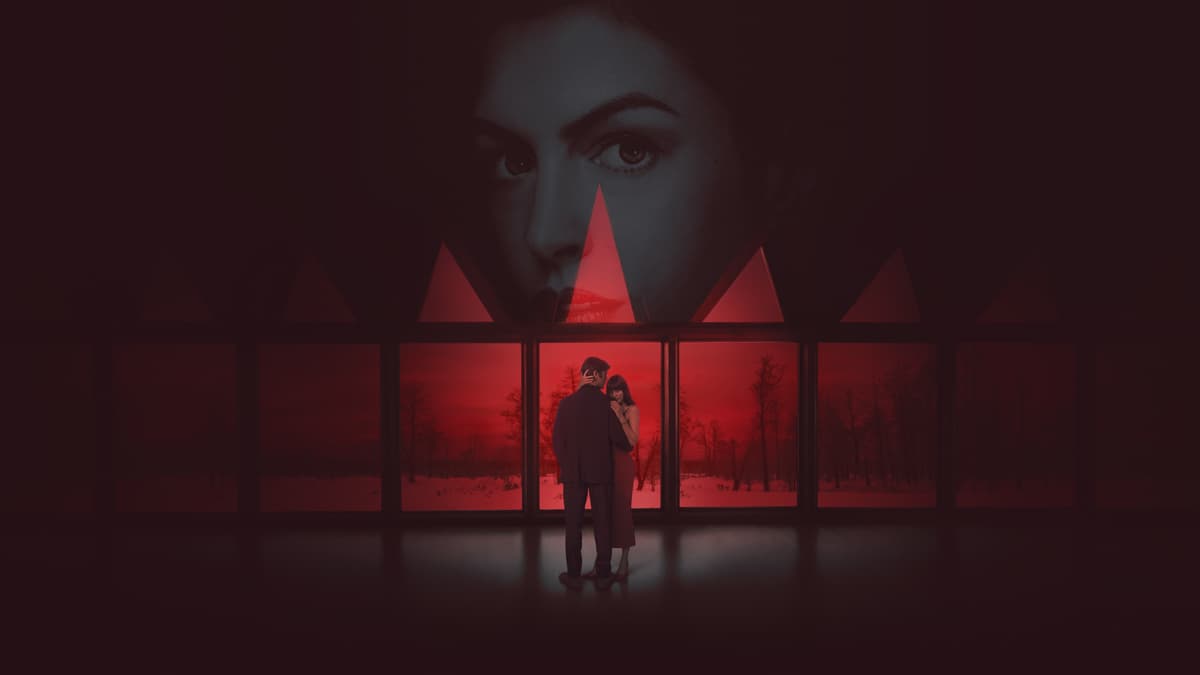
The Apartment (2001), originally Apartamento 2001, is a Brazilian alternative-cinema feature directed by and starring Porto Alegre musician Jupiter Apple (Flavio Basso), produced as a cross-promotional companion to his Hisscivilization album. The film follows Paul Smith and an ensemble of Porto Alegre alternative-music scene characters through a contemporary urban-musical narrative grounded in the city's underground-rock culture, with a supporting cast drawn from the Cachorro Grande and Jupiter Apple solo musical circle.
What Is the Budget of The Apartment (2001)?
The Apartment (2001), known in its original Portuguese as Apartamento 2001 and directed by Brazilian musician Flavio Basso (Jupiter Apple), was produced on an estimated micro-budget of approximately $100,000 to $200,000 in 2001 US dollar terms. The film was made in Porto Alegre, Brazil as a self-financed independent project tied to Jupiter Apple's Hisscivilization album release concert and the broader Cachorro Grande and Brazilian alternative-music scene of the early 2000s. Specific production budget figures are not publicly disclosed, with the project sitting well outside the Ancine-funded Brazilian art-cinema commissioning tier.
The investment reflected a calculated low-cost art-music feature play. Jupiter Apple financed the production through music-revenue cross-subsidization, recruiting a primarily volunteer cast and crew drawn from the Porto Alegre alternative-music and underground-film scenes. The film operated outside the conventional Brazilian distribution pipeline, screening primarily at Brazilian alternative festivals and on Latin American art-house circuits rather than through major theatrical release.
Key Budget Allocation Categories
The Apartment's estimated $100,000 to $200,000 budget was distributed across a tight set of production areas typical of self-financed Brazilian alternative cinema in the early 2000s:
- Self-Funded Production Capital: Jupiter Apple (Flavio Basso) financed the production largely through cross-subsidization from his music catalog and Hisscivilization album release proceeds. The absence of a formal Brazilian Ancine grant or co-production partner kept the production lean and committed the project to a strict micro-budget operating model.
- Volunteer Cast and Crew: The film featured Jupiter Apple himself as Paul Smith, with supporting cast Tatá Aeroplano as Rudolph, Veridiana Mecozzi as Verona, Lila Moshka as Lulu, and Érica Franco as Mikka Girl, alongside dancers Tenka and Beta. Most of the cast were drawn from the Porto Alegre alternative-music scene and worked at deferred or nominal rates rather than commercial wages.
- Porto Alegre Location Shoot: Principal photography took place in and around Porto Alegre, Rio Grande do Sul, with practical apartment, club, and street locations standing in for the film's contemporary urban-musical setting. Location fees, permits, and minimal lighting and grip rental absorbed most of the below-the-line spend.
- Music Soundtrack and Performance: The film was anchored by Jupiter Apple's Hisscivilization album and the broader Cachorro Grande and Brazilian alternative-rock catalog of the early 2000s. The soundtrack budget reflected the film's music-album cross-promotional structure rather than commercial music licensing, with the album serving as both narrative spine and marketing engine.
- Digital Video Production: The film was shot on standard-definition digital video, the dominant production format for Brazilian micro-budget independent cinema in the early 2000s. The format choice eliminated film-stock and processing costs, kept post-production lean, and aligned the project with the contemporaneous Brazilian digital-video alternative-cinema movement.
- Post-Production and Festival Submission: Post-production proceeded through Porto Alegre-based independent editing facilities. Festival submission costs to Brazilian alternative-cinema events including Festival do Rio, Festival de Brasília, and various Rio Grande do Sul state-level festivals absorbed a substantial share of the post-theatrical budget.
How Does The Apartment's Budget Compare to Similar Films?
At an estimated $100,000 to $200,000, The Apartment (Apartamento 2001) sat well below the standard Brazilian art-cinema budget tier of the early 2000s. The comparison set illustrates how the project's self-financed scale stacked up against contemporaneous Brazilian alternative cinema:
- Cidade de Deus / City of God (2002): Budget $3,300,000 | Worldwide $30,641,770. Fernando Meirelles and Kátia Lund's flagship Brazilian feature cost roughly 16 to 30 times what Apartamento 2001 spent and was internationally distributed by Miramax. The two films represent opposite poles of early-2000s Brazilian cinema commissioning.
- O Invasor (2002): Estimated budget approximately $500,000. Beto Brant's São Paulo-set crime drama cost roughly three to five times what Apartamento 2001 spent and operated within the established Brazilian art-cinema commissioning tier, with Ancine grant support and conventional festival distribution.
- Madame Satã (2002): Estimated budget approximately $1,000,000. Karim Aïnouz's queer-historical drama cost roughly five to ten times what Apartamento 2001 spent and was co-produced with French partners, illustrating the typical Brazilian-European co-production funding model that micro-budget projects deliberately avoided.
- Eu, Tu, Eles (2000): Estimated budget approximately $1,500,000. Andrucha Waddington's Brazilian rural drama cost roughly ten times the Apartamento 2001 budget and was co-produced through Conspiração Filmes with international sales handled through Sony Pictures Classics.
- Brazilian Underground / Mostra Tiradentes Feature Average (2001 to 2003): Estimated budget approximately $50,000 to $300,000. The Mostra Tiradentes alternative-cinema circuit, anchored in Minas Gerais and screening across Brazilian state festivals, hosted dozens of features in the Apartamento 2001 budget tier across the early 2000s, providing the most direct peer benchmark.
The Apartment Box Office Performance
Apartamento 2001 did not receive a conventional theatrical release and accordingly has no publicly recorded box office gross. The film operated within the Brazilian alternative-festival distribution model, screening at Brazilian state festivals, Cachorro Grande and Jupiter Apple concert-tied event showings, and Latin American underground-cinema circuits rather than through commercial exhibition. Here is the financial framework:
Box Office Breakdown
The Apartment

Apartamento 2001's commercial logic was tied to the Hisscivilization album release rather than to film distribution. Jupiter Apple recouped through music sales, concert revenue, and the cross-promotional benefit of the film's festival appearances. The project sits in the Brazilian micro-budget alternative-cinema tradition where commercial recoupment is structurally subordinate to artistic and music-property aims.
Library and catalog value has been modest but durable. The film has been periodically referenced in Brazilian alternative-cinema retrospectives and Jupiter Apple career profiles. Limited DVD and streaming availability has kept the title in circulation among Brazilian alternative-music and underground-cinema communities through the 2010s and into the 2020s.
The Apartment Production History
Apartamento 2001 emerged from the Porto Alegre alternative-music scene of the late 1990s and early 2000s, with Jupiter Apple (Flavio Basso) at its creative center. Jupiter Apple, the frontman of the Cachorro Grande Porto Alegre alternative-rock outfit, had built a reputation across the late 1990s for genre-blending Brazilian alternative rock that drew on glam, psychedelic, and Tropicália traditions. The film was conceived as a music-album cross-promotional feature, tied directly to Jupiter Apple's Hisscivilization album release.
Production took place in and around Porto Alegre across 2000 and 2001, with Jupiter Apple writing, directing, and starring in the film as Paul Smith. The supporting cast was drawn from the Porto Alegre alternative-music scene, with Tatá Aeroplano as Rudolph, Veridiana Mecozzi as Verona, Lila Moshka as Lulu, and Érica Franco as Mikka Girl, alongside dancers Tenka and Beta. The shoot operated on a strict micro-budget framework with mostly volunteer crew and digital-video acquisition.
The film premiered at Brazilian alternative-cinema festivals in 2001 and 2002, with screenings tied to Jupiter Apple concert dates and Cachorro Grande live performances. The project bypassed the conventional Brazilian art-cinema festival circuit anchored at Festival do Rio and Festival de Brasília, instead operating through the Mostra Tiradentes alternative-cinema circuit and state-level Rio Grande do Sul events. International distribution was limited to Latin American underground-cinema circuits.
Jupiter Apple continued to direct music videos and short films alongside his Cachorro Grande and solo music career across the 2000s and 2010s. His death in May 2016 at age 47 cemented Apartamento 2001 as one of his two principal feature directorial efforts and reinforced the project's status as a touchstone of early-2000s Porto Alegre alternative-cinema. The film has been periodically reassessed in Brazilian alternative-cinema retrospectives and Jupiter Apple career profiles in the years since.
Awards and Recognition
Apartamento 2001 received limited formal awards recognition during its initial 2001 to 2002 festival circulation. The film screened at Brazilian state-level festivals across Rio Grande do Sul and at the Mostra Tiradentes alternative-cinema circuit, where it competed for state-level and alternative-cinema honors rather than the major Brazilian feature-film awards administered through Festival do Rio and Festival de Brasília.
Jupiter Apple received broader career recognition primarily through his music work rather than his film directorial output. His Cachorro Grande and solo album discography earned multiple Brazilian alternative-music industry recognitions across the 2000s, with Hisscivilization (the album tied to the film) cited in multiple Brazilian alternative-rock retrospective lists.
Retrospective Brazilian alternative-cinema curation has placed Apartamento 2001 within the early-2000s Porto Alegre and Mostra Tiradentes alternative-cinema canon. The film has been referenced in academic Brazilian-cinema writing on the digital-video alternative-cinema movement and on the music-property cross-promotional feature tradition. The 2016 Jupiter Apple memorial events in Porto Alegre and São Paulo included screenings of Apartamento 2001 alongside Jupiter Apple's music videos and concert footage.
Critical Reception
Apartamento 2001 received modest Brazilian alternative-press coverage on its 2001 to 2002 festival circulation. The Folha de São Paulo and O Estado de São Paulo Brazilian alternative-cinema desks gave the film limited but generally positive notice, with reviewers identifying the project as a notable Porto Alegre alternative-music scene cross-over feature. The film did not receive significant English-language critical coverage, reflecting its tightly localized distribution and the absence of international festival placement.
Brazilian alternative-music press, including Rolling Stone Brasil and the Cachorro Grande and Porto Alegre alternative-rock fan press, gave the film extensive coverage as part of broader Jupiter Apple career profiles. The cross-promotional relationship between the film and the Hisscivilization album anchored most of the early-2000s critical conversation, with reviewers framing the project as a music-album visual companion rather than a standalone feature.
Retrospective Brazilian-cinema critical reappraisal has been modest but sustained. The film has been periodically cited in academic Brazilian-cinema writing on the early-2000s digital-video alternative-cinema movement, on the music-property cross-promotional feature tradition, and on the Porto Alegre alternative-music and underground-film scene that anchored Jupiter Apple's career. The 2016 Jupiter Apple memorial coverage in Folha de São Paulo and O Globo placed Apartamento 2001 alongside his music videos as a defining Jupiter Apple visual project.
Frequently Asked Questions
How much did it cost to make The Apartment (2001) / Apartamento 2001?
The estimated production budget was approximately $100,000 to $200,000 in 2001 US dollar terms. The film was self-financed by Brazilian musician Jupiter Apple (Flavio Basso) through cross-subsidization from his Hisscivilization album release and Cachorro Grande music revenue, operating well outside the formal Brazilian Ancine art-cinema commissioning tier.
Is The Apartment (2001) related to Billy Wilder's The Apartment (1960)?
No. This 2001 entry refers to Apartamento 2001, a Brazilian alternative-cinema feature directed by Jupiter Apple (Flavio Basso) and tied to his Hisscivilization album release. Billy Wilder's Academy Award-winning The Apartment was released in 1960 and is a separate production. The two films share only an English-language title coincidence.
Who directed Apartamento 2001?
Brazilian musician Jupiter Apple (Flavio Basso) wrote, directed, and starred in the film as Paul Smith. Jupiter Apple was the frontman of the Porto Alegre alternative-rock outfit Cachorro Grande and had built a reputation across the late 1990s for genre-blending Brazilian alternative rock drawing on glam, psychedelic, and Tropicália traditions. He died in May 2016 at age 47.
Where was The Apartment (2001) filmed?
Principal photography took place in and around Porto Alegre, Rio Grande do Sul, Brazil across 2000 and 2001, with practical apartment, club, and street locations standing in for the film's contemporary urban-musical setting. The shoot operated on a strict micro-budget framework with mostly volunteer crew drawn from the Porto Alegre alternative-music and underground-film scenes.
Did The Apartment (2001) get a theatrical release?
No. The film did not receive a conventional theatrical release. It operated within the Brazilian alternative-festival distribution model, screening at Brazilian state festivals, Cachorro Grande and Jupiter Apple concert-tied event showings, and Latin American underground-cinema circuits rather than through commercial exhibition. The film has no publicly recorded box office gross.
What is the connection between The Apartment (2001) and Hisscivilization?
Apartamento 2001 was produced as a cross-promotional companion to Jupiter Apple's Hisscivilization album. The film's soundtrack draws extensively from the album, and screenings were frequently tied to Jupiter Apple and Cachorro Grande live performances. The commercial recoupment model was anchored in music sales and concert revenue rather than film distribution.
Who else appears in The Apartment (2001)?
The supporting cast was drawn from the Porto Alegre alternative-music scene, with Tatá Aeroplano as Rudolph, Veridiana Mecozzi as Verona, Lila Moshka as Lulu, and Érica Franco as Mikka Girl, alongside dancers Tenka and Beta. Most cast members worked at deferred or nominal rates rather than commercial wages, reflecting the project's self-financed micro-budget structure.
How does The Apartment (2001) compare to other Brazilian films?
At an estimated $100,000 to $200,000, Apartamento 2001 sat well below the standard Brazilian art-cinema budget tier. Cidade de Deus / City of God (2002) cost $3,300,000 and grossed $30,641,770 worldwide. O Invasor (2002) cost approximately $500,000. Eu, Tu, Eles (2000) cost approximately $1,500,000. Apartamento 2001 represents the micro-budget alternative-cinema end of the early-2000s Brazilian production spectrum.
Where can I watch Apartamento 2001?
Availability is limited. The film has been periodically released on DVD and on Brazilian alternative-cinema streaming circuits over the years, with sporadic festival retrospective screenings tied to Jupiter Apple memorial events. The 2016 Jupiter Apple memorial events in Porto Alegre and São Paulo included screenings of Apartamento 2001 alongside his music videos and concert footage.
What did critics say about Apartamento 2001?
The film received modest Brazilian alternative-press coverage on its 2001 to 2002 festival circulation. Folha de São Paulo and O Estado de São Paulo gave the film limited but generally positive notice as a notable Porto Alegre alternative-music scene cross-over feature. The film did not receive significant English-language critical coverage, reflecting its tightly localized distribution and the absence of international festival placement.
Filmmakers
The Apartment

Official Trailer
Build budgets like this one in Saturation
Start from an industry-standard feature film template, import the schedule and rates you already have, and let the cost report keep itself current as you spend. Real-time collaboration, no spreadsheets.