The Addams Family Budget
Updated
Synopsis
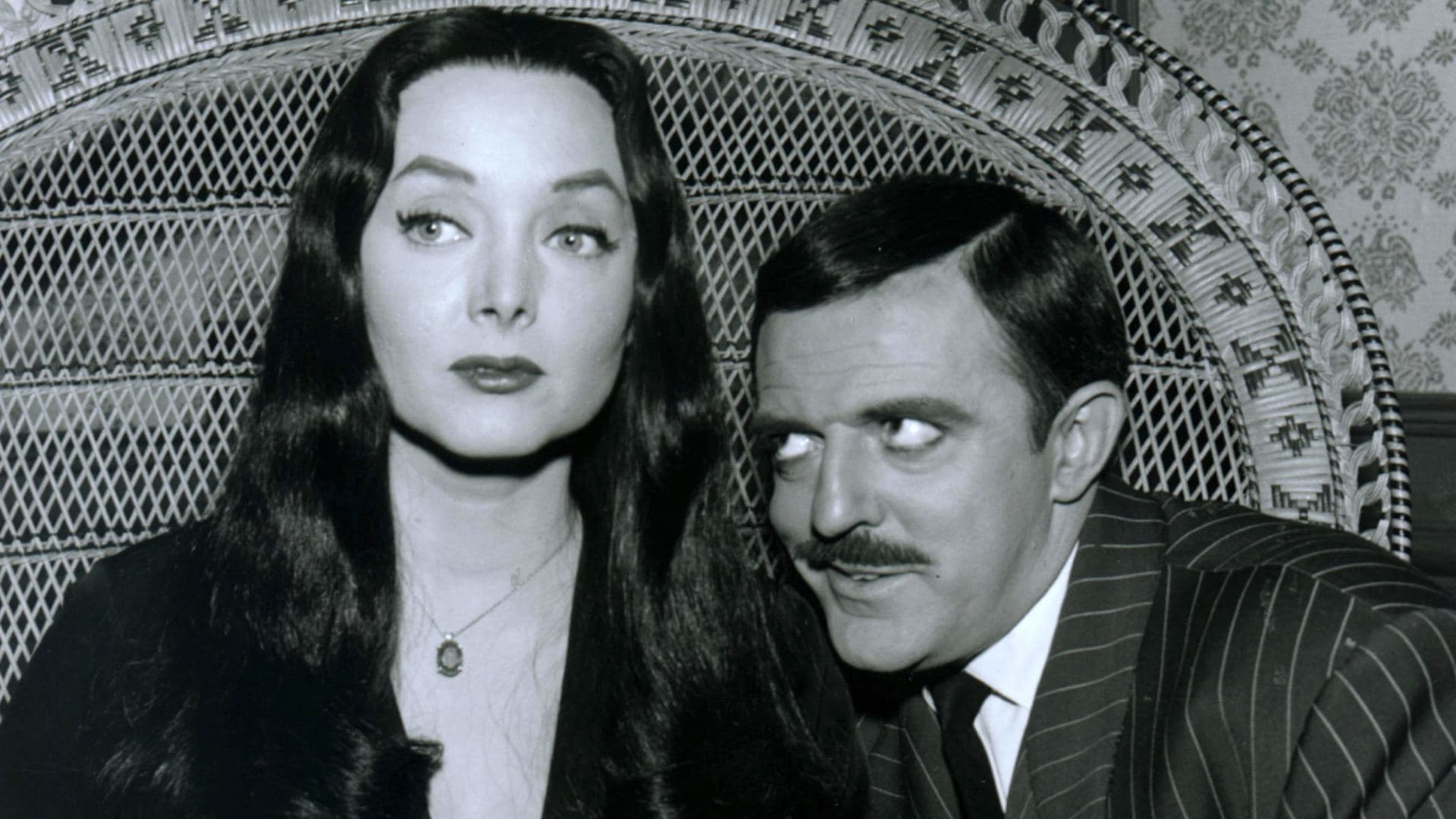
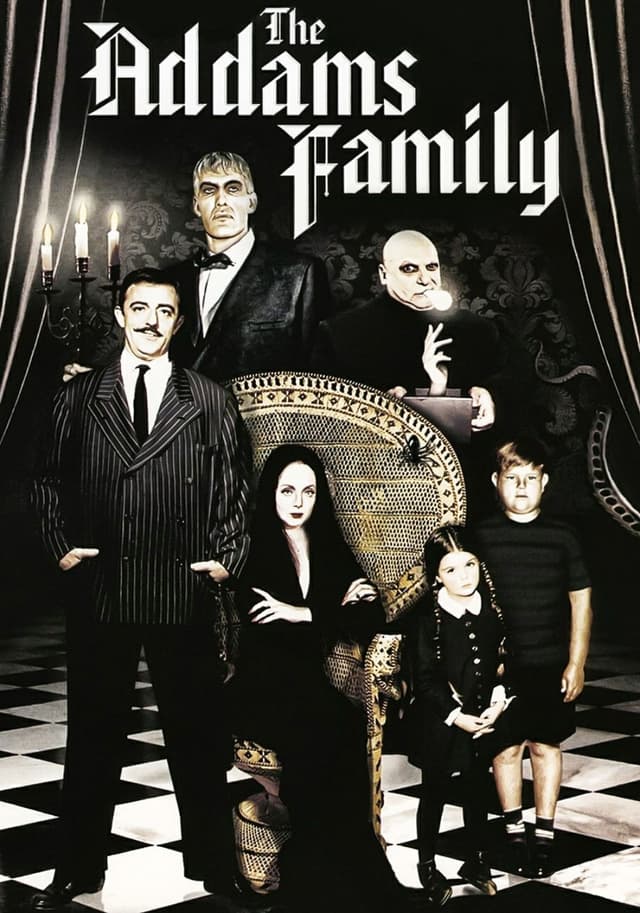
In a creaking gothic mansion on the wrong side of an otherwise ordinary American town, the eccentric Addams family takes daily joy in everything most neighbors find macabre. Patriarch Gomez and his serenely sinister wife Morticia, along with hulking butler Lurch, off-beat Uncle Fester, and children Wednesday and Pugsley, welcome each new visitor to their home as the latest cousin or fellow free spirit, often to the visitor's lasting confusion.
What Is the Budget of The Addams Family (1964)?
The Addams Family (1964) is a half-hour live-action sitcom developed by David Levy and produced by Filmways, Inc. for the American Broadcasting Company, not a single theatrical feature, and a specific per-episode production budget was never officially disclosed by the studio. Industry reporting on early-1960s half-hour network sitcoms places typical per-episode costs in the $60,000 to $90,000 range, equivalent to roughly $600,000 to $900,000 per episode in 2024 dollars adjusted for inflation, with the show's two seasons of 64 total episodes implying a full series production cost in the rough $4,000,000 to $5,800,000 range across its 1964-1966 ABC run.
The series was financed and produced by Filmways, the prolific television production company behind The Beverly Hillbillies and Petticoat Junction, with creator David Levy securing the rights from cartoonist Charles Addams to adapt the long-running New Yorker single-panel cartoons into a weekly sitcom format. Filmways' established cost-efficient half-hour production infrastructure, including the Filmways stages and reusable Addams Family mansion interior set, kept per-episode costs in the standard early-1960s sitcom range despite the additional gothic-prop and makeup demands the format required.
Key Budget Allocation Categories
The Addams Family's per-episode production cost was distributed across several core areas specific to the show's gothic-sitcom format:
- Above-the-Line Talent: John Astin and Carolyn Jones, the two lead actors playing Gomez and Morticia Addams, were both established performers commanding standard sitcom-lead rates of the era. Ted Cassidy as Lurch, Jackie Coogan as Uncle Fester, Blossom Rock as Grandmama, and child actors Ken Weatherwax and Lisa Loring as Pugsley and Wednesday filled out the ensemble at appropriate scale. Coogan, the former child star of silent-era Charlie Chaplin pictures, commanded a higher fee than the format average.
- Mansion Interior Set: The standing Addams mansion interior set at Filmways was one of the most elaborate sitcom standing sets of its era, with the central staircase, the family conservatory, the front entryway with Thing's box on the table, and the multiple corridor and reception rooms that recurring jokes used as backgrounds. The amortized cost of construction and maintenance was a significant fixed-cost line across the full series production run.
- Lurch and Cousin Itt Costumes: Ted Cassidy's Lurch makeup and prosthetic appliances, the full-body Cousin Itt suit worn by Felix Silla in later episodes, and the iconic Thing prop, operated as a literal disembodied hand reaching out of a wooden box by Ted Cassidy and Jack Voglin in alternation, required ongoing wardrobe and makeup department investment.
- Theme Music: Composer Vic Mizzy delivered one of the most recognizable themes in American television history, featuring harpsichord, bass clarinet, and the iconic finger snaps that became the show's sonic signature. The original theme recording, the underscore for each episode, and Mizzy's ongoing creative fee constituted a recurring music budget line.
- Practical Gags and Pets: Each episode required a steady supply of macabre props, gags, and animal performers including the family's vulture Zelda, pet octopus Aristotle, and Pugsley's octopus Aristotle and Lurch's lion. The picture-pet department, prop master, and gag designers absorbed an above-format share of the standard sitcom budget.
- Black-and-White Cinematography: The series was shot in black and white throughout its full two-season run, even as ABC and the broader network industry began transitioning to color in 1965. The choice was a creative decision as much as a cost one and supported the gothic-cartoon look that was central to the series' visual identity.
How Does The Addams Family's Budget Compare to Similar TV Productions?
At an estimated $60,000 to $90,000 per episode in 1964 to 1966 dollars, The Addams Family sat in the upper-middle band of half-hour network sitcom production for its era. Comparable series help illustrate the position:
- The Munsters (1964-1966): Budget approximately $60,000 to $80,000 per episode | CBS. The Universal Television production debuted six days after The Addams Family in September 1964 and ran for the same two seasons on a comparable budget, the closest direct sitcom comparison.
- Bewitched (1964-1972): Budget approximately $60,000 to $90,000 per episode | ABC. Screen Gems' supernatural sitcom debuted on the same network in the same month and shared a comparable cost structure across its much longer eight-season run.
- The Beverly Hillbillies (1962-1971): Budget approximately $50,000 to $70,000 per episode | CBS. Filmways' rural sitcom on a comparable cost structure ran for nine seasons and was the production company's flagship at the time of The Addams Family's debut.
- Gilligan's Island (1964-1967): Budget approximately $80,000 to $100,000 per episode | CBS. The Sherwood Schwartz castaway sitcom debuted the same month as The Addams Family and ran on a slightly higher per-episode budget driven by location and water-tank production.
The Addams Family Box Office Performance
As a network television series, The Addams Family did not generate theatrical box office revenue. Its commercial performance is measured in Nielsen ratings, advertising sales, and downstream syndication earnings rather than ticket sales. The series ran for two seasons of 32 episodes each on ABC from September 18, 1964 through April 8, 1966, in the Friday 8:30 p.m. time slot. It was cancelled after season two when ABC dropped both The Addams Family and The Munsters in favor of the network's color programming push.
The financial picture is best understood through syndication and licensing:
- Estimated Total Production Cost: approximately $4,000,000 to $5,800,000 across 64 half-hour episodes
- Original ABC Run: September 18, 1964 to April 8, 1966 (two seasons)
- Theatrical Gross: not applicable, network television series
- Worldwide Distribution: continuous worldwide syndication through Metromedia and successor rights holders
- Syndication Value: continuous worldwide syndication for nearly six decades, including the ME-TV and Nick at Nite catalog
- Franchise Value: serves as the source for nine subsequent adaptations including the Barry Sonnenfeld films and the Netflix Wednesday series
The series' direct production cost was comfortably exceeded by syndication revenue within the first decade of its initial cancellation, and the franchise it launched has become one of the most lucrative gothic-comedy intellectual property assets in American entertainment. The 1991 and 1993 Barry Sonnenfeld features, the 2019 and 2021 animated films, and the 2022 Netflix Wednesday series collectively represent a multi-decade compounding return on the original 1964 ABC production investment.
The Addams Family Production History
David Levy developed The Addams Family in cooperation with Donald Saltzman, securing the rights to cartoonist Charles Addams' long-running New Yorker single-panel cartoons in 1962. Addams had been drawing the macabre family in single-panel format since 1938 without giving them proper names, and the production formalized the character names that have since become canonical: Gomez, Morticia, Pugsley, Wednesday, Uncle Fester, Grandmama, Lurch, Thing, and Cousin Itt. Nat Perrin served as head writer and producer for Filmways, with Levy as executive producer.
Casting was the most consequential creative decision of the production. John Astin was cast as Gomez Addams after auditioning for the lesser role of Lurch, with the producers reorganizing the character around his manic energy. Carolyn Jones, the Academy Award-nominated actress from The Bachelor Party (1957), was cast as Morticia. Ted Cassidy, the six-foot-nine character actor, was cast as Lurch and also doubled as Thing on alternating days. Jackie Coogan, returning to acting after years out of the spotlight, played Uncle Fester to general critical and audience surprise.
Principal production was based at the Filmways studio facilities in Los Angeles, California, with each half-hour episode shot on a five-day production cycle typical of the early-1960s sitcom format. The series premiered on ABC on September 18, 1964, in the Friday 8:30 p.m. time slot opposite The Jackie Gleason Show on CBS and a rotating NBC schedule. ABC cancelled the show after the 1965-1966 season as part of the network's color programming push, with The Addams Family's black-and-white production left as one of the format's last major holdouts.
Awards and Recognition
The Addams Family did not receive Primetime Emmy Awards or significant nominations during its original network run, in part because the half-hour gothic sitcom format was not a category darling at the early-1960s ceremonies and in part because the series was not considered a prestige play by the Television Academy. The most significant individual industry recognition came to Carolyn Jones for her Morticia Addams performance, which received a 1965 Golden Globe nomination for Best Actress in a Television Series, Musical or Comedy.
Retrospective evaluation has been substantially more positive. A 2022 Smithsonian Magazine analysis described the series as "helping normalize the weird," crediting it with influencing how dark humor and offbeat family premises have been treated in American television in the six decades since. The Addams Family is also routinely included on retrospective best-of-the-1960s sitcom lists by TV Guide, the Television Academy, and various critical surveys, and Vic Mizzy's theme is one of the most widely recognized pieces of American television music ever composed.
Critical Reception
Contemporary critical reception in 1964 to 1966 was generally positive but unenthusiastic, with the dominant view treating The Addams Family as one of several mid-1960s supernatural and gothic sitcoms that included The Munsters, Bewitched, I Dream of Jeannie, and The Ghost & Mrs. Muir. Variety and the Hollywood Reporter reviewed the pilot favorably, and ABC promoted the series alongside The Munsters as a Friday-night programming block aimed at the same family audience.
Critical and cultural reevaluation of The Addams Family has been substantially more enthusiastic. Vic Mizzy's theme, in particular, has been treated as one of the most distinctive compositions in American television music, periodically revived by the 1992 animated series, by M&M's commercials in 2007, and by every subsequent screen adaptation of the property. The series' continuing presence in syndication and the durability of its character archetypes have produced a sustained critical retrospective view that places The Addams Family among the most influential sitcoms of the 1960s, the foundation of a continuously commercial franchise rather than a half-forgotten one-off of its era.
Frequently Asked Questions
How much did The Addams Family (1964) TV series cost?
A specific budget was never officially disclosed, but industry estimates put early-1960s half-hour network sitcom episodes at roughly $60,000 to $90,000 each. Across the show's 64 episodes, the full two-season production cost likely ran approximately $4,000,000 to $5,800,000 in original-era dollars.
When did The Addams Family (1964) air on ABC?
The series ran on ABC from September 18, 1964 through April 8, 1966, for two seasons of 32 episodes each, in the Friday 8:30 p.m. time slot. ABC cancelled the show after season two as part of the network's push toward color programming.
Who created The Addams Family TV series?
David Levy developed the series for Filmways, Inc., adapting Charles Addams' long-running New Yorker single-panel cartoons that had been published since 1938. The production formalized the character names that became canonical: Gomez, Morticia, Pugsley, Wednesday, Uncle Fester, Grandmama, Lurch, Thing, and Cousin Itt.
Who played the Addams Family on the 1964 TV series?
John Astin played Gomez Addams, Carolyn Jones played Morticia, Ted Cassidy played Lurch (and doubled as Thing), Jackie Coogan played Uncle Fester, Blossom Rock played Grandmama, Ken Weatherwax played Pugsley, and Lisa Loring played Wednesday. Felix Silla wore the Cousin Itt suit in later episodes.
Who composed the iconic Addams Family theme?
Composer Vic Mizzy wrote the theme, featuring harpsichord, bass clarinet, and the iconic finger snaps that became the show's sonic signature. The theme was revived for the 1992 Hanna-Barbera animated series, the 2007 M&M's commercials, and every subsequent screen adaptation of the property.
Was The Addams Family (1964) filmed in color?
No. The series was shot in black and white throughout its full two-season run, even as ABC and the broader network industry began transitioning to color in 1965. The choice was a creative decision as much as a cost one and supported the gothic-cartoon look that was central to the series' visual identity.
Why was The Addams Family (1964) cancelled?
ABC cancelled the series after the 1965-1966 season as part of the network's push toward color programming. The Addams Family's black-and-white production was left as one of the format's last major holdouts, and the network dropped it alongside CBS's comparable black-and-white gothic sitcom The Munsters.
How does The Addams Family (1964) compare to The Munsters?
Both shows debuted in September 1964 and ran for the same two seasons on comparable budgets of approximately $60,000 to $90,000 per episode. The Munsters was a Universal Television production for CBS, while The Addams Family was a Filmways production for ABC. The two series have been treated as twin sister shows of the mid-1960s gothic-sitcom moment.
Did The Addams Family (1964) win any Emmys?
No. The series did not receive Primetime Emmy Awards or significant nominations during its original network run, in part because the half-hour gothic sitcom format was not a category darling at the early-1960s ceremonies. Carolyn Jones did receive a 1965 Golden Globe nomination for Best Actress in a Television Series, Musical or Comedy for her Morticia performance.
What is the legacy of The Addams Family (1964)?
The series serves as the source for at least nine subsequent screen adaptations, including the 1991 and 1993 Barry Sonnenfeld theatrical films, the 1992 Hanna-Barbera animated series, the 1998 The New Addams Family television series, the 2019 and 2021 animated films, and the 2022 Netflix Wednesday series. It has become one of the most lucrative gothic-comedy intellectual property assets in American entertainment.
Filmmakers
The Addams Family

Official Trailer
Build budgets like this one in Saturation
Start from an industry-standard feature film template, import the schedule and rates you already have, and let the cost report keep itself current as you spend. Real-time collaboration, no spreadsheets.