Stalker Budget
Updated
Synopsis
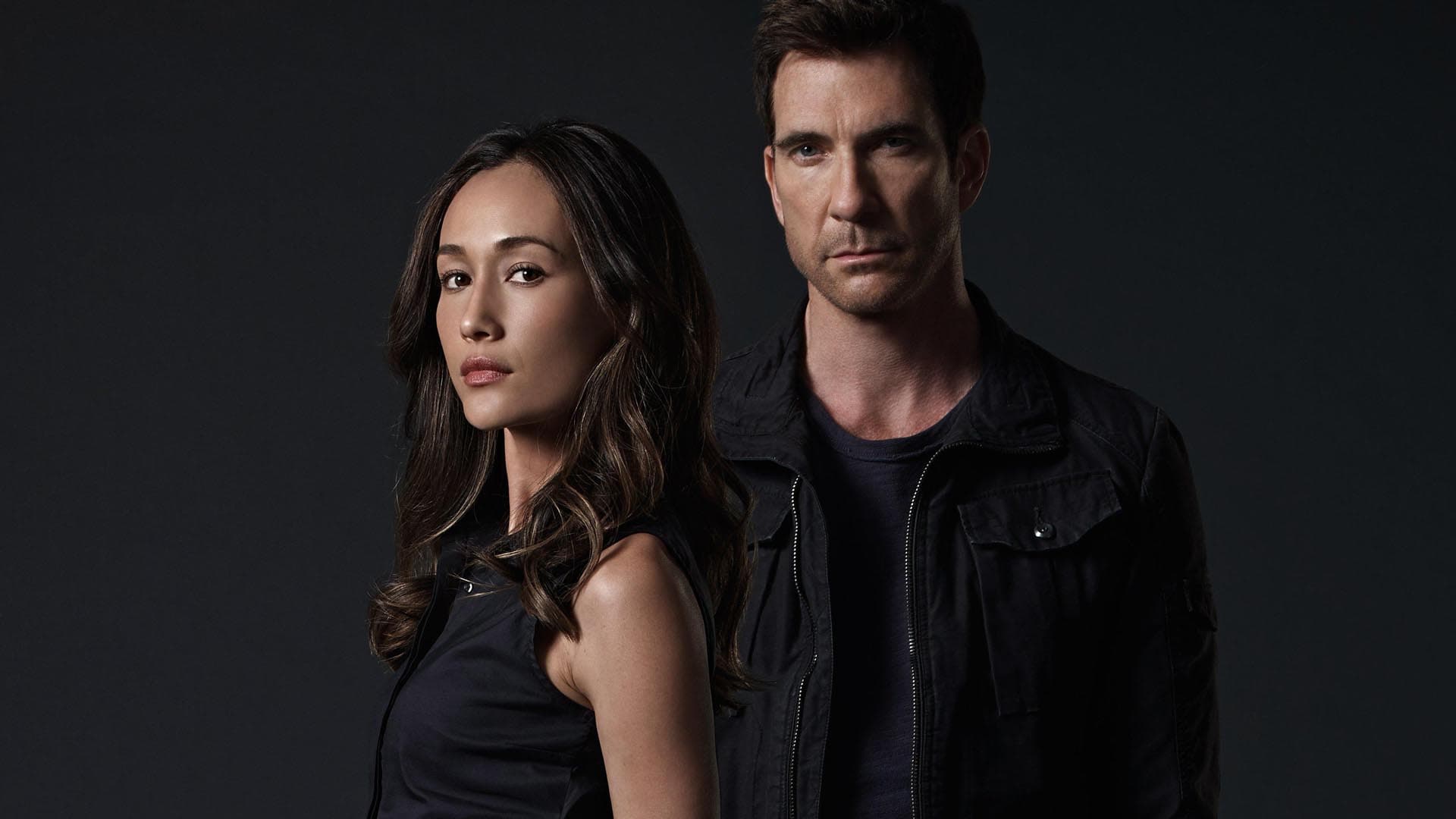
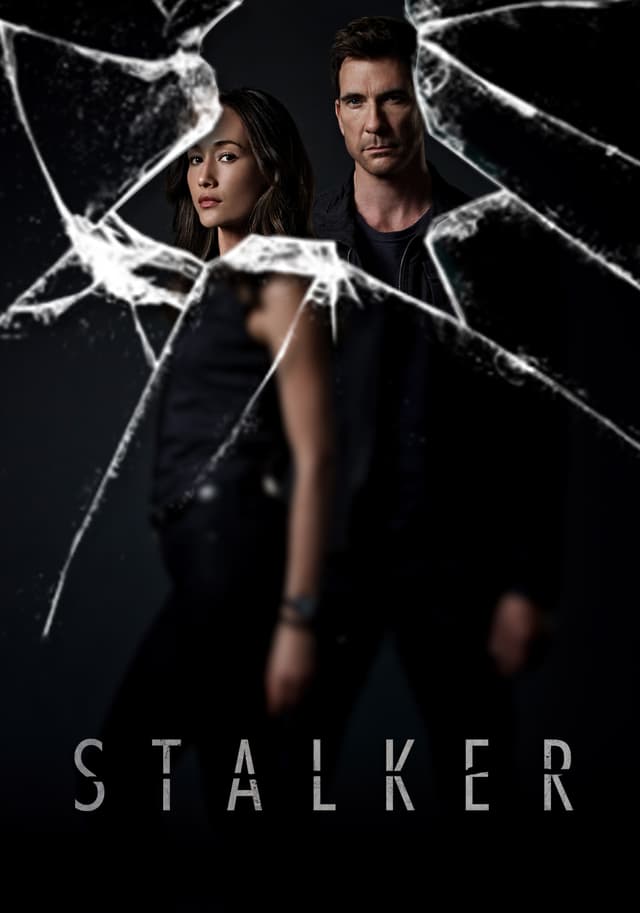
Stalker is a CBS crime drama from creator Kevin Williamson, set inside the fictional Threat Assessment Unit of the Los Angeles Police Department. Detective Jack Larsen (Dylan McDermott), a transfer from the NYPD homicide squad, joins Lieutenant Beth Davis (Maggie Q), a stalking survivor, to investigate stalking cases across Los Angeles. The series ran for a single season of twenty episodes on CBS between October 2014 and May 2015 before being cancelled.
What Is the Budget of Stalker (2014)?
Stalker (2014) is not a theatrical film. It is a CBS network drama series produced by Warner Bros. Television and Kevin Williamson's Outerbanks Entertainment, which ran for one season of twenty episodes between October 1, 2014 and May 18, 2015. CBS and Warner Bros. Television did not publicly disclose the production budget. Industry trade estimates place the per-episode cost of a comparable CBS one-hour scripted drama from this period in the range of $3,000,000 to $4,500,000, which would put the full-season budget at approximately $60,000,000 to $90,000,000 across the twenty-episode order.
The series was developed under Kevin Williamson's overall deal with Warner Bros. Television, which also covered The Following on Fox. CBS licensed the broadcast rights and Warner Bros. retained domestic syndication and international distribution. The financial model was the standard 2010s broadcast deficit-finance arrangement, with the studio absorbing per-episode losses against future syndication and international sales.
Key Budget Allocation Categories
A network procedural at this budget tier typically distributes spend across:
- Series-Regular Cast: Dylan McDermott (American Horror Story, The Practice) and Maggie Q (Nikita) headlined the cast on series-regular network rates that would have been at the upper end of the procedural ensemble market in 2014. Supporting series regulars Victor Rasuk and Mariana Klaveno worked at lower scale rates appropriate to their visibility.
- Los Angeles Production Footprint: The series shot on location across Los Angeles County and on stages at Warner Bros.' Burbank lot, with the LA setting integral to the show's identity. Standing-set construction, location permits, and city-licensed police-vehicle access made up a meaningful share of each episode's budget.
- Guest Cast and Stunt Coordination: Each episode introduced a new stalker and victim of the week, requiring a rotating guest cast and elaborate stunt-coordinated chase, abduction, and physical-confrontation sequences. Stunt and SAG day rates added recurring per-episode costs.
- Writer and Showrunner Compensation: Kevin Williamson as creator and Liz Kruger and Craig Shapiro as showrunners commanded above-scale rates, with the writers room operating at standard WGA showrunner-led pricing.
- Network Marketing: CBS launched the series with a heavy promotional spend during the fall 2014 broadcast season, with on-air promos and digital media buys that fell outside the per-episode production budget but represented additional studio and network investment in the launch.
- Music and Post-Production: Original score by Mark Snow (The X-Files, Smallville) and full post-production at Warner Bros. Television's in-house facilities accounted for the standard one-hour network drama post pipeline.
How Does Stalker's Budget Compare to Similar Network Procedurals?
Stalker sat within the mid-tier of 2014 broadcast one-hour drama economics. Direct comparison to feature films is not appropriate, but it can be benchmarked against contemporaneous network procedurals:
- The Following (2013-2015): Estimated $3,500,000 to $4,000,000 per episode | three-season run on Fox. Kevin Williamson's previous serial-killer procedural established the template that Stalker followed.
- Criminal Minds (CBS): Estimated $3,500,000 per episode by season 10 | sixteen-season run on CBS. The flagship CBS criminal-profiling procedural offered the comparison set for Stalker's programming slot and budget tier.
- NCIS (CBS): Estimated $4,500,000 per episode in 2014 | ongoing. The most expensive CBS procedural of the era, anchoring the network's drama economics.
- Person of Interest (CBS, 2014-2016 seasons): Estimated $4,000,000 per episode | five-season run. The Warner Bros. Television sibling series ran on the same studio-network model as Stalker.
Stalker Performance and Cancellation
Stalker premiered on October 1, 2014 to mixed ratings, averaging 6,800,000 total viewers and a 1.4 rating in the 18-49 demographic across its first run, with significant DVR lift bringing the seven-day average closer to 9,000,000. The numbers were below CBS's expectations for a 10 p.m. Wednesday slot but ahead of several network competitors.
Network drama economics do not produce a film-style box-office return. Instead, the studio (Warner Bros. Television) recoups through license fees from CBS, international sales, and eventual syndication. Stalker's single-season run did not generate the episode count required for traditional syndication economics:
- Production Budget (estimated): $3,000,000 to $4,500,000 per episode
- Season Order: 20 episodes
- Total Estimated Investment: approximately $60,000,000 to $90,000,000 for the full season
- Worldwide Gross: Not applicable (television license-fee model)
- Net Return: Per-episode deficit on initial network broadcast
- ROI: Negative on first-run; not renewed for syndication-economics second season
CBS cancelled Stalker on May 8, 2015 after one season. The combination of mixed reviews, viewer-advocacy criticism from anti-stalking organizations, and middle-of-the-pack ratings made renewal economically unattractive for both Warner Bros. Television and the network.
Stalker Production History
Creator Kevin Williamson developed Stalker for CBS in early 2014 as a follow-up to The Following. Pilot production took place in Los Angeles, California, in spring 2014, with regular series production beginning that summer. Dylan McDermott and Maggie Q were cast as the leads, with the casting of McDermott echoing his recurring role on American Horror Story. Liz Kruger and Craig Shapiro joined as showrunners.
Production ran across the 2014-2015 broadcast season, with episodes shot on a standard eight-day schedule and the writers' room operating in Burbank. Several episodes generated public criticism from victims-advocacy groups including the Stalking Resource Center, who argued that the show sensationalised stalking behaviour and undercut public-safety messaging. The producers held meetings with advocacy organizations during production but made limited adjustments to the storytelling approach.
Warner Bros. Television shopped a second-season order to other outlets after the CBS cancellation but could not assemble a deal. The series finished its broadcast run on May 18, 2015 with a season-finale cliffhanger that was never resolved.
Awards and Recognition
Stalker received no major industry award nominations. The series did not appear at the Primetime Emmy Awards, the Golden Globes, the Critics' Choice Television Awards, or the People's Choice Awards in its 2014-2015 broadcast year. Genre-press end-of-year coverage tended to omit the show.
Within the SAG-AFTRA awards, no individual cast member received a nomination. The series did receive coverage in the Stalking Resource Center's 2014-2015 advocacy reports, though primarily as a case study in problematic media depictions of stalking rather than as a recognition.
Critical Reception
Stalker received broadly negative reviews. The series holds a 24% approval rating on Rotten Tomatoes based on 25 critic reviews, with a critical consensus that described it as "exploitative and tonally confused." On Metacritic, it scored 39 out of 100 based on 19 critic reviews, indicating generally unfavorable reviews.
The Hollywood Reporter's Tim Goodman called it "a vile, irresponsible show that operates without a moral compass," while Variety's Brian Lowry described it as "a procedural in search of a reason to exist." The New York Times' Mike Hale objected specifically to the show's opening murder set pieces, which framed female victims through the perspective of their stalkers in extended pre-credit sequences. The Stalking Resource Center publicly criticised the series during its run.
Audience reception was somewhat warmer. Viewers who responded to the procedural elements rated individual episodes more highly on IMDb (where the series carries a 7.4 average) than the critical reception suggested, and the cliffhanger ending generated active fan campaigns for a second-season rescue that never materialised.
Frequently Asked Questions
Is Stalker (2014) a movie or a TV series?
Stalker (2014) is a CBS television series, not a theatrical film. It ran for a single season of twenty episodes between October 1, 2014 and May 18, 2015 before being cancelled. The series was created by Kevin Williamson and produced by Warner Bros. Television.
How much did Stalker cost to make per episode?
CBS and Warner Bros. Television did not publicly disclose the budget. Industry trade estimates place a comparable 2014 CBS one-hour scripted drama in the range of $3,000,000 to $4,500,000 per episode, which would put Stalker's full-season budget at approximately $60,000,000 to $90,000,000 across the twenty-episode order.
Who created Stalker?
Kevin Williamson created the series, working under his overall deal with Warner Bros. Television. Williamson had previously created The Following for Fox and The Vampire Diaries for The CW, and his early career credits include the Scream screenplay franchise.
Who starred in Stalker?
Dylan McDermott played NYPD-transfer detective Jack Larsen and Maggie Q played Lieutenant Beth Davis, the head of the LAPD's fictional Threat Assessment Unit. Supporting series regulars included Victor Rasuk, Mariana Klaveno, Erik Stocklin, and Elisabeth Röhm.
Why was Stalker cancelled?
CBS cancelled the series on May 8, 2015 after one season. The combination of mixed reviews, public criticism from victim-advocacy groups including the Stalking Resource Center, middle-of-the-pack 18-49 demographic ratings, and unfavorable per-episode economics made renewal unattractive for both Warner Bros. Television and the network.
Where was Stalker filmed?
Principal photography took place in Los Angeles, California, with the production using locations across Los Angeles County and stages at Warner Bros.' Burbank lot. The Los Angeles setting was integral to the show's identity and recurring police-procedural geography.
How many episodes of Stalker were made?
Twenty episodes were produced for a single season, all of which aired on CBS between October 1, 2014 and May 18, 2015. The season finale ended on a cliffhanger that was never resolved due to the cancellation.
Did Stalker receive any awards?
No. The series received no major industry award nominations and did not appear at the Primetime Emmy Awards, the Golden Globes, the Critics' Choice Television Awards, or the People's Choice Awards during its 2014-2015 broadcast year.
What did critics think of Stalker?
The series received broadly negative reviews, with a 24% approval rating on Rotten Tomatoes and a 39 score on Metacritic. Tim Goodman of The Hollywood Reporter called it "vile, irresponsible," and the Stalking Resource Center publicly criticised the show during its run for its framing of stalking behaviour.
Where can I watch Stalker (2014)?
The series is available for digital purchase on Amazon Prime Video and Apple TV in the United States. Warner Bros. Television holds the underlying rights, with streaming availability varying by territory and changing over time as license windows roll over.
Filmmakers
Stalker

Official Trailer
Build budgets like this one in Saturation
Start from an industry-standard feature film template, import the schedule and rates you already have, and let the cost report keep itself current as you spend. Real-time collaboration, no spreadsheets.