Shutter Island Budget
 DramaThrillerMystery2h 18m
Updated
Synopsis
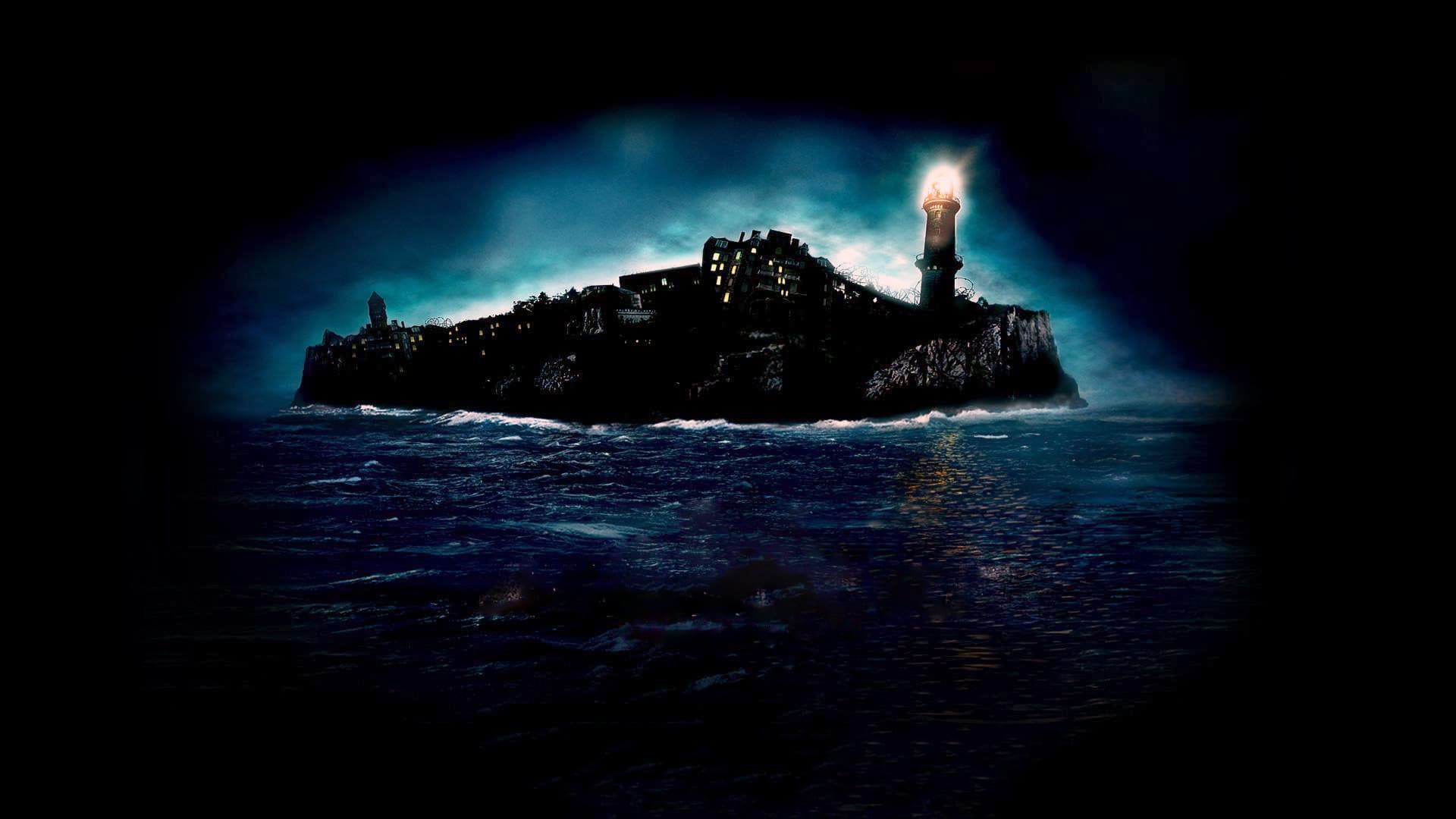
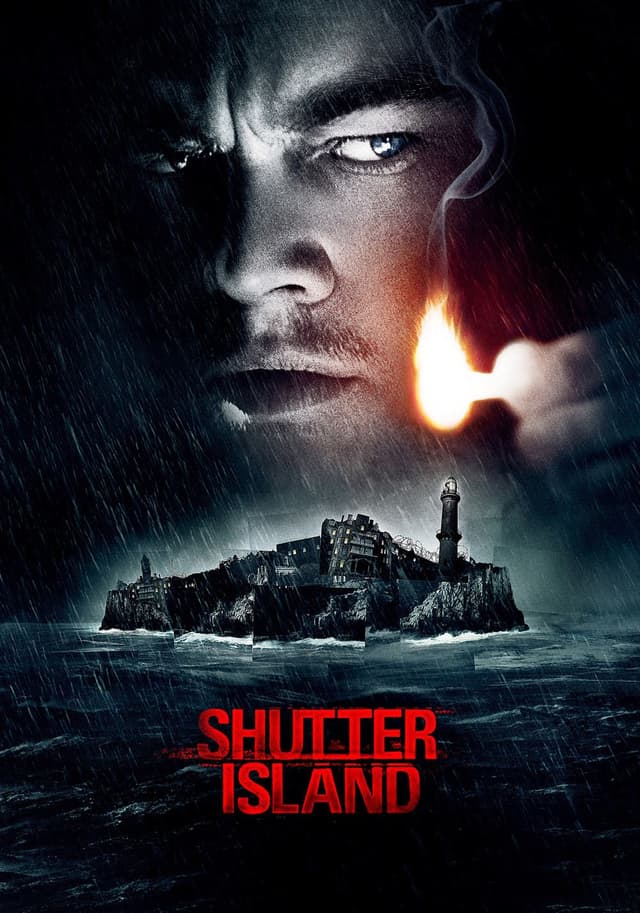
World War II soldier-turned-U.S. Marshal Teddy Daniels investigates the disappearance of a patient from a hospital for the criminally insane, but his efforts are compromised by troubling visions and a mysterious doctor.
What is the budget of Shutter Island?
"Shutter Island," a drama released in 2010, was directed by Martin Scorsese and stars Leonardo DiCaprio, Mark Ruffalo. The production budget was $80,000,000, placing it in the high-budget range for drama productions of its era.
Key Budget Allocation Categories
While specific budget breakdowns are not publicly available, typical cost drivers for a drama production like this include:
- Above-the-Line Talent: Drama films live or die on the strength of their performances.
- Location Filming & Period Production Design: Authentic locations , whether contemporary or historical , require scouting, permits, travel, lodging, and often significant dressing to match the story's time period.
- Post-Production, Color Grading & Score: The editorial process for dramas is typically longer than genre films, with careful attention to pacing and tone.
- Filming & Locations: Shutter Island was mainly filmed in Massachusetts, with Taunton being the location for the World War II flashback scenes.
What were the major cost factors in Shutter Island?
Several factors contributed to the overall production costs of "Shutter Island."
- Above-the-Line Talent: Above-the-Line Talent is one of the primary cost drivers in drama productions of this scale.
- Location Filming: Location Filming & Period Production Design is one of the primary cost drivers in drama productions of this scale.
- Post-Production: Post-Production, Color Grading & Score is one of the primary cost drivers in drama productions of this scale.
How Does Shutter Island's Budget Compare to Similar Films?
At $80,000,000, Shutter Island sits in the high-budget range. Here is how it compares to productions with a similar budget:
- Edge of Darkness (2010): Budget $80,000,000, Worldwide Gross $81,126,522
- Legend of the Guardians: The Owls of Ga'Hoole (2010): Budget $80,000,000 , Gross $140,073,390
- Meet the Fockers (2004): Budget $80,000,000, Worldwide Gross $516,642,939
- The Lego Batman Movie (2017): Budget $80,000,000, Worldwide Gross $311,950,384
- Bruce Almighty (2003): Budget $80,000,000, Worldwide Gross $484,592,874
The median budget for wide-release drama films in the 2010s ranges from $30 to 80M for mid-budget to $150M+ for tentpoles.
Shutter Island Box Office Performance
"Shutter Island" earned $128,012,934 domestically and $294,804,195 worldwide at the box office. Against a production budget of $80,000,000, the film performed strongly at the box office.
A film typically needs to earn approximately twice its production budget to cover marketing and distribution costs. For "Shutter Island," that break-even threshold was roughly $160,000,000. With worldwide earnings of $294,804,195, the film cleared that threshold comfortably.
Box Office Breakdown
Shutter Island

At 268.5%, "Shutter Island" earned roughly $3.69 for every $1 invested in production.
Shutter Island Production History
Shutter Island was mainly filmed in Massachusetts, with Taunton being the location for the World War II flashback scenes. Old industrial buildings in Taunton's Whittenton Mills Complex replicated the Dachau concentration camp. The old Medfield State Hospital in Medfield, Massachusetts, was another key location.
Awards and Recognition
11 wins & 66 nominations total
- National Board of Review: Top Ten Films
Critical Reception
Rotten Tomatoes gives the film an approval rating of 69% based on 263 reviews, with an average rating of 6.7/10. The site's critical consensus reads, "It may not rank with Scorsese's best work, but Shutter Islands gleefully unapologetic genre thrills represent the director at his most unrestrained." On Metacritic, the film received a weighted average score of 63 out of 100, based on 37 critics, indicating "generally favorable" reviews. Audiences surveyed by CinemaScore gave the film an average "C+" grade on a scale of A+ to F.
Frequently Asked Questions
How much did it cost to make Shutter Island (2010)?
The production budget was $80,000,000, covering principal photography, cast and crew salaries, locations, sets, post-production, and music. Marketing and distribution (P&A) costs are estimated at an additional $40,000,000 - $64,000,000, bringing the total studio investment to approximately $120,000,000 - $144,000,000.
How much did Shutter Island (2010) earn at the box office?
Shutter Island grossed $128,012,934 domestic, $166,791,261 international, totaling $294,804,195 worldwide.
Was Shutter Island (2010) profitable?
Yes. Against a production budget of $80,000,000 and estimated total costs of ~$200,000,000, the film earned $294,804,195 theatrically - a 269% ROI on production costs alone.
What were the biggest costs in producing Shutter Island?
The primary cost drivers were above-the-line talent (Leonardo DiCaprio, Mark Ruffalo, Ben Kingsley); talent compensation, authentic period production design, and meticulous post-production.
How does Shutter Island's budget compare to similar drama films?
At $80,000,000, Shutter Island is classified as a mid-budget production. The median budget for wide-release drama films in the 2010s ranges from $30 - 80M for mid-budget to $150M+ for tentpoles. Comparable budgets: Edge of Darkness (2010, $80,000,000); Legend of the Guardians: The Owls of Ga'Hoole (2010, $80,000,000); Meet the Fockers (2004, $80,000,000).
Did Shutter Island (2010) go over budget?
There are no widely reported accounts of significant budget overruns for this production. However, studios rarely disclose precise budget overrun figures publicly. The reported production budget reflects the final estimated cost.
What was the return on investment (ROI) for Shutter Island?
The theatrical ROI was 268.5%, calculated as ($294,804,195 − $80,000,000) ÷ $80,000,000 × 100. This measures gross revenue against production budget only - it does not account for P&A or exhibitor shares.
What awards did Shutter Island (2010) win?
11 wins & 66 nominations total.
Who directed Shutter Island and who were the key crew members?
Directed by Martin Scorsese, written by Laeta Kalogridis, shot by Robert Richardson, edited by Thelma Schoonmaker.
Where was Shutter Island filmed?
Shutter Island was filmed in United States of America. Shutter Island was mainly filmed in Massachusetts, with Taunton being the location for the World War II flashback scenes. Old industrial buildings in Taunton's Whittenton Mills Complex replicated the Dachau concentration camp.
Filmmakers
Shutter Island

Official Trailer
Build budgets like this one in Saturation
Start from an industry-standard feature film template, import the schedule and rates you already have, and let the cost report keep itself current as you spend. Real-time collaboration, no spreadsheets.