Shiva Baby Budget
Updated
Synopsis
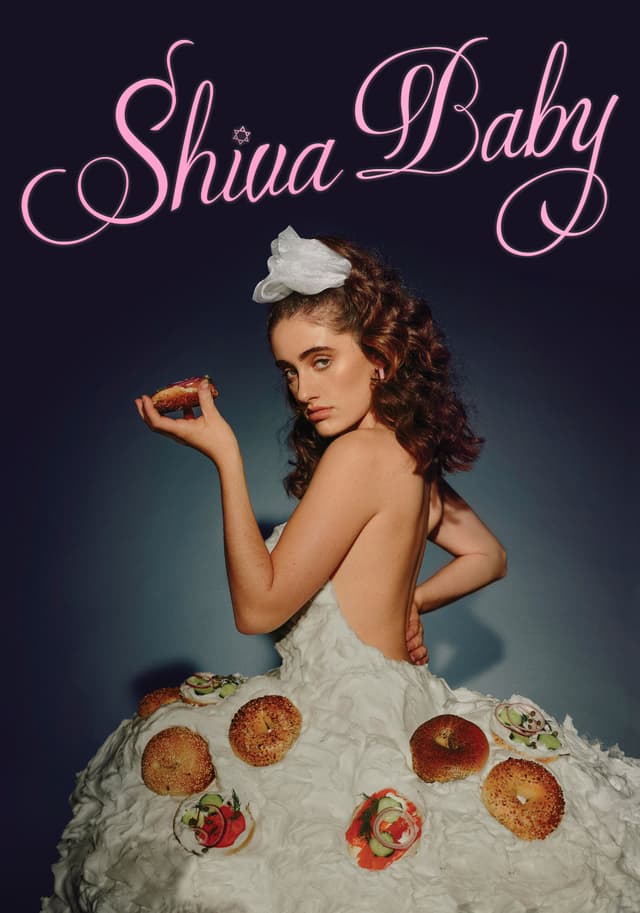
College student Danielle must cover her tracks when she unexpectedly runs into her sugar daddy at a shiva - with her parents, ex-girlfriend and family friends also in attendance.
What is the budget of Shiva Baby?
"Shiva Baby," a comedy released in 2021, was directed by Emma Seligman and stars Rachel Sennott, Molly Gordon. The production budget was $250,000, placing it in the micro-budget range for comedy productions of its era.
Key Budget Allocation Categories
While specific budget breakdowns are not publicly available, typical cost drivers for a comedy production like this include:
- Talent Salaries & Producing Deals: Established comedic talent can command $15 to 20 million per film, with top-tier stars earning even more through producing credits and backend deals.
- Production & Location Filming: While comedies generally avoid the VFX costs of action films, location shooting in recognizable cities or exotic locales adds meaningful production expense.
- Marketing & P&A (Prints & Advertising): Comedies rely heavily on marketing to build opening-weekend momentum.
- Casting: Writer-director Seligman became aware of lead actress Sennott at NYU when Sennott was acting in other students' thesis films and making comedy sketches.
What were the major cost factors in Shiva Baby?
Several factors contributed to the overall production costs of "Shiva Baby."
- Talent Salaries: Talent Salaries & Producing Deals is one of the primary cost drivers in comedy productions of this scale.
- Production: Production & Location Filming is one of the primary cost drivers in comedy productions of this scale.
- Marketing: Marketing & P&A (Prints & Advertising) is one of the primary cost drivers in comedy productions of this scale.
How Does Shiva Baby's Budget Compare to Similar Films?
At $250,000, Shiva Baby sits in the micro-budget range. Here is how it compares to productions with a similar budget:
- High and Low (1963): Budget $250,000
- The Kid (1921): Budget $250,000, Worldwide Gross $5,450,000
- Rashomon (1950): Budget $250,000, Worldwide Gross $117,668
- Peter Pan's Neverland Nightmare (2025): Budget $250,000, Worldwide Gross $1,561,361
- Terrifier 2 (2022): Budget $250,000, Worldwide Gross $15,741,780
The median budget for wide-release comedy films in the 2020s ranges from $30 to 80M for mid-budget to $150M+ for tentpoles.
Shiva Baby Box Office Performance
"Shiva Baby" earned $204,435 domestically and $359,247 worldwide at the box office. Against a production budget of $250,000, the film showed modest profitability in theatrical release.
A film typically needs to earn approximately twice its production budget to cover marketing and distribution costs. For "Shiva Baby," that break-even threshold was roughly $500,000. With worldwide earnings of $359,247, the film fell short of that threshold but recouped its production costs in theatrical release.
Box Office Breakdown
Shiva Baby

At 43.7%, "Shiva Baby" returned its production investment but margin was tight after marketing and distribution costs.
Shiva Baby Production History
Writer-director Seligman became aware of lead actress Sennott at NYU when Sennott was acting in other students' thesis films and making comedy sketches. Thinking that she looked "like someone [Seligman] would run into at a family event", Seligman cast Sennott in their own thesis film, the Shiva Baby short. Sennott was kept on as Danielle when Seligman began expanding Shiva Baby into a feature-length film; they had formed a collaborative bond and Seligman "never even thought about casting someone else", though, unlike her character, Sennott is neither queer nor Jewish.
Shiva Baby was filmed over 16 days in August 2019 at an Airbnb in Flatbush, Brooklyn. Seligman chose the house on because of its dark wood interior and stained-glass windows providing a Yentl-like glow. The shoot was initially planned for summer 2018, which was postponed to 2019; Seligman then wanted to push it again, to 2020, to have more time to raise money, but Sennott "set a timebomb".
Seligman was uncertain if they wanted to use a score for the film when going into production, as they were aiming for realism, but chose to do so to divert focus from background chatter and represent Danielle's emotions. Seligman wanted it to have strings to reflect Klezmer music, without being overpowering, a "sweet spot" that they said composer Ariel Marx achieved. Marx also suggested adding the score to some scenes it had not originally been intended, making them more stressful.
Awards and Recognition
12 wins & 43 nominations total
- Independent Spirit John Cassavetes Award
- National Board of Review: Top Ten Independent Films
Critical Reception
The website's critics consensus reads: "A ruefully funny calling card for debuting director Emma Seligman, Shiva Baby transcends its sitcom setup with strong performances and satisfying insights." Metacritic assigned the film a weighted average score of 79 out of 100, based on 24 critics, indicating "generally favorable reviews".
Frequently Asked Questions
How much did it cost to make Shiva Baby (2021)?
The production budget was $250,000, covering principal photography, cast and crew salaries, locations, sets, post-production, and music. Marketing and distribution (P&A) costs are estimated at an additional $125,000 - $200,000, bringing the total studio investment to approximately $375,000 - $450,000.
How much did Shiva Baby (2021) earn at the box office?
Shiva Baby grossed $204,435 domestic, $154,812 international, totaling $359,247 worldwide.
Was Shiva Baby (2021) profitable?
The film did not break even theatrically, earning $359,247 against an estimated $625,000 needed. Ancillary revenue may have improved the picture.
What were the biggest costs in producing Shiva Baby?
The primary cost drivers were above-the-line talent (Rachel Sennott, Molly Gordon, Polly Draper); star comedian salaries, location filming, and aggressive marketing campaigns.
How does Shiva Baby's budget compare to similar comedy films?
At $250,000, Shiva Baby is classified as a ultra-low-budget production. The median budget for wide-release comedy films in the 2020s ranges from $30 - 80M for mid-budget to $150M+ for tentpoles. Comparable budgets: High and Low (1963, $250,000); The Kid (1921, $250,000); Rashomon (1950, $250,000).
Did Shiva Baby (2021) go over budget?
There are no widely reported accounts of significant budget overruns for this production. However, studios rarely disclose precise budget overrun figures publicly. The reported production budget reflects the final estimated cost.
What was the return on investment (ROI) for Shiva Baby?
The theatrical ROI was 43.7%, calculated as ($359,247 − $250,000) ÷ $250,000 × 100. This measures gross revenue against production budget only - it does not account for P&A or exhibitor shares.
What awards did Shiva Baby (2021) win?
12 wins & 43 nominations total.
Who directed Shiva Baby and who were the key crew members?
Directed by Emma Seligman, written by Emma Seligman, shot by Maria Rusche, with music by Ariel Marx, edited by Hanna Park.
Where was Shiva Baby filmed?
Shiva Baby was filmed in United States of America. Shiva Baby was filmed over 16 days in August 2019 at an Airbnb in Flatbush, Brooklyn. Seligman chose the house on because of its dark wood interior and stained-glass windows providing a Yentl-like glow.
Filmmakers
Shiva Baby

Official Trailer
Build budgets like this one in Saturation
Start from an industry-standard feature film template, import the schedule and rates you already have, and let the cost report keep itself current as you spend. Real-time collaboration, no spreadsheets.