Rogue Budget
Updated
Synopsis
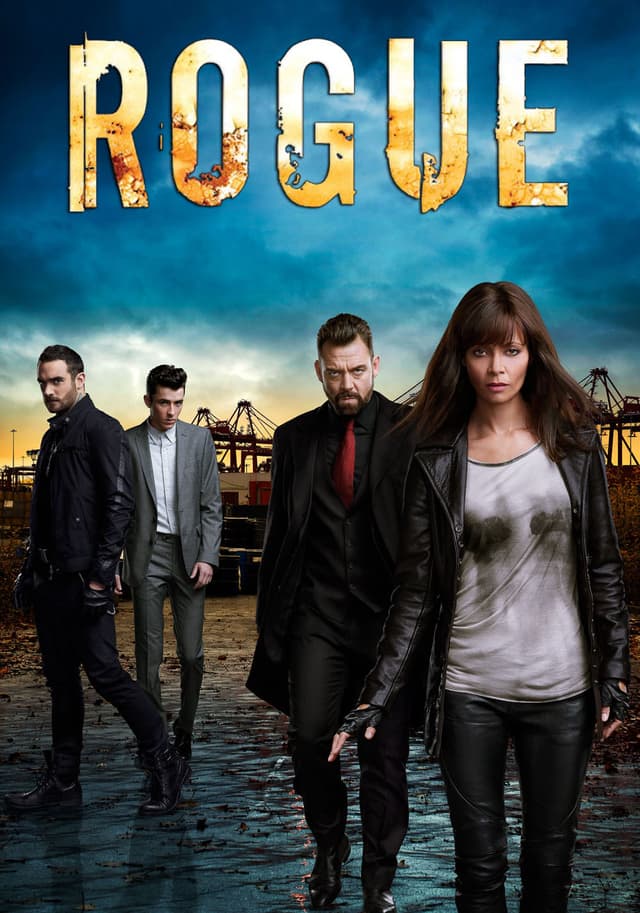
When American journalist Pete McKell joins a Kakadu river-tour party led by guide Kate Ryan, an altercation with locals sends the boat into unfamiliar tidal waters where a massive territorial saltwater crocodile has marked the group as prey. Stranded on a shrinking island as the tide rises, the survivors must outwit the predator before nightfall.
What Is the Budget of Rogue (2007)?
Rogue, the Australian creature-feature directed by Greg McLean and distributed in the United States by The Weinstein Company in 2008, was produced on a reported budget of approximately AUD $26,800,000 (USD $24,000,000 at the 2006 exchange rate). The film was financed primarily by the Australian Film Finance Corporation, the South Australian Film Corporation, and Emu Creek Pictures, McLean's own production company, with international distribution handled by Dimension Films in North America and The Weinstein Company's overseas arm in other territories.
The budget reflected a deliberate scale-up from McLean's breakout debut Wolf Creek (2005), which cost just AUD $1,400,000. Rogue committed substantial capital to animatronic and CG creature effects, a remote Northern Territory location shoot, and an ensemble cast led by Radha Mitchell, Michael Vartan, and Sam Worthington in one of his earliest credited screen roles before Avatar. The production positioned itself as a flagship Australian genre release for the 2007 cinema cycle.
Key Budget Allocation Categories
Rogue's reported AUD $26,800,000 budget was distributed across several core production areas:
- Creature Effects: KNB EFX Group, the prosthetics and animatronic house behind The Mist and Kill Bill, built the full-size practical crocodile puppet used for close-up water shots and attacks. CG work for wide shots was handled by Photon VFX in Brisbane, with several months of pre-visualization and shot-by-shot animation against location plates.
- Northern Territory Location Shoot: Principal photography took place over twelve weeks in Kakadu National Park and at Lake Argyle, requiring a full base camp, riverboat transport for cast and crew, satellite communications, and remote medical support. The territory shoot also necessitated permits for filming in Indigenous-managed land.
- Above-the-Line Cast: Radha Mitchell (Pitch Black, Silent Hill) anchored the cast as river guide Kate Ryan, with Michael Vartan (Alias) as American journalist Pete McKell. Sam Worthington, John Jarratt, Stephen Curry, and Heather Mitchell rounded out the ensemble at pre-Avatar Australian feature rates.
- Practical Effects and Water Unit: A dedicated water unit handled the river sequences, with safety divers, a customized pontoon platform for the animatronic, and weatherproofing for the cameras. Stunt coordinator Glenn Boswell (The Matrix sequels) supervised the in-water attack choreography.
- Production Design: Robert Webb dressed the Arnhem Land tour-boat exteriors and built the central island set where the survivors take refuge. The mangrove and rock-face mattes blended Kakadu plates with constructed close-up environments shot at South Australian Film Corporation's Adelaide facility.
- Score and Sound: Frank Tetaz composed the original score, with sound design by Frank Lipson layering crocodile vocalizations sourced from actual saltwater specimens. The Dolby Digital mix was completed at Soundfirm in Sydney.
How Does Rogue's Budget Compare to Similar Films?
At a reported AUD $26,800,000, Rogue sits in the mid-range of theatrical creature features released in the same era:
- Lake Placid (1999): Budget $27,000,000 | Worldwide $56,870,414. Stan Winston's animatronic croc film cost almost exactly the same as Rogue and doubled its theatrical haul, illustrating how a comedic tone and a North American studio rollout outperformed Rogue's serious genre framing.
- Anaconda (1997): Budget $45,000,000 | Worldwide $136,885,767. The Jennifer Lopez snake thriller cost nearly twice as much and out-grossed Rogue by an order of magnitude, the result of major-studio marketing muscle and a wider summer release window.
- Crawl (2019): Budget $13,500,000 | Worldwide $91,492,170. Alexandre Aja's hurricane-and-alligators thriller cost roughly half of Rogue and out-grossed it almost twenty-fold, demonstrating how a high-concept marketing hook can amplify a smaller creature film.
- Jaws (1975): Budget $9,000,000 | Worldwide $476,512,065. Spielberg's original benchmark cost a third of Rogue in nominal dollars but launched the modern aquatic-creature genre. The Rogue team has cited Jaws as a touchstone in interviews.
- Wolf Creek (2005): Budget AUD $1,400,000 | Worldwide $27,762,648. McLean's breakout outback horror cost roughly five percent of Rogue and earned more theatrically, a striking inversion of the budget-to-gross trajectory that contributed to Rogue's commercial disappointment.
Rogue Box Office Performance
Rogue opened in Australian theaters on November 8, 2007, and was held back from a wide United States release until April 2008, when The Weinstein Company gave the film a limited theatrical run on just ten screens before pivoting to home video. The film grossed AUD $929,236 in Australia and approximately $35,000 in its truncated United States theatrical run, a commercial outcome wildly out of step with its production scale.
Against a reported AUD $26,800,000 production budget (approximately USD $24,000,000), the film required roughly USD $50,000,000 in worldwide gross to break even after marketing. Here is the financial breakdown:
Box Office Breakdown
Rogue

Rogue returned approximately $0.04 in worldwide theatrical revenue for every $1 invested, making it one of the most decisive commercial failures in modern Australian cinema. The Weinstein Company's decision to bury the film in a ten-screen US release without meaningful marketing support is widely cited as the proximate cause of the theatrical collapse, though the underlying difficulty of selling a serious creature film against the post-Lake Placid comedic-monster trend was also a factor.
Home video and pay television performance was somewhat stronger, with the film building a cult reputation through DVD and later streaming exposure, but the theatrical math made it a textbook example of a well-crafted genre film failing on distribution rather than execution.
Rogue Production History
Development on Rogue began in late 2005 immediately after the festival success of Wolf Creek, with McLean writing the screenplay specifically to capitalize on the international attention his debut had generated. The story drew loose inspiration from the 1979 saltwater crocodile attack involving the so-called Sweetheart, a 5.1-meter specimen that repeatedly attacked tourist boats on the Finniss River before being captured and killed.
Principal photography ran from May to August 2006 in Australia's Northern Territory, with primary location work in Kakadu National Park and at Lake Argyle. The production used the Australia Refundable Film Tax Offset to anchor the financing, supplemented by South Australian Film Corporation funding and a co-production structure between Emu Creek and the financiers.
Post-production stretched through 2007 to accommodate the extensive CG work required for wide shots of the crocodile, with Photon VFX in Brisbane handling the bulk of the digital creature animation. KNB EFX Group's practical animatronic, built in Los Angeles and shipped to Australia, was used for all close-up water-level shots. McLean and editor Jason Ballantine spent four months in post tightening the suspense sequences before locking the cut for the Toronto International Film Festival premiere in September 2007.
Awards and Recognition
Rogue swept the 2008 Australian Film Institute Awards in the technical categories, winning Best Sound (Frank Lipson, Glenn Newnham, Phil Heywood, John Patterson, and Andrew Plain), Best Visual Effects (Photon VFX), Best Cinematography (Will Gibson), and Best Production Design (Robert Webb). The film was also nominated for Best Film, Best Director, and Best Editing.
Internationally the film won the Audience Award at the 2007 Toronto After Dark Film Festival and was nominated at the Saturn Awards for Best Horror Film. The recognition concentrated heavily on technical craft rather than narrative or performance, an outcome consistent with the film's reputation among genre critics as visually accomplished but commercially mishandled.
Critical Reception
Rogue received generally positive reviews from critics who saw it. The film holds an 80% approval rating on Rotten Tomatoes based on 51 critic reviews, with a critical consensus that called it "a tense, well-crafted creature feature." On Metacritic, the film scored 65 out of 100, indicating generally favorable reviews. The disparity between strong critical reception and disastrous box office results made Rogue a frequently cited case study in distribution failure.
Critics praised McLean's patient pacing, Will Gibson's cinematography of the Northern Territory landscape, and the restraint with which the crocodile attacks were staged. Variety's Peter Debruge wrote that McLean "delivers genuine scares without resorting to gore-soaked excess," while The Hollywood Reporter's Frank Scheck called it "an unusually intelligent monster movie that respects its audience." Roger Ebert gave the film three and a half stars and singled out the lakeside set piece as one of the best sustained suspense sequences of the year.
Genre press was similarly enthusiastic. Bloody Disgusting called it "the saltwater croc movie Jaws fans have been waiting thirty years for," and Fangoria praised the integration of practical and digital effects. The film's reputation has continued to grow through home video, with multiple retrospective pieces citing it as one of the most underseen creature features of the 2000s.
Frequently Asked Questions
How much did it cost to make Rogue (2007)?
The reported production budget was AUD $26,800,000, equivalent to approximately USD $24,000,000 at the 2006 exchange rate. The film was financed by the Australian Film Finance Corporation, the South Australian Film Corporation, and Greg McLean's Emu Creek Pictures, with international distribution handled by Dimension Films and The Weinstein Company.
How much did Rogue earn at the box office?
The film grossed AUD $929,236 in its Australian theatrical run from November 2007 and approximately USD $35,000 in its ten-screen United States limited release in April 2008. Total worldwide theatrical earnings were approximately USD $1,200,000, a commercial outcome wildly disproportionate to the production scale.
Was Rogue a box office bomb?
Yes. Against an estimated USD $24,000,000 production budget and roughly USD $8,000,000 to $12,000,000 in marketing spend, the film returned only about USD $1,200,000 in worldwide theatrical revenue, or roughly $0.04 for every $1 invested. The Weinstein Company's decision to bury the United States release is widely cited as the proximate cause of the collapse.
Who directed Rogue?
Greg McLean directed and wrote Rogue. The Australian filmmaker had broken out two years earlier with Wolf Creek (2005), which cost AUD $1,400,000 and grossed over USD $27,000,000 worldwide. Rogue was his second feature and represented a substantial budget escalation from his debut.
Where was Rogue filmed?
Principal photography took place from May to August 2006 in Australia's Northern Territory, with primary location work at Kakadu National Park and Lake Argyle. Studio work and creature-effects pickups were completed at the South Australian Film Corporation facility in Adelaide. The production used Australia's Refundable Film Tax Offset to anchor financing.
Is the crocodile in Rogue real?
No. The crocodile is a combination of a full-size animatronic puppet built by KNB EFX Group in Los Angeles, used for close-up water-level shots, and CG creature animation by Photon VFX in Brisbane for wide shots and full-body movement. The story was loosely inspired by the 1979 Sweetheart crocodile attacks on the Finniss River.
Who stars in Rogue?
Radha Mitchell stars as river guide Kate Ryan, with Michael Vartan as American journalist Pete McKell. The supporting cast includes Sam Worthington in one of his early roles before Avatar, John Jarratt (a Wolf Creek alumnus), Stephen Curry, Heather Mitchell, Caroline Brazier, and Robert Taylor.
How does Rogue compare to other crocodile movies?
Rogue cost roughly the same as Lake Placid (1999, $27M budget, $56.8M worldwide) but earned only a fraction of its theatrical revenue. Compared to Anaconda (1997, $45M budget, $136.9M worldwide) and Crawl (2019, $13.5M budget, $91.5M worldwide), Rogue's gross-to-budget ratio is the weakest by a wide margin, primarily because of distribution failure rather than the quality of the film itself.
Did Rogue win any awards?
Yes. Rogue swept the technical categories at the 2008 Australian Film Institute Awards, winning Best Sound, Best Visual Effects, Best Cinematography, and Best Production Design. The film also won the Audience Award at the 2007 Toronto After Dark Film Festival and was nominated at the Saturn Awards for Best Horror Film.
What did critics think of Rogue?
Rogue received generally positive reviews, holding an 80% approval rating on Rotten Tomatoes based on 51 critic reviews and a 65 out of 100 score on Metacritic. Roger Ebert gave it three and a half stars. The disparity between strong critical reception and disastrous box office results has made Rogue a frequently cited case study in distribution failure.
Filmmakers
Rogue

Official Trailer
Build budgets like this one in Saturation
Start from an industry-standard feature film template, import the schedule and rates you already have, and let the cost report keep itself current as you spend. Real-time collaboration, no spreadsheets.