Passenger Budget
 HorrorThriller94 minutes
Updated
Synopsis
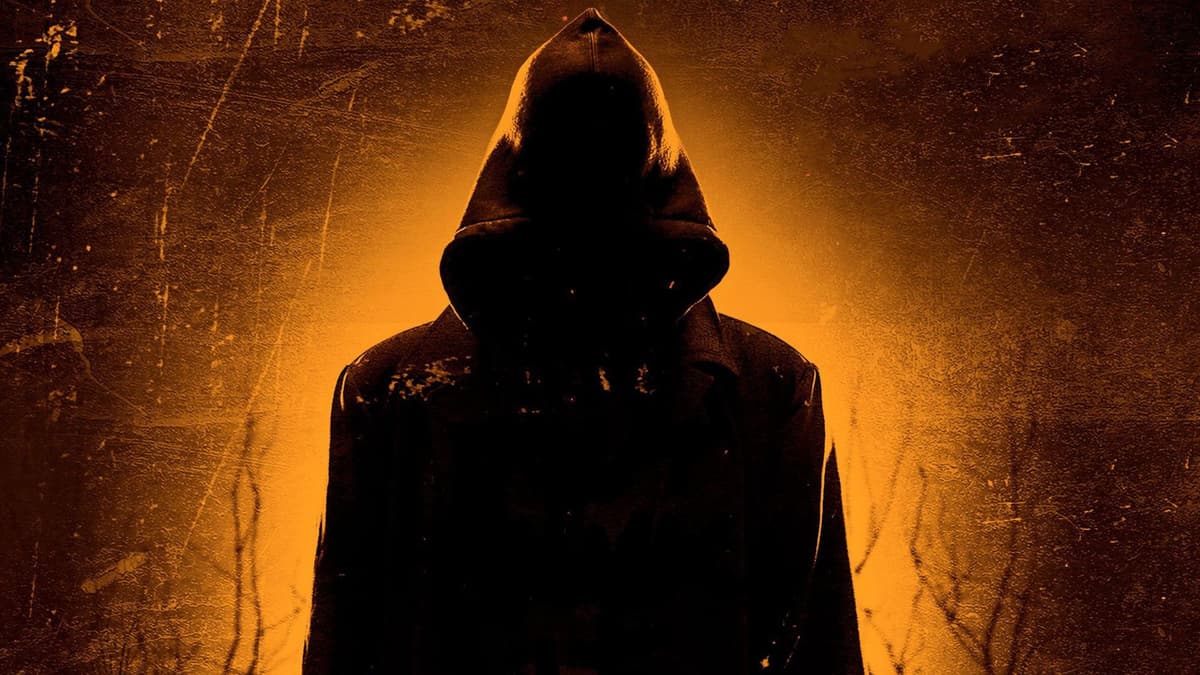
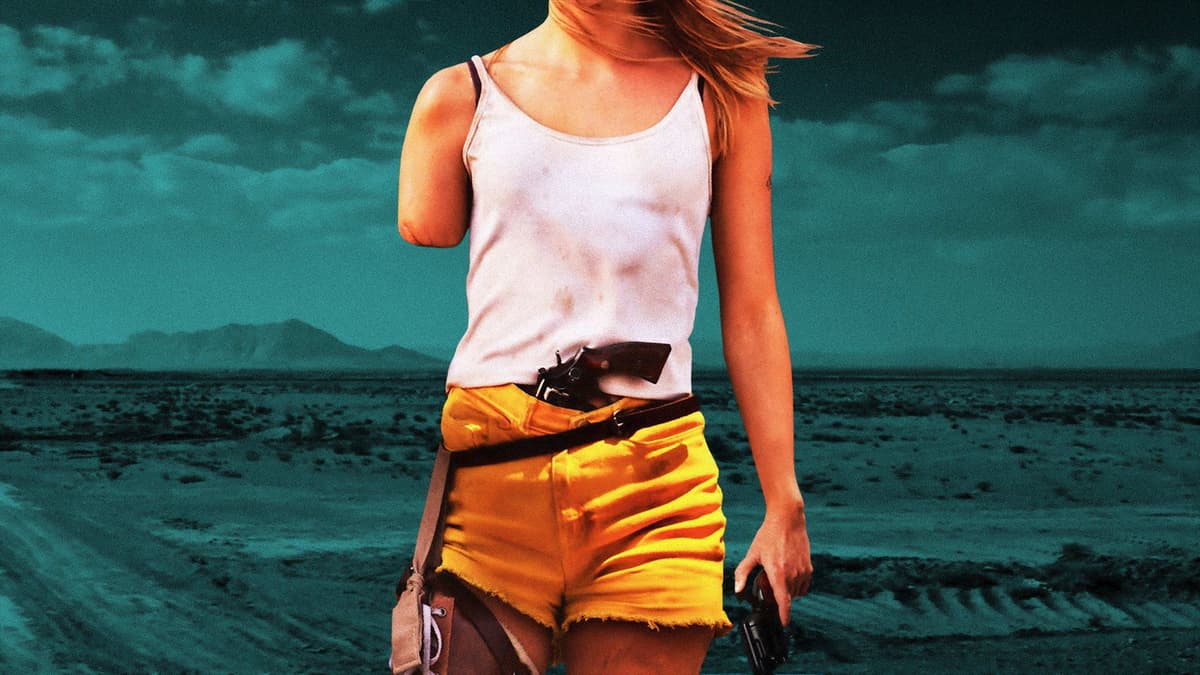
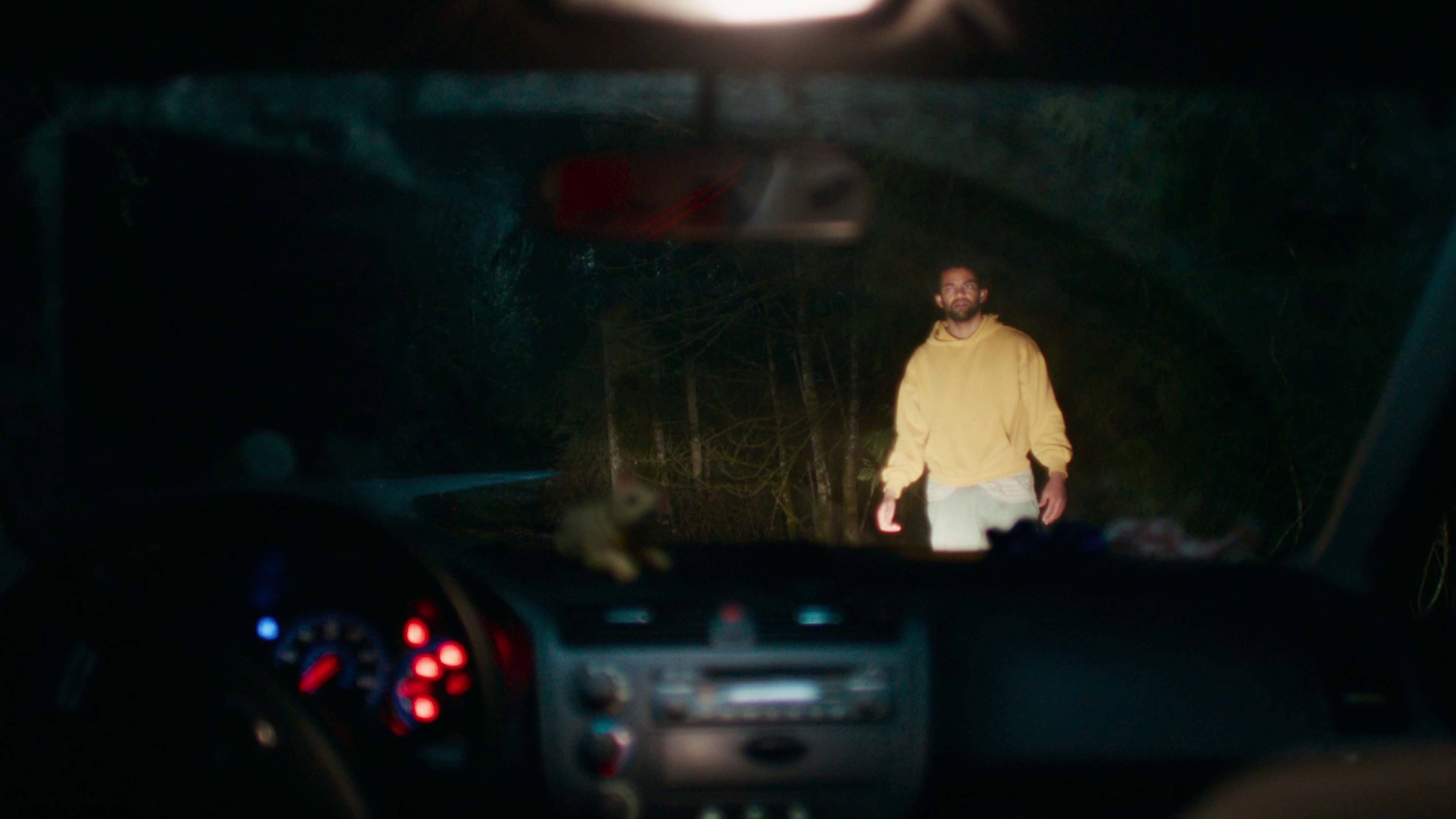
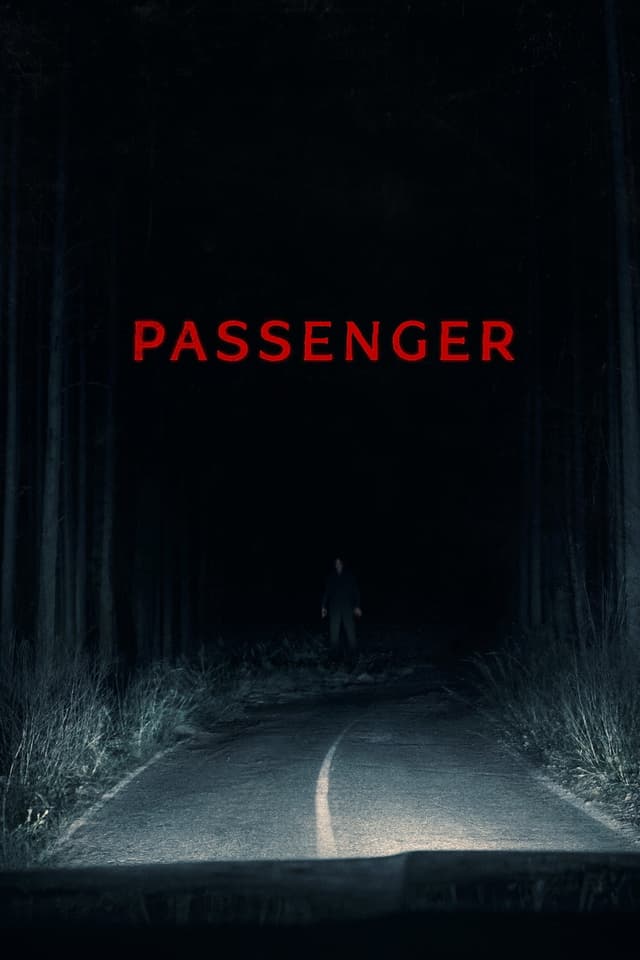
After a young couple witnesses a gruesome highway accident, they soon realize they did not leave the crash scene alone, as a demonic presence called the Passenger that won't stop until it claims them both turns their van life adventure into a nightmare.
What Is the Budget of Passenger?
Passenger (2026) does not have a publicly disclosed production budget. Based on the profile of the production, including its Paramount Pictures distribution deal, the involvement of producers Walter Hamada and Gary Dauberman, and the scale of a road-trip supernatural horror film with a mid-tier cast, the film sits comfortably in the small-to-mid-budget horror range, likely between $10 million and $40 million.
Walter Hamada, the former president of DC Films at Warner Bros., brings significant studio experience to the project. Gary Dauberman, the screenwriter and producer behind the It franchise and The Nun series, has a well-established track record of delivering high-return horror films at controlled budgets. Together they formed 18Hz Productions alongside Coin Operated as co-production banner. Paramount Pictures handles worldwide distribution.
The film is directed by Andre Ovredal, whose prior horror features have consistently operated in this budget tier. His 2016 film The Autopsy of Jane Doe was produced for roughly $10 million, and Scary Stories to Tell in the Dark (2019) carried a reported budget of $25 million under Guillermo del Toro's producing banner. Passenger appears to fall within a similar range, balancing practical horror craft against commercial viability.
Key Budget Allocation Categories
A road-trip supernatural horror film like Passenger distributes its production budget across several specialized areas:
- Location filming and logistics - Filming on remote highways, desert stretches, and isolated roadside settings requires extensive location scouting, road closures, and on-location logistics. Practical locations add authenticity but also drive up transportation, accommodations, and crew costs compared to stage-based productions.
- Practical creature and demon effects - Practical effects remain the gold standard in elevated horror. Designing, building, and operating physical creature rigs for the demonic threat at the center of the film represents a significant line item, likely supplemented by selective VFX compositing to extend and refine the on-set work.
- Cast salaries - The ensemble includes Melissa Leo, an Academy Award winner, alongside rising international talent Lou Llobell (known from the sci-fi film Finch) and Jacob Scipio, who appeared in Bad Boys for Life and The Suicide Squad. Securing this range of talent across career stages requires a meaningful above-the-line spend.
- Sound design and score - Supernatural horror lives and dies by its audio. Composer Christopher Young, whose credits include Hellraiser, Drag Me to Hell, and Sinister, brings decades of genre expertise to the film. His collaboration with sound designers to build the film's sonic world, particularly the atmospheric tension of an isolated highway at night, represents a craft investment that defines the audience experience.
- Cinematography and lighting - Shooting primarily at night in remote exterior locations demands specialized lighting rigs, high-ISO camera packages, and the kind of lighting design that makes practical darkness feel intentional rather than cheap. The visual grammar of a horror road movie requires sustained craft investment at this level.
- Post-production and VFX - While Passenger appears to prioritize practical effects, modern horror films still dedicate a meaningful post-production budget to visual effects refinement, sound mixing, color grading, and the finishing work that separates a polished theatrical release from a festival cut.
How Does Passenger's Budget Compare to Similar Films?
Passenger occupies an interesting position in the horror landscape, operating in the tradition of road-based supernatural horror while carrying Paramount's distribution muscle. Several comparable films provide useful context:
- Jeepers Creepers (2001) - Budget $10M, worldwide gross $37M. Victor Salva's creature feature became a genre benchmark for rural highway horror on a lean budget. Passenger shares its DNA: isolated roads, an unknown threat, and survivors trapped without easy escape. The comparable scale reinforces that strong horror ideas don't require massive spending.
- Duel (1971) - Steven Spielberg's directorial breakthrough was made for television at minimal cost yet remains one of the most effective road-horror films ever made. Its influence on highway horror is pervasive, and Andre Ovredal's approach to slow-building dread in films like The Autopsy of Jane Doe places him in this same tradition of using geography and tension rather than spectacle.
- It Follows (2014) - Budget $2M, worldwide gross $20M. David Robert Mitchell's supernatural slow-burn became one of the most profitable horror films of the decade on a minimal budget. Its success demonstrated that contemporary supernatural horror could achieve massive cultural impact without studio-scale spending, a model Dauberman knows well from his work on the Conjuring universe.
- The Autopsy of Jane Doe (2016) - Directed by Ovredal himself for approximately $10 million, this film grossed over $6 million theatrically and found its true audience on home video and streaming. It established Ovredal as a filmmaker who could deliver controlled, intelligent horror with limited resources, precisely the reputation that makes him an ideal choice for Passenger.
- Scary Stories to Tell in the Dark (2019) - Ovredal's most commercially scaled horror project, budgeted at $25 million and grossing $68 million worldwide. Produced under Guillermo del Toro, it demonstrated that Ovredal could execute mid-budget studio horror with broad appeal. Passenger appears to target a similar audience and scale.
Passenger Box Office Performance
Passenger opened in the United States on May 22, 2026, distributed by Paramount Pictures. The film earned $8,746,797 domestically over its three-day opening weekend, expanding to approximately $10,400,000 over the four-day Memorial Day holiday frame. It has since reached $12,669,276 domestically and $9,700,000 internationally for a worldwide total of $24,969,276 as tracked by Box Office Mojo, with the theatrical run still ongoing. Industry reports noted that the film recovered its production budget within its first four days of release, a benchmark that points to a modestly scaled production cost well below the marketing-inclusive break-even threshold.
Box Office Breakdown
Passenger (2026)

Horror films historically deliver their most meaningful box office numbers in the opening weekend, when word-of-mouth from early audiences combines with pre-release marketing momentum. The genre is defined by spikes rather than legs: films like A Quiet Place, Get Out, and The Nun all made a substantial share of their domestic totals in the first three days of release. Passenger's $8,746,797 opening weekend places it in the mid-tier of recent Paramount horror releases, below the level required to generate breakout franchise momentum but sufficient, given the modest production scale, to return a positive result at the theatrical level.
The Dauberman and Hamada producing combination has a strong track record on home video and streaming. Many of their horror productions have earned multiples of their theatrical gross through ancillary markets, which means Passenger's ultimate financial performance will likely extend well beyond its theatrical run. A CinemaScore of B- is on the lower end for the genre and signals mixed word of mouth, which typically limits theatrical legs, but streaming and VOD performance for horror films is often inversely correlated with theatrical CinemaScore: audiences who missed a divisive film in theaters often seek it out on demand.
Passenger Production History
Passenger was announced in October 2024 when Paramount Pictures revealed the project with Andre Ovredal attached to direct. The script was written by T.W. Burgess and Zachary Donohue, and the production was set up through 18Hz Productions and Coin Operated, the banners of producers Walter Hamada and Gary Dauberman respectively.
The pairing of Hamada and Dauberman brought together two of horror's most commercially experienced figures. Hamada spent years at Warner Bros. overseeing both DC Films and New Line Cinema's horror slate, where he shepherded the Conjuring universe to over $2 billion in worldwide grosses. Dauberman is the screenwriter of It, It Chapter Two, Annabelle: Creation, and The Nun, and directed Annabelle Comes Home. Their collaboration on Passenger marked a new phase of Hamada's post-Warner career.
Andre Ovredal brings an exceptional genre pedigree to the project. His debut feature, the Norwegian found-footage film Trollhunter (2010), earned international acclaim and demonstrated his ability to build mythology and dread on a limited budget. The Autopsy of Jane Doe (2016) confirmed his skill with confined-space horror and psychological tension. Scary Stories to Tell in the Dark (2019) showed he could operate within a studio framework while preserving genuine unease. Passenger represents his return to smaller-scale, grounded supernatural horror.
Cast announcements came in January 2025. Lou Llobell, the Spanish actress who starred opposite Tom Hanks in Finch (2021), leads the film. Jacob Scipio, who appeared in Bad Boys for Life and The Suicide Squad, plays a key role. Melissa Leo, the Academy Award winner for The Fighter (2010), rounds out the central cast alongside Joseph Lopez, Tony Doupe, and Bonni Dichone. Principal photography began in January 2025.
Christopher Young was confirmed as composer for the film. Young has scored some of the most influential horror films in the genre's history, including Hellraiser (1987), Hellbound: Hellraiser II (1988), Drag Me to Hell (2009), and Sinister (2012). His involvement signals Passenger's commitment to a fully realized sonic identity rather than the generic horror score that often marks lower-tier productions.
The film was initially scheduled for release on May 29, 2026. Paramount moved the date one week earlier to May 22, 2026, placing Passenger ahead of competing genre releases including The Backrooms and Scary Movie. The shift gave the film a less congested opening weekend and clearer positioning with horror audiences seeking the first major theatrical genre event of the late-May window.
Awards and Recognition
Passenger arrived in theaters on May 22, 2026, and is too recent a release for awards consideration or festival recognition to have accumulated. The awards cycle for films released in this window typically does not begin in earnest until fall festival screenings at Venice, Toronto, and Telluride, and horror films competing for major categories often require sustained critical attention over several months before awards organizations take notice.
That said, the creative team carries considerable recognition within the genre. Andre Ovredal received widespread critical praise for both The Autopsy of Jane Doe and Scary Stories to Tell in the Dark, with the latter earning particularly strong notices for his direction of practical creature sequences and atmospheric set pieces. Within the horror community, Ovredal is regarded as one of the genre's most technically skilled directors currently working in studio film.
Gary Dauberman's producing work has been recognized through the commercial and cultural success of the Conjuring universe, which remains one of the highest-grossing horror franchises in history. Christopher Young received a Saturn Award nomination for his score on Sinister, and his body of work is regularly cited as foundational to the sound of modern American horror. As the film's release expands and critical consensus develops, awards visibility may emerge, particularly in craft categories.
Critical Reception
Passenger opened to mixed reviews from critics and audiences alike. On Rotten Tomatoes, the film holds a 48% Tomatometer score from 77 reviews, with the site's consensus reading: "A stylish ride weighed down by the litany of cliches it picks up along the way, Passenger drives in circles but has some memorable bumps and jolts during the journey." The Popcornmeter audience score stands at 53%, an unusually close alignment between critics and general audiences that underscores the film's genuinely polarizing qualities. On Metacritic, the film holds a 52 out of 100 from 14 critics, indicating mixed or average reviews. Audiences surveyed by CinemaScore gave the film a B-, a below-average result for a wide-release horror title.
Critical response centered on a consistent tension: Andre Ovredal's visual and atmospheric craft versus a screenplay that reviewers found derivative. Variety's review, headlined "Roadbound Horror is a Stylish, Satisfying Thrill-Ride," landed on the positive side of the divide, praising Ovredal's control of confined space and the film's practical-leaning approach to its supernatural threat. Critics who admired The Autopsy of Jane Doe tended to find enough of Ovredal's discipline in Passenger to recommend it, even when acknowledging the script's reliance on familiar genre beats.
Negative notices focused on the screenplay's failure to develop its characters or its central mystery with enough originality to justify the familiar setup. The film's 48% Tomatometer reflects a reviewer cohort split roughly down the middle between those who found Ovredal's craft sufficient compensation for the thin story and those who felt the execution never transcended its influences. Melissa Leo's performance drew consistent praise across both camps, with critics citing her commitment and screen authority as the film's most reliable asset regardless of their overall verdict.
The 53% Popcornmeter and B- CinemaScore together paint a picture of an audience that found the film competent but not memorable. For a horror release in the $8-10 million opening weekend range, the absence of strong word of mouth typically limits theatrical upside, and the close alignment between critic and audience scores here suggests the mixed reception is genuine rather than a case of critics and general audiences evaluating the film on different terms.
Filmmakers
Passenger (2026)

Official Trailer
Build budgets like this one in Saturation
Start from an industry-standard feature film template, import the schedule and rates you already have, and let the cost report keep itself current as you spend. Real-time collaboration, no spreadsheets.