Overlord Budget
Updated
Synopsis
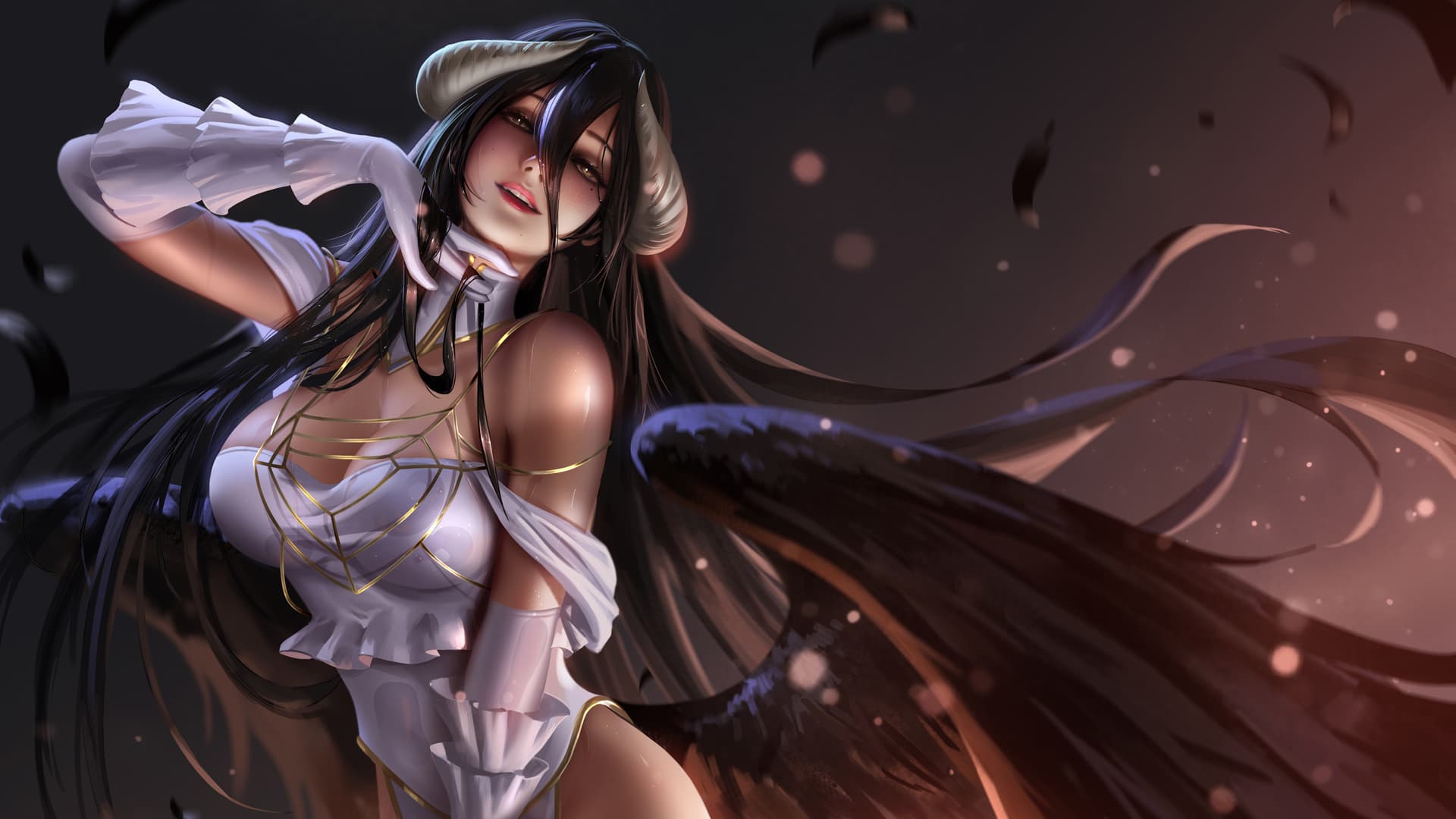
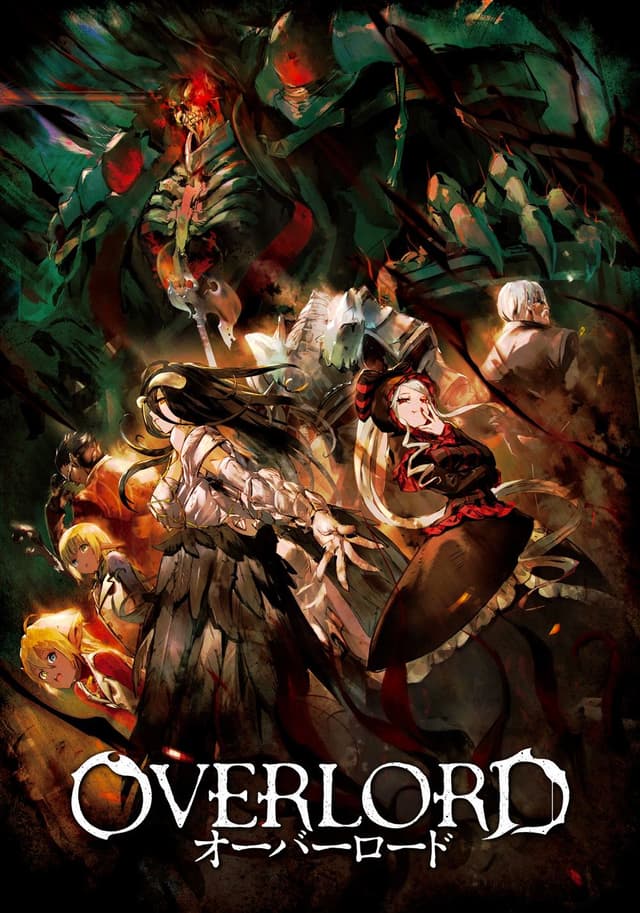
Overlord (2015) follows Momonga (Satoshi Hino), a player-character in the dying virtual-reality MMO Yggdrasil who, on the night of the game's shutdown, finds himself transported into the game world as his undead-overlord character Ainz Ooal Gown alongside his loyal NPC subordinates. The Madhouse Inc. four-season anime adaptation of Kugane Maruyama's isekai light-novel series, premiering July 2015 on AT-X and partner Japanese networks, follows Ainz's gradual rise as the ruler of the demi-human Sorcerer Kingdom in a world where his maxed-out video-game character makes him effectively unstoppable.
What Is the Budget of Overlord (2015)?
Overlord (2015), the Madhouse Inc. anime series based on Kugane Maruyama's isekai light-novel series, was produced on an estimated per-episode budget of approximately $200,000 to $400,000 across its four-season run from July 2015 through the present, with cumulative spend across the fifty-two broadcast episodes plus theatrical-recompilation films estimated at approximately $15,000,000 to $25,000,000 in period yen-to-dollar terms. Specific Japanese anime budgets are rarely disclosed, but Madhouse Inc.'s production placed Overlord in the upper-mid tier of late-2010s late-night anime, anchored by the source novels' Kadokawa publishing prominence and a stable production-committee financing model spanning Kadokawa, Madhouse, AT-X, and licensing partners.
The per-episode tariff reflected the show's elaborate CG-augmented battle sequences, dense world-building with a recurring large cast of skeleton, demi-human, and humanoid characters, and the demanding hand-drawn-and-CG hybrid animation pipeline that defined late-2010s premium Japanese television anime. The four-season order, the Madhouse production base, and the recurring theatrical-recompilation film releases pushed the cumulative property investment well above standard single-cour late-night anime.
Key Budget Allocation Categories
Overlord's per-episode anime spend broke down across the cost centres typical of a mid-2010s premium Japanese television anime, with several show-specific items reflecting the property's elaborate world-building:
- Above-the-Line Creative Direction: Director Naoyuki Itou (Btooom!, Akagami no Shirayuki-hime) anchored the four-season creative across Madhouse Inc. Series composer Yukie Sugawara and character designer Satoshi Tasaki rendered the property's recurring large cast of guild-member NPC characters across the run, with each season's character-design and key-frame leads commanding premium rates against Madhouse's established late-2010s tariff.
- Hand-Drawn Animation Pipeline: Each twenty-three-minute broadcast episode required the standard Japanese television anime workflow of layout, key animation, in-between animation, color, and composite work, with Madhouse Inc.'s in-house pipeline supplemented by recurring outsourced partner studios across the four-season run. Key animation alone typically absorbed thirty to forty percent of episodic spend.
- CG Battle Sequences: The show's defining set pieces required large-scale CG crowd, magic-effect, and skeleton-army renders integrated with traditional hand-drawn character work. CG augmentation expanded materially across the seasons, with the Sorcerer Kingdom-era battle sequences in seasons three and four representing the show's heaviest CG load.
- Voice Cast and Recording: Satoshi Hino as Momonga / Ainz Ooal Gown, Yumi Hara as Albedo, Sumire Uesaka as Shalltear Bloodfallen, Masayuki Katō as Demiurge, Manami Numakura as Narberal Gamma, and a rotating large ensemble across the four seasons commanded standard Tokyo-anime seiyu rates with senior leads at premium tariff. The large recurring cast pushed weekly recording costs above standard late-night anime norms.
- Original Music: Composer Shūji Katayama anchored the show's orchestral-and-electronic score across the four-season run. Opening and ending theme licensing across the seasons featured OxT, Mass of the Fermenting Dregs, and other Japanese rock-and-electronic acts, with the music-licensing and original-composition lines forming a recurring weekly cost.
- Production Committee Marketing: The Kadokawa-led production committee absorbed marketing, broadcast-acquisition, and licensing-coordination costs across the run. The committee model, standard for Japanese television anime, distributed financial risk across publishing (Kadokawa), animation (Madhouse), broadcast (AT-X and partner networks), and merchandising-and-licensing partners.
- Recompilation Films: The theatrical-recompilation films "Overlord: The Undead King" (2017) and "Overlord: The Dark Hero" (2017), plus the all-new "Overlord: The Sacred Kingdom" (2024) original-content theatrical feature, formed parallel production-pipeline investments above the broadcast-anime tariff. The 2024 theatrical feature in particular represented a meaningful incremental property-investment tier.
- International Streaming Rights: Funimation (later Crunchyroll) acquired North American and English-language streaming rights across the run, with Madman Entertainment (Australia and New Zealand) and other regional partners completing the licensing map. The streaming-rights revenues offset a meaningful share of production-committee investment from the late-2010s onward.
How Does Overlord's Budget Compare to Similar Series?
At an estimated $200,000 to $400,000 per episode, Overlord sat in the upper-mid tier of late-2010s late-night Japanese television anime, comparable to peer-tier Madhouse and Kadokawa-financed series and below premium-cinematic feature-anime tariffs. The comparison set illustrates how its production scale stacked up:
- Sword Art Online (2012): Estimated per-episode budget approximately $200,000 to $400,000. A-1 Pictures's anchor late-2010s isekai anime, the closest structural comparator to Overlord (video-game-world fantasy with a player-character lead), ran at comparable per-episode tariff and dominated the late-2010s isekai market that Overlord shared.
- Re:Zero Starting Life in Another World (2016): Estimated per-episode budget approximately $200,000 to $350,000. White Fox's isekai-anime peer to Overlord, premiering one year later from the same Kadokawa light-novel publishing ecosystem, ran at comparable tariff with similar production-committee economics.
- Attack on Titan (2013): Estimated per-episode budget approximately $300,000 to $500,000. Wit Studio's (later MAPPA's) anchor late-2010s premium anime priced modestly above Overlord across its first three seasons, with the gap widening in the MAPPA-produced final seasons as the show's premium tariff escalated.
- That Time I Got Reincarnated as a Slime (2018): Estimated per-episode budget approximately $200,000 to $400,000. Eight Bit's peer isekai anime, frequently compared with Overlord, ran at comparable tariff and is the most direct contemporary structural comparator in the "protagonist-builds-a-monster-kingdom" subgenre.
- Demon Slayer: Kimetsu no Yaiba (2019): Estimated per-episode budget approximately $500,000 to $1,000,000. Ufotable's premium-tier television anime, anchoring the modern Japanese theatrical-and-television premium-anime ceiling, priced roughly twice to three times Overlord's tariff, illustrating the gap between mid-tier light-novel anime and premium-cinematic-tier television anime in the late 2010s and early 2020s.
- Overlord: The Sacred Kingdom (2024): Estimated budget approximately $5,000,000 to $10,000,000. The theatrical original-content feature in the Overlord property cost roughly 15 to 30 episodic budgets, illustrating the gap between television-anime and feature-anime production economics within the same property.
Overlord Season Performance and Syndication
Overlord premiered on AT-X and partner networks on July 7, 2015, to immediate strong domestic and international anime-fandom reception. The economic framework across the run breaks down as follows:
- Per-Episode Budget: approximately $200,000 to $400,000 across the four-season run
- Total Series Investment: approximately $15,000,000 to $25,000,000 across fifty-two broadcast episodes plus theatrical recompilations and the 2024 all-new feature
- Network: AT-X (anime-specialty satellite channel) and partner late-night terrestrial networks in Japan; Crunchyroll (formerly Funimation) for North American and English-language streaming; Madman Entertainment for Australia and New Zealand
- Audience/Ratings: AT-X late-night ratings are not publicly disclosed; the show's strong Blu-ray-and-DVD sales (each season selling tens of thousands of units in the limited-edition Japanese collector market) and consistent international streaming engagement anchored its long-tail economics
- International Distribution: Funimation (then Crunchyroll) acquired English-language streaming rights for North America, with subsequent global rollout across Crunchyroll territories; Kadokawa's licensing partners managed broader Asian, European, and Latin American distribution
- Library/Syndication Value: streaming on Crunchyroll worldwide and selected partner services; Blu-ray-and-DVD limited-edition releases continue to drive Japanese collector revenue; the source light-novel series and manga continue to drive parallel publishing revenue
The four-season anime order, the parallel theatrical-recompilation strategy, and the all-new 2024 theatrical feature reflect a property-investment trajectory unusual for late-night Japanese television anime. The Kadokawa production-committee model financed each season as a discrete investment, with the consistent Blu-ray sales, light-novel publishing revenue, and Crunchyroll streaming-rights revenue underwriting subsequent-season commissioning across the late-2010s and early-2020s anime market.
Season four (titled Overlord IV) premiered in July 2022 and is the most recent broadcast season as of the current writing, with the 2024 all-new theatrical feature Overlord: The Sacred Kingdom representing the property's most recent original-content release. The light-novel source material continues to publish, with further anime adaptations of the unadapted source-novel arcs ongoing speculation across Kadokawa's anime-and-publishing pipeline.
Overlord Production History
Kugane Maruyama's Overlord light-novel series began publishing online in 2010 and was acquired for print publication by Kadokawa's Enterbrain imprint in 2012, with so-bin's character illustrations defining the property's visual identity. By 2014, the light-novel series had become one of Kadokawa's top-selling isekai properties, anchoring a multi-property anime-adaptation pipeline that produced the Madhouse Inc. anime adaptation for July 2015 broadcast on AT-X and partner networks.
Director Naoyuki Itou (Btooom!) joined Madhouse Inc. to anchor the four-season anime adaptation, working with series composer Yukie Sugawara and character designer Satoshi Tasaki. Madhouse Inc.'s production base in Tokyo anchored the hand-drawn key animation, with recurring outsourced partner studios completing in-between animation, color, and composite work across the four-season run. Composer Shūji Katayama anchored the orchestral-and-electronic score, with opening and ending theme licensing across the seasons featuring OxT and other Japanese rock-and-electronic acts.
Voice cast Satoshi Hino as Momonga / Ainz Ooal Gown, Yumi Hara as Albedo, Sumire Uesaka as Shalltear Bloodfallen, Masayuki Katō as Demiurge, and Manami Numakura as Narberal Gamma anchored the recurring large ensemble across the four-season run. The voice-cast pool expanded materially across the seasons as the source novel's recurring large cast (the One Hundred Guild Members of Ainz Ooal Gown plus the demi-human and humanoid Sorcerer Kingdom characters) populated the broadcast adaptation.
The theatrical-recompilation films Overlord: The Undead King (2017) and Overlord: The Dark Hero (2017) recompiled the first-and-second season anime episodes into theatrical format, with the recompilations performing strongly in the Japanese theatrical market and providing the property-investment scaffolding for subsequent season commissioning. The 2024 all-new theatrical feature Overlord: The Sacred Kingdom rendered an original-content arc within the source novel's broader continuity, marking the property's first all-new theatrical original-content investment beyond the recompilation films. As of the current writing, further anime adaptations of the source novel's remaining arcs are under active production-committee discussion within the Kadokawa-Madhouse pipeline.
Awards and Recognition
Overlord received steady Japanese anime-industry recognition across the four-season run, particularly in the isekai-and-fantasy categories. The series received Newtype Anime Awards and Crunchyroll Anime Awards nominations across the late-2010s and early-2020s, with the source light-novel series winning multiple Kadokawa light-novel-of-the-year awards across its publishing run.
Satoshi Hino's voice performance as Momonga / Ainz Ooal Gown drew steady Seiyu Awards recognition, and the show's opening and ending themes by OxT and other contemporary Japanese rock-and-electronic acts received Anime Trending and Crunchyroll Anime Awards nominations across the run. The character-design and key-animation work was steadily highlighted in Japanese anime-industry craft trade press across the seasons.
At the 2024 Crunchyroll Anime Awards, Overlord: The Sacred Kingdom received theatrical-anime-feature recognition reflecting the property's established status within the isekai genre. The show is most often cited today within the broader late-2010s isekai-anime boom alongside Sword Art Online, Re:Zero, and That Time I Got Reincarnated as a Slime, with Overlord widely recognized as the genre's most distinctive entry through its protagonist-builds-a-monster-kingdom premise and consistent four-season production trajectory.
Critical Reception
Overlord received broadly positive critical reception across its four-season run. The series holds strong viewer scores on MyAnimeList (approximately 7.9 to 8.1 across the seasons) and Anime News Network (approximately 7.5 to 8.0 across the seasons), with English-language anime critics including Anime Feminist, Anime News Network's Theron Martin, and Crunchyroll News editorial staff regularly highlighting the show as a distinctive isekai entry.
Anime News Network's Theron Martin called Overlord "the rare isekai that takes its own premise seriously enough to interrogate what happens when a player-character actually does become an overpowered demon-king," while Anime Feminist's Caitlin Moore highlighted the show's "willingness to embrace the moral complexity of its protagonist's gradual slide into world-conquering villainy." Crunchyroll News's editorial coverage of season four (Overlord IV) noted the show's "expanded political and military scope" as the Sorcerer Kingdom narrative arc unfolds.
Critical engagement has been steady across the run, with reviewers consistently noting the show's distinctive position within the late-2010s isekai-anime boom and its slow-paced political-and-military world-building approach. The 2024 theatrical feature Overlord: The Sacred Kingdom received generally favorable reviews for its rendering of an original-content arc within the source novel's broader continuity. The show retains a steady and engaged international anime fandom, with the Crunchyroll streaming presence and the continuing light-novel publication anchoring ongoing critical and fandom engagement through the early 2020s.
Frequently Asked Questions
How much does each episode of Overlord anime cost to produce?
Estimated per-episode budgets ranged from approximately $200,000 to $400,000 across the four-season run from 2015 to 2022. Specific Japanese anime budgets are rarely disclosed, but the figures align with Madhouse Inc.'s upper-mid-tier late-2010s television anime tariff and with peer isekai anime like Sword Art Online and Re:Zero.
How many seasons of Overlord are there?
Overlord has four broadcast anime seasons spanning fifty-two episodes from July 2015 through September 2022. Season one (2015), season two (2018), season three (2018), and season four (Overlord IV, 2022) anchor the broadcast run. The 2024 theatrical feature Overlord: The Sacred Kingdom is the most recent original-content release.
Is Overlord based on a light novel?
Yes. The anime adapts Kugane Maruyama's Overlord light-novel series, which began publishing online in 2010 and was acquired for print publication by Kadokawa's Enterbrain imprint in 2012. Character illustrations are by so-bin. By 2014 the light-novel series had become one of Kadokawa's top-selling isekai properties.
Who animates Overlord?
Madhouse Inc. produces the Overlord anime, with director Naoyuki Itou (Btooom!) anchoring the four-season creative across the run. Madhouse Inc.'s Tokyo production base anchors the hand-drawn key animation, with recurring outsourced partner studios completing in-between animation, color, and composite work.
Who voices Ainz Ooal Gown in Overlord?
Satoshi Hino voices Momonga / Ainz Ooal Gown across the four-season Japanese broadcast run, with Chris Guerrero voicing the character in the Funimation (later Crunchyroll) English dub. Yumi Hara voices Albedo, Sumire Uesaka voices Shalltear Bloodfallen, Masayuki Katō voices Demiurge, and Manami Numakura voices Narberal Gamma in the Japanese broadcast run.
How does Overlord compare to Sword Art Online and Re:Zero?
Overlord cost approximately $200,000 to $400,000 per episode, comparable to A-1 Pictures's Sword Art Online and White Fox's Re:Zero. All three are anchor late-2010s isekai anime financed through the Kadokawa light-novel-and-anime production-committee model. Overlord is distinguished by its protagonist-as-villain framing and its gradual political-and-military world-building approach.
What is the 2024 Overlord movie about?
Overlord: The Sacred Kingdom (2024) is the property's first all-new theatrical original-content feature, rendering an original arc within the source novel's broader continuity. The 2024 theatrical release represents a meaningful incremental property-investment tier above the previous theatrical-recompilation films Overlord: The Undead King (2017) and Overlord: The Dark Hero (2017), which compiled the first-and-second season broadcast episodes.
Will there be a season 5 of Overlord?
A fifth broadcast season has not been formally confirmed as of the current writing, although further anime adaptations of the source novel's remaining arcs are under active production-committee discussion within the Kadokawa-Madhouse pipeline. The light-novel source material continues to publish, with multiple unadapted arcs remaining as potential broadcast-anime material.
Where can I watch Overlord (2015)?
Overlord streams on Crunchyroll worldwide (English-language and subtitled), with selected partner-service availability in additional territories. The series airs on AT-X and partner Japanese networks. Blu-ray and DVD limited-edition releases continue to be available through Japanese collector and import channels.
Is Overlord an isekai anime?
Yes. Overlord is anchor-tier late-2010s isekai (otherworld) anime, in which the protagonist is transported from the real world into a fantasy or game world. The premise centres on Momonga, a player-character in the dying virtual-reality MMO Yggdrasil who is transported into the game world as his undead-overlord character Ainz Ooal Gown alongside his loyal NPC subordinates on the night of the game's shutdown.
Filmmakers
Overlord

Official Trailer
Build budgets like this one in Saturation
Start from an industry-standard feature film template, import the schedule and rates you already have, and let the cost report keep itself current as you spend. Real-time collaboration, no spreadsheets.