Nappily Ever After Budget
Updated
Synopsis
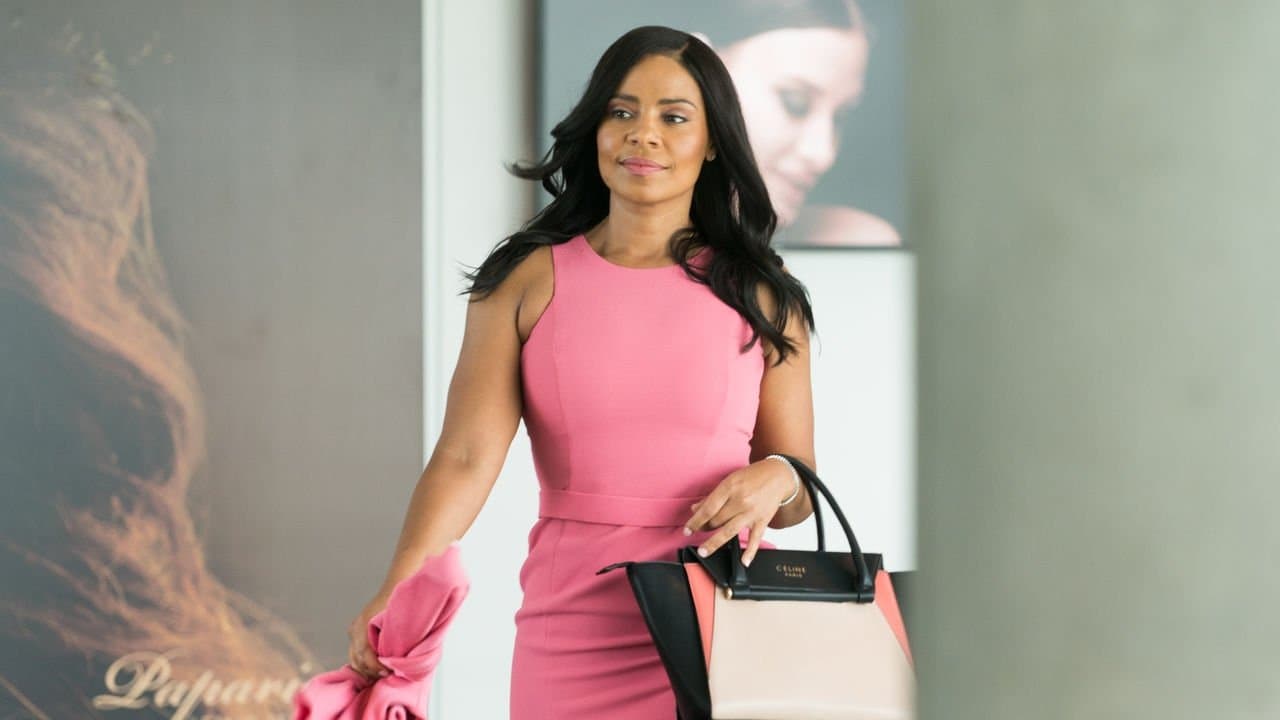
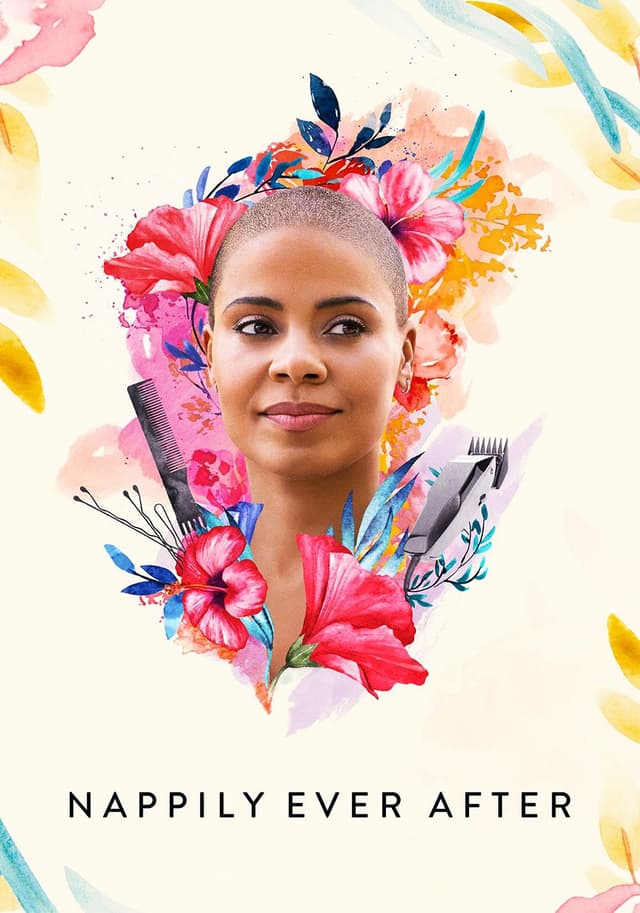
Nappily Ever After (2018) follows Violet Jones (Sanaa Lathan), a put-together Black-American marketing executive whose life looks polished from the outside but feels increasingly constraining from the inside, until a personal-and-professional reset (including a defining moment in which she shaves her head) opens the door to self-discovery and the romantic-and-life trajectory she actually wants. The Haifaa al-Mansour-directed Netflix original-feature romantic dramedy adapted from Trisha R. Thomas's 2000 novel of the same name premiered globally on September 21, 2018.
What Is the Budget of Nappily Ever After (2018)?
Nappily Ever After (2018), the Haifaa al-Mansour-directed Netflix original-feature romantic dramedy starring Sanaa Lathan and adapted from Trisha R. Thomas's 2000 novel of the same name, was made on an estimated budget of approximately $8,000,000 to $12,000,000. Netflix financed the picture as a Marc Platt Productions-produced original feature, slotting it into the streamer's 2018 mid-budget romantic-and-relationship-drama lineup alongside other contemporary Netflix original-feature romantic-and-dramedy releases. Specific Netflix budget disclosures are not publicly available, but the figures align with the streamer's 2018 mid-budget original-feature romantic-dramedy tariff.
The budget tier reflected the film's Atlanta-shoot production base (with Atlanta and surrounding-Georgia practical locations standing in for the film's Los Angeles setting), the contained ensemble cast (with Sanaa Lathan in the lead supported by Ricky Whittle, Lyriq Bent, Lynn Whitfield, Ernie Hudson, and a manageable supporting ensemble), and the dialogue-and-character-driven storytelling approach that anchors the broader Black-female-empowerment-and-natural-hair romantic-dramedy framework. The Trisha R. Thomas source novel's established Black-female-readership prominence and the al-Mansour director attachment (her first English-language American feature following Wadjda, the 2012 Saudi Arabian breakthrough, and Mary Shelley, 2017) anchored the project's commissioning framework at Netflix.
Key Budget Allocation Categories
Nappily Ever After's estimated $8,000,000 to $12,000,000 budget was distributed across the cost centres typical of a contemporary mainstream-studio or mid-budget streaming-original romantic dramedy:
- Above-the-Line Cast: Sanaa Lathan (Love & Basketball, The Best Man, Alien vs. Predator) commanded the lead-tier compensation as Violet Jones, the marketing executive whose personal-and-professional reset anchors the film. Ricky Whittle (The 100, American Gods) as Clint, Lyriq Bent as Will, Lynn Whitfield as Violet's mother, Ernie Hudson as Violet's father, and a manageable supporting ensemble rounded out the cast at standard contemporary mainstream-and-streaming romantic-dramedy rates.
- Atlanta and Georgia Location Production: Principal photography took place across Atlanta and surrounding Georgia, with the Georgia Entertainment Industry Investment Act 20-to-30-percent tax-credit program offsetting a meaningful share of production cost. The Atlanta shoot stood in for the film's Los Angeles narrative setting, with the Georgia production base anchoring the recurring suburban-and-urban locations across the romantic-dramedy storyline.
- Hair-and-Wardrobe Production: The film's defining narrative beat (Violet's decision to shave her head as a personal-and-political-reset moment) and the broader Black-female-natural-hair storytelling required elaborate hair-and-wardrobe planning and execution. The shaved-head sequence was rendered in a single take with Sanaa Lathan's actual hair, with multiple wigs and hair-piece treatments used across the broader film. The hair-and-wardrobe budget was elevated above standard contemporary romantic-dramedy norms.
- Recurring Romantic-Dramedy Production Design: The contemporary Los-Angeles-stand-in production design included Violet's corporate marketing-firm setting, her residential setting, her parents' home, the recurring hair salon and barbershop settings, and the romantic-arc location footprint across the film. The recurring production-design line absorbed a standard mid-budget romantic-dramedy weekly cost.
- Original Music and Needle Drops: An original score by Joseph Vitarelli plus contemporary R&B, soul, and pop needle drops anchored the film's sonic identity, particularly in the recurring romantic-arc and self-discovery montage sequences. The music-licensing budget reflected the contemporary streaming-original romantic-dramedy needle-drop-heavy approach.
- Visual Effects and Practical Effects: The film's contemporary romantic-dramedy register required limited visual-effects work, with most production rendered practically. Modest VFX and practical-effects work for selected hair-and-styling sequences and minor scene-augmentation absorbed a standard mid-budget romantic-dramedy line.
- Casting and Supporting Guest Cast: The film's recurring supporting cast across Violet's family-and-friends and the broader Black-Los-Angeles community storytelling required a manageable casting budget reflecting standard contemporary romantic-dramedy practice.
- Post-Production and Netflix Delivery: Picture editing, sound, ADR, and Netflix delivery ran through the company's standard original-feature post pipeline. The Netflix delivery specification included 4K mastering and the streamer's standard contemporary original-feature post deliverables.
How Does Nappily Ever After's Budget Compare to Similar Films?
At an estimated $8,000,000 to $12,000,000 budget, Nappily Ever After sat in the lower-mid tier of contemporary mainstream-and-streaming-original romantic-dramedy production, comparable to other 2018 Netflix and streaming-original romantic-dramedy commissioning. The comparison set illustrates how its production scale stacked up:
- To All the Boys I've Loved Before (2018): Estimated budget approximately $5,000,000 to $7,000,000. Netflix's 2018 teen-romance original feature, premiering shortly before Nappily Ever After, cost approximately 60% to 75% of Nappily Ever After and became one of the streamer's most successful original-feature romance releases.
- Set It Up (2018): Estimated budget approximately $10,000,000 to $14,000,000. Netflix's contemporaneous 2018 office-romance original feature priced comparably to Nappily Ever After, illustrating the streamer's 2018 mid-budget original-feature romantic-comedy commissioning tier.
- The Kissing Booth (2018): Estimated budget approximately $7,000,000 to $10,000,000. Netflix's 2018 teen-romance original feature priced comparably to Nappily Ever After, illustrating the 2018 streaming-original romantic-comedy commissioning tier.
- Crazy Rich Asians (2018): Budget $30,000,000 | Worldwide $238,533,225. The Warner Bros. mainstream-studio Asian-American romantic comedy released the same year cost roughly three times Nappily Ever After and earned a $238,000,000-plus worldwide gross, illustrating the gap between mainstream-studio theatrical romantic comedy and streaming-original mid-budget romantic dramedy.
- Love & Basketball (2000): Budget $20,000,000 | Worldwide $27,762,328. Sanaa Lathan's anchor 2000 New Line Cinema Gina Prince-Bythewood romantic drama (her structural-antecedent lead role) cost roughly twice Nappily Ever After in nominal dollars (period-adjusted considerably more), illustrating the broader Sanaa Lathan-led romantic-dramedy production history.
- Wadjda (2012): Budget approximately $3,000,000 | Worldwide $1,750,000. Haifaa al-Mansour's breakthrough Saudi Arabian first feature cost roughly one-third of Nappily Ever After, illustrating the production-budget trajectory of al-Mansour's subsequent English-language American feature work following her acclaimed feature debut.
Nappily Ever After Streaming Performance
Nappily Ever After premiered globally on Netflix on September 21, 2018. The streamer does not publicly disclose specific original-feature viewership figures, but the film became a notable presence within the Netflix original-feature romantic-dramedy commissioning landscape across 2018 and 2019. The economic framework breaks down as follows:
- Production Budget: approximately $8,000,000 to $12,000,000
- Estimated Prints & Advertising (P&A): Netflix-internal marketing only; the film did not receive a theatrical release in most major territories
- Total Estimated Investment: approximately $8,000,000 to $12,000,000 plus Netflix-internal promotional spend
- Worldwide Gross: not theatrically released in most territories; cumulative streaming engagement not publicly disclosed by Netflix
- Net Return: not directly calculable; Netflix amortises original-feature production cost against subscriber acquisition-and-retention rather than against per-feature theatrical revenue
- ROI: not directly calculable on the Netflix subscriber-economics model
Netflix amortises original-feature production cost against subscriber acquisition-and-retention rather than against per-feature theatrical or VOD revenue, with the film's economic logic best understood as a contribution to the streamer's broader original-feature library rather than as a standalone-revenue investment. The film became a notable Sanaa Lathan-led original-feature presence within the streamer's 2018 romantic-dramedy commissioning lineup, with reviews and social-media engagement consistently highlighting the natural-hair and Black-female-empowerment framework as the film's distinctive contribution to the contemporary romantic-dramedy genre.
The film's long-tail catalogue presence on Netflix has remained steady across the late 2010s and early 2020s, with the streamer regularly featuring the film in Black-romantic-comedy and natural-hair-related programming categories. The Sanaa Lathan lead performance and the Haifaa al-Mansour direction continue to anchor the film's reception within the broader contemporary Black-female-led romantic-dramedy landscape.
Nappily Ever After Production History
The Trisha R. Thomas novel Nappily Ever After was published in 2000 and became a Black-female-readership bestseller across the early 2000s, anchoring a subsequent multi-book Nappily series. Halle Berry initially attached to a feature adaptation in the mid-2000s through her HalleHolly production banner, with development work continuing across the late 2000s and 2010s through multiple iterations of the screenplay and director attachment. The project ultimately moved to Netflix in 2017 with Sanaa Lathan attached to the lead role and Haifaa al-Mansour attached to direct.
Principal photography took place across Atlanta and surrounding Georgia in late 2017, with the Georgia Entertainment Industry Investment Act 20-to-30-percent tax-credit program providing meaningful production cost offset. The Atlanta shoot served as a stand-in for the film's Los Angeles narrative setting, with the Georgia production base anchoring the recurring suburban-and-urban locations across the romantic-dramedy storyline.
Casting Sanaa Lathan as Violet Jones anchored the film around a Black-female lead performer with established romantic-drama credibility (Love & Basketball, The Best Man) and contemporary streaming-and-television presence (The Affair, Shots Fired). Ricky Whittle as Clint, Lyriq Bent as Will, Lynn Whitfield as Violet's mother, and Ernie Hudson as Violet's father rounded out the supporting cast. The shaved-head sequence (the film's defining narrative-and-emotional beat) was rendered in a single take with Sanaa Lathan's actual hair, with the production publicly describing the sequence as a particularly significant moment for both the actor and the broader Black-female-natural-hair storytelling.
Haifaa al-Mansour's direction brought her Wadjda (2012) and Mary Shelley (2017) sensibility (a quiet, character-driven, female-empowerment-focused storytelling approach) to the Black-American romantic-dramedy framework. Al-Mansour publicly described the project as her first English-language American feature drawing on contemporary Black-American storytelling and as a continuation of her broader female-empowerment-focused directorial trajectory. The director's subsequent work continued in the contemporary feature-and-television space, with the Nappily Ever After production anchoring her American directorial profile through the late 2010s and early 2020s.
Post-production was completed across late 2017 and early-to-mid 2018, with the film premiering globally on Netflix on September 21, 2018. The film's release coincided with broader contemporary cultural conversations about natural-hair-and-Black-female-empowerment storytelling, with the film's shaved-head sequence and the broader natural-hair narrative becoming widely discussed reference points in 2018 and 2019 social-media-and-critical engagement.
Awards and Recognition
Nappily Ever After received steady BET-and-NAACP-Image-Awards-circuit recognition across 2018 and 2019, with Sanaa Lathan receiving multiple Black-cinema awards-circuit nominations for her lead performance. The film was nominated at the 2019 NAACP Image Awards in multiple categories including Outstanding Motion Picture and Outstanding Actress in a Motion Picture (Sanaa Lathan).
Haifaa al-Mansour's direction received steady Black-female-cinema and broader female-directorial-circuit recognition. The film was highlighted in 2018 and 2019 surveys of Black-female-led romantic dramedy and in retrospectives of Sanaa Lathan's career-long romantic-drama work alongside Love & Basketball, The Best Man, and Brown Sugar.
The film did not break through to major Academy Awards or Golden Globe recognition, in part because of its Netflix streaming-original-feature commissioning framework (which historically struggled to engage with Academy Awards consideration in 2018 to 2019) and the broader contemporary mainstream-and-streaming romantic-dramedy genre ceiling. Retrospective awards-and-recognition interest in the film has centred largely on Sanaa Lathan's shaved-head sequence and on the broader natural-hair-and-Black-female-empowerment storytelling framework.
Critical Reception
Nappily Ever After received mixed-to-positive critical reception. The film holds a 73% approval rating on Rotten Tomatoes based on approximately 30 critic reviews, with a Metacritic score of 60 out of 100, indicating mixed-to-favorable reviews. Critics praised Sanaa Lathan's lead performance, the film's natural-hair-and-Black-female-empowerment storytelling framework, the shaved-head sequence as a standout emotional beat, and Haifaa al-Mansour's quiet character-driven direction.
The Hollywood Reporter's Beandrea July called the film "a Sanaa Lathan showcase that earns its emotional payoff through patience with character," while Variety's Joe Leydon wrote that "Lathan and al-Mansour deliver a romantic-dramedy that is more interested in self-discovery than in love-interest hierarchy." The Washington Post's Stephanie Merry highlighted the shaved-head sequence as "one of the most quietly significant moments in any contemporary romantic dramedy" and praised the film's engagement with natural-hair storytelling. Indiewire's Tambay Obenson noted that "the film occupies a meaningful slot within the broader Black-female-led romantic-dramedy landscape that mainstream-studio cinema has consistently underserved."
A minority of reviewers raised concerns about pacing and tonal balance, with The New York Times noting that the film occasionally retreats into more familiar romantic-dramedy beats and Slate flagging the love-triangle plotting as less compelling than the natural-hair-and-self-discovery framework. Retrospective reappraisal has been positive, with the film frequently cited in surveys of late-2010s Black-female-led streaming-original romantic dramedy and as a meaningful entry within Sanaa Lathan's broader romantic-drama career.
Frequently Asked Questions
How much did Nappily Ever After (2018) cost to make?
The estimated production budget for Nappily Ever After was approximately $8,000,000 to $12,000,000, financed by Netflix as a Marc Platt Productions-produced original feature. Specific Netflix budget disclosures are not publicly available, but the figures align with the streamer's 2018 mid-budget original-feature romantic-dramedy tariff alongside Set It Up, To All the Boys I've Loved Before, and The Kissing Booth.
Where can I watch Nappily Ever After?
Nappily Ever After streams exclusively on Netflix worldwide, where it premiered globally on September 21, 2018. The film did not receive a theatrical release in most major territories. Netflix continues to feature the film in its Black-romantic-comedy and natural-hair-related programming categories; availability varies by territory and Netflix's rights window.
Who directed Nappily Ever After?
Haifaa al-Mansour, the Saudi Arabian filmmaker best known for her breakthrough first feature Wadjda (2012) and the subsequent English-language feature Mary Shelley (2017), directed Nappily Ever After. The Netflix original feature was al-Mansour's first English-language American feature drawing on contemporary Black-American storytelling.
Is Nappily Ever After based on a book?
Yes. The film adapts Trisha R. Thomas's 2000 novel of the same name, a Black-female-readership bestseller across the early 2000s that anchored a subsequent multi-book Nappily series. Halle Berry initially attached to a feature adaptation in the mid-2000s through her HalleHolly production banner, with the project ultimately moving to Netflix in 2017 with Sanaa Lathan attached to the lead role.
Did Sanaa Lathan really shave her head for Nappily Ever After?
Yes. The film's defining narrative-and-emotional beat (Violet's decision to shave her head as a personal-and-political-reset moment) was rendered in a single take with Sanaa Lathan's actual hair. The production publicly described the sequence as a particularly significant moment for both the actor and the broader Black-female-natural-hair storytelling framework that anchors the film.
Where was Nappily Ever After filmed?
Principal photography took place across Atlanta and surrounding Georgia in late 2017, with the Georgia Entertainment Industry Investment Act 20-to-30-percent tax-credit program providing meaningful production cost offset. The Atlanta shoot served as a stand-in for the film's Los Angeles narrative setting.
What did critics think of Nappily Ever After?
The film received mixed-to-positive reviews, with a 73% approval rating on Rotten Tomatoes (based on approximately 30 critics) and a 60 out of 100 score on Metacritic. Critics praised Sanaa Lathan's lead performance, the natural-hair-and-Black-female-empowerment storytelling, the shaved-head sequence as a standout emotional beat, and Haifaa al-Mansour's quiet character-driven direction.
How does Nappily Ever After compare to other Netflix 2018 romance films?
Nappily Ever After cost approximately $8,000,000 to $12,000,000, comparable to Netflix's contemporaneous 2018 original romance lineup including Set It Up ($10,000,000 to $14,000,000), To All the Boys I've Loved Before ($5,000,000 to $7,000,000), and The Kissing Booth ($7,000,000 to $10,000,000). The price tier reflects the streamer's 2018 mid-budget original-feature romantic-comedy commissioning level.
Did Nappily Ever After win any awards?
The film received NAACP Image Awards nominations in multiple categories including Outstanding Motion Picture and Outstanding Actress in a Motion Picture (Sanaa Lathan) at the 2019 ceremony, and broader BET-and-NAACP-Image-Awards-circuit recognition. The film did not break through to major Academy Awards or Golden Globe recognition, reflecting the contemporary streaming-original-feature commissioning framework's historical struggles with Academy Awards consideration in 2018 to 2019.
Is Nappily Ever After a true story?
No. Nappily Ever After is a fictional romantic dramedy adapted from Trisha R. Thomas's 2000 novel of the same name. The film's natural-hair-and-self-discovery storytelling framework draws on broader contemporary Black-American cultural conversations about natural-hair-and-Black-female-empowerment storytelling, but the specific characters and narrative are fictional.
Filmmakers
Nappily Ever After

Official Trailer
Build budgets like this one in Saturation
Start from an industry-standard feature film template, import the schedule and rates you already have, and let the cost report keep itself current as you spend. Real-time collaboration, no spreadsheets.