Men in Black 3 Budget
 ActionComedyScience Fiction1h 46m
Updated
Synopsis
When Boris the Animal, a dangerous alien criminal, escapes from a lunar prison and travels back in time to kill Agent K in 1969, Agent J must follow him into the past to prevent the assassination and save the world. In 1969, J teams up with a young Agent K, navigating the cultural landscape of the late 1960s and the early days of the Men in Black organization while racing to stop Boris from changing history at the Apollo 11 launch at Cape Canaveral.
What Is the Budget of Men in Black 3?
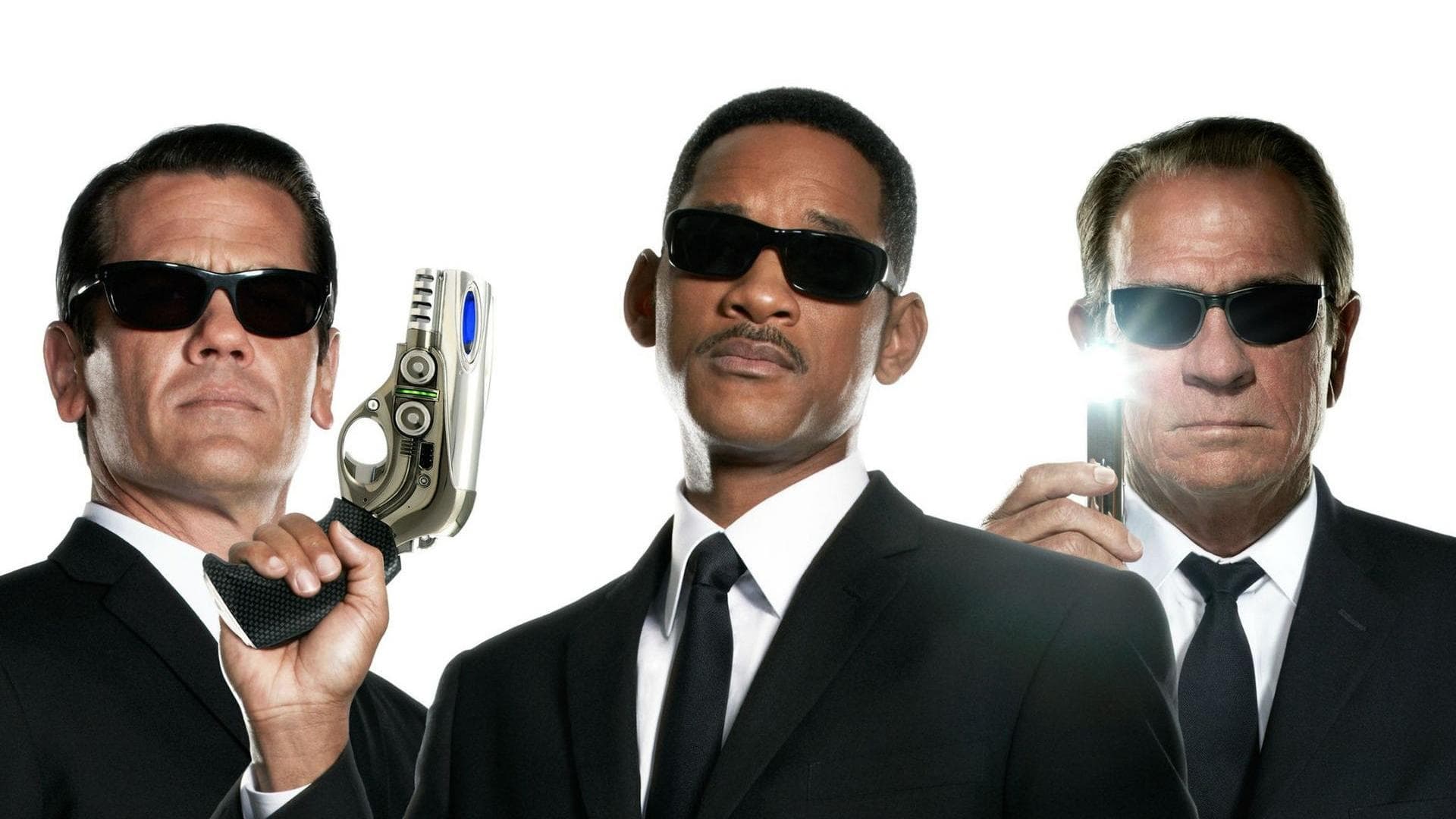
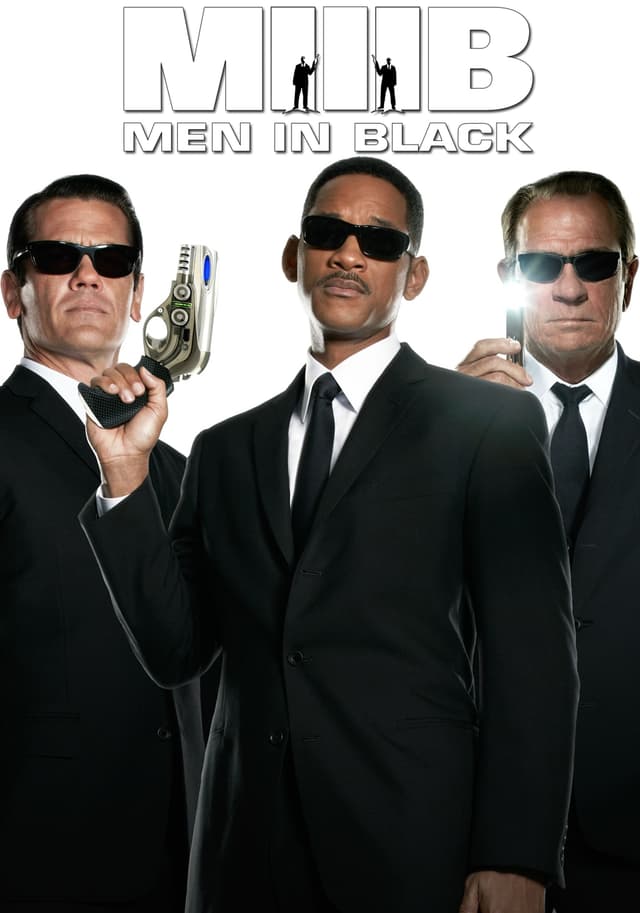
Men in Black 3 (2012), directed by Barry Sonnenfeld and distributed by Columbia Pictures, was produced on a budget of $225,000,000. The third installment in the Men in Black franchise sent Agent J (Will Smith) back in time to 1969 to prevent the assassination of a young Agent K (played by Josh Brolin, replacing Tommy Lee Jones for the majority of the film) and stop an alien named Boris the Animal (Jemaine Clement) from changing history. The film marked Will Smith's return to the franchise after a ten-year gap and his return to blockbuster filmmaking after a string of dramatic roles.
The $225 million budget made Men in Black 3 one of the most expensive films of 2012, a figure inflated by a notorious production shutdown that halted filming for months while the screenplay was rewritten. The shutdown, during which Will Smith reportedly remained on salary while writers developed a workable third act, pushed costs well beyond the original budget, making Men in Black 3 a cautionary example of production mismanagement that only its strong international box office performance prevented from becoming a full-scale financial disaster.
Key Budget Allocation Categories
Men in Black 3 distributed its $225 million budget across the following production areas:
- Production Shutdown and Script Rewrite: The most significant budget factor was a production shutdown that began in December 2010, approximately three months into principal photography. Director Barry Sonnenfeld and the producers paused filming because the screenplay's third act did not work. Writers Etan Cohen, David Koepp, Jeff Nathanson, and Michael Soccio each contributed to rewrites during the hiatus, which lasted several months. During the shutdown, sets remained standing, crew members received holding deals, and Will Smith's pay-or-play contract meant he continued to be compensated. The shutdown alone reportedly added $50 million to $75 million to the budget.
- Cast and Above-the-Line Talent: Will Smith's salary was reportedly $100 million including backend participation, making him the highest-paid element of the production. Tommy Lee Jones reprised Agent K for the film's bookend scenes, while Josh Brolin's uncanny portrayal of a young Agent K became the film's creative highlight. Jemaine Clement played the villain Boris the Animal, and Emma Thompson joined as the new head of MIB, Agent O. Barry Sonnenfeld returned to direct, with Walter F. Parkes and Laurie MacDonald producing under Steven Spielberg's executive producer credit.
- Period Production Design and 1969 New York: A significant portion of the film takes place in 1969, requiring production designer Bo Welch to recreate the era across multiple sets and locations. The production transformed sections of New York City into period-accurate 1969 streetscapes, including the Coney Island Boardwalk and Shea Stadium (recreated digitally). The Chrysler Building, which houses MIB headquarters, required both period and contemporary set designs. The 1969 Cape Canaveral launch pad sequences were built at Steiner Studios in Brooklyn.
- Visual Effects and Alien Design: Rick Baker, the legendary makeup effects artist, returned to design the alien creatures, working alongside VFX teams at Sony Pictures Imageworks. Boris the Animal's design involved complex practical prosthetics augmented with digital effects, and the alien parasite that lives in Boris's hand required detailed CG work. The time-jump sequences, the 1969 alien designs, and the climactic Apollo 11 launch pad battle each demanded extensive VFX shots.
- New York City Location Photography: The production filmed extensively on location in New York City, including SoHo, Chinatown, Lower Manhattan, and Coney Island. Shutting down New York City streets for a major motion picture involves significant costs for permits, police coordination, traffic management, and neighborhood disruption compensation. The production also filmed at Cape Canaveral in Florida for exterior reference shots.
- 3D Conversion and Post-Production: Men in Black 3 was converted to 3D in post-production, a process that added approximately $10 million to $15 million to the budget. The conversion was handled by specialized vendors, with the quality monitored to ensure the 3D presentation met the standard set by films shot natively in the format. The 3D release drove premium ticket pricing that contributed to the film's strong international grosses.
How Does Men in Black 3's Budget Compare to Similar Films?
At $225,000,000, Men in Black 3 was dramatically more expensive than its predecessors and more costly than most sci-fi comedies warrant:
- Men in Black (1997): Budget $90,000,000 | Worldwide $589,400,000. The original cost 60% less and earned nearly as much worldwide (when adjusted for era), representing a far more efficient production. The franchise's budget escalation from $90 million to $225 million over 15 years dramatically outpaced inflation.
- Men in Black II (2002): Budget $140,000,000 | Worldwide $441,800,000. The second film cost 38% less than MIB3 but earned 29% less worldwide. Its weaker critical and commercial performance contributed to the ten-year gap before a third installment.
- The Avengers (2012): Budget $220,000,000 | Worldwide $1,518,800,000. Released the same year, the MCU ensemble cost slightly less than MIB3 and earned 143% more, underscoring how MIB3's inflated budget was out of proportion to its commercial ceiling.
- Prometheus (2012): Budget $130,000,000 | Worldwide $403,400,000. Ridley Scott's sci-fi blockbuster cost 42% less and delivered comparable domestic returns, showing that ambitious VFX-driven sci-fi did not require MIB3-level spending.
- Ghostbusters: Afterlife (2021): Budget $75,000,000 | Worldwide $204,300,000. A more disciplined approach to legacy franchise revival at one-third the cost, though with a correspondingly smaller worldwide gross.
Men in Black 3 Box Office Performance
Men in Black 3 opened in the United States on May 25, 2012, debuting to $54.6 million domestically over the three-day Memorial Day weekend. The opening was moderate for a franchise of MIB's stature, falling below industry expectations of $70 million or more. However, the film demonstrated unexpected strength in international markets, where Will Smith's global star power and the franchise's established brand translated into robust grosses.
Box Office Breakdown
Men in Black 3

At approximately +177%, Men in Black 3 returned roughly $2.77 for every $1 of production budget invested during its theatrical run.
The third Men in Black installment's $225 million budget ballooned due to production shutdowns when filming began without a completed script. The international gross of $445 million (71% of worldwide) saved the film commercially, with China contributing $77.6 million. The domestic gross of $179 million was underwhelming for a Memorial Day tentpole, but Sony considered the worldwide total sufficient to declare the film a success.
Men in Black 3 Production History
Columbia Pictures began developing a third Men in Black film in the mid-2000s, but the project took years to materialize due to script challenges and Will Smith's selective approach to choosing projects. David Koepp, who had co-written the first film, was initially hired to write the screenplay. Barry Sonnenfeld signed on to direct in 2009, and Will Smith agreed to return as Agent J. The project received a formal greenlight in 2010 with a planned release date of May 2012.
Principal photography began in November 2010 in New York City, but the production quickly encountered its defining crisis: the script's third act was not finished. Sonnenfeld, Smith, and the producers had begun shooting with an incomplete screenplay, banking on resolving the story during production. By December 2010, the production shut down entirely so that writers could develop a workable conclusion. The shutdown lasted approximately four months.
During the hiatus, multiple writers contributed drafts and revisions. Etan Cohen was credited as the primary screenwriter, with David Koepp, Jeff Nathanson, and Michael Soccio among those who worked on the script during the shutdown period. The delay was enormously expensive: sets at Steiner Studios in Brooklyn and on New York City streets remained standing, below-the-line crew received holding payments, and Will Smith's pay-or-play deal kept his compensation running. Industry estimates placed the shutdown's cost at $50 million to $75 million.
Filming resumed in the spring of 2011 and continued through the summer, with the production finally completing a coherent third act that tied Agent J's time-travel mission to an emotional revelation about his personal connection to Agent K. Josh Brolin's performance as young Agent K, achieved through careful study of Tommy Lee Jones's mannerisms rather than de-aging technology, became the film's creative centerpiece and was widely credited with elevating the material beyond its troubled genesis.
Awards and Recognition
Men in Black 3 received limited awards attention, though Rick Baker's creature designs continued the franchise's tradition of impressive practical alien effects. Baker, who had won Academy Awards for his work on the first Men in Black and on Ed Wood, An American Werewolf in London, and other films, brought his characteristic blend of humor and detail to the 1969-era alien designs and Boris the Animal's practical prosthetics.
Josh Brolin's performance as young Agent K was widely cited as the film's standout element, with critics and audiences praising his meticulous recreation of Tommy Lee Jones's speech patterns, physicality, and deadpan delivery. While Brolin received no major nominations for the role, the performance is frequently referenced as one of the best acting-as-another-actor portrayals in blockbuster filmmaking.
Critical Reception
Men in Black 3 earned a 68% approval rating on Rotten Tomatoes based on 228 reviews, with a consensus describing it as "a better-than-expected sequel elevated by Josh Brolin's pitch-perfect Tommy Lee Jones impression and a surprisingly emotional ending." On Metacritic, the film scored 58 out of 100, indicating "mixed or average reviews." Audiences gave it an A- on CinemaScore.
Positive reviews centered on Josh Brolin's young Agent K, which critics unanimously identified as the film's creative engine. The time-travel premise was praised for giving the franchise a narrative structure it had lacked in Men in Black II, and the emotional reveal connecting J and K's backstories was cited as a genuinely affecting conclusion that elevated the film beyond routine franchise continuation. Will Smith's return to comedy after several years of dramatic roles was welcomed.
Negative reviews noted the predictable plotting, the underdeveloped villain (with Boris the Animal serving more as a plot device than a character), and the reliance on franchise formula. Several critics observed that MIB3's troubled production history was visible in the seams, with certain sequences feeling tonally disconnected, likely reflecting the multiple screenplay revisions. The consensus positioned MIB3 as a pleasant surprise given its disastrous production but not a genuine creative revival of the franchise, a conclusion validated when Men in Black: International (2019) without Smith and Jones underperformed severely.
Frequently Asked Questions
How much did it cost to make Men in Black 3?
The production budget was $225,000,000. The cost was inflated by a notorious production shutdown of approximately four months while the screenplay's third act was rewritten. The shutdown alone reportedly added $50 million to $75 million to the budget, as sets remained standing, crew received holding deals, and Will Smith's pay-or-play contract kept his compensation running.
How much did Men in Black 3 earn at the box office?
The film grossed $179,000,000 domestically and $445,000,000 internationally, totaling $624,000,000 worldwide. International markets contributed 71% of the worldwide gross, with strong performances in China ($77.6 million), South Korea ($44.4 million), and Japan ($38.6 million).
Was Men in Black 3 profitable?
Marginally. With a $225 million production budget and estimated $100 million in marketing, the film's $624 million worldwide gross exceeded the break-even threshold. However, the domestic performance of $179 million was disappointing, and the inflated budget meant profit margins were thin compared to the first two films.
Why did Men in Black 3 shut down production?
The production shut down in December 2010, approximately three months into filming, because the screenplay's third act was not finished. The team had begun shooting with an incomplete script. Multiple writers contributed rewrites during the four-month hiatus before filming resumed in spring 2011.
Who plays young Agent K in Men in Black 3?
Josh Brolin plays the young version of Agent K in 1969. Rather than using de-aging technology, Brolin studied Tommy Lee Jones's mannerisms, speech patterns, and physicality to create his performance. The portrayal was universally praised as the film's creative highlight.
How much was Will Smith paid for Men in Black 3?
Will Smith's compensation was reportedly $100 million including backend participation, making him the highest-paid element of the production. His pay-or-play contract meant he continued to be compensated during the four-month production shutdown.
How does Men in Black 3 compare to the original Men in Black?
The original Men in Black (1997) cost $90 million and earned $589.4 million worldwide. MIB3 cost $225 million (150% more) and earned $624 million (6% more). The original was far more efficient commercially, and the franchise's budget escalation dramatically outpaced its revenue growth.
What is Men in Black 3's Rotten Tomatoes score?
MIB3 earned a 68% approval rating on Rotten Tomatoes and 58 on Metacritic. Audiences gave it an A- CinemaScore. Critics praised Josh Brolin's performance and the emotional ending while noting predictable plotting and an underdeveloped villain.
Where was Men in Black 3 filmed?
The film was shot extensively on location in New York City, including SoHo, Chinatown, Lower Manhattan, and Coney Island. Studio work took place at Steiner Studios in Brooklyn. The production also filmed at Cape Canaveral in Florida for the Apollo 11 launch pad sequences.
How does the time travel work in Men in Black 3?
Agent J uses a time-jump device to travel from 2012 to July 1969 by leaping off the Chrysler Building. In 1969, he teams up with young Agent K to prevent Boris the Animal from killing K and changing history. The film's emotional climax reveals a personal connection between J and K that spans decades.
Filmmakers
Men in Black 3

Official Trailer
Build budgets like this one in Saturation
Start from an industry-standard feature film template, import the schedule and rates you already have, and let the cost report keep itself current as you spend. Real-time collaboration, no spreadsheets.