Malevolent Budget
Updated
Synopsis
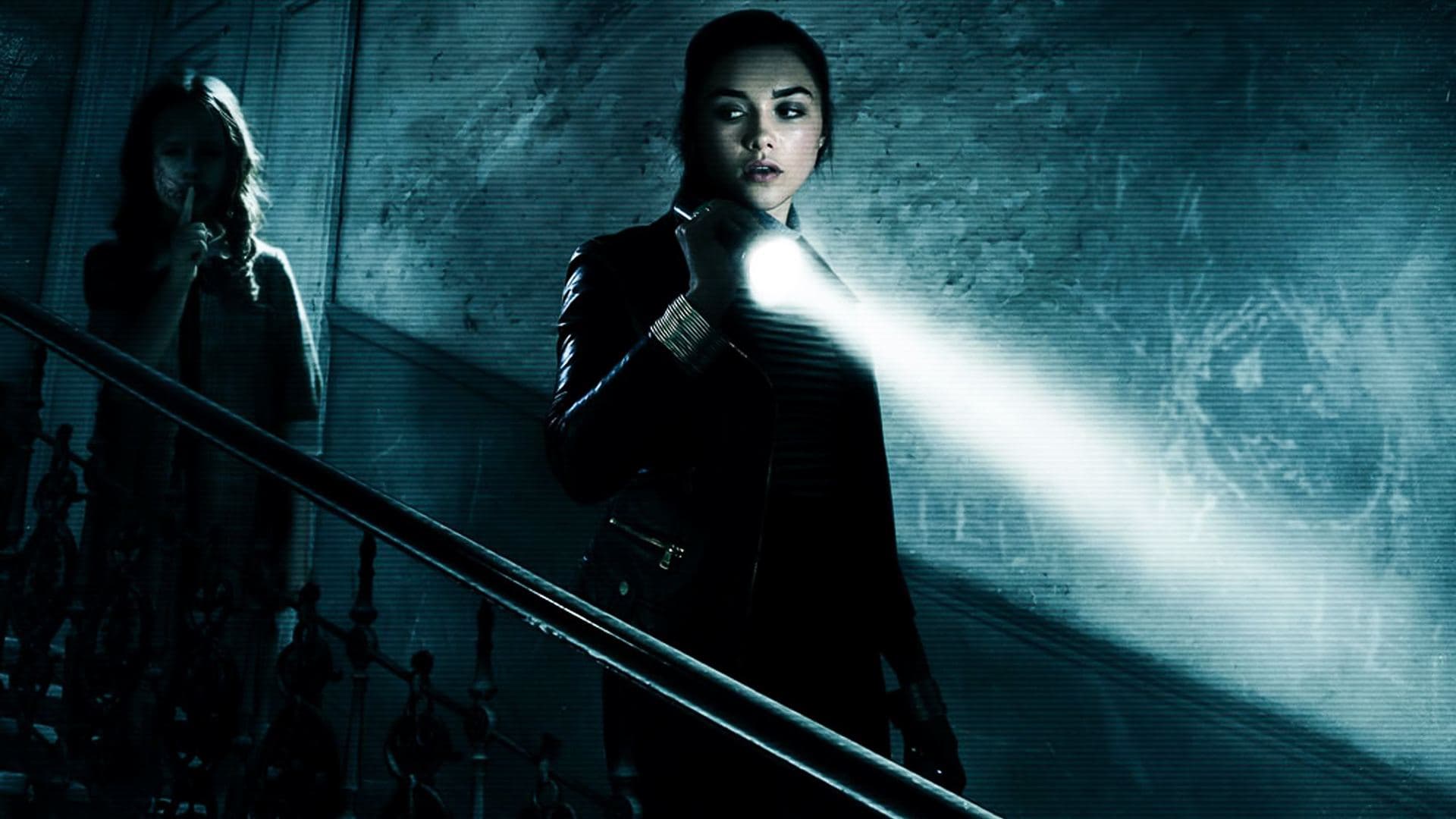
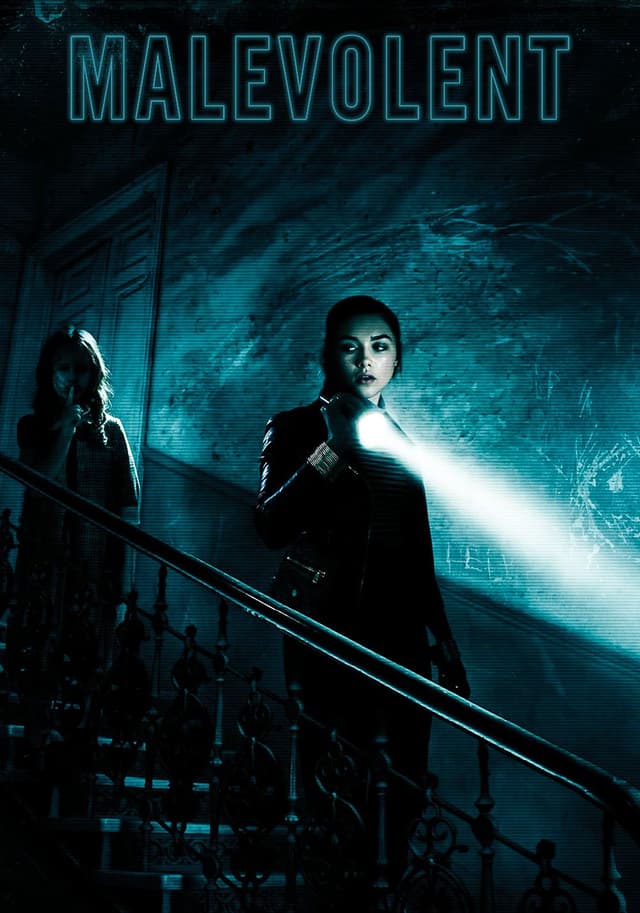
In 1980s Scotland, brother-and-sister Jackson and Angela run a scam paranormal-investigation outfit, faking ghost cleansings for grieving clients. When Angela begins seeing real apparitions at an old orphanage they have been hired to clear, the siblings discover the site hides a far darker history than they bargained for.
What Is the Budget of Malevolent (2018)?
Malevolent (2018), directed by Icelandic filmmaker Olaf de Fleur Johannesson and acquired by Netflix for global distribution, was produced as a low-budget British horror feature. The production cost is not officially disclosed but is widely reported in the $3,000,000 to $5,000,000 range based on UK indie horror norms of the period, the Scottish-Glasgow shoot, and the modest cast scale. Sigurjon Sighvatsson produced through Mainframe Pictures, with Netflix acquiring worldwide streaming rights ahead of the October 2018 launch.
Because Malevolent was acquired by Netflix as a finished negative pickup rather than a co-production from script stage, the producers had already covered their production costs through pre-sales and equity financing by the time the Netflix deal closed. The streamer purchase essentially functioned as a high-margin sales event for the producers rather than a theatrical-style break-even calculation.
Key Budget Allocation Categories
Malevolent's budget was distributed across several core production areas:
- Cast Compensation: Florence Pugh starred as Angela just before her Fighting with My Family and Midsommar breakouts, alongside Ben Lloyd-Hughes as her brother Jackson and Celia Imrie as the orphanage owner. Pugh and Imrie commanded the largest portions of the talent budget, with Imrie also lending established UK-festival credibility to the project.
- Glasgow Location Shoot: Principal photography took place in and around Glasgow, Scotland, with the period-Edinburgh tenement setting recreated on Glasgow streets and the central orphanage built out on a stage. The Scottish location anchored the gothic atmosphere and qualified the production for UK and Creative Scotland support.
- Period Production Design: The 1980s setting required period vehicles, costumes, props, and equipment. Designer John Hand built the orphanage interior to support practical effects and extended hand-held sequences without breaking the immersive feel.
- Practical Effects and Prosthetics: The film relies heavily on practical horror effects, including a graphic mouth-mutilation sequence and the ghost-children apparitions. A small effects unit handled prosthetics, blood gags, and the orphanage finale.
- Score and Sound Design: Composer Olafur Arnalds, an Icelandic collaborator of the director, scored the film in a sparse string-and-piano register that became central to the marketing. The score was one of the production line items where above-budget spending was retained.
- Marketing Acquired by Netflix: Once Netflix acquired the film, the streamer absorbed the global marketing campaign, including key-art development, social campaigns, and the platform launch placement. This shifted the marketing risk off the producers entirely.
How Does Malevolent's Budget Compare to Similar Films?
Malevolent sits within a busy late-2010s wave of low-budget gothic-horror Netflix acquisitions. The comparison set:
- The Ritual (2017): Budget approximately $9,000,000 | Netflix acquisition. David Bruckner UK folk-horror played a similar Netflix-acquisition role one year earlier with a slightly larger budget and stronger critical reception. Both films functioned as platform-driving genre titles for Netflix UK and Europe.
- Apostle (2018): Budget approximately $15,000,000 | Netflix release. Gareth Evans pagan-island horror landed on Netflix the same month at three to five times the budget and absorbed most of the genre coverage in Malevolent release window.
- The Babysitter (2017): Budget approximately $7,000,000 | Netflix release. McG horror-comedy from the previous year shows the lower end of the Netflix-original horror budget tier and exceeded Malevolent in both viewership and franchise extension.
- Veronica (2017): Budget approximately $2,000,000 | Netflix acquisition. Paco Plaza Spanish supernatural horror acquired by Netflix one year prior occupied roughly the same budget tier and demonstrated the platform appetite for low-cost international genre acquisitions.
Malevolent Box Office Performance
Malevolent did not receive a meaningful theatrical release. Netflix launched the film globally on October 5, 2018, positioning it as a Halloween-month horror title. The film performed solidly on the platform without breaking out into the Top 10 in major territories, and its primary commercial purpose for Netflix was filling the genre slot rather than driving headline viewership.
Box Office Breakdown
Malevolent

For the producers, the Netflix acquisition closed the financing gap and delivered profitability on the negative cost. For Netflix, the film performed in line with budget-tier expectations and contributed to the platform horror inventory growth in late 2018.
Malevolent Production History
Malevolent originated as a Black List script titled Hush by Eva Konstantopoulos, which Mainframe Pictures optioned and developed with co-writer Ben Ketai. Olaf de Fleur Johannesson, coming off the Icelandic feature The Deep, was attached to direct and helped relocate the script from the original American setting to 1980s Scotland to align with available UK and Scottish production support.
Principal photography ran for roughly six weeks in Glasgow, Scotland in late 2017. The production drew on UK and Creative Scotland tax incentives and worked with Scottish crews experienced in period genre work from the Outlander and Trainspotting 2 productions.
Post-production wrapped in mid-2018, with Olafur Arnalds delivering his score during the final picture lock. Netflix acquired worldwide streaming rights shortly before the festival circuit window, allowing the platform to launch the film as a major Halloween-week genre release on October 5, 2018.
Awards and Recognition
Malevolent received no major awards recognition. The film was not nominated at the BIFAs, the Scottish BAFTAs, the Saturn Awards, or the Fangoria Chainsaw Awards. As a Netflix-direct release with no traditional festival or theatrical campaign, it fell outside the standard eligibility windows.
Florence Pugh subsequent ascent in 2019 (Fighting with My Family, Midsommar, Little Women) retroactively elevated interest in Malevolent as an early showcase performance, though the film itself remained outside awards conversation.
Critical Reception
Malevolent received mixed-to-negative reviews. The film holds a 38% approval rating on Rotten Tomatoes based on 24 critic reviews, with a Metacritic score that the site did not formally aggregate. Audience reaction skewed slightly more positive, with a 35% Rotten Tomatoes audience score and stronger word-of-mouth among genre viewers seeking gothic atmospherics.
Critics consistently praised Florence Pugh central performance and the production design, while flagging the screenplay derivative debt to The Sixth Sense, The Awakening, and other paranormal-investigator films. The Guardian Phil Hoad called it well-acted but conventional, and Variety Joe Leydon wrote that the film offers some genuinely creepy moments but never escapes its familiar template. The retrospective verdict from later viewers improved as Pugh star rose, with the film treated as a curio in her early filmography.
Frequently Asked Questions
How much did Malevolent (2018) cost to make?
The production budget is not officially disclosed but is widely reported in the $3,000,000 to $5,000,000 range, consistent with UK indie horror norms of the period and the modest Glasgow-anchored production scale. Netflix acquired worldwide streaming rights as a finished-negative pickup ahead of the October 2018 launch.
Did Malevolent get a theatrical release?
No. Malevolent was acquired by Netflix as a finished film and launched directly on the streaming platform globally on October 5, 2018. It had no traditional theatrical run, though it did screen at a small number of UK genre-festival showcases ahead of the Netflix launch.
Is Malevolent based on a true story?
No. The screenplay by Eva Konstantopoulos and Ben Ketai is original fiction, originally appearing on the Black List of unproduced screenplays under the title Hush. The 1980s Scottish setting and orphanage backstory are entirely invented.
Who stars in Malevolent?
Florence Pugh plays Angela, the sister haunted by real ghosts inside her brother fake paranormal-investigation scam. Ben Lloyd-Hughes plays her brother Jackson, with Celia Imrie as the orphanage owner Mrs. Greene and Scott Chambers, Georgina Bevan, and James Cosmo in supporting roles.
Where was Malevolent filmed?
Principal photography took place in and around Glasgow, Scotland in late 2017. The production used UK and Creative Scotland tax incentives, with the period-Edinburgh tenement setting recreated on Glasgow streets and the central orphanage built out on a stage.
Why is Florence Pugh in Malevolent so notable now?
Malevolent was shot before Florence Pugh major 2019 breakout in Fighting with My Family, Midsommar, and Little Women (which earned her an Oscar nomination). The film is now widely cited as an early showcase of her range, and viewership on Netflix climbed retrospectively as her profile grew.
Who directed Malevolent?
Olaf de Fleur Johannesson directed the film. The Icelandic filmmaker previously directed the Icelandic survival drama The Deep (2012) and brought his Nordic-genre sensibility to the Scottish gothic source material.
What did critics think of Malevolent?
Reviews were mixed-to-negative. The film holds a 38% Rotten Tomatoes approval rating from 24 critics. Critics praised Florence Pugh performance and the production design while calling the screenplay derivative of The Sixth Sense and The Awakening. Audience reception improved over time as Pugh star rose.
How long is Malevolent?
The Netflix cut of Malevolent runs 89 minutes, a typical length for a low-budget supernatural horror feature. There is no extended or director cut in circulation.
Did Malevolent win any awards?
No. Malevolent received no major awards recognition. It was not nominated at the BIFAs, the Scottish BAFTAs, the Saturn Awards, or the Fangoria Chainsaw Awards. As a direct-to-Netflix release, it fell outside most standard awards eligibility windows.
Filmmakers
Malevolent

Official Trailer
Build budgets like this one in Saturation
Start from an industry-standard feature film template, import the schedule and rates you already have, and let the cost report keep itself current as you spend. Real-time collaboration, no spreadsheets.