Little Evil Budget
Updated
Synopsis
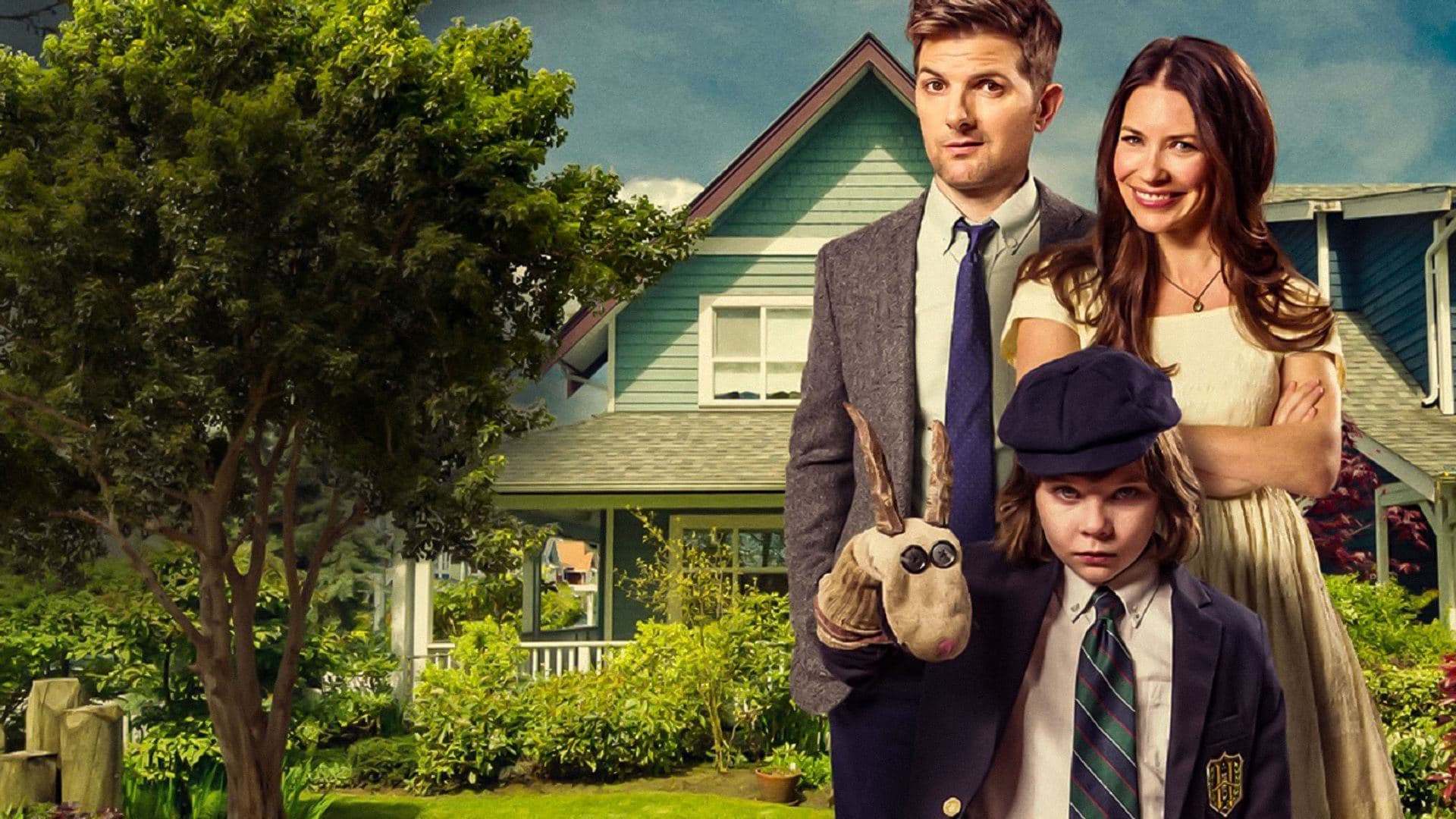
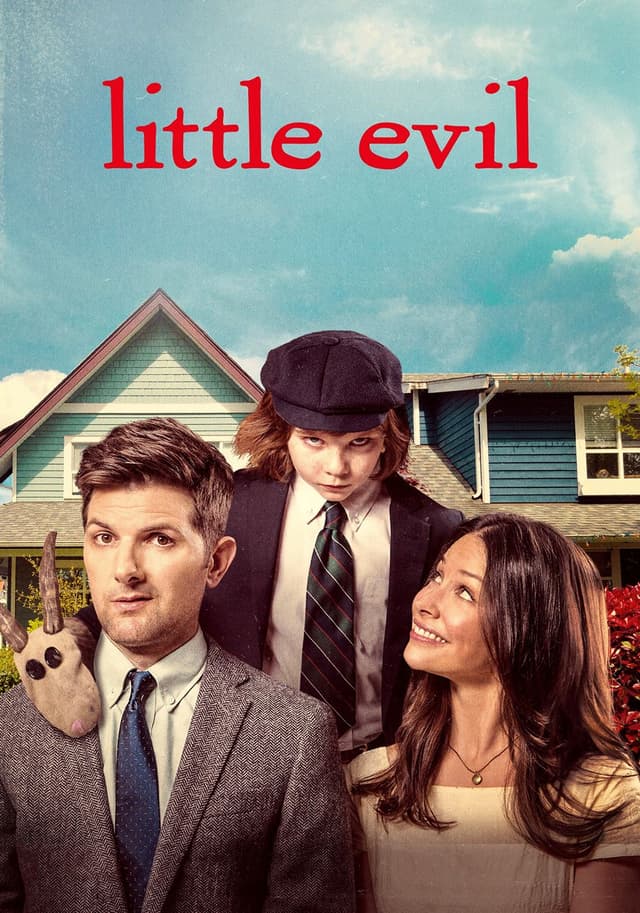
Gary, a newly married stepfather, attempts to bond with his five-year-old stepson Lucas. As strange events begin to surround the family, Gary starts to suspect that Lucas may not be a difficult child but rather the literal Antichrist, and he must decide whether to confront the boy's true nature or accept him as his son.
What Is the Budget of Little Evil (2017)?
Little Evil (2017), written and directed by Eli Craig and distributed by Netflix, was produced on an undisclosed budget that industry trade reporting and Canadian production-incentive disclosures place in the range of $5,000,000 to $8,000,000. The film is a horror comedy that follows a new stepfather who suspects his stepson is the literal Antichrist, working as a deliberate riff on The Omen (1976) and Rosemary's Baby (1968). Production took place in British Columbia in 2016.
The budget reflected the Netflix horror-comedy original tier of the mid-2010s. Craig was returning to feature direction six years after his cult hit Tucker and Dale vs. Evil (2010), and Netflix structured the financing to support a recognizable comedy lead in Adam Scott (Parks and Recreation, Big Little Lies) opposite Evangeline Lilly (Lost, Ant-Man). Production took place in Vancouver and surrounding British Columbia locations under provincial and federal Canadian production tax credits.
Key Budget Allocation Categories
Little Evil's estimated $5,000,000 to $8,000,000 budget was distributed across several core production areas:
- Above-the-Line Talent: Lead Adam Scott commanded a comedy-lead salary suited to his post-Parks and Recreation profile. Evangeline Lilly commanded an established-actor rate appropriate to her Lost and Marvel Cinematic Universe profile. Supporting performances by Bridget Everett, Donald Faison, Clancy Brown, and Tyler Labine filled out an ensemble cast at recognized-actor rates.
- British Columbia Production: Principal photography ran in Vancouver and the surrounding Lower Mainland of British Columbia in summer 2016 over approximately 30 days. The shoot used the British Columbia Production Services Tax Credit and the federal Canadian Film or Video Production Services Tax Credit, with locations standing in for a suburban American setting.
- Visual Effects: The Antichrist-themed horror-comedy premise required practical and digital VFX work for a tornado that destroys the family home, supernatural effects accompanying the stepson character, and various religious-iconography moments. VFX vendors included contributors familiar from Eli Craig's earlier Tucker and Dale vs. Evil.
- Cinematography: Director of photography Gavin Smith shot the film on Red Dragon digital cameras with a balanced comedy-horror visual style suited to Netflix HDR delivery.
- Score and Music: Composer Bear McCreary (Battlestar Galactica, The Walking Dead) scored the film with a hybrid horror-comedy palette that nods to the Jerry Goldsmith Omen score while integrating contemporary needle drops. McCreary's involvement was a meaningful budget line.
- Netflix Acquisition and Marketing: Netflix funded the production directly and structured the marketing around a Halloween-season streaming launch in early September 2017, with platform promotion and limited traditional press.
How Does Little Evil's Budget Compare to Similar Films?
At an estimated $5,000,000 to $8,000,000, Little Evil sits in the mid-tier of Netflix horror-comedy originals. The comparison set illustrates the budget tier:
- Tucker and Dale vs. Evil (2010): Budget $5,000,000 | Worldwide $5,200,000. Eli Craig's previous feature cost roughly the same as Little Evil and reached cult status through festival traction and home video.
- The Babysitter (2017): Budget undisclosed (estimated $8,000,000 to $12,000,000) | Worldwide N/A. McG's Netflix horror-comedy released a month later in October 2017 illustrates the streamer's contemporaneous horror-comedy tier and reached significant platform traction.
- Hush (2016): Budget approximately $1,000,000 | Worldwide N/A (Netflix). Mike Flanagan's Netflix indie horror cost a fraction of Little Evil and demonstrates the lower end of the streamer's horror tier.
- Krampus (2015): Budget $15,000,000 | Worldwide $61,300,000. Michael Dougherty's theatrical horror-comedy at twice the cost demonstrates the price-tier alternative still pursuing theatrical recoupment.
- Cabin in the Woods (2012): Budget $30,000,000 | Worldwide $66,500,000. Drew Goddard's self-aware horror-comedy at five times the budget illustrates the upper end of the genre during the theatrical era.
Little Evil Box Office Performance
Little Evil premiered on Netflix on September 1, 2017, with no theatrical release. As a streaming exclusive, the film generated no domestic or international box office. Netflix has not disclosed total viewership hours, but third-party measurement services reported the film performed moderately well during its September 2017 launch window, with sustained audience interest into the Halloween season.
Against an estimated production budget in the $5,000,000 to $8,000,000 range, the financial framework was platform engagement rather than theatrical recoupment. Here is the financial breakdown:
Box Office Breakdown
Little Evil

The film performed steadily on Netflix's platform during its September 2017 launch and Halloween-season ramp, but did not become a defining Netflix original of the year. It has remained in the streamer's horror catalog and has been cited within horror-genre discussion as a representative Netflix horror-comedy original.
Little Evil Production History
Development on Little Evil began with Eli Craig writing the screenplay between 2012 and 2015. Craig had been attached to several projects following the cult success of Tucker and Dale vs. Evil (2010) but had spent the intervening years on television and unrealized features. Little Evil emerged as his second feature, with the horror-comedy premise built around an explicit Omen parody framework.
Netflix acquired the project in 2015 and 2016, structuring the financing for direct streaming-original production. Principal photography ran in Vancouver, British Columbia and the surrounding Lower Mainland in summer 2016 over approximately 30 days. The shoot used the British Columbia Production Services Tax Credit and the federal Canadian Film or Video Production Services Tax Credit.
Post-production took place in Vancouver and Los Angeles through 2016 and into 2017, with the film completed in time for its September 1, 2017 Netflix premiere. Marketing was confined to Netflix platform promotion, with a Halloween-season ramp that capitalized on the film's horror-comedy positioning.
Awards and Recognition
Little Evil received limited awards recognition. The film was nominated at the 2018 Fangoria Chainsaw Awards in horror-comedy categories, and received Saturn Award consideration in genre categories at the 44th Saturn Awards. The film did not break through at the major industry ceremonies or year-end critics' awards.
Within the horror-comedy subgenre community, Little Evil has been cited as a representative Netflix horror original of the late 2010s and a continuation of Eli Craig's comedic-horror voice established by Tucker and Dale vs. Evil. The film's awards profile reflected the mid-tier streaming horror category, where significant industry awards traction is rare.
Critical Reception
Little Evil received generally positive reviews. The film holds a 88% approval rating on Rotten Tomatoes based on 32 critic reviews, with the critical consensus calling it a charming horror-comedy that nods to its genre inspirations while delivering its own warmth. On Metacritic, the film did not receive enough qualifying critic reviews to generate a Metascore.
Critics broadly praised Adam Scott's lead performance, the chemistry between Scott and Evangeline Lilly, Eli Craig's confident handling of the horror-comedy register, and the explicit but affectionate Omen and Rosemary's Baby references. Critics noted the film's strongest move was treating the stepfather-stepson dynamic as the emotional center rather than treating the Antichrist premise as a horror payload.
Variety's Joe Leydon wrote that the film "blends horror tropes with sincere domestic comedy in a way that earns its emotional payoff," while The Hollywood Reporter's Frank Scheck praised Adam Scott's "characteristically dry charm" and called the film "a welcome new entry in the horror-comedy subgenre." Horror-genre publications including Bloody Disgusting and Dread Central were more enthusiastic, with several outlets calling it one of the year's most enjoyable Netflix originals.
Frequently Asked Questions
How much did it cost to make Little Evil (2017)?
The exact budget was not publicly disclosed, but industry trade reporting and Canadian production-incentive disclosures suggest the film cost approximately $5,000,000 to $8,000,000. Netflix financed the production directly with British Columbia and federal Canadian production tax credits providing significant cost recovery.
Who directed Little Evil?
Eli Craig wrote and directed Little Evil. Craig is best known for his cult horror-comedy debut Tucker and Dale vs. Evil (2010), and Little Evil was his second feature, released seven years after his debut.
Who stars in Little Evil?
Adam Scott stars as Gary, a newly married stepfather, and Evangeline Lilly co-stars as his wife Samantha. Owen Atlas plays the stepson Lucas. Supporting cast includes Bridget Everett, Donald Faison, Clancy Brown, Tyler Labine, and Kyle Bornheimer.
Where was Little Evil filmed?
Principal photography ran in Vancouver and the surrounding Lower Mainland of British Columbia, Canada in summer 2016 over approximately 30 days. The production used the British Columbia Production Services Tax Credit and the federal Canadian Film or Video Production Services Tax Credit, with locations standing in for a suburban American setting.
What is Little Evil about?
Gary is a newly married stepfather who tries to bond with his five-year-old stepson Lucas. As strange events begin to surround the family, Gary starts to suspect that Lucas may not be a difficult child but rather the literal Antichrist. The film works as a deliberate horror-comedy riff on The Omen (1976) and Rosemary's Baby (1968).
Where can I watch Little Evil?
Little Evil streams exclusively on Netflix in territories where the service operates. It premiered on the platform on September 1, 2017 with no theatrical release.
Is Little Evil based on The Omen?
Little Evil is an original screenplay by Eli Craig that explicitly references The Omen (1976) and Rosemary's Baby (1968) as comedic and structural inspiration. Several scenes and visual moments directly parody specific Omen sequences, and the film's religious-iconography horror beats are built around the Antichrist premise that defined Richard Donner's 1976 original.
What did critics think of Little Evil?
Little Evil received generally positive reviews. The film holds an 88% approval rating on Rotten Tomatoes based on 32 critic reviews. Critics praised Adam Scott's performance, the chemistry between Scott and Evangeline Lilly, and Eli Craig's confident handling of the horror-comedy register. Several outlets called it one of the year's most enjoyable Netflix originals.
Who composed the music for Little Evil?
Bear McCreary composed the score. McCreary is best known for his work on Battlestar Galactica, The Walking Dead, Outlander, and the God of War video game series. His Little Evil score nods to Jerry Goldsmith's Omen score while integrating contemporary comedic music cues.
Did Little Evil win any awards?
Little Evil received Fangoria Chainsaw Award nominations in horror-comedy categories at the 2018 ceremony, and Saturn Award consideration in genre categories at the 44th Saturn Awards. It did not break through at the major industry ceremonies or year-end critics' awards.
Filmmakers
Little Evil

Official Trailer
Build budgets like this one in Saturation
Start from an industry-standard feature film template, import the schedule and rates you already have, and let the cost report keep itself current as you spend. Real-time collaboration, no spreadsheets.