La Dolce Vita Budget
Updated
Synopsis
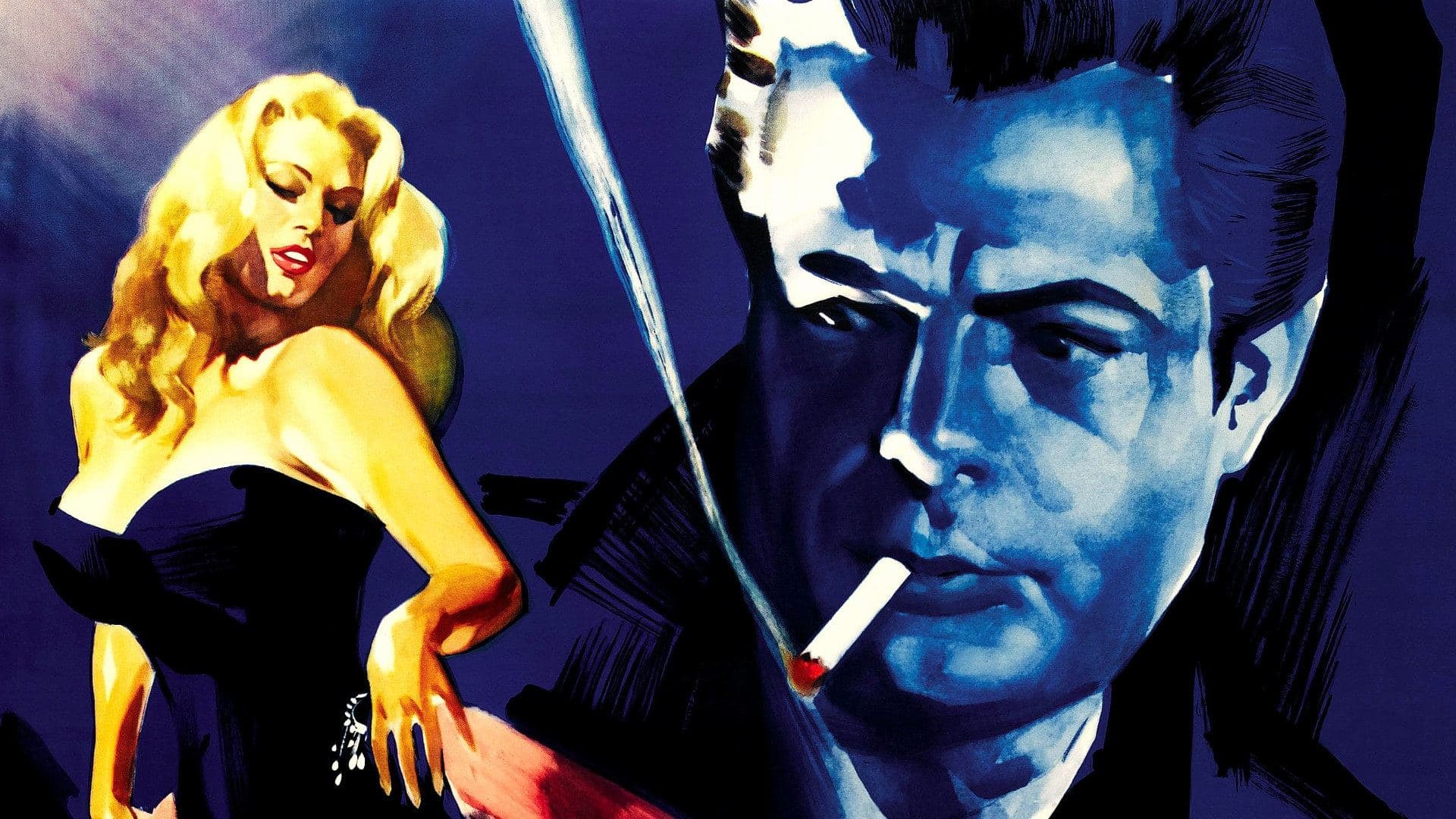
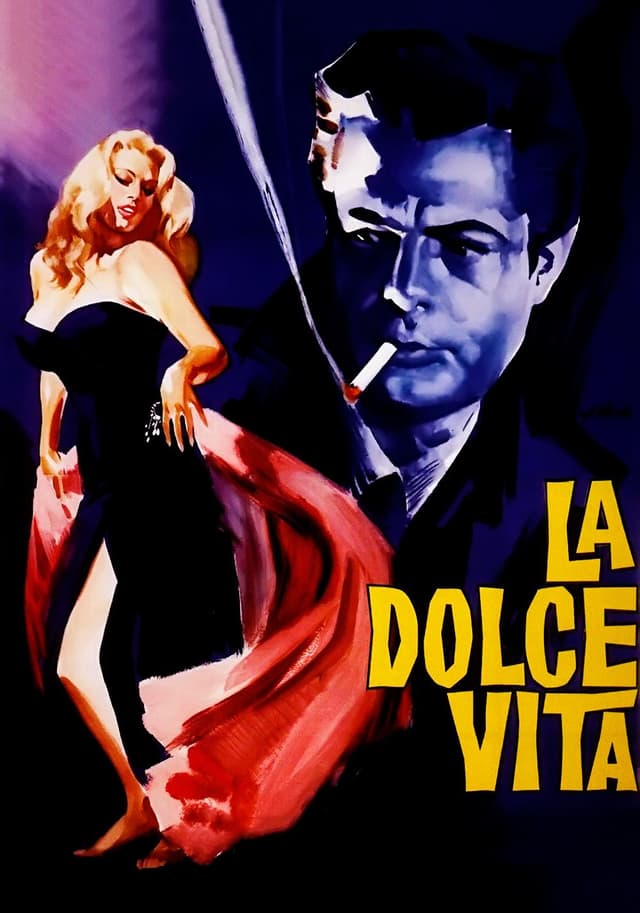
In 1959/1960 Rome, Marcello Rubini (Marcello Mastroianni) is a writer and journalist, the worst kind of journalist--a tabloid journalist. His job is to try to catch celebrities in compromising or embarrassing situations. He tends to get quite close to his subjects--especially when they're beautiful women. Two such subjects are local heiress Maddalena (Anouk Aimee), and Swedish superstar-actress Sylvia (Anita Ekberg), with both of whom he has affairs despite being engaged to Emma (Yvonne Furneaux), a clingy, insecure, nagging, melodramatic woman. Despite his extravagant, pleasure-filled lifestyle, he is wondering if maybe a simpler life wouldn't be better.
What is known about the production of La Dolce Vita?
"La Dolce Vita," a comedy released in 1960, was directed by Federico Fellini and stars Marcello Mastroianni, Anita Ekberg. The production budget has not been publicly disclosed, though Cinecittà Studios, Pathé Consortium Cinéma, Riama Film produced the film, making it a notable entry in the comedy landscape whose financial details remain private.
Key Budget Allocation Categories
While specific budget breakdowns are not publicly available, typical cost drivers for a comedy production like this include:
- Writing: Credit for the creation of Steiner, the intellectual who kills himself after shooting his two children, goes to co-screenwriter Tullio Pinelli.
- Casting: La Dolce Vita marks the first collaboration between Fellini and Mastroianni.
- Filming & Locations: Most of the film was shot at the Cinecittà Studios in Rome.
What were the major cost factors in La Dolce Vita?
Several factors contributed to the overall production costs of "La Dolce Vita."
- Writing: Writing is one of the primary cost drivers in comedy productions of this scale.
- Casting: Casting is one of the primary cost drivers in comedy productions of this scale.
- Filming: Filming & Locations is one of the primary cost drivers in comedy productions of this scale.
La Dolce Vita Box Office Performance
"La Dolce Vita" earned $19,500,000 domestically and $19,647,000 worldwide at the box office.
La Dolce Vita Production History
Credit for the creation of Steiner, the intellectual who kills himself after shooting his two children, goes to co-screenwriter Tullio Pinelli. Having gone to school with Italian novelist Cesare Pavese, Pinelli had closely followed the writer's career and felt that his over-intellectualism had become emotionally sterile, leading to his suicide in a Turin hotel in 1950. This idea of a "burnt-out existence" is carried over to Steiner in the party episode where the sounds of nature are not to be experienced first-hand by himself and his guests but in the virtual world of tape recordings.
La Dolce Vita marks the first collaboration between Fellini and Mastroianni. On November 4, 1977 in an interview on The Dick Cavett Show, Mastroianni recalled their first encounter. According to Mastroianni, Fellini told him that the producer wanted Paul Newman for the lead role, but that Fellini considered Newman too beautiful, while Mastroianni was "the face of normal." Mastroianni, somewhat embarrassed, requested to read the script before agreeing to the role:I said, "Well, ok, I would like to read the script please." He [Fellini] said, "Why not? Ennio, come with the script"...I opened the script and there was nothing written...blank pages...then I saw a sketch of the sea and a man swimming with an enormous...[Mastroianni indicates a large phallus]...and around his element there was a dance of mermaids.
Most of the film was shot at the Cinecittà Studios in Rome. Set designer Piero Gherardi created over eighty locations, including the Via Veneto, the dome of Saint Peter's with the staircase leading up to it, and various nightclubs. However, other sequences were shot on location such as the party at the aristocrats' castle filmed in the real Bassano di Sutri palace north of Rome.
Awards and Recognition
Won 1 Oscar. 11 wins & 12 nominations total
- Academy Award for Best Costume Design, Black-and-White: Piero Gherardi (34th Academy Awards)
- Palme d'Or
Critical Reception
Writing for L'Espresso, the Italian novelist Alberto Moravia highlighted the film's variations in tone,
Frequently Asked Questions
How much did it cost to make La Dolce Vita (1960)?
The production budget has not been publicly disclosed.
How much did La Dolce Vita (1960) earn at the box office?
La Dolce Vita grossed $19,500,000 domestic, $147,000 international, totaling $19,647,000 worldwide.
Was La Dolce Vita (1960) profitable?
Insufficient data for a profitability assessment.
What were the biggest costs in producing La Dolce Vita?
Specific cost breakdowns are not publicly available.
How does La Dolce Vita's budget compare to similar comedy films?
Without a confirmed budget, comparison is not possible.
Did La Dolce Vita (1960) go over budget?
There are no widely reported accounts of significant budget overruns for this production. However, studios rarely disclose precise budget overrun figures publicly. The reported production budget reflects the final estimated cost.
What awards did La Dolce Vita (1960) win?
Won 1 Oscar. 11 wins & 12 nominations total.
Who directed La Dolce Vita and who were the key crew members?
Directed by Federico Fellini, written by Brunello Rondi, Pier Paolo Pasolini, Federico Fellini, Tullio Pinelli, shot by Otello Martelli, with music by Nino Rota, edited by Leo Catozzo.
Where was La Dolce Vita filmed?
La Dolce Vita was filmed in France, Italy. Most of the film was shot at the Cinecittà Studios in Rome. Set designer Piero Gherardi created over eighty locations, including the Via Veneto, the dome of Saint Peter's with the staircase leading up to it, and various nightclubs.
Filmmakers
La Dolce Vita

Official Trailer
Build budgets like this one in Saturation
Start from an industry-standard feature film template, import the schedule and rates you already have, and let the cost report keep itself current as you spend. Real-time collaboration, no spreadsheets.