Kubo and the Two Strings Budget
 AnimationAdventureFamily1h 42m
Updated
Synopsis
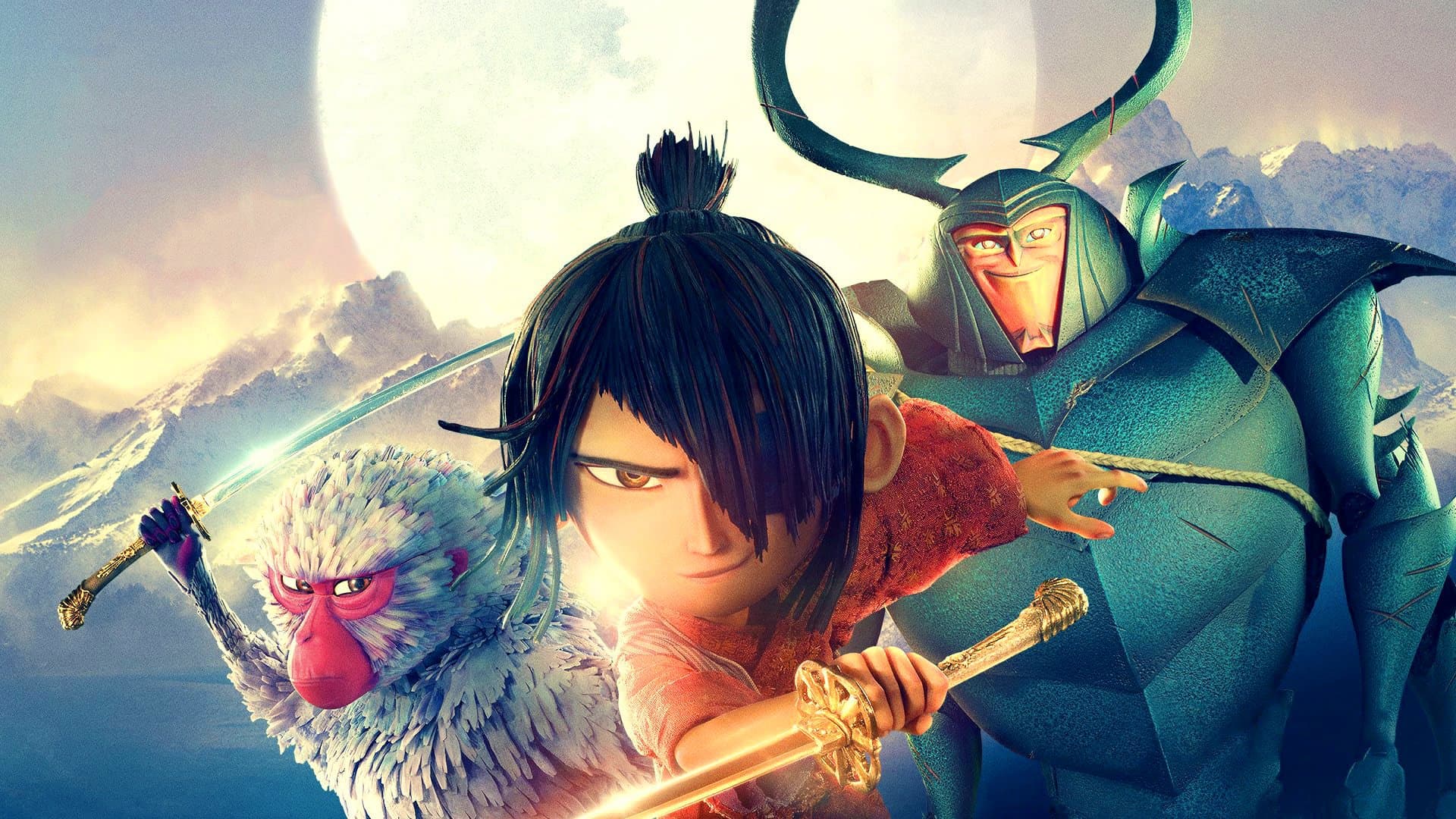
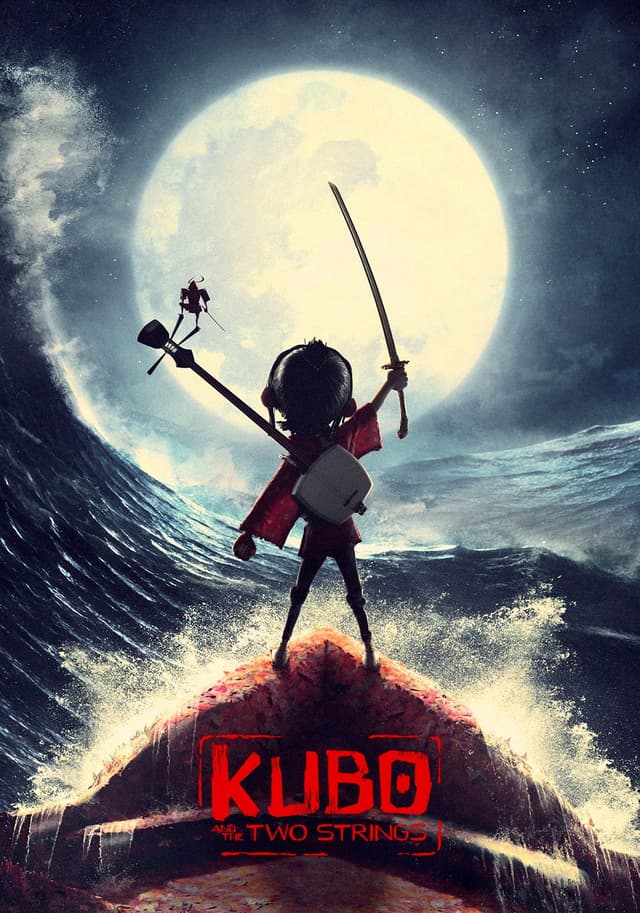
Kubo mesmerizes the people in his village with his magical gift for spinning wild tales with origami. When he accidentally summons an evil spirit seeking vengeance, Kubo is forced to go on a quest to solve the mystery of his fallen samurai father and his mystical weaponry, as well as discover his own magical powers.
What is the budget of Kubo and the Two Strings?
"Kubo and the Two Strings," a animation released in 2016, was directed by Travis Knight and stars Art Parkinson, Charlize Theron. The production budget was $60,000,000, placing it in the high-budget range for animation productions of its era.
Key Budget Allocation Categories
While specific budget breakdowns are not publicly available, typical cost drivers for a animation production like this include:
- Animation Production Pipeline: The bulk of an animated film's budget funds the multi-year production pipeline: storyboarding, character modeling, rigging, animation, lighting, rendering, and compositing.
- Voice Talent: Celebrity voice casting has become standard for studio animation, with A-list actors earning $5 to 15 million for voice roles.
- Music, Songs & Sound Design: Original songs and orchestral scores are central to animated storytelling. Sound design for animated worlds must be created entirely from scratch.
- Casting: On December 22, 2014, Art Parkinson, Matthew McConaughey, Charlize Theron, Rooney Mara, Ralph Fiennes and Brenda Vaccaro joined the voice cast.
What were the major cost factors in Kubo and the Two Strings?
Several factors contributed to the overall production costs of "Kubo and the Two Strings."
- Animation Production Pipeline: Animation Production Pipeline is one of the primary cost drivers in animation productions of this scale.
- Voice Talent: Voice Talent is one of the primary cost drivers in animation productions of this scale.
- Music: Music, Songs & Sound Design is one of the primary cost drivers in animation productions of this scale.
How Does Kubo and the Two Strings's Budget Compare to Similar Films?
At $60,000,000, Kubo and the Two Strings sits in the high-budget range. Here is how it compares to productions with a similar budget:
- 15 Minutes (2001): Budget $60,000,000, Worldwide Gross $56,359,980
- Almost Famous (2000): Budget $60,000,000, Worldwide Gross $47,386,287
- Analyze That (2002): Budget $60,000,000, Worldwide Gross $55,003,135
- Antz (1998): Budget $60,000,000, Worldwide Gross $171,757,863
- Cats & Dogs (2001): Budget $60,000,000, Worldwide Gross $200,687,492
The median budget for wide-release animation films in the 2010s ranges from $30 to 80M for mid-budget to $150M+ for tentpoles.
Kubo and the Two Strings Box Office Performance
"Kubo and the Two Strings" earned $48,023,088 domestically and $76,249,438 worldwide at the box office. Against a production budget of $60,000,000, the film showed modest profitability in theatrical release.
A film typically needs to earn approximately twice its production budget to cover marketing and distribution costs. For "Kubo and the Two Strings," that break-even threshold was roughly $120,000,000. With worldwide earnings of $76,249,438, the film fell short of that threshold but recouped its production costs in theatrical release.
Box Office Breakdown
Kubo and the Two Strings

At 27.1%, "Kubo and the Two Strings" returned its production investment but margin was tight after marketing and distribution costs.
Kubo and the Two Strings Production History
On December 22, 2014, Art Parkinson, Matthew McConaughey, Charlize Theron, Rooney Mara, Ralph Fiennes and Brenda Vaccaro joined the voice cast. While the film received critical acclaim for its craft and story, it was criticized for its perceived whitewashing as a movie set in ancient Japan but featuring a centrally white voice cast. George Takei and Cary-Hiroyuki Tagawa were the only actors of Japanese descent, and both played minor characters.
Dario Marianelli composed and conducted the score for the film. The soundtrack album featuring 16 tracks,including a rendition by Regina Spektor of George Harrison's track, "While My Guitar Gently Weeps" from the 1968 double-album The Beatles also known as "The White Album",was released by Warner Records on August 5, 2016.
Critical Reception
Review aggregation website Rotten Tomatoes gives the film an approval rating of 97% based on reviews from 228 critics, with an average rating of 8.40/10. The website's critical consensus reads, "Kubo and the Two Strings matches its incredible animation with an absorbing,and bravely melancholy,story that has something to offer audiences of all ages." On Metacritic, the film has a weighted average score of 84 out of 100, based on 38 critics, indicating "universal acclaim".
Frequently Asked Questions
How much did it cost to make Kubo and the Two Strings (2016)?
The production budget was $60,000,000, covering principal photography, visual effects, cast and crew salaries, locations, sets, post-production, and music. Marketing and distribution (P&A) costs are estimated at an additional $30,000,000 - $48,000,000, bringing the total studio investment to approximately $90,000,000 - $108,000,000.
How much did Kubo and the Two Strings (2016) earn at the box office?
Kubo and the Two Strings grossed $48,023,088 domestic, $28,226,350 international, totaling $76,249,438 worldwide.
Was Kubo and the Two Strings (2016) profitable?
The film did not break even theatrically, earning $76,249,438 against an estimated $150,000,000 needed. Ancillary revenue may have improved the picture.
What were the biggest costs in producing Kubo and the Two Strings?
The primary cost drivers were above-the-line talent (Art Parkinson, Charlize Theron, Brenda Vaccaro); multi-year animation production, celebrity voice talent, and original musical compositions; international production across United States of America, United Kingdom.
How does Kubo and the Two Strings's budget compare to similar animation films?
At $60,000,000, Kubo and the Two Strings is classified as a mid-budget production. The median budget for wide-release animation films in the 2010s ranges from $30 - 80M for mid-budget to $150M+ for tentpoles. Comparable budgets: 15 Minutes (2001, $60,000,000); Almost Famous (2000, $60,000,000); Analyze That (2002, $60,000,000).
Did Kubo and the Two Strings (2016) go over budget?
There are no widely reported accounts of significant budget overruns for this production. However, studios rarely disclose precise budget overrun figures publicly. The reported production budget reflects the final estimated cost.
What was the return on investment (ROI) for Kubo and the Two Strings?
The theatrical ROI was 27.1%, calculated as ($76,249,438 − $60,000,000) ÷ $60,000,000 × 100. This measures gross revenue against production budget only - it does not account for P&A or exhibitor shares.
Who directed Kubo and the Two Strings and who were the key crew members?
Directed by Travis Knight, written by Shannon Tindle, Marc Haimes, Chris Butler, shot by Frank Passingham, with music by Dario Marianelli, edited by Christopher Murrie.
Where was Kubo and the Two Strings filmed?
Kubo and the Two Strings was filmed in United States of America, United Kingdom.
Filmmakers
Kubo and the Two Strings

Official Trailer
Build budgets like this one in Saturation
Start from an industry-standard feature film template, import the schedule and rates you already have, and let the cost report keep itself current as you spend. Real-time collaboration, no spreadsheets.