Incendies Budget
 DramaWarMystery2h 11m
Updated
Synopsis
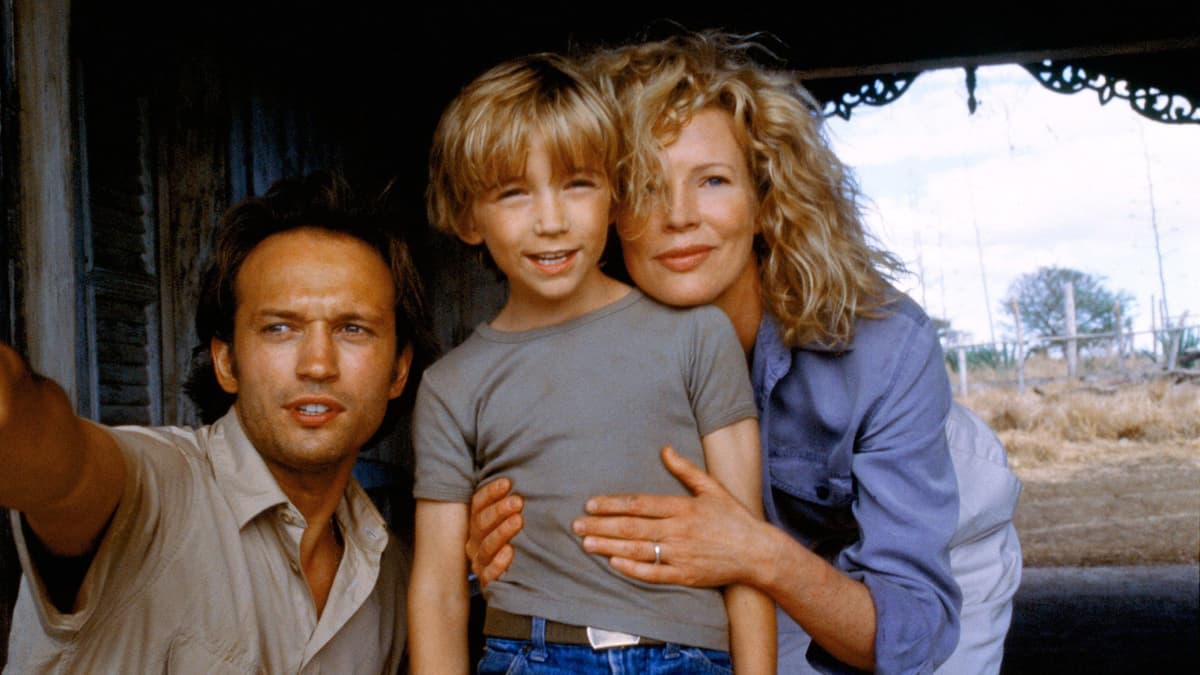
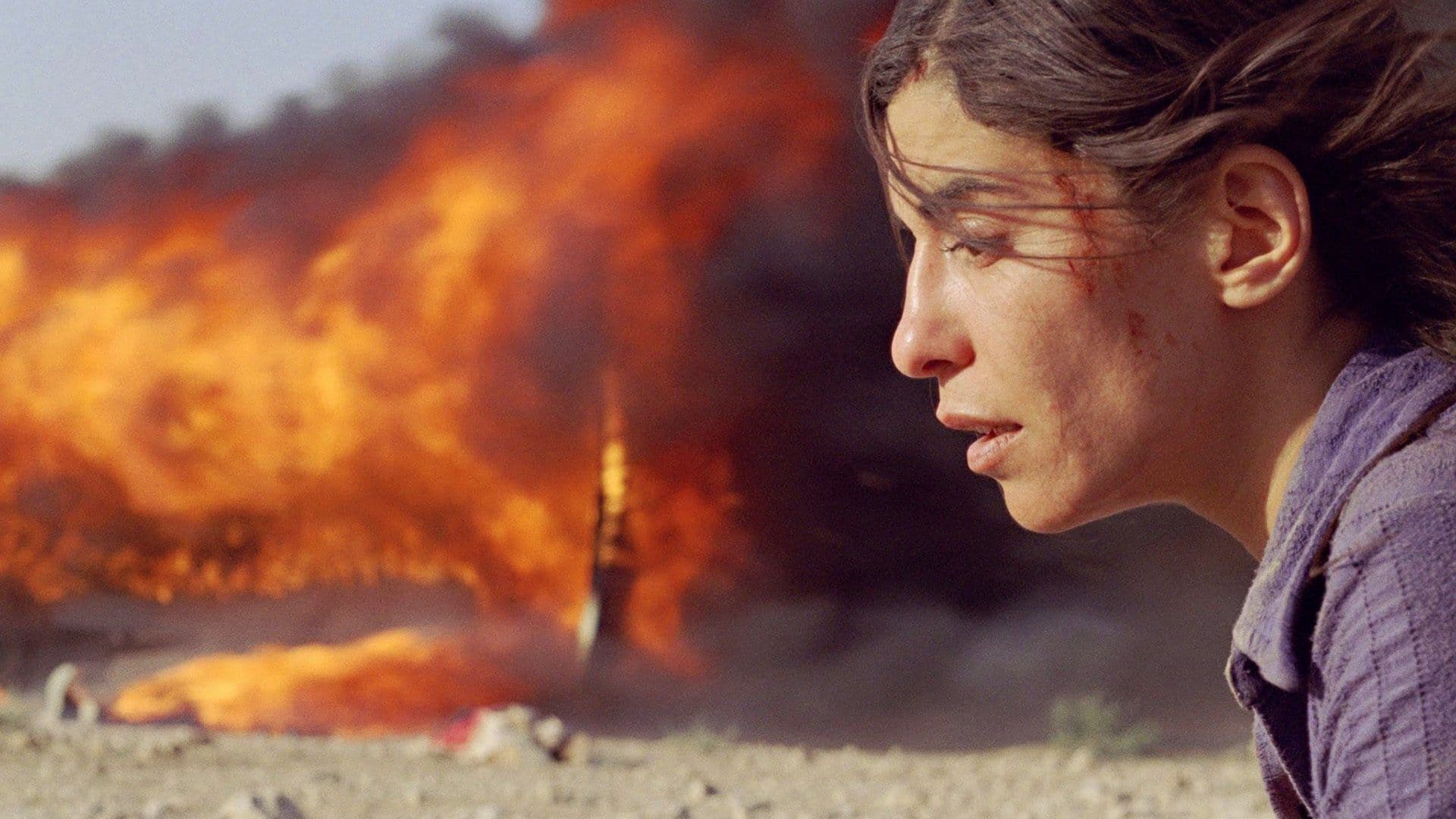
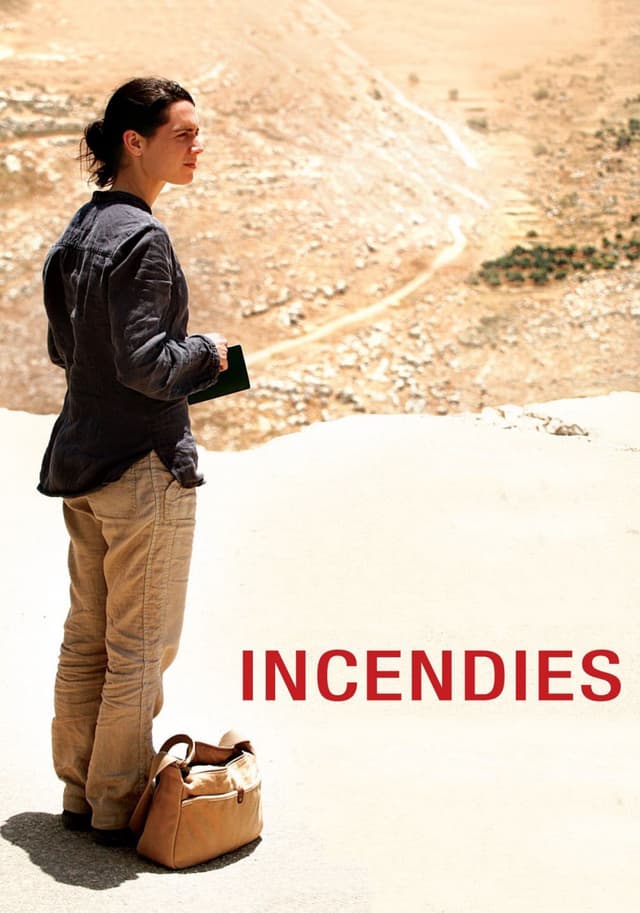
A mother's last wishes send twins Jeanne and Simon on a journey to the Middle East in search of their tangled roots. Adapted from Wajdi Mouawad's acclaimed play, Incendies tells the powerful and moving tale of two young adults' voyage to the core of deep-rooted hatred, never-ending wars and enduring love.
What is the budget of Incendies?
"Incendies," a drama released in 2010, was directed by Denis Villeneuve and stars Lubna Azabal, Mélissa Désormeaux-Poulin. The production budget was $6,800,000, placing it in the low-budget range for drama productions of its era.
Key Budget Allocation Categories
While specific budget breakdowns are not publicly available, typical cost drivers for a drama production like this include:
- Above-the-Line Talent: Drama films live or die on the strength of their performances.
- Location Filming & Period Production Design: Authentic locations , whether contemporary or historical , require scouting, permits, travel, lodging, and often significant dressing to match the story's time period.
- Post-Production, Color Grading & Score: The editorial process for dramas is typically longer than genre films, with careful attention to pacing and tone.
- Development: upright|Parts of the story were based on the life of Souha Bechara.
What were the major cost factors in Incendies?
Several factors contributed to the overall production costs of "Incendies."
- Above-the-Line Talent: Above-the-Line Talent is one of the primary cost drivers in drama productions of this scale.
- Location Filming: Location Filming & Period Production Design is one of the primary cost drivers in drama productions of this scale.
- Post-Production: Post-Production, Color Grading & Score is one of the primary cost drivers in drama productions of this scale.
How Does Incendies's Budget Compare to Similar Films?
At $6,800,000, Incendies sits in the low-budget range. Here is how it compares to productions with a similar budget:
- Kiki's Delivery Service (1989): Budget $6,900,000, Worldwide Gross $4,493,017
- Dazed and Confused (1993): Budget $6,900,000, Worldwide Gross $8,259,076
- Anatomy of a Fall (2023): Budget $6,700,000, Worldwide Gross $35,634,133
- Capote (2005): Budget $7,000,000, Worldwide Gross $49,327,405
- Norm of the North (2016): Budget $7,000,000, Worldwide Gross $17,062,499
The median budget for wide-release drama films in the 2010s ranges from $30 to 80M for mid-budget to $150M+ for tentpoles.
Incendies Box Office Performance
"Incendies" earned $6,857,096 domestically and $6,788,659 worldwide at the box office. Against a production budget of $6,800,000, the film faced challenges in theatrical release. Home video, streaming, and ancillary revenue may have contributed to its overall performance.
A film typically needs to earn approximately twice its production budget to cover marketing and distribution costs. For "Incendies," that break-even threshold was roughly $13,600,000. With worldwide earnings of $6,788,659, the film did not reach break-even in theatrical release.
Box Office Breakdown
Incendies

At -0.2%, "Incendies" did not recoup its production budget through theatrical release alone.
Incendies Production History
upright|Parts of the story were based on the life of Souha Bechara. The story is based on events that happened during the Lebanese Civil War of 1975 to 1990, but the filmmakers attempted to make the location of the plot ambiguous. Director Denis Villeneuve first saw Wajdi Mouawad's play Incendies at Théâtre de Quat'Sous in Montreal in 2004, commenting "I had this strong intuition that I was in front of a masterpiece".
upright|For the part of Nawal, Villeneuve said he conducted an extensive search for actresses across Canada. He finally met Lubna Azabal, a Belgian actress of Moroccan,Spanish descent in Paris, intrigued by her "expressive and eloquent" face in Paradise Now (2005). Montreal actor Allen Altman, who played a notary, worked with a dialect coach for hours to develop a blend of the French and Arab accents before auditioning.
The film was shot in Montreal and Jordan. For the scenes filmed in Jordan, Villeneuve used a Lebanese and Iraqi crew, though he feared the war scenes would be too reminiscent of bad experiences for them. However, he said the Arab crew members felt "It's important that those sorts of stories are on the screen".
Awards and Recognition
Nominated for 1 Oscar. 41 wins & 20 nominations total
- Academy of Canadian Cinema and Television Award for Best Motion Picture (31st Genie Awards)
- Toronto International Film Festival Award for Best Canadian Film (2010 Toronto International Film Festival)
- Québec Cinéma Award for Best Film (13th Jutra Awards)
Critical Reception
Incendies received highly positive reviews from critics. Review aggregator website Rotten Tomatoes reports 91% positive reviews based on 124 reviews, with an average rating of 7.9/10. The site's critics consensus reads, "It's messy, overlong, and a touch melodramatic, but those flaws pale before Incendies impressive acting and devastating emotional impact." On Metacritic the film has a weighted average score of 80 out 100 based on 42 reviews, indicating "generally favorable reviews".
Frequently Asked Questions
How much did it cost to make Incendies (2010)?
The production budget was $6,800,000, covering principal photography, cast and crew salaries, locations, sets, post-production, and music. Marketing and distribution (P&A) costs are estimated at an additional $3,400,000 - $5,440,000, bringing the total studio investment to approximately $10,200,000 - $12,240,000.
How much did Incendies (2010) earn at the box office?
Incendies grossed $6,857,096 domestic, $-68,437 international, totaling $6,788,659 worldwide.
Was Incendies (2010) profitable?
The film did not break even theatrically, earning $6,788,659 against an estimated $17,000,000 needed. Ancillary revenue may have improved the picture.
What were the biggest costs in producing Incendies?
The primary cost drivers were above-the-line talent (Lubna Azabal, Mélissa Désormeaux-Poulin, Maxim Gaudette); talent compensation, authentic period production design, and meticulous post-production; international production across Canada, France.
How does Incendies's budget compare to similar drama films?
At $6,800,000, Incendies is classified as a micro-budget production. The median budget for wide-release drama films in the 2010s ranges from $30 - 80M for mid-budget to $150M+ for tentpoles. Comparable budgets: Kiki's Delivery Service (1989, $6,900,000); Dazed and Confused (1993, $6,900,000); Anatomy of a Fall (2023, $6,700,000).
Did Incendies (2010) go over budget?
There are no widely reported accounts of significant budget overruns for this production. However, studios rarely disclose precise budget overrun figures publicly. The reported production budget reflects the final estimated cost.
What was the return on investment (ROI) for Incendies?
The theatrical ROI was -0.2%, calculated as ($6,788,659 − $6,800,000) ÷ $6,800,000 × 100. This measures gross revenue against production budget only - it does not account for P&A or exhibitor shares.
What awards did Incendies (2010) win?
Nominated for 1 Oscar. 41 wins & 20 nominations total.
Who directed Incendies and who were the key crew members?
Directed by Denis Villeneuve, written by Valérie Beaugrand-Champagne, Denis Villeneuve, shot by André Turpin, with music by Grégoire Hetzel, edited by Monique Dartonne.
Where was Incendies filmed?
Incendies was filmed in Canada, France. The film was shot in Montreal and Jordan. For the scenes filmed in Jordan, Villeneuve used a Lebanese and Iraqi crew, though he feared the war scenes would be too reminiscent of bad experiences for them. However, he said the Arab crew members felt "It's important that those sorts of stories are on the screen".
Filmmakers
Incendies

Official Trailer
Build budgets like this one in Saturation
Start from an industry-standard feature film template, import the schedule and rates you already have, and let the cost report keep itself current as you spend. Real-time collaboration, no spreadsheets.